
 Overview
Rebranding is inherently high risk. When it misses the mark, brand value can erode fast. The most innovative way to reduce that risk is to understand customer perception before decisions are locked, using the right rebranding survey questions. Rebranding survey questions differ slightly from typical rebranding questions, which lay the foundation for the rebrand.
These are not generic branding exercises. A well-built brand survey goes beyond surface-level opinions and feeds directly into the rebranding process. The goal is to measure how your target market perceives core brand elements today, where confusion exists, and what truly drives consideration. This is where tools such as a brand awareness survey, brand positioning survey, and brand identity questionnaire become essential inputs into a sound marketing strategy.
When executed correctly, a branding survey provides the data needed to protect a strong brand identity while guiding meaningful change. In this article, we outline a practical framework for building a brand identity survey, explain how each example question supports market research, and show how these insights inform smarter decisions across digital marketing, positioning, and brand strategy.
Brand perception and awareness.
A branding strategy built without understanding how consumers actually perceive your brand is guesswork. And guesswork is expensive. Before a brand guideline is finalized or a new message goes live, brands must establish a clear baseline of brand awareness and perception.
This is where a brand discovery questionnaire becomes essential. The right questions reveal how shoppers recognize your brand name, interpret your brand voice, and internalize your brand messaging, often exposing gaps between internal intent and external reality. A disciplined branding agency uses these insights to shape strategy, not validate assumptions.
Asking customers to describe the brand in three words.
One of the fastest ways to understand brand perception is to ask customers to describe your brand in three words. This simple exercise surfaces top-of-mind associations tied to brand recall and exposes how your brand is actually showing up in market—not how you think it is.
The language customers use reveals which attributes are sticking, which are missing, and where confusion exists. As part of a rebranding questionnaire, this becomes one of the right questions to establish a baseline before any brand development work begins. Repeating these brand awareness survey questions over time shows whether rebranding efforts are moving perception in the intended direction.
Used correctly, this insight informs branding research questions, sharpens positioning, and ensures your rebranding questions are grounded in how shoppers recognize and remember the brand name.
What first things come to mind when you think of our brand?
When consumers think about a brand, their first association reveals what it represents in their minds. That could be a product, a benefit, a logo, a tagline, or even a feeling. For Baskin-Robbins, it’s ice cream that is immediate, clear, and unmistakable. That’s brand awareness working as it should.
Asking this question in a brand identity survey surfaces unaided, top-of-mind associations that define current brand equity. These responses form the foundation of brand evaluation survey work, showing what’s strong, what’s dominant, and what may be holding the brand back. After a rebrand, repeating this question becomes one of the most telling brand identity survey questions, revealing whether new messaging and visuals are actually replacing old perceptions.
Used correctly, this input strengthens brand equity questions, sharpens positioning, and ensures the rebranding project is changing how shoppers think, not just how the brand looks.
What do you think our brand stands for?
Before any rebranding campaign begins, brands need a clear read on the values and attributes consumers already associate with them. Asking this question through a brand image questionnaire reveals how the brand is truly positioned in the market, not how it’s intended to be.
Responses from a brand image survey questionnaire expose gaps between internal strategy and external perception. When those gaps exist, rebranding becomes a correction, not a cosmetic exercise. Used correctly, brand image survey questions examples help define what must change, what should stay, and how to realign brand meaning with business goals.
How familiar is the audience with the brand?
Companies can ask this question as a social media poll to gather insights from their target audience. The vote may include various options, such as very familiar, somewhat familiar, or unfamiliar. The percentage of respondents answering these questions provides a benchmark for awareness and a metric to improve through rebranding product designs, packaging, and other brand elements. As brand awareness increases through a rebranding effort, familiarity levels must rise. Companies may use this metric as a key performance indicator to measure the success of their rebranding.
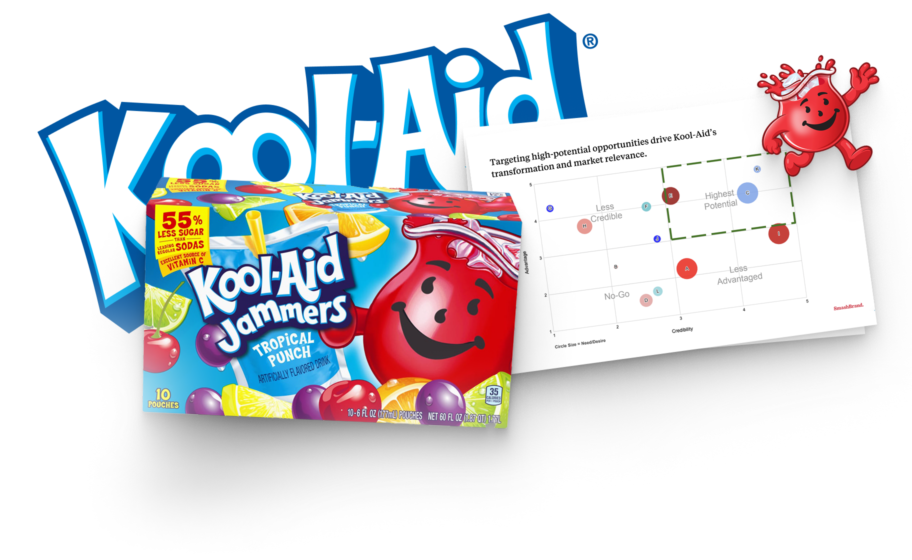
Brand experience and loyalty.
Learning about customer experience and brand loyalty is another crucial element for rebranding survey questions. The brand experience contains all the touchpoints a customer has with the brand; It shapes their satisfaction and loyalty. A company may ask for positive and negative experiences to uncover its strengths and weaknesses.
Companies may use brand loyalty metrics like Net Promoter Score and brand value. These metrics represent the equity and trust the brand currently enjoys. Strong loyalty means higher rebranding risks, whereas declining loyalty signals a need for change. Here are a few rebranding survey questions that one may ask their audience to learn about brand loyalty:
How satisfied is the customer from the experience with the brand?
This question helps companies to gain meaningful insights about customer satisfaction with brand experiences. The percentage of highly satisfied vs dissatisfied provides a benchmark to improve through the rebranding strategy. As companies execute logo rebranding, new branding guidelines, and other rebranding checklist items, they should continue surveying satisfaction to ensure better experiences. If customer satisfaction drops during the rebranding rollout plan, it signals missteps to address quickly.
What Aspects Of Our Brand Do You Value The Most?
Discovering the brand attributes and touchpoints that drive value helps to focus rebranding strategies on enhancing strengths. If quality or customer service are highly valued, make it a priority in rebranding announcements and ensure continuity. It is one of the most important questions before and after rebranding, which ensures the reasons for rebranding align with the customers’ priorities.
Any Negative Experiences with the Brand?
When conducting a brand perception survey, companies must ask their customers if they have encountered any bad experiences. It allows them to become familiar with their shortcomings, which may become a loophole in their marketing campaign. As you develop a rebranding checklist, addressing past pain points through improved customer service, quality control, or other best practices for rebranding can rebuild value.
How Likely Are You To Recommend Our Brand To Others?
This brand loyalty question elicits the Net Promoter Score, quantifying the number of loyal brand promoters versus passives and detractors. A low NPS signal rebranding is needed to boost advocacy. Track scores over time to measure whether a rebranding successfully increases positive word-of-mouth and referral marketing. Managing rebranding costs can be justified by gains in brand equity and customer lifetime value.
Impact of Rebranding
The impact of rebranding can be both positive and negative. Companies must thoroughly research the potential effects of a rebranding effort before executing the brand transformation. Asking specific survey questions can uncover how customers may respond to a new brand identity compared to the existing brand image.
Directly asking customers about the potential impact of proposed changes to a brand’s visual identity can help guide the redesign of logos and other branding elements. Conducting surveys can also help determine if a rebranding effort would make customers more or less likely to purchase, indicating the potential risk of losing existing brand fans versus attracting new customers.
Continuous brand tracking surveys after a rebrand measure its impact on brand awareness, consideration, preference, and other key brand health metrics compared to existing brand positioning. A/B testing with a control group helps isolate the rebranding impact. Surveys ensure brand repositioning through rebranding aligns with consumer habits and attitudes.
How Would A Visual Rebrand Affect Your Brand Perception?
This question gathers open-ended feedback about potential logo redesigns, new color palettes, and other visual elements under consideration in rebranding. The qualitative insights reveal whether a new visual identity positively or negatively impacts customer brand image perceptions.
This directional input is invaluable for determining which design concepts to move forward with and which to avoid when taking steps toward rebranding. It mitigates the risks of alienating loyal customers through visual identity changes they dislike.
Would A Rebrand Affect Your Purchase Likelihood?
By asking this question, brands may learn whether the target customers will be more or less likely to purchase after the rebrand. It can be helpful to avoid pitfalls like the Tropicana’s rebranding failure. The percentage of responses indicating “more likely” versus “less likely” forecasts sales impact. This information guides data-driven rebranding strategies. Using a Positioning Scorecard completes the before/after picture of the rebranding’s commercial impact.
Competitive Comparison
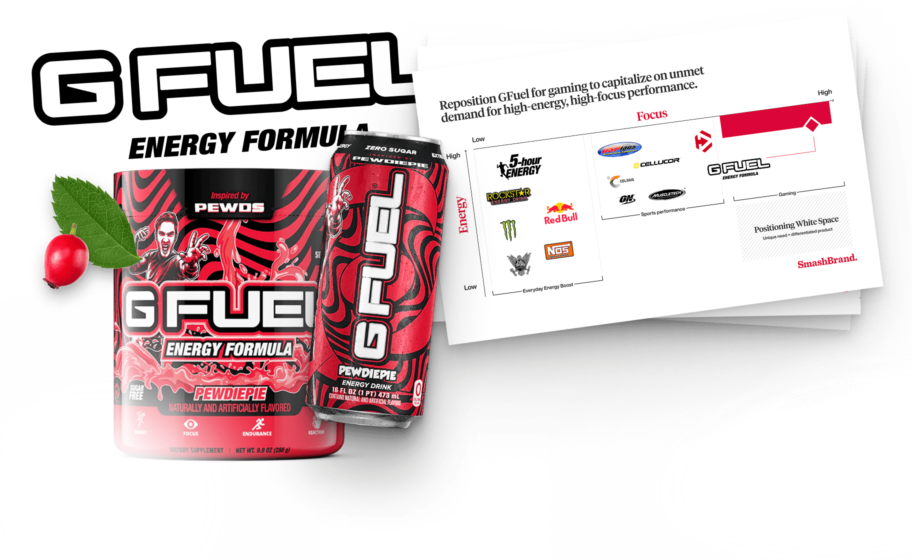
Competitive comparison plays an essential role in rebranding surveys. It provides a valuable context on how your brand stacks up against key players in the minds of the target consumers. It benchmarks your brand’s current positioning and reveals potential white space to differentiate.
The branding questionnaire may include the following questions to learn about competitive comparison:
How Do You Think Our Brand Compares To Competitors?
Asking customers to compare your brand against competitors on attributes like quality, value, and innovation highlights relative strengths and weaknesses. The goal is crafting a solid brand identity and rebranding strategy that capitalizes on competitive advantages while improving areas where you lag behind rivals. The qualitative feedback reveals relative strengths and weaknesses versus rivals through the customer’s voice.
What Do Competitors Do Better Than Us?
Asking where competitors outperform your brand makes it easy for customers to pinpoint areas of weakness you need to improve through rebranding. For example, if the competitor of an energy drinks company is offering lower prices, the company can reposition around delivering more excellent value at an affordable cost. Competitive gaps are one of the most essential ingredients of rebranding to differentiate rather than playing catch up. It informs priorities for strengthening your brand identity and experience.
What Do We Do Better Than Our Competitors?
Finally, the branding questionnaire may directly ask consumers to list all areas where the current brand performs better than its competitors. If customers consistently cite superior quality or customer service versus competitors, keep these pillars central in rebranding. Lean into existing strengths through consistent messaging and experiences that exemplify competitive advantages over rivals in areas that resonate most.
Customer Needs and Expectations
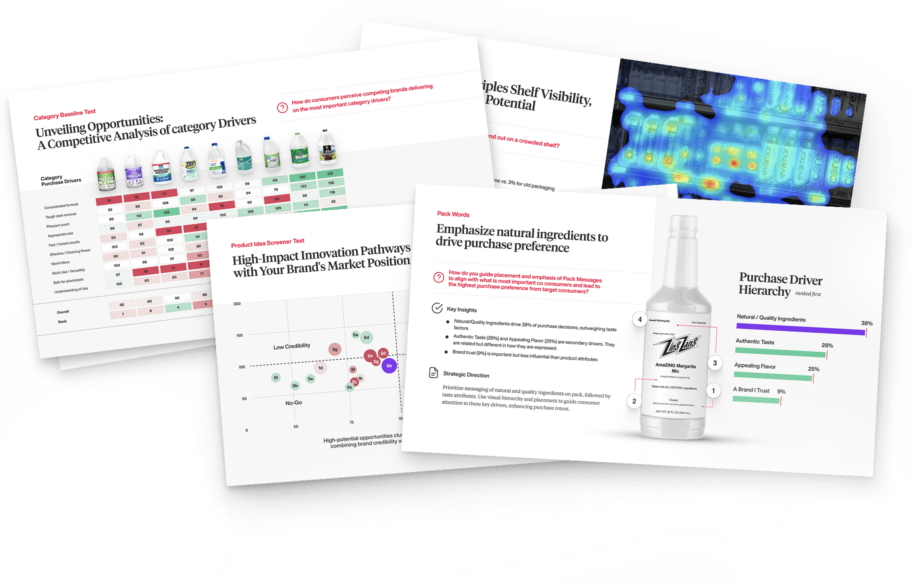
Without understanding the needs and expectations of the target audience, a company must never consider rebranding. it is because there will be more guesswork than facts, which can negatively impact the customer experience. The primary purpose of rebranding surveys is to learn about what consumers want. Ask about the main benefits they seek; pain points to be solved, and must-have features. Conducting surveys uncovers shifts in customer expectations that warrant a rebranding to align with emerging trends.
What Improvements Would You Like To See From Our Brand?
Every company must have good connections with its intended customers. It must directly communicate with its target audience through various channels. The advantage of this connection is that a company may ask its audience directly about the change they want to see in the current brand strategy.
It can reveal a lot of drawbacks and shortcomings in the current strategy. Making the customer-requested improvements demonstrates listening to needs and closes experience gaps. It builds brand affinity by showing the rebrand is focused on solving customer problems.
Are There New Products Or Services You Wish We Offered?
A company may ask for suggestions for new products and services its target audience might need. It reduces the risk of diluting brand recognition and builds intuition for a successful brand expansion. Adding relevant offerings that customers explicitly ask for strengthens perceptions of the brand as innovative, responsive, and focused on their evolving needs. The rebranding can then highlight new solutions tailored to customer demands.
What Do You Need Most From Our Type Of Products/Services?
Getting to the core needs fulfilled by your product category allows the focus of the rebrand to fulfill these table-stakes expectations. If speed and reliability are fundamental for logistics services, the rebranding can emphasize flawless on-time delivery. Asking directly about the most essential needs ensures they take center stage in refreshed branding and experiences after rebranding.
Nice Package
Don’t miss out on our monthly newsletter Nice Package!
Each month, we deliver a data-driven newsletter directly to your inbox, unpacking a critical topic in the FMCG & CPG industry.
"*" indicates required fields
Best Practices for Rebranding Survey Questions
Well-designed rebranding surveys provide valuable insights to guide branding strategy. Here are some best practices for effective rebranding research:
-
- Use online survey software (such as Survey Monkey) to reach a large, demographically representative sample. It ensures statistically significant results.
-
- Ask open-ended questions to uncover qualitative feedback in customers’ own words. It provides richer insights than multiple choice alone.
-
- Test branding concepts with image-based questions. See which potential names, logos, and visual identities resonate most.
-
- Measure essential brand health metrics pre and post-rebranding. It quantifies the impact on awareness, consideration, preference, and loyalty.
-
- Segment results by customer demographics and psychographics. Uncover if rebranding perceptions vary across target segments.
-
- Consider researching through an expert branding agency (discuss your project with SmashBrand). Their experience with rebranding surveys yields proven question sets.
-
- Schedule ongoing tracking rather than one-off research. It monitors the impact of rebranding over time as perceptions evolve.
-
- Test competitive positioning questions. See if a rebranding differentiates your brand from key competitors.
Data-Driven Approach to Rebranding
SmashBrand leverages in-depth customer research to guide strategic rebrands that resonate. Our analytics uncover hidden insights to inform every rebranding decision. We identify untapped growth opportunities and unmet customer needs. Then, translate these into differentiated brand positioning and experiences that drive results. Contact us today for impactful brand development.

A seasoned veteran in the CPG (Consumer Packaged Goods) industry, Jason Vaught brings a wealth of knowledge and hands-on experience as the director of content and marketing for SmashBrand. His comprehensive role at the forefront of brand communication ensures that CPG brands remain well-informed about the suite of services SmashBrand offers. Furthermore, his insights derived from the company's strategy, design, and testing services are invaluable to brand owners and managers seeking expert guidance.
From his early endeavors in launching a successful sports nutrition brand that gained prominence in significant bodybuilding and fitness retail spaces to his entrepreneurial ventures in kick-starting multiple brick-and-mortar and e-commerce startups across diverse industries, Jason's career is studded with substantial milestones. Notably, he has innovated numerous products later embraced by leading industry brands, showcasing his knack for anticipating market demands and setting trends.
Jason's journey in the CPG industry commenced at age 21. Over the years, he has worn multiple hats, ranging from a manufacturer and retailer to a distributor and brand owner. This multifaceted experience equips him with the rare ability to offer practical advice grounded in real-world expertise. His mission is to guide and support other CPG brand owners, directors, and managers on their path to success.
Subscribe to
Nice Package.
SmashBrand’s Nice Package: Stay current with our latest insights
Free Resource.
CPG product repositioning guide.
Explore the five undeniable signs your CPG product needs repositioning along with strategies for leveraging consumer insights for a guaranteed market lift.
Download Whitepaper About CPG product repositioning guide.