
 Overview
Companies don’t rebrand on a whim. Most allocate 5–10% of their annual marketing budget to rebranding because the stakes are high and the upside is measurable. When a brand stops resonating with its target audience or no longer supports where the business is headed, a strong brand strategy demands change.
That’s where rebranding becomes a disciplined business decision, not a creative impulse. Before a new logo or updated brand voice ever hits the market, the first item on the rebranding checklist is defining the cost of rebranding. Without financial clarity, even the smartest rebranding exercise can lose focus during rollout.
Understanding rebranding costs allows brands to invest intentionally across brand assets, brand awareness, and execution, whether it’s a complete rebrand or a brand refresh. In this guide, we break down branding pricing, explain what drives rebranding costs, and show how to maximize ROI across your brand rollout.

Reasons why companies rebrand.
Companies don’t rebrand for novelty; they rebrand to stay relevant. One of the most common reasons why companies rebrand is misalignment between their brand identity and current market realities. As competition intensifies and consumer expectations evolve, even good branding can lose clarity or impact.
Rebranding allows companies to reposition intentionally and adjust their brand positioning. That may include refining messaging, updating a branding package, investing in a website redesign, or aligning digital marketing efforts to better reflect how the brand shows up today. Dunkin’s rebranding launch is a strong example, by dropping “Donuts,” the brand clarified its focus, modernized its identity, and reinforced relevance without abandoning its heritage.
Another major driver is brand architecture. As portfolios grow, brands often need to simplify how products and services are organized to create a cohesive system that scales. When executed well, rebranding, supported by the right branding services, creates distinction, consistency, and a stronger connection with the target audience.
Types of rebranding.
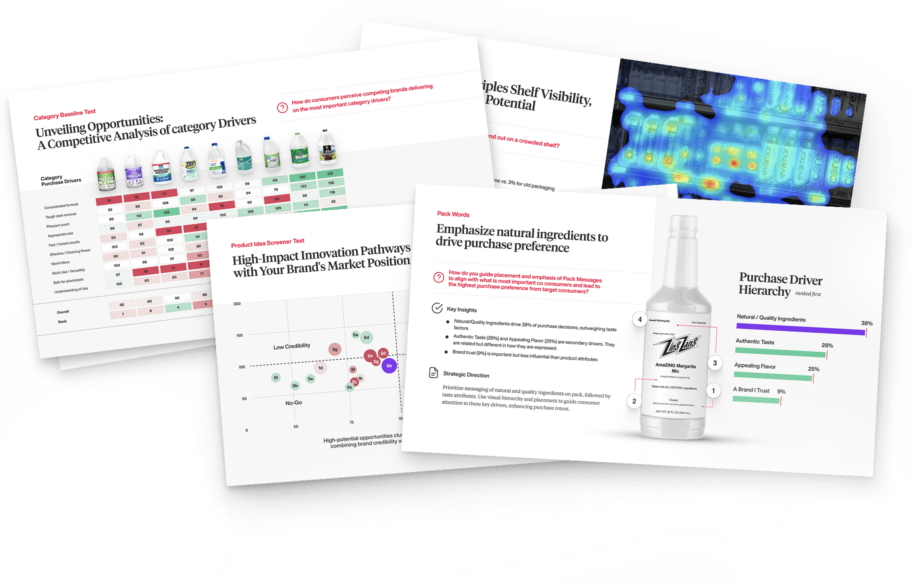
Rebranding isn’t one-size-fits-all. The scope of change depends on business goals, market pressure, and how far the current brand identity has drifted from where the company needs to go. Most rebranding initiatives fall into three categories: a brand refresh, a partial rebrand, or a complete rebrand, each with different implications for rebranding cost, timeline, and risk.
A brand refresh is the lightest lift and often the most cost-efficient option. It focuses on subtle updates that refine a logo, evolve the color palette, or sharpen brand messaging and storytelling without changing the core brand promise. While not a complete branding project, it helps keep the brand current and can limit overall rebranding costs when the foundation is still strong.
A partial rebrand introduces more meaningful change. This may include repositioning, updated visual systems, or revised storytelling while retaining recognizable equities. Many companies work with a branding agency or advertising agency at this stage to balance progress with continuity. The rebranding price is higher than a refresh, but far less than a complete overhaul, and often delivers strong returns when executed with precision.
A complete rebrand is a ground-up transformation. It redefines strategy, identity, architecture, and messaging to reset how the brand competes. This is where questions like how much a rebrand costs matter most, as investment is significant, but so is the opportunity. When done right, a complete rebrand creates a future-ready brand that wins in a new competitive reality.
Is a brand refresh a form of rebranding?
This is one of the most common questions we hear about rebranding. The short answer: a brand refresh is not rebranding in and of itself. A refresh is a tactical component that can support a business rebrand, but it doesn’t address deeper strategy, positioning, or brand architecture.
A brand refresh typically updates surface-level elements, logo refinements, visual polish, or light messaging tweaks. Because it avoids structural change, the rebrand cost is lower, which is why many teams explore it when discussing the rebranding budget. For smaller companies, this often raises questions such as how much it costs to rebrand a small business or what the average rebrand cost is. The answer depends on scope, but a refresh alone won’t fix a misaligned brand.
Actual rebranding happens when a company rethinks how it competes, not just how it looks. Whether you’re evaluating the cost of rebranding a company, the cost to rebrand at scale, or the cost to rebrand a large company, the key is clarity. A refresh can reduce the cost of rebranding a business, but only when the foundation is already sound.

How much does a rebrand cost?
Rebranding is a comprehensive process that significantly impacts a company’s brand performance. It involves a thorough review and adjustment of the brand identity, strategy, and architecture to create a new, modern, and relevant brand that resonates with the target market.
While rebranding can lead to significant benefits, such as increased customer loyalty and higher revenue, it also comes with direct costs that must be considered. Proper budget planning helps reduce the risks of rebranding and ensures a smooth execution. The following is a breakdown of the cost of rebranding a business:
Average cost of a rebrand.
The cost of the strategy can be divided into three categories: brand, retail, and competitive audit. Each has its own expense and budget requirements. Let’s break down the costs associated with each audit type.
Brand Audit: This involves a detailed analysis of brand positioning, recall, and awareness. The goal is to identify strengths and weaknesses in the existing brand and determine areas for improvement. The cost of a brand audit varies depending on the project scope and depth of detail required.
Retail Audit: An audit of the company’s retail presence. It includes store layout, merchandising, competitive set, and customer experience. These audits aim to identify the weak points in retail channels and then build a strong presence. In contrast to a brand audit, the cost of the retail audit depends on the number of stores.
Competitive audit: Finally, a competitive audit helps a company conduct an in-depth competitor analysis and identify areas for improvement relative to the market. Compared to the first two, the cost of competitive audits can be very high due to the high level of detail involved and the time required. Investing in a comprehensive audit also reduces the cost of brand development.
Design Costs
During a rebranding project, the company has to undergo different types of redesigns, such as logos, stationery, business cards, website, and marketing collateral. Here’s a chart that summarizes the cost of various design items:
| Redesign Project | Estimated Cost Range |
| Logo design | $250 – $2500+ (depending on the quality) |
| Stationery and business cards | $50 – $2000+ (depending on the number of items) |
| Website | $1000 – $100000 (depending on the number of pages) |
| Marketing collateral (brochures, banners, etc.) | $500 – $3000 (depending on the items) |
Testing Costs
Testing messaging and design concepts is critical in the brand reboot process. It ensures that the new brand identity effectively communicates its message and resonates with the target market. However, it comes with direct costs that must be considered.
The costs of testing messaging and design concepts will depend on the specific testing methods used. It may include conducting focus groups, surveys, consumer panels, and other market research to gather feedback to determine how the new brand identity impacts purchase intent and brand recall.
Focusing only on the key areas that require testing is essential to minimizing testing costs. This may include testing the brand’s tagline, rebranded logo, and other vital elements critical to the reboot’s success. By understanding how to itemize expenses effectively, businesses can better manage these testing costs and focus on the most impactful areas. This approach helps minimize unnecessary expenses while ensuring the most critical aspects of the rebranding resonate with the target audience.
Legal Costs
Legal costs, such as trademark registration and consultations, are essential in rebranding. These costs can add up quickly, so budgeting them early is vital.
-
- Trademark registration helps protect the new brand identity and prevent others from using similar marks.
-
- Legal consultations help to ensure that the brand identity does not infringe on the intellectual property rights of others.
Their costs will depend on the specific registration process used and the number of registered trademarks.
Production Costs
Production costs can vary depending on whether a company produces a single or multiple SKUs. Multiple SKUs can increase production costs due to rebranding multiple products or services with unique prices, but single SKU production may be cheaper since resources are concentrated on one product or service.
Producing new signage, uniforms, and packaging is a typical expense for creating single or multiple products. These costs can be higher if the business requires new materials. Likewise, reproducing marketing materials like brochures, business cards, and other promotional items can also incur high costs.
Digital Costs
A company must also allocate a significant portion of the budget for its digital assets, as redesign costs can escalate quickly depending on the digital channel. Some typical digital costs associated with changes include website rebranding, email changes, and social media profile updates.
The following table provides a rough overview of the costs. The price may vary depending on the specific scope of work required and the level of complexity involved in the rebranding effort.
| Digital Cost | Price Range |
| Website Changes | $500 – $10,000+ |
| Email Rebranding | $1,000 – $5,000+ |
| Social Media Profile Updates | $500 – $5,000+ |
Indirect Costs
Indirect costs during rebranding include lost productivity, discounted inventory, and other non-design-related costs. These costs can be significant and have a major impact on the success of the rebranding effort.
When creating a budget for rebranding, it’s essential to account for direct and indirect costs. Understanding the indirect cost ensures a successful rebrand. This means considering the cost of hiring a branding service or updating marketing materials and the potential cost of lost productivity and business.
Employee training costs.
Some typical employee training costs associated with rebranding include developing and implementing the training program, hiring trainers or consultants to lead the training sessions, and verifying brand consistency as the team changes the current branding.
To minimize employee training costs, it’s important to carefully budget for training early in the process and explore cost-effective training methods where possible. Remember to add this as part of your S.O.P. when considering onboarding training costs.
It may include leveraging existing internal resources, such as in-house trainers or online training platforms, or partnering with external training providers who can provide cost-effective and high-quality training services.
Marketing costs.
Creating a marketing strategy involves several costs, including press releases, social media updates, and paid advertising. These costs may vary depending on the nature of each segment. For instance, the cost of the press release will mainly depend on the frequency. Similarly, social media marketing campaigns may incur high prices; the same goes for ads.
Loss of brand equity.
When businesses lose brand equity, it can lead to lower brand recognition and decreased customer loyalty. To avoid these risks, partnering with a trustworthy rebranding agency is crucial. Such an agency will handle the rebranding process thoughtfully and strategically, considering the brand’s history and existing customer base. Additionally, they can maintain customer loyalty by communicating the rebranding process effectively and transparently to current customers.

Hidden costs.
Having a margin of safety in your budget is essential to account for hidden costs that may arise during a project. These costs can include unexpected delays, additional resources, or unforeseen expenses. Without a margin of safety, these hidden costs can quickly eat into your budget, causing financial strain and potentially derailing the entire project.
Time investment.
While a successful rebranding initiative can be time-consuming, it’s essential to prioritize this initiative to ensure its success. Taking shortcuts or rushing the process can lead to a subpar outcome, ultimately harming the brand’s reputation and bottom line.
Allocating the necessary time and resources to the rebranding initiative and communicating its importance to the team ensures their commitment to its success.
Unforeseen situations.
Unexpected situations can arise when launching a marketing campaign or implementing new brand guidelines, requiring additional time and resources. These situations can include delays in production, such as unexpected supply chain disruptions or manufacturing issues, which can impact the timeline for the campaign launch.
Errors or mistakes requiring correction can also occur, such as typos in marketing materials or incorrect messaging, which can harm the brand’s reputation if not addressed promptly. These situations can require additional time and resources to fix, potentially delaying the launch of the marketing campaign or creating extra costs.
Rebranding budget.
Creating a financial plan is crucial for the success of a rebranding strategy. Precise budgeting helps ensure resources are allocated effectively and keeps the project on track within scope. It helps in better resource allocation and keeps the project on track within a budget. Companies must build their financial plan early when rebranding the product, review it regularly, and update it timely as the project progresses.
Read More: 5 Steps To Take For A Successful Rebranding Campaign.
Understanding the competition.
The size of the investment required for a rebranding project will depend on various factors, including the market competition level, the brand’s goals and values, and the target market. It’s essential to carefully consider these factors when determining the investment size required for a rebranding project.
It will help ensure that the new brand identity effectively communicates its message, resonates with the target market, and delivers a solid return on investment (ROI).
Allocating resources wisely.
Resource allocation is a crucial step in boosting the success of rebranding by managing direct costs associated with creating a new brand identity. Experts who handle expenditure resources effectively and efficiently while prioritizing brand strategy and testing to ensure a strong ROI are crucial.
Working with graphic designers, branding agencies, and marketing consultants can provide valuable insights and expertise throughout the process. Companies can ensure their resources are spent on high-quality work that effectively communicates the brand’s message and resonates with the target market.
Making the financial commitment.
Committing to the rebranding effort is crucial for its success, as it involves more than just direct costs. The risks associated with not completing the rebranding process can significantly impact the company’s brand performance.
One of the most significant risks of failing to complete the rebranding process is that it can confuse customers and stakeholders. If the company starts rebranding but doesn’t see it through to completion, customers may wonder what changes are happening and what they can expect from the company.
Nice Package
Don’t miss out on our monthly newsletter Nice Package!
Each month, we deliver a data-driven newsletter directly to your inbox, unpacking a critical topic in the FMCG & CPG industry.
"*" indicates required fields
Data-driven brand development that can guarantee sales performance.
If you need a rebrand with performance predictability, we can help. SmashBrand is a brand development agency that researches, designs, and tests all products to ensure peak shelf performance while reducing the cost of rebranding a business. Book a time to discuss your project with our team.

A seasoned veteran in the CPG (Consumer Packaged Goods) industry, Jason Vaught brings a wealth of knowledge and hands-on experience as the director of content and marketing for SmashBrand. His comprehensive role at the forefront of brand communication ensures that CPG brands remain well-informed about the suite of services SmashBrand offers. Furthermore, his insights derived from the company's strategy, design, and testing services are invaluable to brand owners and managers seeking expert guidance.
From his early endeavors in launching a successful sports nutrition brand that gained prominence in significant bodybuilding and fitness retail spaces to his entrepreneurial ventures in kick-starting multiple brick-and-mortar and e-commerce startups across diverse industries, Jason's career is studded with substantial milestones. Notably, he has innovated numerous products later embraced by leading industry brands, showcasing his knack for anticipating market demands and setting trends.
Jason's journey in the CPG industry commenced at age 21. Over the years, he has worn multiple hats, ranging from a manufacturer and retailer to a distributor and brand owner. This multifaceted experience equips him with the rare ability to offer practical advice grounded in real-world expertise. His mission is to guide and support other CPG brand owners, directors, and managers on their path to success.
Subscribe to
Nice Package.
SmashBrand’s Nice Package: Stay current with our latest insights
Free Resource.
CPG product repositioning guide.
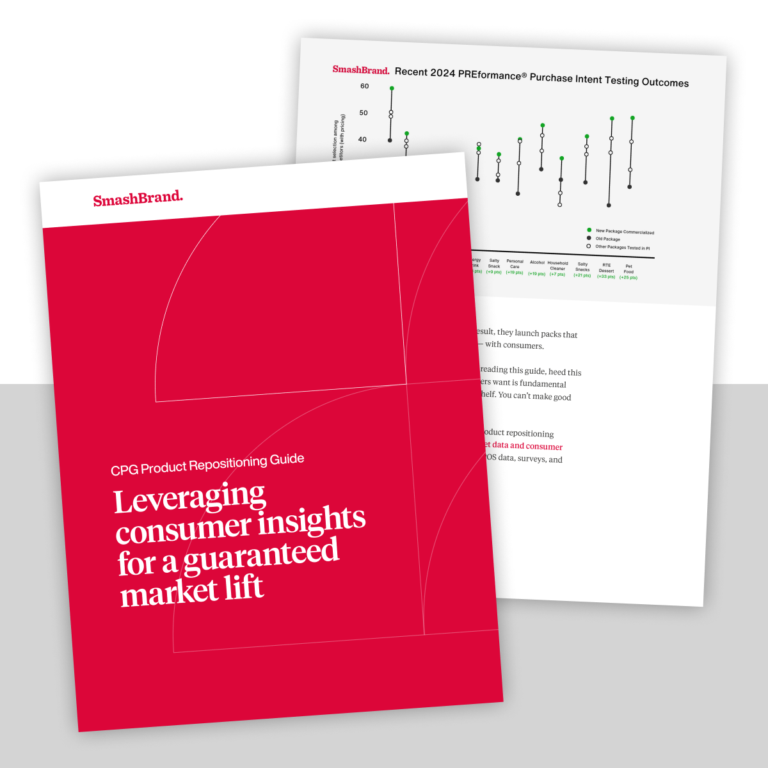
Explore the five undeniable signs your CPG product needs repositioning along with strategies for leveraging consumer insights for a guaranteed market lift.
Download Whitepaper About CPG product repositioning guide.