
 Overview
The initial decision to pursue a rebranding initiative is exciting, but after the endorphins fade, concerns about the risks of rebranding begin to surface. No matter how many reasons for rebranding you account for, a fear emerges that you may not have the necessary ingredients for a successful rebrand.
You become paranoid about possibly experiencing a drop in brand identity and customer loyalty. Shifting to a state with no foreseeable upside to this project, you consider scrapping the whole thing and deciding to leave things as they are.
But as they say, you’re moving backward if you’re not moving forward. So, we created this article to expose each rebranding risk and provide a step-by-step process for mitigating them as a part of your rebranding strategy.
Let’s jump right in and look at these risks now.
The risks of rebranding a company.
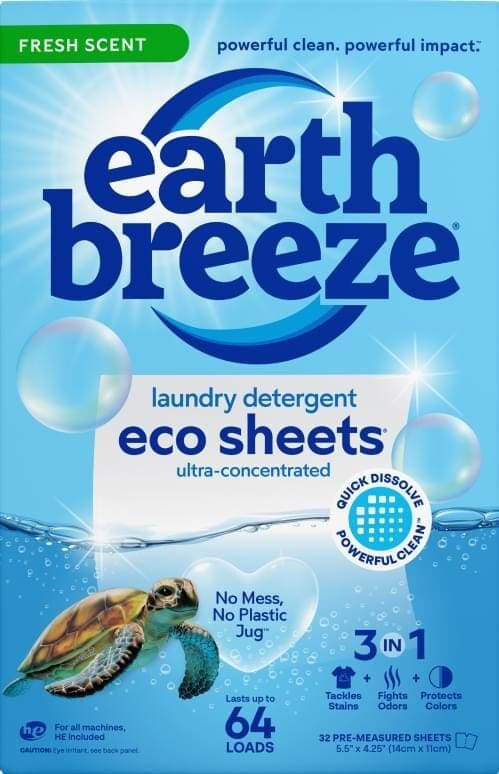
Rebranding is a high-stakes move. It reshapes brand positioning, signals change to the market, and directly impacts how consumers perceive a company. When done well, it can attract younger consumers and realign the brand with shifting consumer preferences. When done poorly, the potential risk is damage to a strong brand and long-term erosion of trust.
One of the biggest risks in the rebranding journey is disrupting brand consistency. Loyal customers rely on familiar cues, and sudden or poorly explained changes can confuse them or weaken the company’s reputation. Without a clear strategic rationale, even well-intended updates can feel disconnected from the brand’s core.
That’s why successful rebrands balance evolution with continuity. Protecting brand equity, communicating change clearly, and anchoring every decision in consumer insight are essential to minimizing risk and preserving trust while the brand moves forward.
Loss of brand equity.
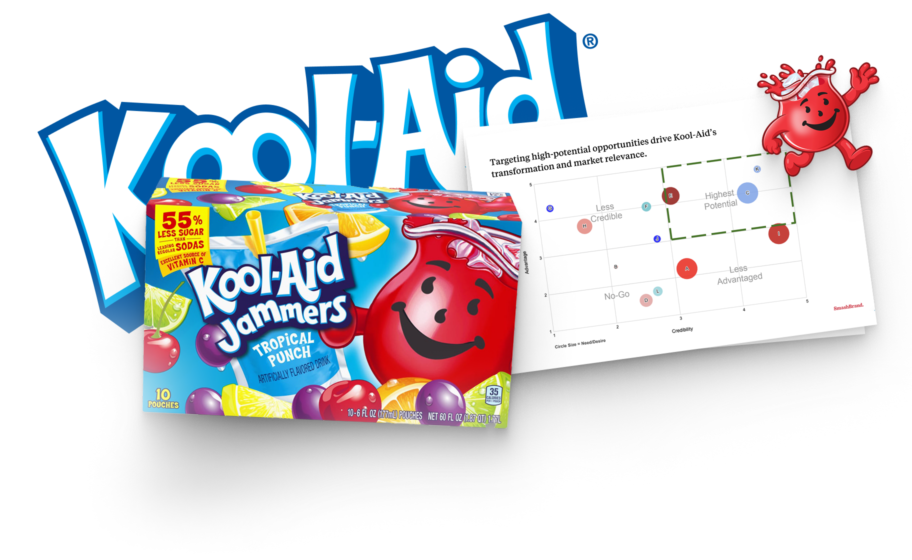
Whether it’s a household name or a small business, existing brands of all sizes have a distinct brand identity with their target market. Whether a complete or partial rebrand, changing your visual identity and storytelling can negatively impact brand recognition with the target audience, putting your current market share ownership at risk.
Uncertain ROI.
Unlike a new brand that must pursue a branding strategy before launch, existing brands have the luxury of letting things be as they are. One common reason for accepting the current look is the lack of a guaranteed return on investment. And it’s a valid concern. You can invest hundreds of thousands of dollars and end up with a failed rebranding outcome, resulting in the same (or worse) revenues.
Negative media attention.
Negative media attention can escalate fast. In today’s environment, a single opinion can gain traction through shares and comments, shaping customer perception before a brand has time to respond. When tied to a new brand identity, that scrutiny becomes a significant risk.
Rebrands that ignore market dynamics or fail to connect the existing brand to the new identity clearly often create customer confusion. Loyal buyers may struggle to reconcile the old brand with the new look, especially if the change feels abrupt or poorly explained.
Once negative coverage takes hold, it can damage a company’s reputation for years. That’s why carefully managing change and anchoring every decision in consumer insight are critical when evolving a brand in the public eye.
Brand confusion.
Many brands mistakenly assume brand memorability is guaranteed once a consumer makes their initial purchase. Failed rebrands often do not know how to quantify which brand assets to retain for recall. A confusing tone of voice and visual identity make the company a head-scratcher for the target audience.

Mixed messaging.
Although most media attention on rebrands centers on visual identity, brand messaging can have the most profound impact. Rebranding risks making the target audience consider conflicting messages as they recall old ones but see new ones. We see this with brand stretching, where a company attempts to reach a broader audience.
Clearing out existing inventory.
In the CPG industry, every comprehensive rebranding effort or simple brand refresh creates a problem in eliminating the current product inventory. When rebranding products, clearing out inventory includes what sits in the warehouse and, more importantly, what exists in retail stores. Having two different packaging designs in the market creates many issues for the brand.
Contractual obligations.
One often overlooked hurdle in rebranding is navigating contractual obligations woven into your brand strategy. Changing these elements could inadvertently breach agreements you have in place with vendors, licensing partners, and even employees. Failure to consider this aspect could lead to legal disputes, financial penalties, and a tarnished reputation, derailing your rebranding efforts before they even get off the ground.
Read More: 24 Rebranding Questions You Must Ask.
Loss of focus.
Rebranding demands substantial time, attention, and financial resources, often at the expense of other marketing initiatives. This shift in focus could weaken your engagement with existing customers or hinder your efforts to attract a new audience. Thus, it is crucial to weigh whether rebranding is the most effective strategy for your business goals.
Team morale
Making a change to the branding can reduce your team’s enthusiasm, which can cost a company in more ways than one. If individuals from your organization are not on board with this decision, they may be less likely to talk about or promote the brand. Even subtle shifts to your brand assets can create disagreements and misalignment.
How to mitigate these risks.
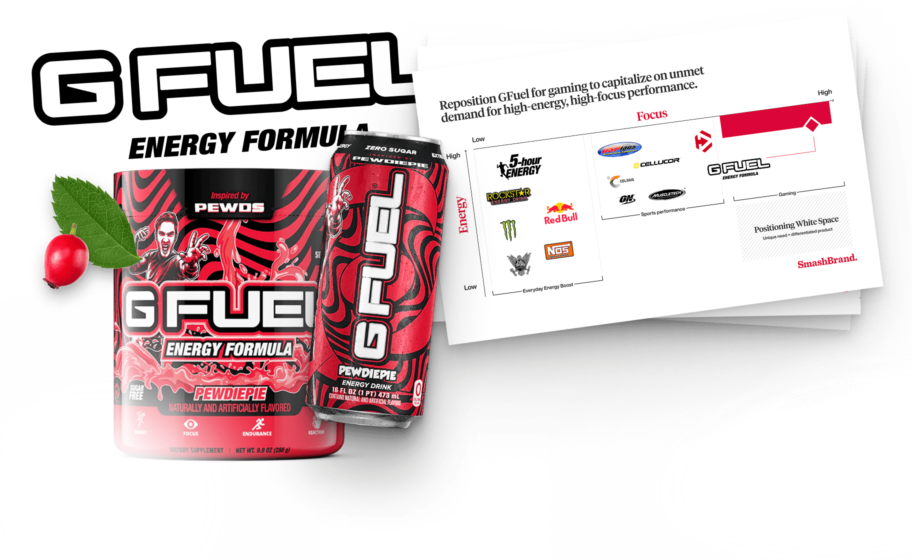
No rebranding strategy is without risks, so eliminating them all is impossible. However, we can significantly reduce the chance of these risks interfering with a successful rebranding effort. Now that you understand the risks, here’s what you can do to minimize their impact throughout the rebranding process.
Protecting brand equity.
Brands can perform market research and brand testing to understand what resonates with the target audience. Then, they can incorporate the testing outcomes into a revenue-generating predictability model to determine the return on investment. Here’s a look at the types of testing a brand can perform.
| Type of Brand Testing | Description |
| Brand Perception Studies | Research to understand how the current brand is perceived to establish a baseline for evaluating the effectiveness of the rebrand. |
| Focus Groups | Use focus groups to gather qualitative insights into customer perceptions of new brand elements like logos, color schemes, and taglines. |
| A/B Testing | Conduct A/B tests to quantify how different variations of brand elements impact consumer engagement and preference. This can be useful when rebranding websites, social media content, and email campaigns. |
| Concept Testing | Present the new branding concepts to a target audience to collect feedback and assess reactions before implementation. |
| Logo Testing | Test the new logo rebrand across multiple platforms and audiences to ensure it effectively communicates the brand message and is well-received. |
| Usability Testing | Ensure all new branded materials, particularly digital interfaces like websites or apps, are user-friendly and intuitive. |
| Recall and Recognition Tests | Measure how well your target audience can recall or recognize the new brand elements compared to the old ones or against competitor brands. |
| Emotional Resonance Testing | Evaluate the emotional impact of the rebranded elements on your target audience. Emotional resonance is crucial for brand loyalty and engagement. |
| Customer Journey Mapping | Understand the impact of the new brand on the customer experience at each touchpoint to ensure a smooth transition and positive reception. |
| Price Sensitivity | Conduct pricing research to align the perceived value of the rebranded entity with your pricing strategy. |
| Internal Testing | Gather feedback from internal stakeholders to ensure employee buy-in, which is critical for a successful rebrand. |
| Social Listening | Use social media monitoring tools to track public perception and look out for potential issues or backlash against the rebrand. |
Increasing ROI certainty.
Beginning with the end in mind is a strategy we advise if the goal is successful rebranding. What outcomes do you need for your investment to be worthwhile? While determining revenue increases is challenging, consumer testing your new concepts can predict purchase intent and brand recall metrics.
Proactive media attention.
Create a proactive PR strategy for your rebranding launch. Get ahead of the media by creating a new brand awareness conversation and a contingency plan with template responses for potential negative commentary.
Preventing brand confusion
Implement a thorough and consistent communication strategy, leaving no stone unturned to introduce the new brand theme and voice to your audience. Use guerilla marketing and multiple channels to ensure the message reaches your audience clearly and comprehensively.
Clarifying messages.
Create a comprehensive set of brand guidelines and provide it to all internal teams, including marketing, sales, and customer service. Then, bring everyone together to ensure they speak the same brand language and use the same brand assets.
Clearing out existing inventory.
Communicate with your retail partners and align yourself with discount channels where you can sell through the inventory as fast as possible. Think of this as an opportunity to get your product in front of new eyeballs with a “better than nothing” chance that they will purchase your newly branded items.
Contractual consideration.
Review all existing contracts for clauses that the rebranding project could impact. Then, consult legal experts to navigate any changes a brand must make or negotiations that need to occur.
Maintaining focus.
Work with an external rebranding agency with the experience and skill set to assist you best. Then, assign a dedicated team to assist with the rebranding campaign, and do not force them to perform a juggling act with other projects. Give the rest of the company the responsibility of focusing on core business activities.
Aligning the team.
Conduct internal workshops and training sessions to align all employees with the new brand. Create a rebrand presentation deck and communicate openly about the reasons behind the rebrand and the new direction the company is taking.
Create a rebranding checklist.
Understanding the risks is only one part of the rebranding strategy. Before engaging in a plan, create a rebranding checklist for this initiative that crosses every t and dot to give you the best chance at succeeding.
Nice Package
Don’t miss out on our monthly newsletter Nice Package!
Each month, we deliver a data-driven newsletter directly to your inbox, unpacking a critical topic in the FMCG & CPG industry.
"*" indicates required fields
Data-driven brand development that can guarantee sales performance.
If you need a rebrand with performance predictability, we can help. SmashBrand is a brand development agency that researches, designs, and tests all products to ensure peak shelf performance. Book a time to discuss your project with our team.

A seasoned veteran in the CPG (Consumer Packaged Goods) industry, Jason Vaught brings a wealth of knowledge and hands-on experience as the director of content and marketing for SmashBrand. His comprehensive role at the forefront of brand communication ensures that CPG brands remain well-informed about the suite of services SmashBrand offers. Furthermore, his insights derived from the company's strategy, design, and testing services are invaluable to brand owners and managers seeking expert guidance.
From his early endeavors in launching a successful sports nutrition brand that gained prominence in significant bodybuilding and fitness retail spaces to his entrepreneurial ventures in kick-starting multiple brick-and-mortar and e-commerce startups across diverse industries, Jason's career is studded with substantial milestones. Notably, he has innovated numerous products later embraced by leading industry brands, showcasing his knack for anticipating market demands and setting trends.
Jason's journey in the CPG industry commenced at age 21. Over the years, he has worn multiple hats, ranging from a manufacturer and retailer to a distributor and brand owner. This multifaceted experience equips him with the rare ability to offer practical advice grounded in real-world expertise. His mission is to guide and support other CPG brand owners, directors, and managers on their path to success.
Subscribe to
Nice Package.
SmashBrand’s Nice Package: Stay current with our latest insights
Free Resource.
CPG product repositioning guide.
Explore the five undeniable signs your CPG product needs repositioning along with strategies for leveraging consumer insights for a guaranteed market lift.
Download Whitepaper About CPG product repositioning guide.