
 Overview
Product branding infiltrates our daily lives, whether it’s the coffee cup from your favorite brand, the toothpaste on a grocery store shelf, or smartphone ads. This comprehensive guide will teach you what product branding is, its essential elements, and what makes a highly impactful product branding strategy.
Product branding applies branding principles to a specific product. It includes associating a symbol, name, and design with a product to create a recognizable identity for that item. This helps differentiate the product from competitors, giving it a unique personality and identity that resonates with customers.
Research shows a staggering 55% of brand first impressions are visually driven. Focusing on these initial impressions is vital for converting your target audience into loyal customers. Whether you’re an emerging small business or a well-established brand, this article offers invaluable insights to enhance your approach.
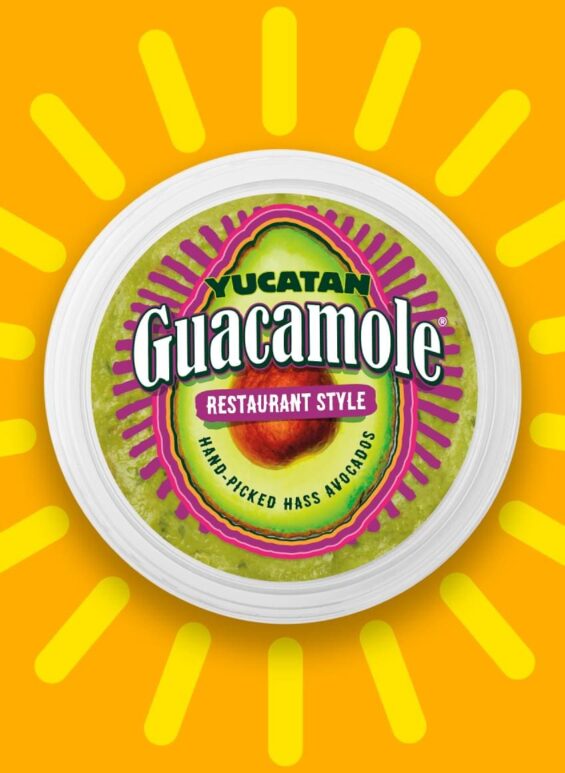
What is product branding?
Product branding involves more than creating a brand; it’s about developing a unique identity that sets the product apart in the market. If a customer can pick your product out of five protein powders without hesitation, it indicates effective branding. This same principle applies across categories, from everyday consumer goods to premium products like watches under $2000, where design, identity, and perceived value often influence purchasing decisions.
A strategic product branding approach ensures that consumers understand what a product represents, even if they have not experienced it firsthand. By leveraging the emotional impact of branding, retailers can establish strong connections with potential customers, influencing purchasing decisions and guiding them toward sales. For example, a brand may launch sugar-free ice cream to target health-conscious customers.
Product Branding vs Corporate Branding
Product branding focuses on individual products, emphasizing unique features and benefits to target consumers. For example, a brand like PRIME focuses on its products, highlighting their taste, quality, and brand recognition. This approach is practical for products with a solid competitive advantage.
In contrast, corporate branding encompasses the company’s values, mission, and reputation. It targets a broader audience, including stakeholders, partners, and the general public. Whole Foods Market’s corporate branding is closely tied to its focus on organic, natural, and ethically sourced foods.
Key differences include the focus, target audience, and longevity of branding efforts. Product branding focuses more on the product, while corporate branding centers on the company’s overall image and values. Product branding targets ideal consumers, whereas corporate branding targets broad awareness, including stakeholders and partners. Product branding is often short-lived, whereas corporate branding aims to create a lasting impression and build a strong reputation over time.
Why is Product Branding Necessary?
Effective product branding is crucial for CPG brands looking to stand out in a crowded market. Consider Hubert Lemonade’s clean, minimal bottle design featuring a playful, winking lemon and a readable brand name. This approach catches the eye and builds a strong emotional connection, fostering customer loyalty and trust. Brands like Nestlé and Kellogg’s have masterfully leveraged their identities to cultivate enduring customer relationships, showcasing the power of effective branding.
In e-commerce, branding significantly influences purchasing decisions. AmazonBasics, for instance, has utilized strong branding to build trust and credibility with online shoppers. Similarly, Evian’s minimalist bottle design highlights the purity of the Alps, delivering a clear and compelling message to its target audience.
At SmashBrand, we understand that being wrong is expensive. Our data-driven methodology guarantees your product will stand out and succeed in the market. Our 3-in-1 stage-gated workflow integrates strategy, design, and consumer-tested insights to ensure your brand resonates with your audience at every touchpoint. By leveraging our integrated process, we eliminate the subjectivity and guesswork that often plague traditional branding efforts. With our performance guarantees, we deliver measurable results that drive sales and build lasting customer loyalty.
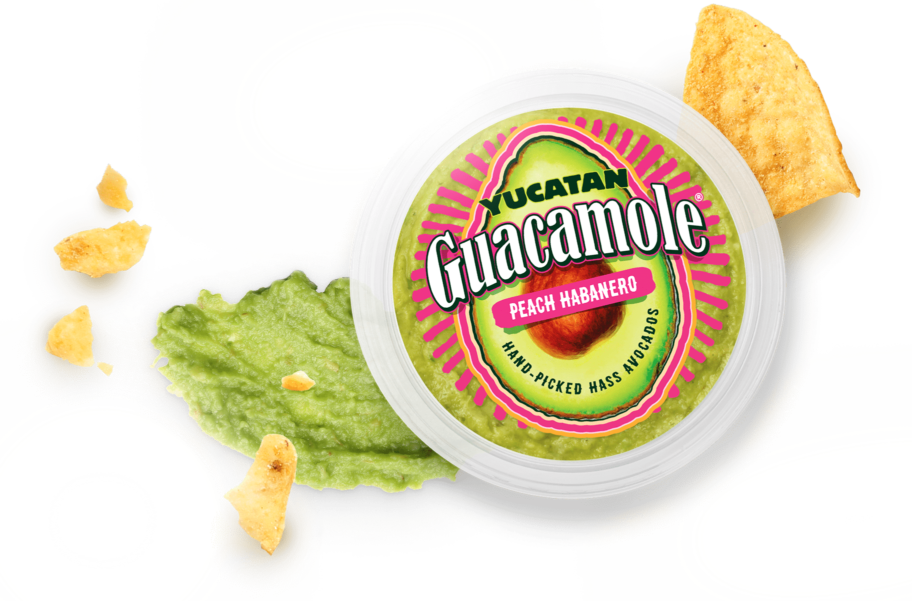
Critical Components of Product Branding Strategy
Product branding involves six essential components contributing to a company’s success: boosting brand awareness, equity, and trust. These components include:
Brand Identity: Includes the name, logo, tagline, and other visual elements that distinguish the product from its competitors. For instance, the image of Colonel Harland Sanders is the most recognizable element of the KFC logo and integral to its brand identity.
Packaging Design: It attracts consumers and conveys the brand’s message. A solid visual impact requires eye-catching designs, unique shapes, and color schemes. An example is the iconic shape and color scheme of Subway and Taco Bell, which have become synonymous with the brand.
Brand Values: A brand’s values and principles are essential in connecting with consumers. For instance, Ben & Jerry’s is famous for its commitment to social justice and environmental sustainability. Their core values are deeply embedded in their sourcing practices, flavors, and activism efforts, advocating for climate change .
Brand Messaging: Selecting the correct language and communication style to convey the brand’s story and value proposition is essential. For instance, Acid League strives to take customers on a journey and evoke their emotions. The brand’s messaging goes beyond simply listing features, aiming to create a narrative that connects with customers and distinguishes it from other brands.
Product Quality and Consistency: Product quality and consistency directly impact the brand’s customer satisfaction, loyalty, and success. It builds trust and loyalty, enhances the brand reputation, reduces cost by minimizing returns, and increases perceived value.
Brand Differentiation: It is essential to establish what sets a product apart from its competitors. For instance, Beyond Meat offers plant-based meat alternatives that cater to dietary preferences such as gluten-free, vegan, and organic, and has carved out a devoted customer base by aligning with evolving consumer demands.
Key Elements of Effective Product Branding
Effective product branding is based on four essential elements: product packaging, logo design, graphic design, and brand voice. Businesses must establish clear brand guidelines to ensure consistency of these elements when launching their strategies. Companies must also incorporate product-branding best practices into their website design to maintain consistency and avoid confusion.
Role of Product Packaging in Branding
The primary purpose of packaging is to protect the product inside, but it is also the first point of contact between the product and the target customer. Therefore, companies must invest in effective packaging design that aligns with their brand voice and personality. A good packaging design can quickly grab the attention of potential customers on a retail shelf. It encourages them to pick up the product that is especially essential in crowded marketplaces where products are often grouped.
A unique performance-enabled packaging design sets the product apart from competitors, making it easier for potential customers to identify and choose it. It is also an easy way to display essential product information, such as ingredients, nutritional details, and usage instructions, helping to manage customer expectations and promote satisfaction.
Significance of Logo Design and Graphic Design in Branding
A well-designed logo is instantly recognizable and leaves a lasting impression, making it easier for customers to recall your brand when making a purchase. This instant recognition is crucial in today’s fast-paced and competitive market, where brands are constantly vying for attention. An attractive logo conveys trust and credibility, signifying that your business is established, reliable, and committed to quality.
A meaningful logo sets the tone for brand perception, communicating key details about your company through color, shape, and font. It is versatile and adaptable, ensuring it looks great across various channels in different sizes and formats. Graphic design provides consistency across all touchpoints, including websites, social media, brochures, and packaging. This consistency creates a unified and memorable brand experience for customers, making it easier for them to recognize and engage with your brand.
Establishing The Brand Voice Along with Brand Guidelines
Establishing a coherent brand voice and guidelines is crucial in product branding. Brand voice is the unique tone, language, and style used to communicate with the target audience. It reflects the brand’s values and personality, differentiates the product, and creates emotional connections. Whole Foods Market, a renowned food brand, is dedicated to organic and natural foods, community involvement, and ethical sourcing, reflected in its brand voice.
Wendy’s, known for its sassy and humorous social media tone, uses a consistent brand voice across all platforms, from X to Instagram. This consistency helps build trust and recognition, making it easier for customers to connect with the brand. Establishing a coherent brand voice is also essential for multi-product branding. It ties different products and product lines together in a single umbrella. For instance, General Mills, which offers a wide range of food products, can use a consistent brand voice across all products, from Cheerios to Yoplait.
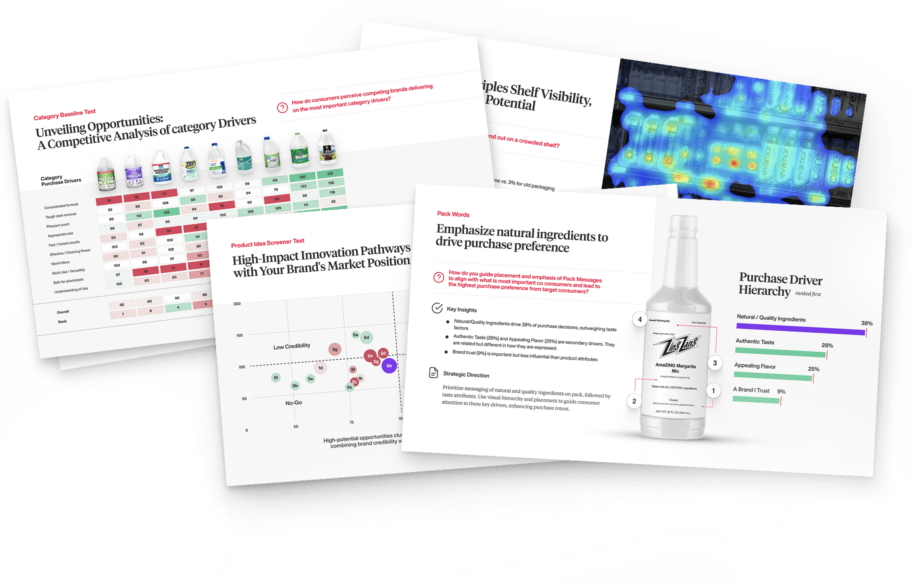
What Makes a Strong Product Brand?
A solid product brand effectively communicates its unique value proposition and stands out in a crowded market. It includes a clear brand identity, impactful messaging, and memorable packaging. For example, LaCroix, a famous sparkling water brand, was successfully rebranded by emphasizing its natural ingredients and eco-friendly packaging, which appealed to health-conscious consumers. These brands demonstrate the importance of staying relevant and adapting to changing consumer preferences through strategic rebranding efforts.
A strong product brand can be achieved by:
Emphasizing Unique Selling Points (USPs): Highlight what sets your product apart, such as natural ingredients or eco-friendly packaging.
Consistent Messaging: Ensure that all product branding and marketing efforts, including packaging, advertising, and promotional materials, convey a clear, consistent brand message.
Memorable Packaging: Designing packaging that stands out on store shelves and resonates with the target audience.
Ecommerce Integration: Ensuring a seamless brand experience across online and offline channels.
Continuous optimization: Monitor consumer preferences and adapt the brand strategy to stay relevant.
Building a Strong Product Brand
Developing a solid product brand is not easy. It requires a step-by-step approach supported by a risk-mitigation strategy. Follow these steps to create a unique brand identity, differentiate it from competitors, and build strong brand loyalty.
Develop the Brand Purpose
Explain how this isn’t in terms of a mission statement but in how consumers should perceive you. Focus on the values and mission that set it apart from others. Ask simple brand development questions, such as why this is the only product in the market. What problem does it solve? How does it make the customer’s life better? Develop a clear brand purpose. Use market research to find similar products and compare them with your offering.
Assess Existing Competitors and Emerging Brands
Use market research data to identify direct and indirect competitors. Study their branding strategies and identify their strengths and weaknesses. Understand how customers perceive these brands, their primary offerings, and how you can compete with them. Competitive analysis is critical to product branding because it identifies white-space opportunities and ways to enhance positioning against competitors.
Determine Your Primary and Secondary Target Audiences
Create detailed buyer personas and develop unique profiles of your target audience. Run two search sweeps when identifying your product’s primary and secondary target audience. The first is a crude search that identifies a general audience relevant to your product and offering. The next is a precise sweep that segments the target audience by demographics, psychographics, cultural attachments, needs, and interests. Identify your direct and indirect buyers. Identify the ideal target audience and the next tier or two beyond it.
Build Out Your Brand Strategy
A winning brand strategy is built on clarity, not opinion. Start by grounding decisions in audience insight and competitive reality, then define a focused vision for your product identity. Understanding the difference between corporate branding vs product branding matters here, because what wins on shelf is precision. So ask the right questions: what is a product brand, what is product branding, and ultimately what is product branding and how to build a strong brand. The answers determine the perceptions you earn, and the ones you own.
Create Compelling Content
Compelling content builds brand value by making your product useful before it’s persuasive. Develop content that educates and inspires the target audience instead of a dry sales pitch. The goal is to strengthen brand image and establish a unique identity through clarity, not hype.
The best branding examples educate, clearly define the product brand, show why it exists, and prove how it helps. That’s the real product branding definition: content that explains benefits in plain language, reinforces trust, and makes product branding easier to recognize, understand, and choose.
Construct a Compelling Brand Story
A strong brand story is direction. It clarifies brand positioning, sharpens your marketing strategy, and ensures your corporate brand shows up with purpose. When product branding matters, the story must reflect real consumer value, not aspiration. Strong product branding is built through consistency across every touchpoint, so what you say, show, and sell reinforces a clear reason to choose your product.
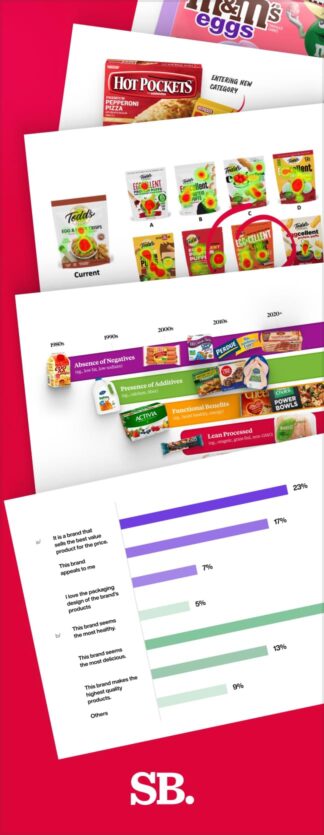
Nice Package
Don’t miss out on our monthly newsletter Nice Package!
Each month, we deliver a data-driven newsletter directly to your inbox, unpacking a critical topic in the FMCG & CPG industry.
"*" indicates required fields
Data-Driven Branding For CPG Brands
SmashBrand is a data-driven brand development agency built for CPG leaders who need the brand of the product to perform where it matters most: at the shelf. We remove subjectivity from product branding decisions because product branding matters. The right brand product doesn’t just look good; it converts.
Our PathToPerformance™ process integrates strategy, design, and testing to de-risk a product’s branding and optimize it before launch. If you’re looking for a branding agency that guarantees performance, book a call with us to build a brand that wins in the market.

A seasoned veteran in the CPG (Consumer Packaged Goods) industry, Jason Vaught brings a wealth of knowledge and hands-on experience as the director of content and marketing for SmashBrand. His comprehensive role at the forefront of brand communication ensures that CPG brands remain well-informed about the suite of services SmashBrand offers. Furthermore, his insights derived from the company's strategy, design, and testing services are invaluable to brand owners and managers seeking expert guidance.
From his early endeavors in launching a successful sports nutrition brand that gained prominence in significant bodybuilding and fitness retail spaces to his entrepreneurial ventures in kick-starting multiple brick-and-mortar and e-commerce startups across diverse industries, Jason's career is studded with substantial milestones. Notably, he has innovated numerous products later embraced by leading industry brands, showcasing his knack for anticipating market demands and setting trends.
Jason's journey in the CPG industry commenced at age 21. Over the years, he has worn multiple hats, ranging from a manufacturer and retailer to a distributor and brand owner. This multifaceted experience equips him with the rare ability to offer practical advice grounded in real-world expertise. His mission is to guide and support other CPG brand owners, directors, and managers on their path to success.
Subscribe to
Nice Package.
SmashBrand’s Nice Package: Stay current with our latest insights
Free Resource.

CPG product repositioning guide.
Explore the five undeniable signs your CPG product needs repositioning along with strategies for leveraging consumer insights for a guaranteed market lift.
Download Whitepaper About CPG product repositioning guide.