
 Overview
Studies show that about four out of five customers prefer to purchase from a brand they trust. Therefore, companies should focus on developing their product positioning strategies to build this level of trust. An efficient product positioning template can make all the difference between tremendous success and disappointing mediocrity.
If you find it difficult to distinguish your product from others and explain its unique value to potential customers, or if your market positioning strategy isn’t working well and leaves you feeling unenthused and disengaged, it’s the ideal time to begin working on your product positioning strategy.
This article will discuss how to craft an effective market positioning template that resonates with your audience. You will learn to showcase your product’s strengths and build trust among target consumers. You will also learn efficient product management techniques that boost your marketing efforts.
So, are you ready to learn the art of strategic product marketing? Do you want to learn how to effectively position your offerings as a must-have solution in a crowded market landscape? If so, keep reading!

Elements of Product Positioning Template
A compelling product positioning template is built on some fundamental elements. Each plays a distinct role in positioning your product within a particular market landscape. We will discuss these components in detail, understand their significance, and explore how they contribute to your brand’s success.
Target Audience
Knowing the target audience is the cornerstone of your positioning blueprint. An effective product positioning template begins with understanding the target audience. These are the individuals whose needs, desires, and pain points will shape the very essence of your offerings.
Your product must be the perfect solution, seamlessly aligning with the audience’s specific challenges and aspirations. Defining the target audience up front helps craft a positioning statement that resonates, forging an unbreakable connection with your ideal customers.
Market Segmentation
Focusing on a niche audience is a smarter approach to positioning your product than competing with a large pool of brands. Companies must segment their target audience based on demographics, psychographics, and interests. It gives them a strategic advantage, enabling them to position their product as an undisputed leader. This critical step within the marketing strategy enables companies to tailor their brand identity, messaging, and overall approach to resonate with their audience’s specific needs and preferences.
Unique Value Proposition
A unique value proposition is the heartbeat of an effective brand positioning template. Your product and brand must not sound like another “me too” burger or drink in the market. There must be a reason behind it, which becomes its unique selling proposition. For instance, Celsius has positioned itself as a healthier energy drink alternative, focusing on natural ingredients, no sugar, and clinically proven benefits.
A value proposition with distinctive features and benefits sets you apart, making your offering exceptional. It is why UVP takes center stage in the product positioning template, commanding attention and igniting a desire for ownership. Crafting a unique selling proposition also requires a deep understanding of the target market, customers’ pain points, and an unwavering commitment to delivering unparalleled solutions.
Customer Pain Points
Understanding your customer’s pain points is the key to creating a successful product. These pain points are the challenges, frustrations, and roadblocks that prevent them from progressing. An effective product positioning template must provide a clear path for customers to find the solution they need. By accurately addressing their pain points, you can create a compelling story that resonates more deeply with them. It will position your product as the ultimate solution to their problems, making them more likely to choose it.
Company and Product Differentiators
Unique differentiators genuinely set your product apart and become the pillars of your brand’s position. It could be a groundbreaking technology, a customer-centric approach, or a seamless user experience. Whatever the case, identifying and amplifying these differentiators is critical to capturing your target audience’s attention and loyalty. For instance, Treasury Wine Estate launched the 19 Crimes AR app. It allowed users to point their smartphone camera at the wine label, bringing the prisoners to life and letting them tell their stories.
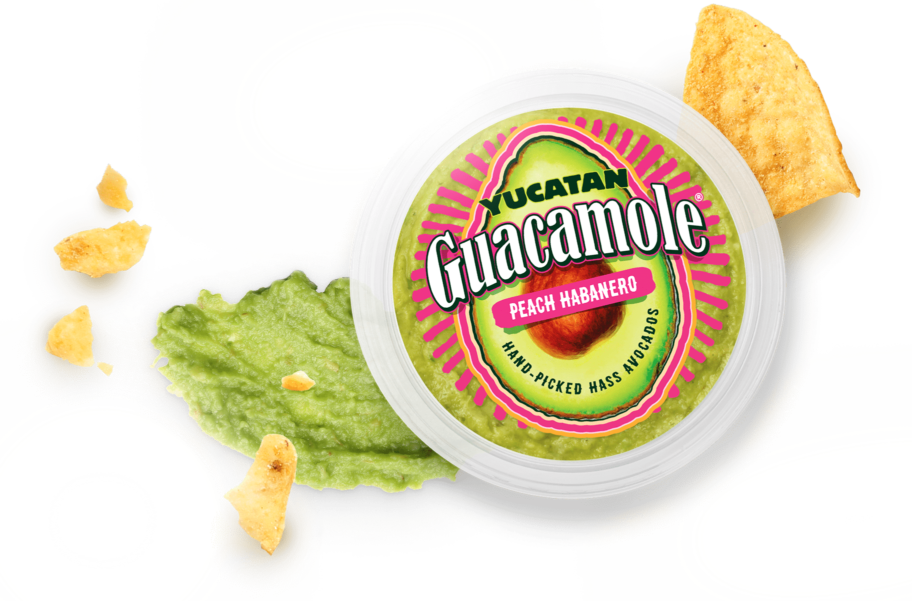
Developing the Product Positioning Strategy
When positioning your brand, it’s essential to have a deep understanding of your target audience. Start by creating a detailed profile of your ideal customer that goes beyond basic demographics and includes their values, aspirations, and lifestyle. This persona will help you craft a brand positioning statement that speaks directly to your target audience meaningfully.
The next step is to conduct thorough market research. It involves delving deep into your market to gather insights, identify trends, and decode consumer behavior. This information will help you position your product in the market. Analyzing customer pain points and needs is essential because these factors drive demand for your offering.
With this knowledge, the product manager can strategically plan the product development process by aligning the product positioning template with the audience’s core values. It will help illuminate the path to achieving the product’s goals.
Crafting Buyer Personas
Creating buyer personas boosts the chances of success. Defining key persona elements such as demographics, psychographics, and behaviors is essential. These personas help companies understand their target audience, pain points, desires, and motivations. Use this deep understanding of buyers to guide your product strategy.
Align your mission statement and product goals with the personas. Leverage buyer insights to create messaging that truly resonates with your audience. Embracing buyer personas will help you establish your brand as a trusted partner for your audience. Create a mind map of each persona using tools like aha software and integrate buyer inputs throughout the project management process.
Crafting a Unique Value Proposition
A value proposition communicates your product’s core benefits and value to the target customer. Crafting a compelling value proposition is crucial to your strategy and brand positioning framework.
The critical components of a strong value proposition include:
- Clearly defining the target customer
- Articulating the specific pain points or needs addressed
- Highlighting the unique benefits and value provided
- Using persuasive language that resonates emotionally
Seventh Generation is a brand that focuses on sustainability and eco-friendliness. The company’s value proposition is centered around these principles, reflected in the packaging design, which uses sustainable materials. This helps communicate the brand’s environmental commitment to customers.
Similarly, Honest Tea is a beverage brand that prides itself on being authentic, transparent, and honest. The brand uses clean, simple packaging to reinforce this unique positioning and showcase its commitment to honesty and transparency.
Differentiating Your Product
Use the following techniques to distinguish your product from competitors and secure a unique position in the market.
- Focus on Unique Features or Benefits: When marketing your product, highlight its unique features, superior quality, or specialized capabilities to stand out from competitors.
- Offer Customization or Personalization: Customers can enhance their product by personalizing it with colors, materials, and add-ons, creating a sense of ownership and a tailored experience.
- Leverage Packaging and Branding: Design packaging that showcases brand identity, product features, quality, or sustainability efforts.
- Focus on a Niche or Underserved Market: Identify an underserved customer segment and cater to its unique needs. This will allow you to become the go-to provider for that niche market.
- Superior Customer Experience: Provide exceptional customer service, support, and overall buying or usage experience. It can include easy returns, personalized recommendations, or seamless digital experiences.
- Emphasize Sustainability or Social Impact: Position your product as environmentally friendly, ethically sourced, or socially responsible to appeal to consumers who value these qualities.
Crafting The Product Positioning Statement
To develop an effective product positioning statement, start by covering the key elements. These include:
- Target customer
- Market category
- Key benefit
- Differentiator
Next, your marketing team should brainstorm and develop an initial draft using a positioning statement template. Consider compelling examples like Gatorade’s “For athletes, Gatorade is the thirst quencher and replenisher that rehydrates and fuels performance better than water.”
The draft statement then goes through iterations. Test it with focus groups, analyze feedback, and refine it. Don’t be afraid to start over if needed. A solid final statement positions your brand on the positioning map.
For the food industry, thinkThin’s “For health-conscious snackers, thinkThin is the nutritious protein bar offering guilt-free indulgence” exemplifies a compelling positioning statement example. Continuously evaluate the relevance of your statement as your marketing strategy evolves. An impactful positioning statement is the cornerstone of your brand’s identity.
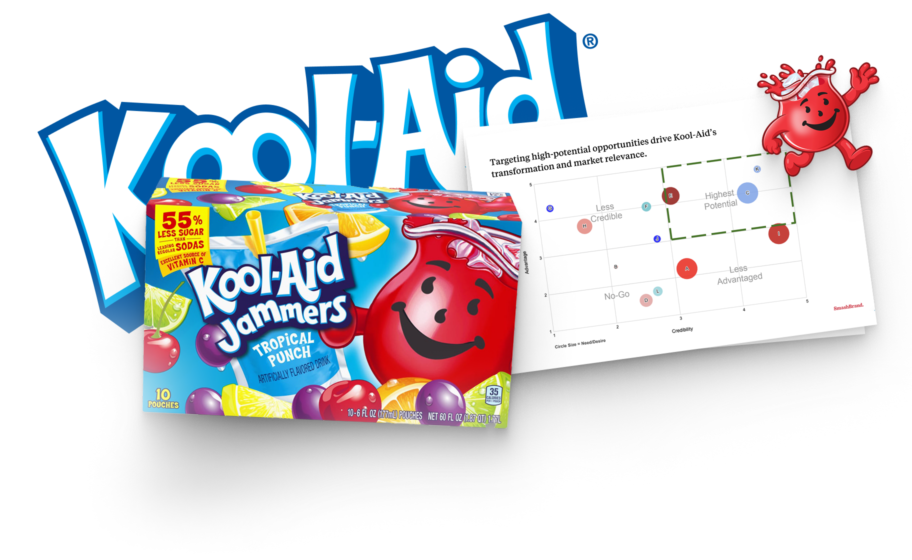
Implementing The Product Positioning Strategy
After devising an effective product positioning strategy, the next crucial step is its implementation. This stage is critical since companies may encounter various challenges. The following steps ensure a smooth implementation process of the strategy:
Aligning your marketing and sales efforts
A well-crafted positioning statement is crucial for aligning your marketing and sales efforts with your product strategy. It lays the foundation for consistent messaging across all customer-facing materials, from website copy to sales presentations. Providing relevant templates and guidelines ensures your brand message remains cohesive and consistent across all channels. This alignment helps build brand awareness and fosters brand equity.
Communicating your positioning internally
To ensure your brand’s message is communicated consistently, it’s vital to share your positioning internally with your employees. Conduct training sessions and provide strategy templates to ensure that everyone in your organization, from product teams to customer support, understands and can articulate your positioning effectively. It will help you amplify the impact of your brand’s message.
Monitoring and adjusting your positioning over time
Positioning isn’t static. Markets shift. Customer expectations evolve. New competitors redefine the category. Ongoing evaluation keeps your brand aligned with real demand, not internal assumptions. Review feedback, share of voice, and category dynamics to identify emerging pain points and shifting priorities. Revisit your value proposition canvas to confirm your unique feature still matters.
A good positioning statement should remain sharp, relevant, and defensible. When needed, your product team must refine messaging without drifting from strategy. Protect personal information in data collection, but never ignore the signals. Adapt with intent. Strengthen equity through disciplined evolution.
Measuring Success
Performance is the proof of positioning. Define KPIs tied directly to business objectives, conversion, velocity, penetration, and engagement, not vanity metrics. A disciplined strategic planning process connects your positioning statement template to measurable outcomes. Your messaging and positioning template should translate brand messaging into metrics that reflect real customer expectations and buying behavior.
Go further than surface reporting. Use competitive analysis to benchmark shifts in share, search visibility, and shelf impact. Apply a positioning map template for grocery stores to visualize competitive advantage in real retail contexts. A pragmatic marketing positioning document includes statement examples tied to performance benchmarks so you know not just what you claim, but whether it’s winning.
Analyzing customer feedback and engagement
Collecting qualitative data from customer surveys, reviews, and support interactions can offer valuable insights into how well your brand positioning resonates with customers. Monitor sentiments and engage with customers across digital channels to understand their perception of your brand position. Using voice-of-customer data can help you identify areas for improvement or opportunities to reposition your brand.
Iterating and optimizing your positioning
Positioning is an ongoing process, not a one-time exercise. Continuously evaluate the effectiveness of your strategy template using the KPIs and customer feedback. Don’t hesitate to iterate and optimize your positioning if data indicates a need for recalibration. Stay agile and adapt to changes in customer needs, market dynamics, or competitor moves to maintain a strong brand position over time.
Consistently measuring success, analyzing feedback, and optimizing your approach will ensure that your brand positioning strategy remains relevant and impactful, driving long-term growth in an ever-evolving digital marketing landscape.
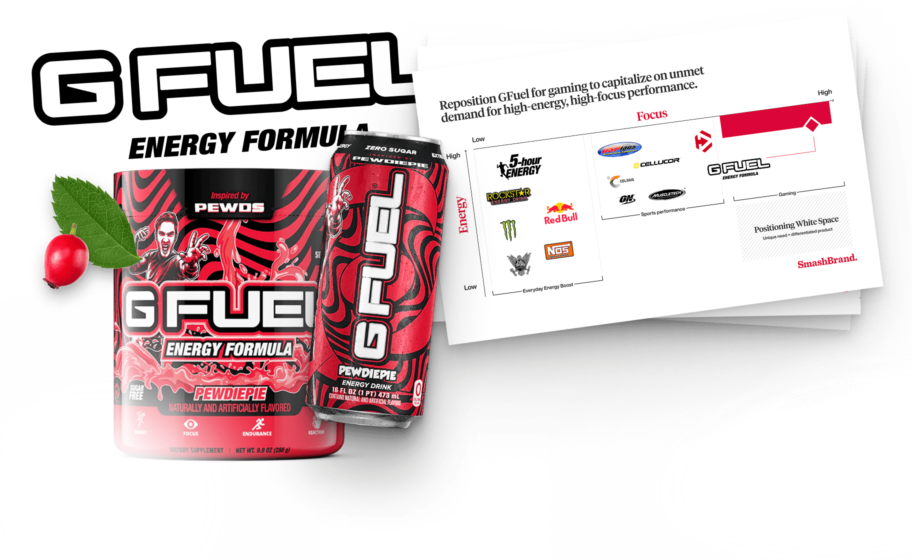
Product Positioning Key Takeaways
Know Your Audience: Positioning starts with evidence. Identify real purchase drivers, unmet needs, and decision barriers. A strong product positioning framework is built on how consumers actually choose, not how brands hope they do.
Differentiate with Precision: Define an ownable value proposition grounded in reality. Your brand positioning document should clarify why you win versus competitors, not just how you’re different.
Segment with Intent: Not all growth is equal. Use a disciplined product positioning template to prioritize the audiences with the highest ROI and tailor messaging accordingly.
Solve the Right Problem: Map pain points to clear reasons to believe. A positioning document template should connect functional benefits to emotional triggers that drive selection.
Build Trust Through Clarity: Consistency across packaging and messaging reinforces credibility. A rigorous brand positioning template ensures that what you claim is visible, believable, and motivating on the shelf.
Articulate It Simply: Distill everything into a focused, compelling positioning statement. If it can’t fit into a clear product positioning framework, it won’t win in the market.
Nice Package
Don’t miss out on our monthly newsletter Nice Package!
Each month, we deliver a data-driven newsletter directly to your inbox, unpacking a critical topic in the FMCG & CPG industry.
"*" indicates required fields
Uplift Your Product Positioning With a Data-Driven Approach
SmashBrand is a data-driven product positioning agency that builds impactful positioning strategies. Our integrated process replaces guesswork and static product positioning templates with real-world validation. Every product positioning document we create is grounded in behavioral data, so your strategy works where it counts: at the shelf.
Our Path To Performance™ process pressure-tests your product marketing positioning framework before launch. We refine your product positioning statement template through iterative testing, not theory. If you’re ready to move beyond generic product marketing positioning templates, book a call, and let’s build positioning that drives measurable growth.

A seasoned veteran in the CPG (Consumer Packaged Goods) industry, Jason Vaught brings a wealth of knowledge and hands-on experience as the director of content and marketing for SmashBrand. His comprehensive role at the forefront of brand communication ensures that CPG brands remain well-informed about the suite of services SmashBrand offers. Furthermore, his insights derived from the company's strategy, design, and testing services are invaluable to brand owners and managers seeking expert guidance.
From his early endeavors in launching a successful sports nutrition brand that gained prominence in significant bodybuilding and fitness retail spaces to his entrepreneurial ventures in kick-starting multiple brick-and-mortar and e-commerce startups across diverse industries, Jason's career is studded with substantial milestones. Notably, he has innovated numerous products later embraced by leading industry brands, showcasing his knack for anticipating market demands and setting trends.
Jason's journey in the CPG industry commenced at age 21. Over the years, he has worn multiple hats, ranging from a manufacturer and retailer to a distributor and brand owner. This multifaceted experience equips him with the rare ability to offer practical advice grounded in real-world expertise. His mission is to guide and support other CPG brand owners, directors, and managers on their path to success.
Subscribe to
Nice Package.
SmashBrand’s Nice Package: Stay current with our latest insights
Free Resource.
CPG product repositioning guide.
Explore the five undeniable signs your CPG product needs repositioning along with strategies for leveraging consumer insights for a guaranteed market lift.
Download Whitepaper About CPG product repositioning guide.