
 Overview
Is Gatorade really the best energy drink brand in the world? What about Red Bull or Monster? The truth is that these brands have a robust product positioning framework. For example, consider Gatorade’s brand positioning: “Water wasn’t made for this.” It is a powerful reminder that the body needs more than just water. It requires the electrolytes, sodium, and potassium of Gatorade No Sugar.
Instead of immediately entering the market, brands like these first look for untapped opportunities. They develop strategies to position themselves for those opportunities. As a result, these companies experience significant growth in sales and revenue. A strong product positioning strategy is like a masterful chess strategy; it captures the hearts of your target audience.
It creates an irresistible connection with your ideal customer. Achieving this level of resonance requires a systematically designed product positioning template. One that explicitly aligns your unique value proposition with your target market’s desires. This guide will discuss a proven product positioning framework that will skyrocket your product’s performance on the shelves.

Essential Elements of Product Positioning
A practical product positioning framework is the heart of a solid strategy. It works like a compass, guiding every decision and ensuring your product resonates with your target audience. A compelling product brand positioning strategy consists of the following key elements:
Vision
This overarching direction sets your product’s future path and keeps the brand focused on long-term goals. For example, Dove’s commitment to celebrating real beauty has influenced its product line and messaging, connecting with women seeking genuine representation.
Mission
While the vision represents the destination, the mission outlines its path. It outlines the practical steps to bring your vision to life. Tide’s mission is to “care for the clothes that care for your family,” which aligns with its commitment to developing innovative cleaning solutions.
Market Category
It is crucial to clearly define your market and the key customer segments you serve. This understanding allows the brand to tailor its positioning to address customers’ needs and desires. For example, Gatorade’s focus on the sports and fitness market has shaped its product development and brand positioning.
Tagline
A well-crafted tagline is a powerful tool for encapsulating your brand’s essence in a memorable phrase. Liquid Death’s tagline, “Murder Your Thirst,” has become an iconic representation of their brand. It is specifically tailored to millennials and Gen Z, who appreciate humor, authenticity, and brands that don’t take themselves too seriously.
Customer Challenges
Companies must identify and address their target customers’ major pain points and challenges. This insight enables them to position their product as the only solution the customer seeks. Procter & Gamble’s Tide Pods revolutionized the industry by eliminating the challenge of messy, time-consuming laundry detergent handling.
Company and Product Differentiators
What distinguishes your company and product from the competition? It’s important to highlight these unique, value-creating characteristics to establish a strong market position. Apple’s focus on seamless user experience and innovative design has set it apart in the tech industry.
Brand Essence
The core attributes and values you want your brand to be known for should be clearly defined. These characteristics shape your brand’s identity and guide all customer interactions. Patagonia’s brand essence revolves around environmental sustainability and ethical manufacturing, resonating deeply with eco-conscious consumers.
Incorporating these elements into your product positioning framework creates a comprehensive strategy that guides product managers and aligns your organization. This cohesive approach ensures that every touchpoint, from product development to customer service and marketing, consistently reinforces your brand’s position.

Understanding the Target Audience
Understanding the target audience is the first step in creating a practical product positioning strategy. It forms the basis for developing a strong product brand positioning that truly connects with your ideal customers. Without a thorough understanding of your target customer, your product marketing efforts may not reach the right audience, resulting in a mismatch between your offering and your target market’s needs. Understanding the target market before formulating the strategy has the following benefits:
- Tailored value proposition
- Accurate market segmentation
- Differentiation from competitors
- Effective communication
- Continuous improvement
Consider Sephora’s position in the cosmetics industry. The company conducted thorough market research and customer analysis to identify a target audience of beauty enthusiasts. With this understanding, Sephora developed a brand positioning framework that highlights its knowledgeable staff, in-store experiences, and a comprehensive product range designed for various skin tones.
Sephora set itself apart from competitors and built a loyal customer base by aligning its positioning with its target audience’s desires. The brand’s dedication to gathering customer feedback and adjusting its offerings and in-store experiences continuously reinforced its status as a top choice for beauty enthusiasts.
Defining the Target Customer
Companies must first define their target customer segment. This process involves analyzing demographic factors, lifestyle traits, and purchasing behaviors to pinpoint the segment that aligns with their offering. Once businesses identify their target market, the next step is to segment it into distinct groups based on shared characteristics, needs, and preferences. This segment allows brands to tailor their product, messaging, and marketing efforts.
For instance, a healthy snack brand may segment its target market based on health consciousness, dietary restrictions, and convenience-focused lifestyles. Creating detailed customer personas is a powerful tool that brings these segments to life. Personas are fictional representations of the ideal customers, complete with names, demographics, goals, pain points, and buying behaviors.
Conducting Market Research
Market research involves analyzing competitors’ strengths, weaknesses, and positioning strategies. It enables companies to ideally differentiate their offerings. Gathering customer feedback through surveys, focus groups, and social media monitoring provides valuable insights into the audience’s preferences, pain points, and buying behaviors.
Feedback like this informs the market positioning and product development. Market research is also a powerful tool to identify emerging market trends and opportunities, allowing companies to stay ahead of the curve and tailor their positioning to capitalize on these shifts.
Developing The Positioning Strategy
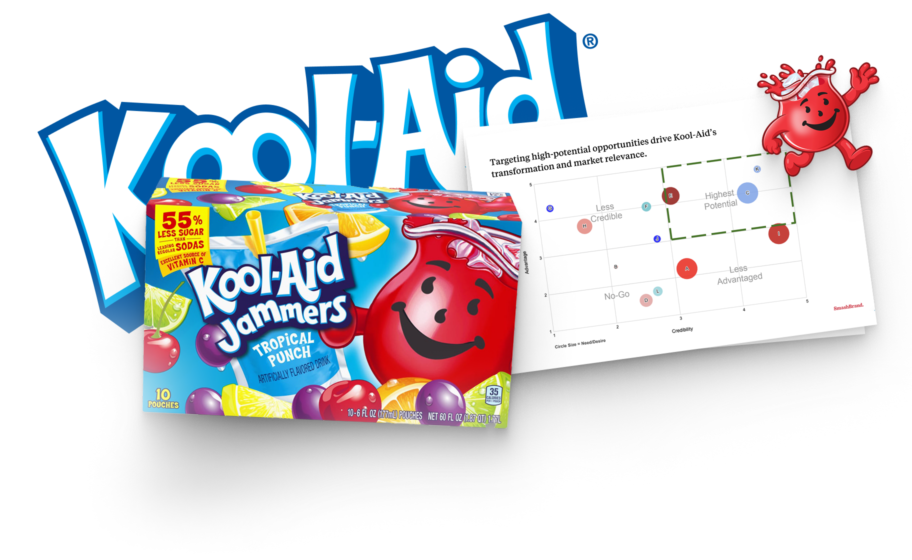
After defining the target market, the next step is to craft a practical positioning strategy for that specific audience. Building a positioning strategy is a systematic process that encompasses multiple steps, from identifying the unique value proposition to crafting an effective positioning statement. Companies must leverage market research insights to select a suitable brand positioning model.
Identifying Unique Value Proposition
A unique value proposition is a powerful tool. It involves clearly defining the selling points that set you apart, whether they are a new feature, innovative technology, or superior quality. Highlight the tangible benefits your product delivers to customers. A strong value proposition communicates how the offering solves customers’ specific pain points, improves their lives, and solves their problems.
For instance, a sustainable fashion brand might position itself around the unique value proposition of eco-friendly materials and ethical production practices. The goal is to differentiate your product and explain why customers should buy it. For this reason, brands must carefully study the competitor’s offerings to identify gaps and areas where they excel and leverage those strengths in their positioning.
Crafting Your Positioning Statement
A brand positioning statement is a carefully crafted expression that requires a deep understanding of your brand’s essence. It should include critical elements such as the target audience, their needs, and a unique value proposition.
Your brand positioning statement should align seamlessly with your overall brand strategy and identity, resonate with your company’s mission and vision, and create the emotional connections you aim to build with your audience. By combining these elements, your positioning statement will robustly encapsulate what your brand stands for, its unique value, and why it deserves a place.
Executing Your Positioning
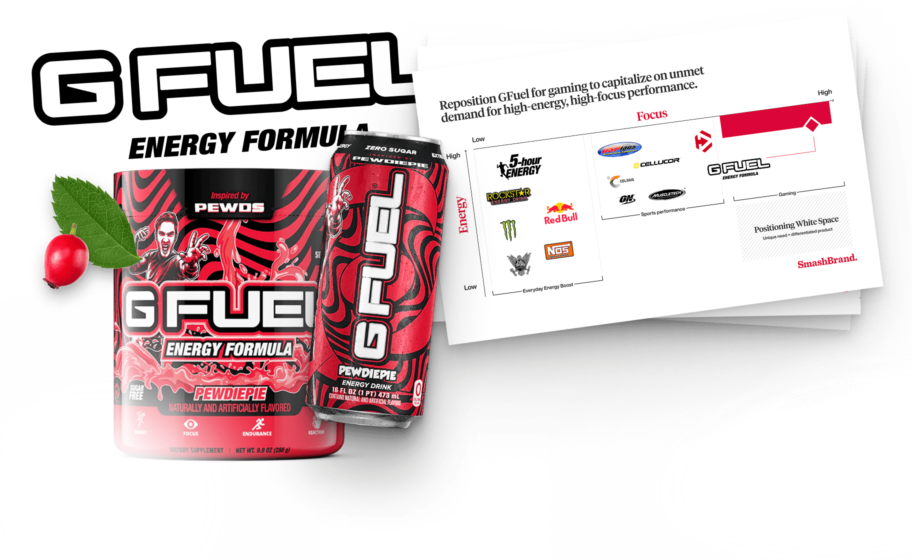
Start executing your brand positioning process by creating a practical brand positioning map. Visualize your offering’s unique value proposition relative to competitors. This map guides the development of your brand positioning framework. It will outline the target audience, key messaging, and brand attributes. Align your marketing channels and tactics to communicate your brand position consistently across platforms.
Integrating Positioning Into Product Development
Positioning should direct what gets built, not just how it’s marketed. A disciplined framework for brand positioning must guide product decisions from the start. That alignment becomes even stronger when supported by a framework for testing packaging and positioning in early-stage development, so concepts are validated before heavy investment.
Product and marketing teams need a shared messaging and positioning framework to prioritize features that reinforce real differentiation. Look at Gatorade positioning, performance hydration isn’t just a claim; it shapes formulation, packaging cues, and innovation pipelines. In crowded categories, especially against liquid frameworks competitors, clarity of positioning ensures the product experience consistently delivers what the brand promises.
Creating a Messaging Framework
A solid messaging framework is essential to effectively communicating product positioning across all customer touchpoints. It involves developing key messages that reinforce your unique value proposition and differentiation, tailored for specific audiences and channels.
Once defined, strategically map these messages to each customer journey stage to ensure relevance and resonance at every interaction. For instance, top-of-funnel messages may focus on education and problem validation, while bottom-of-funnel messages emphasize product advantages and ROI.
Bolster your messages with compelling proof points such as customer testimonials, case studies, awards, or third-party validation. These proof points build trust and credibility, making your positioning more tangible and impactful.
Promoting Your Positioning
Positioning cannot live in a slide. It has to shape what you build. An effective product positioning approach starts with a clear positioning framework and a disciplined positioning statement framework. Your product marketing positioning framework and product positioning framework should guide roadmap decisions, feature prioritization, and investment. Product positioning strategies only work when the product team builds to reinforce the same value drivers the market sees.
If your brand wins on innovation, your roadmap must deliver visible advancements. If you win on experience, design, and usability, take priority. Think of brands like Dollar Shave Club, clarity of positioning shaped not just messaging, but the entire product and delivery model.
When positioning informs development, you eliminate disconnects between promise and performance. That alignment is what turns strategy into sustained growth.
Measuring and Optimizing
After implementing your product positioning strategy, the next crucial step is to define key performance indicators and track your plan. Continuously evaluating performance metrics will help you extract valuable insights into how well your positioning resonates with potential customers and aligns with their needs.
Product managers must closely monitor key indicators like website engagement, social media sentiment, sales conversion rates, and customer feedback. Analyzing this data reveals opportunities to refine your product positioning statement, messaging, or go-to-market tactics to achieve greater impact.
Collecting feedback directly from customers and prospects can provide strong evidence to confirm or question your positioning assumptions. When combined with quantitative metrics, this qualitative input enables data-driven optimization to ensure your positioning remains compelling and stands out in a changing market.
Revisit and fine-tune your positioning to stay ahead of the customer needs, competitive shifts, and industry trends. This iterative approach maintains a robust and impactful product positioning that drives continuous growth and customer loyalty.
Tracking Key Metrics
Analyze how your sales figures and revenue trends correlate with the implementation of your brand positioning strategy. Look for shifts in consumer demand, market-share gains, or changes in customer-acquisition costs that may be attributable to your updated brand positioning map.
Conduct brand awareness studies, sentiment analysis, and customer satisfaction surveys to gauge how your target audience perceives the product’s positioning. This data can reveal whether your USP and differentiation resonate as intended.
Leverage customer feedback channels to gain qualitative insights into how well your brand positioning strategy aligns with customer needs and preferences. This direct feedback serves as a valuable proof point for identifying areas for improvement.
Nice Package
Don’t miss out on our monthly newsletter Nice Package!
Each month, we deliver a data-driven newsletter directly to your inbox, unpacking a critical topic in the FMCG & CPG industry.
"*" indicates required fields
Data-Driven Product Positioning Strategy Development
SmashBrand is a product positioning agency built to create measurable competitive advantage in a crowded market. We don’t rely on workshops and opinions to define product market fit. We validate it. Through integrated strategy, design, and testing, we identify the unique features that make your product obviously awesome, and translate them into compelling messaging that converts at the shelf.
Our Path To Performance™ process predicts in-market performance before you launch, eliminating guesswork and reducing growth risk.

A seasoned veteran in the CPG (Consumer Packaged Goods) industry, Jason Vaught brings a wealth of knowledge and hands-on experience as the director of content and marketing for SmashBrand. His comprehensive role at the forefront of brand communication ensures that CPG brands remain well-informed about the suite of services SmashBrand offers. Furthermore, his insights derived from the company's strategy, design, and testing services are invaluable to brand owners and managers seeking expert guidance.
From his early endeavors in launching a successful sports nutrition brand that gained prominence in significant bodybuilding and fitness retail spaces to his entrepreneurial ventures in kick-starting multiple brick-and-mortar and e-commerce startups across diverse industries, Jason's career is studded with substantial milestones. Notably, he has innovated numerous products later embraced by leading industry brands, showcasing his knack for anticipating market demands and setting trends.
Jason's journey in the CPG industry commenced at age 21. Over the years, he has worn multiple hats, ranging from a manufacturer and retailer to a distributor and brand owner. This multifaceted experience equips him with the rare ability to offer practical advice grounded in real-world expertise. His mission is to guide and support other CPG brand owners, directors, and managers on their path to success.
Subscribe to
Nice Package.
SmashBrand’s Nice Package: Stay current with our latest insights
Free Resource.
CPG product repositioning guide.
Explore the five undeniable signs your CPG product needs repositioning along with strategies for leveraging consumer insights for a guaranteed market lift.
Download Whitepaper About CPG product repositioning guide.