
 Overview
In a brand’s lifecycle, few decisions carry more risk or more upside than a packaging redesign. It may look like a surface-level change, but in retail, packaging is often the difference between growth and decline.
In CPG, packaging is the most visible expression of brand identity. Whether it’s a delicious food packaging or just any other plastic packaging, it’s what shoppers see first on supermarket shelves and the final design element influencing purchase. It also plays a direct role in protecting brand equity as materials, formats, and new technology continue to evolve.
When the packaging redesign process lacks rigor, brands don’t just miss opportunities; they lose revenue. This article breaks down when to redesign, how to do so without sacrificing brand equity, and what it takes to introduce a new package to the market successfully.
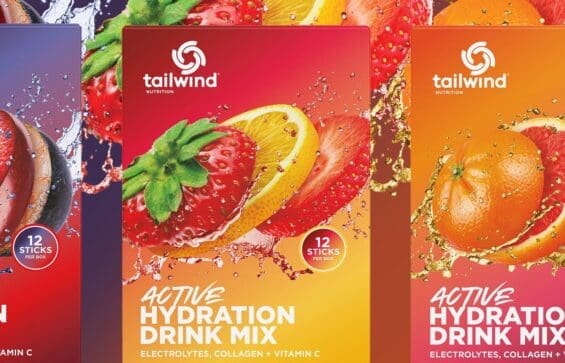
Why Redesign Packaging?
Check any CPG media publication, and it will be apparent how brands constantly undergo packaging redesigns, but not always for the right reasons. The most common reasons a company goes through a redesign are:
- Slow sales.
- Product delisting.
- A desire for a more significant market share.
- The time since the last packaging refresh.
While these “may” be good reasons for a new design, they do not accurately describe the problem brands hope a new packaging design will solve. Before beginning a package redesign, you must understand why the change is necessary. Here’s a look at several root causes that may require a redesign.
Change In Product Positioning
In our work as a packaging design agency, brand repositioning is the most common valid reason to revisit product packaging design. When a product line evolves, the current packaging often stops doing its job.
Most of the time, the fix isn’t purely visual. Updated packaging usually requires sharper language, clearer hierarchy, and more intentional graphic cues that reinforce the new position. The strongest redesign product ideas focus on aligning structure and messaging first, then letting the design support that shift.
Change In The Competitive Landscape
Packaging design trends evolve fast. Competitors multiply, and what once felt like a bold move now blends into the background. If your original packaging no longer commands attention, it’s already costing you shelf space.
That’s why a packaging redesign project is a strategic response to a changing competitive landscape. Your material choices, design elements, and messaging must evolve to meet new consumer expectations and market realities. Stay static, and you lose relevance. Move with intention, and you reclaim your edge.
Change In Consumer Preferences
Even iconic brands lose relevance when their packaging lags behind evolving consumer tastes. Whether it’s generational change, shifting values, or new cultural signals, what once worked can quickly become waste.
As a brand owner, staying connected to your audience means treating product design as a living asset. Yes, aligning with current design trends can help you stay visible, but if your product redesigns follow the crowd, you risk blending in.
The goal is to understand what your consumer now expects and deliver it in a way that cuts through. Because the real danger isn’t falling behind, it’s sounding just like everyone else.
Product Innovation
In fast-evolving categories, product redesign is the price of staying relevant. For brand owners, redesigning packaging is a crucial step to ensure innovation doesn’t go unnoticed.
A strong packaging update signals progress. It shows consumers that what’s inside has evolved and that your brand still leads. From vitamins to automotive to pet care, we see packaging redesign examples that clarify, differentiate, and sell the innovation story.
Take Hydroxycut: every product advancement is met with a bold new pack. No confusion. No mistaking old packaging vs new packaging. Just clear, consumer-facing proof of what’s changed and why it matters.
Sustainability Initiatives
Sustainability shifts fast. Ingredient sourcing, production methods, and packaging materials change with it. When they do, your packaging must show it. For iconic brands, even a slight material change can trigger a complete product redesign. Especially in categories where form signals function, for example, wine packaging design.
It’s a strategy refresh,
This isn’t just an aesthetic refresh. It’s a strategic packaging update that feeds into your rebranding marketing strategy. And if done right, it sets the stage for a rebranding announcement that earns attention and reinforces credibility.
Look at today’s strongest product redesign examples. They don’t whisper sustainability, they put it front and center, where it drives both distinction and shelf impact.
Shifting From DTC To Retail
Brands that succeed in DTC may not succeed in retail with the same packaging design. In fact, it’s almost guaranteed that the brand will need a product packaging redesign before going to national retailers. Whether it’s a preemptive effort or because of underperformance on shelves, we see almost every DTC brand go back to the drawing board to succeed in retail.
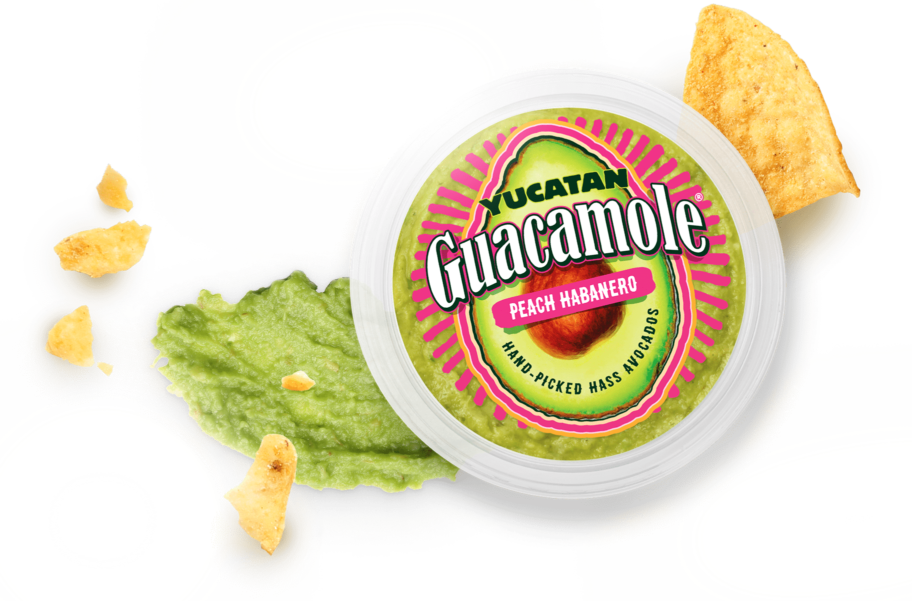
Considerations Before Going Through A Packaging Redesign
Brands must ask several questions before beginning the redesign process to determine whether now is the time to engage and which resources are necessary. Here are the two primary considerations.
The Cost Of Redesigning A Package
Undertaking a packaging redesign may be necessary, but brands must carefully consider the cost. Competing against household names in national markets requires an investment, strategy, expert design, and rigorous testing. The expenses associated with high-level package redesign will vary depending on the scope of changes, the design’s complexity, and the expertise of the packaging design agency involved.
Brands must invest diligently in this process, as failing to do so can lead to a drop in revenue. The cost includes:
- Design agency fees.
- Consumer testing.
- New packaging materials.
- Marketing efforts to effectively promote the redesigned packaging.
However, the benefits of a successful packaging redesign can outweigh the initial investment by attracting more customers, enhancing brand perception, and ultimately driving higher sales.
The Time-Line Of A Redesign
Considering the time it takes for a packaging redesign is a reality check for many brands. The process typically spans 4-6 months and encompasses strategy development, design conceptualization, rigorous testing, and multiple iterations. This timeline allows for thorough market research, thoughtful design ideation, meticulous testing of functionality and appeal, and ample time to refine the packaging to achieve optimal results. If you do not have the time to do it right, you may need to rethink the redesign initiative.
Packaging Materials
When redesigning packaging, the choice of materials affects the supply chain, production costs, and the product experience. Packaging materials impact the product’s aesthetics and influence its sustainability, durability, and protection capabilities. In this socially conscious climate, brands must carefully consider the environmental impact of their packaging choices and align them with their sustainability initiatives, as consumers increasingly seek eco-friendly options.
Additionally, selecting high-quality materials can enhance the product’s perceived value, potentially increasing customer satisfaction and brand loyalty. Collaborating with suppliers that offer innovative, sustainable packaging solutions can ensure the redesigned packaging aligns with the brand’s values and meets the evolving preferences of the target audience.
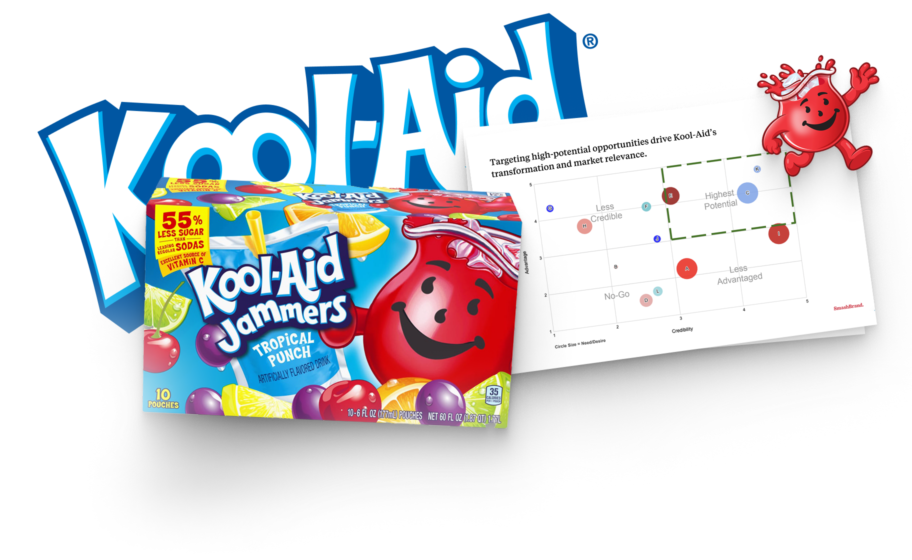
Executing An Effective Packaging Redesign
Much of our work comes from brands that previously hired design firms to create eye-catching packaging. Regrettably, these firms often lack the essential elements required for an effective packaging design that can confidently impact the competitive market. So, a founder or brand manager comes to us for a packaging redesign to prevent delisting from store shelves.
Here’s a look at the SmashBrand methodology for redesigning product packaging.
Brand Research
Every good package redesign strategy begins with brand, category, and consumer research. This process seeks to understand what branding assets to leverage to keep loyal customers, where there is a competitive gap for distinct positioning, and how to present the brand to attract the target audience.
Strategic Design
For most companies, strategy concludes once the research phase is complete, and they proceed with redesigning the packaging. Their findings are handed off to the creative director, who then instructs the graphic designer to create a few design concepts to gauge the brand’s likes and dislikes.
An approach such as this is not enough to compete in competitive categories. It puts too much weight on the marketing department to attract consumers to a product, when the product itself should be the main lever.
A strategic process involves continuous refinement of designs through iteration. It’s a process that requires consumer testing throughout each design iteration.
Consumer Testing
Consumers should ultimately influence your product packaging redesign. Gathering their feedback from the initial messaging and graphic representations to the final design concept ensures that the packaging has the maximum impact. Lack of or insufficient testing is a primary reason many brands fail when entering retail channels.
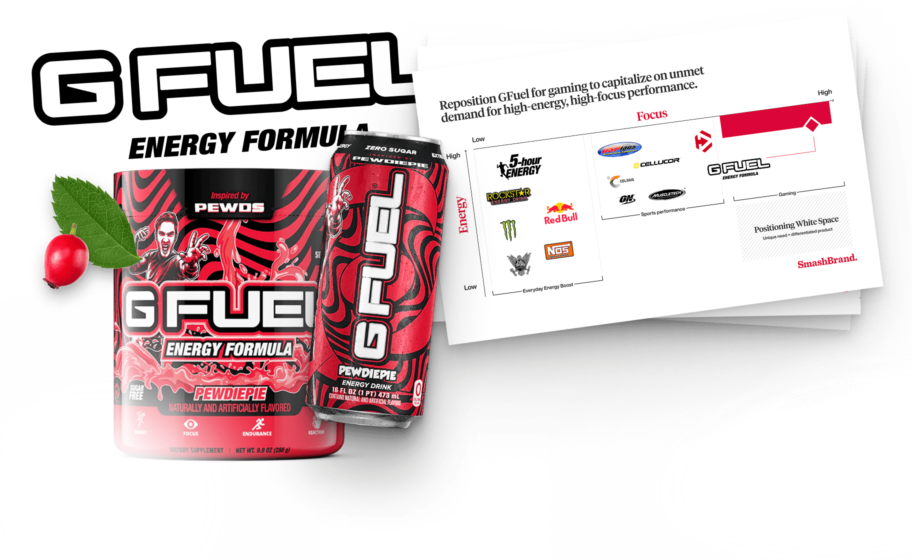
Taking Your Redesign To Market
The best packaging redesign will succeed only when an effective go-to-market strategy supports the new look. Brands must implement a diligent process to ensure the new redesign replaces all branding that includes or supports the existing packaging. Ensuring brand congruency will be the responsibility of a team, but the brand manager typically leads this initiative.
Here’s a look at what a brand should consider when taking its packaging redesign to market.
Marketing & Promotion
There are many marketing components for brands selling nationally or internationally, and it’s easy to make mistakes when changes such as a redesign occur. Clear communication with all marketers on your team is paramount to the success of this relaunch of the package design.
But it isn’t just the packaging itself that we are redesigning. A brand must thoroughly analyze all design elements to ensure there are no design themes and product messaging inconsistencies.
Vendor Communications
While the vendor might consider your exhaustive communication on this packaging transition overkill, you must do everything possible to update channel partners, ensuring they understand that the old packaging no longer accurately represents the brand. Not doing so leads to products being placed incorrectly on shelves or poor in-store assistance for consumers who seek your brand or product category. Both result in lower brand recognition and shelf visibility.
Reporting The Success of The Redesign
It’s shocking how many brands cannot quantify the impact of their new design. Understanding the changes in brand perception, purchase frequency, lifetime value, and product revenues not only helps you understand the benefits of this redesign but also sets the standard for future designs.
Nowadays, there is no excuse for not having actionable data through any branding campaign.
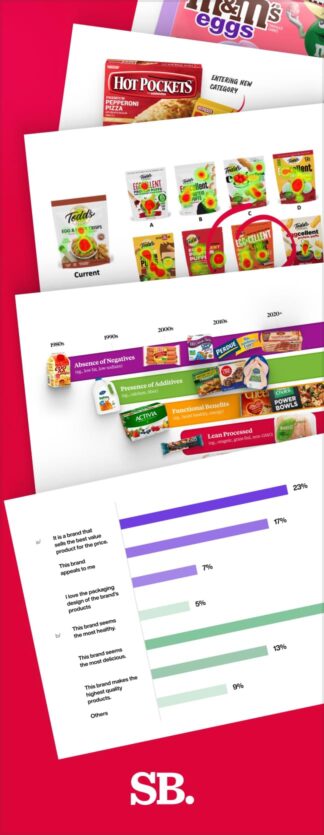
Nice Package
Don’t miss out on our monthly newsletter Nice Package!
Each month, we deliver a data-driven newsletter directly to your inbox, unpacking a critical topic in the FMCG & CPG industry.
"*" indicates required fields
Packaging Redesign Agency For CPG Brands
If you are looking to boost performance in retail, we can help. SmashBrand is a brand development agency that researches, designs, and tests all products to ensure peak shelf performance. Book a time to discuss your project with our team.

A seasoned veteran in the CPG (Consumer Packaged Goods) industry, Jason Vaught brings a wealth of knowledge and hands-on experience as the director of content and marketing for SmashBrand. His comprehensive role at the forefront of brand communication ensures that CPG brands remain well-informed about the suite of services SmashBrand offers. Furthermore, his insights derived from the company's strategy, design, and testing services are invaluable to brand owners and managers seeking expert guidance.
From his early endeavors in launching a successful sports nutrition brand that gained prominence in significant bodybuilding and fitness retail spaces to his entrepreneurial ventures in kick-starting multiple brick-and-mortar and e-commerce startups across diverse industries, Jason's career is studded with substantial milestones. Notably, he has innovated numerous products later embraced by leading industry brands, showcasing his knack for anticipating market demands and setting trends.
Jason's journey in the CPG industry commenced at age 21. Over the years, he has worn multiple hats, ranging from a manufacturer and retailer to a distributor and brand owner. This multifaceted experience equips him with the rare ability to offer practical advice grounded in real-world expertise. His mission is to guide and support other CPG brand owners, directors, and managers on their path to success.
Subscribe to
Nice Package.
SmashBrand’s Nice Package: Stay current with our latest insights
Free Resource.
CPG product repositioning guide.
Explore the five undeniable signs your CPG product needs repositioning along with strategies for leveraging consumer insights for a guaranteed market lift.
Download Whitepaper About CPG product repositioning guide.