
 Overview
The FMCG industry is racing toward a projected $15.3 trillion valuation by 2025, but growth alone doesn’t create winners. In a category defined by shelf saturation and infinite choice, brands don’t earn market share by being present; they earn it by being remembered.
That’s why top-performing FMCG brands consistently invest 15–20% of revenue in FMCG advertising. They understand that disciplined digital marketing, not guesswork, drives brand visibility across crowded retail and digital channels.
In this comprehensive guide to FMCG advertising, we break down the strategies, trends, and execution frameworks behind high-performing FMCG campaigns, from content marketing to social media. Read on to learn how to turn attention into trial, and trial into loyalty.

The Role of FMCG Advertising
In the FMCG sector, advertising is the engine that drives growth. With minimal switching costs and crowded shelves, brands win by staying visible, relevant, and easy to choose. For both established FMCG firms and challenger brands, advertising is how you create mental availability at the moment of purchase.
Effective FMCG advertising campaigns leverage digital media to influence behavior before, during, and after the shelf decision. From driving trial to reinforcing brand preference, innovative advertising builds momentum that compounds over time.
Building Brand Awareness
In FMCG, brand awareness is built through consistent, well-executed advertising. The goal is simple: make the brand easy to recognize, easy to remember, and easy to choose. That requires a focused marketing effort grounded in how real people shop and make decisions.
A strong FMCG digital marketing strategy blends brand messaging with effective channel selection, leveraging strategies that align with actual consumer behavior. When advertising is aligned across platforms and executed with discipline, it becomes effective marketing, driving visibility, familiarity, and long-term brand preference.
Creating a Strong Brand Identity
An FMCG brand strategy agency leverages the power of colors, fonts, typography, and imagery to convey a visual message to the target consumers. Dunkin’ Donuts is an excellent example of brand awareness; consumers can easily recognize it by its pink and orange letters.
A branding agency may use various advertising channels to build a strong brand identity, including social media platforms such as Facebook, TikTok, Instagram, Threads, or X (formerly Twitter).
Driving Consumer Demand
FMCG marketing strategies are constantly optimized to meet consumer demand and influence consumer behavior. Driving consumer demand through unique marketing initiatives, as seen with brands such as Liquid Death, can generate significant sales with the same investment as other brands.
Connecting With Consumer Behaviors
Winning in FMCG starts with understanding how people actually choose products, not how brands wish they did. A successful FMCG branding agency will always strive to build trust and loyalty while tapping into the desires and aspirations of target consumers. Effective FMCG campaigns are built around trust, relevance, and emotional payoff because advertising helps people recognize a particular brand only when it reflects their motivations and self-perception.
Strong FMCG media strategies and FMCG product advertising work best when they tap into real consumer desires. L’Oréal’s “Because you’re worth it” is a classic advertising strategy for FMCG products, using empowerment to build credibility, recognition, and long-term loyalty while reinforcing why the brand belongs in the consumer’s life.
Targeting and Segmentation In FMCG Advertising
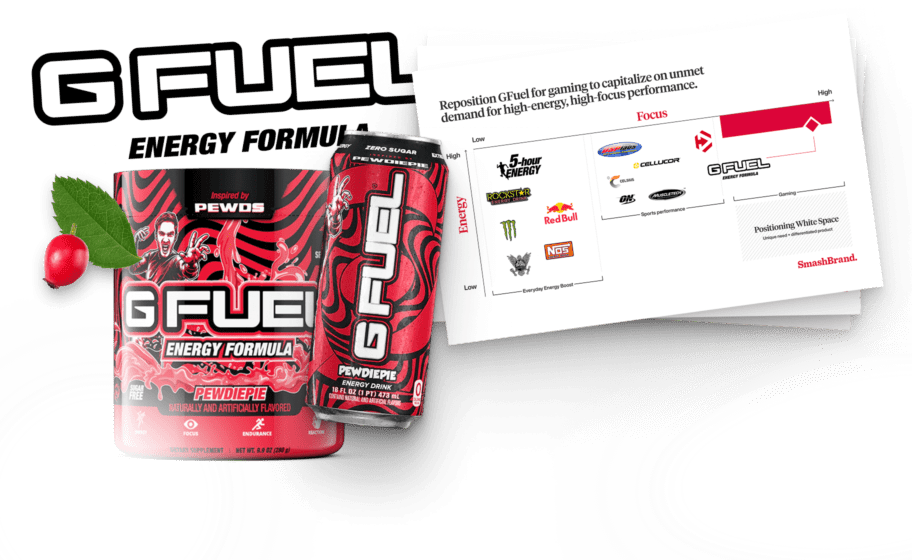
Effective FMCG advertising starts with precision. The strongest fast moving consumer goods marketing strategy is built on data-driven targeting that reflects how real shoppers think, behave, and buy. When brands use consumer research to segment audiences by needs, context, and motivation, their messaging becomes sharper and more relevant.
Whether through digital advertising for fast moving consumer goods or broader FMCG advertisements, this approach allows brands to tailor creative, channels, and timing for impact. Leading FMCG advertising agencies rely on these insights to develop FMCG advertising strategies that drive measurable growth, ensuring digital marketing for FMCG products reaches the right consumer, at the right moment, with the right message.
Consumer Demographics And Psychographics
When conducting FMCG market research, understanding consumer demographics and psychographics is crucial. It allows brands to discover the latest FMCG trends and determine whether they will work for their brand.
Demographic data, such as age, gender, income, and education, allows an FMCG agency to optimize its marketing campaigns and align them with market needs. For instance, a brand selling snacks can target college students and set its prices based on students’ income levels.
Demographics and psychographics provide essential insights, enabling brands to tailor their marketing messages to their audience’s needs and preferences.
Tailoring Advertising For Targeted Audiences
Understanding the demographics and psychographics is paramount for understanding the target audience and their preferences. Using this data, FMCG advertisers can tailor their advertisements to the target audience.
A niche advertising campaign that aligns with consumer preferences helps attract more potential customers. Various digital platforms, such as Facebook, Pinterest, and TikTok, play a vital role in these advertisements. These platforms allow FMCG brands to reach their target audience more efficiently.
Traditional Advertising Channels
Before social media, FMCG advertising relied on traditional marketing methods. These methods mainly comprised television commercials, print media, and radio advertisements. Before digital FMCG merchandising was available, brands had to rely on traditional approaches to communicate with their target audience and gather insights into their needs. However, advertising campaigns demand accuracy, which requires data.
Digital FMCG merchandising has revolutionized how brands connect with customers, providing marketers with a wealth of data to improve their marketing campaigns.
For instance, a TV commercial may reach a specific group of people, but there is no way for companies to see how many monthly conversions they have driven through ads.
Digital Advertising Channels
Modern advertising channels provide helpful information such as customer acquisition data, demographics, and psychographics.
Companies analyze this data carefully and optimize their FMCG retail strategies in line with the latest trends. Let’s look at some of the most effective digital advertising strategies.
-
- Website Advertising: Companies utilize websites to promote their products. Websites use various types of ads, including banner ads, sidebar ads, in-content ads, and even video ads.
-
- Social media marketing: Social media channels are also highly effective for promoting FMCG products. Companies can use TikTok, Snapchat, Instagram, Facebook Pages, and Facebook groups to build a strong brand audience.
-
- Influencer collaborations: Businesses can partner with popular social media influencers to reach their followers and potential customers. It may involve sponsoring their posts or offering them free products or services.
-
- Search engine optimization (SEO): SEO allows companies to bring traffic from search engines to their products. It is one of the most effective ways to dominate search results and outpace the competition.
-
- Brand collaborations: Collaborating with a non-competitive brand is a trending way to drive consumer demand in and out of your target market. This strategy is working exceptionally well for many FMCG brands.
Integrated Marketing Campaigns
FMCG companies can create a cohesive marketing message that resonates with their audience and drives brand growth across multiple channels, including social media, email marketing, and search engine optimization.
Coordinating offline and online efforts is crucial in creating a seamless customer experience. FMCG companies can coordinate their offline and online efforts using consistent branding and messaging across all channels. It helps to create a seamless shopping experience for customers. For example, a customer may browse a product online and purchase it in-store.
By working with integrated retailers, FMCG companies can create a consistent brand experience across all channels and improve customer loyalty.
FMCG Advertising Strategies
Various FMCG marketing strategies help promote products and build a strong customer base and a solid brand presence. However, implementing these strategies involves multiple steps.
Let’s discuss some of the main factors when implementing a successful FMCG branding strategy:
Consumer Behavior And Psychology
FMCG companies must understand consumers’ decision-making when purchasing their products to create effective marketing campaigns. The consumer decision-making process consists of five stages: need recognition, information search, evaluation of alternatives, purchase decision, and post-purchase evaluation.
These brands must also understand each stage of the decision-making process and tailor their marketing messages accordingly. For example, a company may use social media influencer marketing to create awareness and generate interest in their product during the information search stage.
Brand Positioning And Differentiation
Brand positioning refers to a company’s unique position in the target audience’s mind. By creating a solid brand positioning, FMCG companies can impact consumer perceptions and drive brand growth.
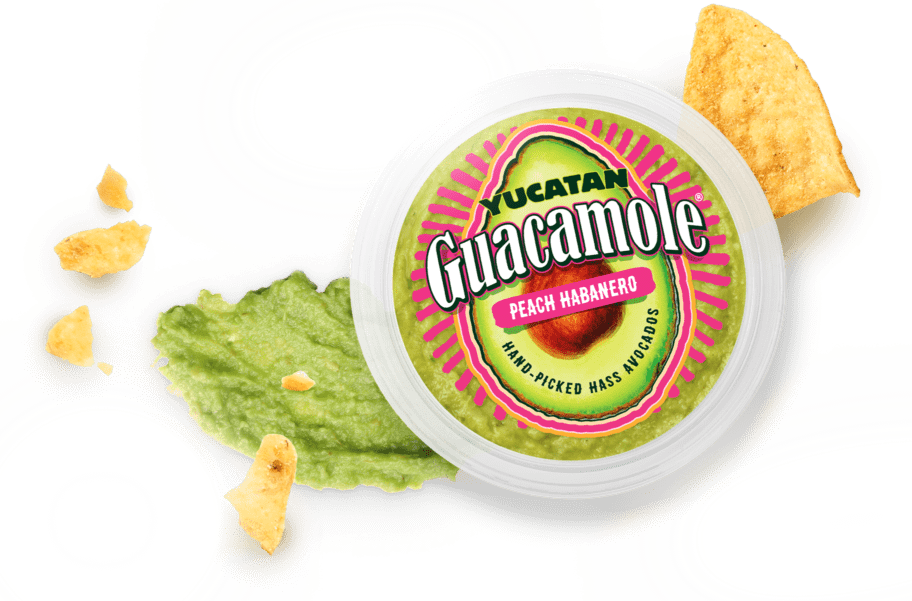
An FMCG packaging design agency must think creatively when designing packaging. A unique ad campaign doesn’t require product images to build brand positioning.
For instance, Powell Peralta, one of the famous skateboarding companies, launched an ads campaign to promote their skateboards in the 1980s. The company didn’t use any skateboard images. Instead, they focused on graphics and illustrations. It helped the company stand out from the crowd and boosted their sales.
Creativity And Storytelling In FMCG Advertising
Storytelling is a powerful tool that can create an emotional connection between the brand and the consumer. Using storytelling techniques such as character development, conflict, and resolution, FMCG companies can create memorable and impactful advertisements that resonate with consumers.
For example, a company may use a storytelling technique to highlight their product’s origin story or to showcase their effect on people’s lives. Similarly, a company may use humor to create memorable advertisements that resonate with consumers. Moreover, nostalgia or cultural references can also emotionally connect with the target audience.
Geotargeted FMCG Advertising
Advertising FMCG products in diverse cultural contexts requires careful consideration of cultural sensitivity and localization strategies to ensure effective communication with target markets. Cultural differences can impact consumer behavior and perceptions, and FMCG companies must consider these differences when developing advertising campaigns.
For example, a popular product in one country may be less prevalent in another due to cultural differences. An FMCG Agency must adapt advertising messages to the local culture and language to communicate effectively with the target market.
Cultural sensitivity involves understanding cultural differences and avoiding offensive or insensitive advertising messages. Using localization strategies and cultural sensitivity, FMCG companies can create effective advertising campaigns that resonate with their target audience.
Measuring Success In FMCG Advertising
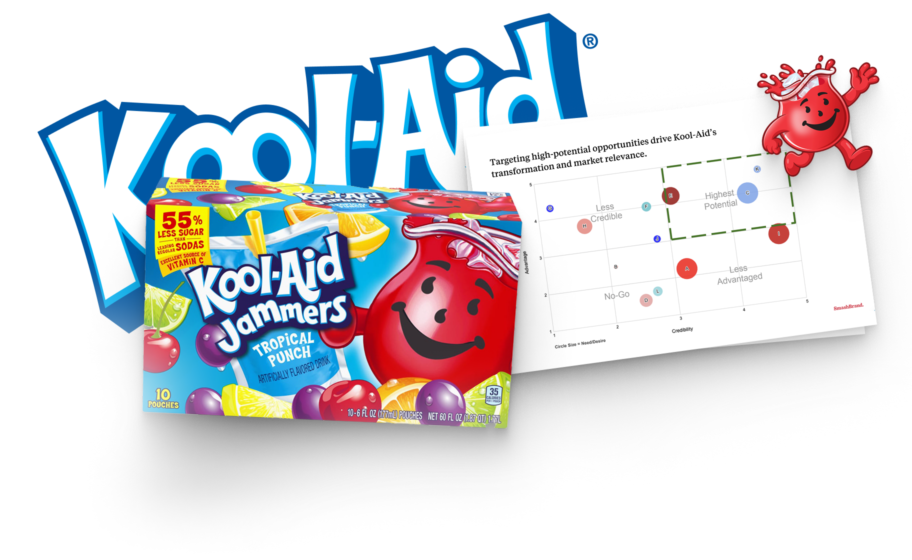
Every marketing campaign must be monitored to measure its effectiveness. There are multiple methods to determine the impact of an advertising campaign and calculate profitability. Let’s discuss and understand some metrics that help measure the success of FMCG advertising campaigns.
Key Performance Indicators (KPIs)
Key performance indicators are various metrics to monitor a company’s sales revenue and overall market share. A company may use these metrics to track its monthly and yearly goals.
Moreover, KPIs help determine the brand awareness of an FMCG company. For instance, a company may track audience engagements to measure the growth of a social media handle. Performance indicators also help optimize FMCG pricing strategy and packaging design by tracking and observing consumer preferences.
Return On Advertising Investment
ROI is a valuable metric to monitor when measuring the success of a fast-moving consumer goods marketing campaign. It helps companies to measure the FMCG ad spend vs. the total revenue generated.
Achieving a higher ROI is the ideal marketing goal: getting the most profit from your investment. Marketers analyze both traditional and digital advertising expenditure data to calculate ROI.
Analyzing Advertising Metrics
Advertising metrics analysis is the key to tracking consumer engagements. Furthermore, it allows companies to adapt their strategies based on data-driven insights.
FMCG brands can utilize data such as click-through, conversion, and engagement rates to determine consumer engagement and response to their advertisements.
It allows better-optimized ad strategies and improves the overall ROI. Data-driven marketing strategies remove the guesswork from the process and help run effective campaigns that consume fewer resources and bring better results.
Ethical Advertising Practices
Transparency, authenticity, and social responsibility are critical components of ethical advertising practices, and they can significantly impact brand reputation and consumer trust.
FMCG companies can build credibility with their target audience by being transparent about their products. For example, companies may disclose information about their products, ingredients, or manufacturing processes to demonstrate transparency and build trust.
Similarly, FMCG companies can create a genuine connection with their target audience by being authentic in their advertising campaigns. For instance, a brand may show the results of its products in advertising campaigns to promote its authenticity.
A recent report by Label Insight, a company that collects and analyzes food label data, found that 94 percent of consumers would be more loyal to brands that practice transparency, while 56 percent claim that brand transparency would make them “loyal for life.”
Label Insight (NIQ)
Future FMCG Advertising Trends And Challenges
The FMCG market is rapidly evolving, and FMCG companies must adapt to changing consumer behavior, technological innovations, and ethical considerations to remain competitive.
Here are some future FMCG advertising trends and challenges:
-
- Competition and clutter: With many brands vying for consumer attention, standing out in the crowded marketplace can take time and effort. FMCG companies must develop creative and impactful advertising campaigns to cut through the clutter and capture the attention of their target audience.
-
- Adapting to changing consumer behavior: As consumers become increasingly digital-savvy and socially conscious, FMCG companies must adjust their advertising strategies to meet these changing needs.
-
- Innovations in technology: Innovations like virtual and augmented reality can also provide new opportunities for FMCG companies to engage with their target audience.
- Embracing sustainability: Consumers are becoming more socially conscious. FMCG companies that embrace sustainability and ethical advertising practices can build a positive reputation and establish long-term relationships with their target audience.

Nice Package
Don’t miss out on our monthly newsletter Nice Package!
Each month, we deliver a data-driven newsletter directly to your inbox, unpacking a critical topic in the FMCG & CPG industry.
"*" indicates required fields
Conclusion
FMCG advertising is crucial to running a successful business within the FMCG sector. These campaigns allow companies to build a solid brand presence and drive consumer demand.
Running a successful ad campaign for fast-moving consumer goods requires targeting and segmentation. It helps to tailor advertising messages to a specific group of audience. Furthermore, companies must diversify their ad tactics by utilizing traditional and modern advertisement methods.
As consumer behavior evolves, FMCG companies must adapt their advertising strategies to meet changing needs. Innovations in technology, such as virtual and augmented reality, present new opportunities for engagement. Moreover, embracing sustainability and ethical advertising practices can enhance brand reputation and foster long-term relationships with socially conscious consumers.
Data-Driven Brand Development For FMCG Brands
SmashBrand is a brand development agency for FMCG and CPG companies. From brand strategy to packaging design testing, our Path To Performance™ process guarantees a retail performance lift. Book a time to discuss your project with our team.

A seasoned veteran in the CPG (Consumer Packaged Goods) industry, Jason Vaught brings a wealth of knowledge and hands-on experience as the director of content and marketing for SmashBrand. His comprehensive role at the forefront of brand communication ensures that CPG brands remain well-informed about the suite of services SmashBrand offers. Furthermore, his insights derived from the company's strategy, design, and testing services are invaluable to brand owners and managers seeking expert guidance.
From his early endeavors in launching a successful sports nutrition brand that gained prominence in significant bodybuilding and fitness retail spaces to his entrepreneurial ventures in kick-starting multiple brick-and-mortar and e-commerce startups across diverse industries, Jason's career is studded with substantial milestones. Notably, he has innovated numerous products later embraced by leading industry brands, showcasing his knack for anticipating market demands and setting trends.
Jason's journey in the CPG industry commenced at age 21. Over the years, he has worn multiple hats, ranging from a manufacturer and retailer to a distributor and brand owner. This multifaceted experience equips him with the rare ability to offer practical advice grounded in real-world expertise. His mission is to guide and support other CPG brand owners, directors, and managers on their path to success.
Subscribe to
Nice Package.
SmashBrand’s Nice Package: Stay current with our latest insights
Free Resource.
CPG product repositioning guide.
Explore the five undeniable signs your CPG product needs repositioning along with strategies for leveraging consumer insights for a guaranteed market lift.
Download Whitepaper About CPG product repositioning guide.