
 Overview
Everybody wants to dominate the market with their new brand, but only a few know the secret to standing out and leaving a lasting impression. Effective brand positioning research plays a vital role here.
To conduct effective brand positioning research, begin by applying the divide-and-conquer rule. Select your target audience and divide them into groups and subgroups based on demographics, psychographics, and attachments. Then, analyze their needs, pain points, and perceptions. Identify and use the key factors influencing their purchasing decisions to shape your positioning strategy.
How do we know this works? All our clients follow this data-driven approach. Using 7-Eleven as an example, our research identified the need to attract millennials to the brand, resulting in a 63% increase in purchase intent.
Why Conduct Brand Positioning Research?
Gaining a deeper understanding of the market landscape and consumer behavior is impossible without conducting detailed brand positioning research. Market studies provoke insights crucial for shaping a company’s market positioning and marketing strategy. Digging into market segmentation, where you analyze customer satisfaction and preferences, provides the necessary data to craft a compelling and resonant brand identity.
Learning about customer service expectations and past brand or category experience allows companies to tailor their positioning to meet and exceed customer needs. Comprehensive research enables a brand to strategically position itself in the market, ensuring that its messaging and offerings align seamlessly with the desires and expectations of its target audience.
The following are some of the significant benefits of a detailed brand positioning research:
-
- Understanding Consumer Perception: Knowing the exact perception of the target audience allows companies to tailor their strategies to enhance positioning and gain competitive advantages.
-
- Differentiation: Market research insights enable companies to differentiate their products and brands, making them more memorable and appealing to customers.
-
- Competitive Analysis: Studying direct competitors will identify strengths and weaknesses, enabling you to adjust your strategies to position your brand better.
-
- Target Audience: Research data provides valuable insights into the target audience, enabling you to tailor brand messaging and marketing efforts to connect with this group.
- Emotional Connection: Studying the target customer segments reveals what your target audience likes and dislikes. This provides a better opportunity to connect them emotionally to your brand.
The Core Concepts of Brand Positioning Research
During brand positioning research, companies must go beyond product features focusing on the brand’s unique positioning. Product features highlight the specific characteristics and functionalities, while brand positioning emphasizes the overall perception and image of the brand. It communicates the emotional, functional, and self-expressive benefits the brand offers, creating a distinct position in the market.
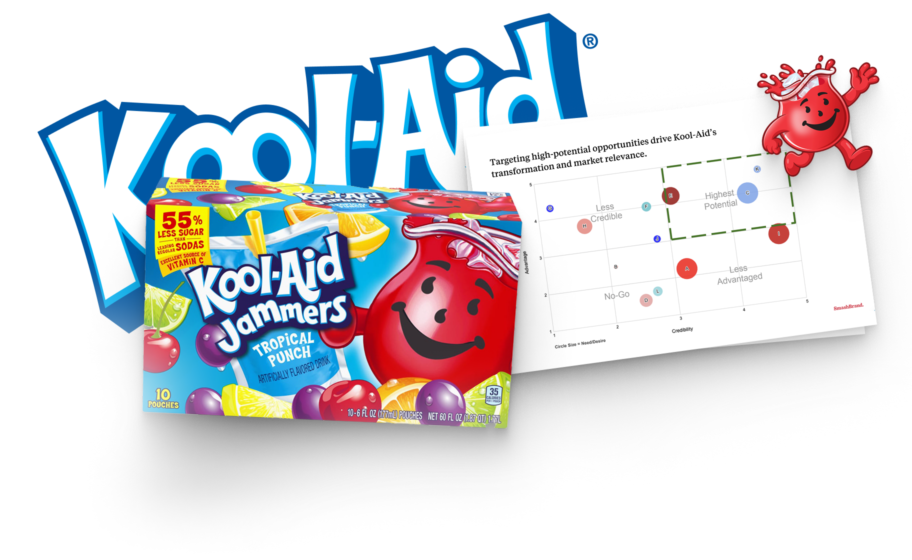
The unique value proposition is another critical component found on the brand positioning chart. It includes the singular benefits that a brand promises to deliver to its customers. This unique value proposition (UVP) is vital in brand positioning as it differentiates the company from competitors communicating its unique offering to the target audience.
The final goal of positioning research is understanding the target market;.enabling brands to customize their positioning to meet their audience’s needs and preferences. Market segmentation refines this understanding by identifying distinct consumer segments and their secondary values.
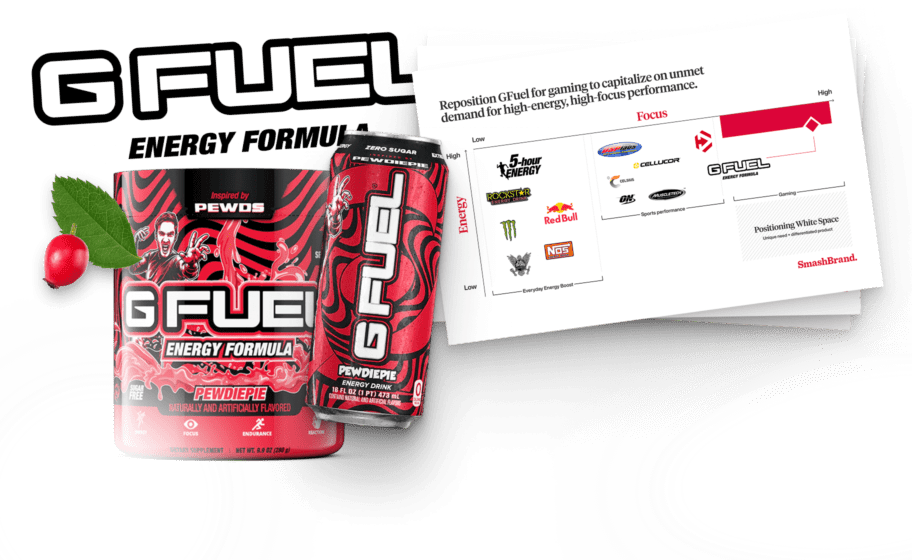
Companies can build a robust brand positioning model that effectively resonates with each segment this way. Positioning research utilizes these core concepts to develop a comprehensive brand positioning matrix, finding white space opportunities and positioning themselves in the market.
Research Methodology
Conducting brand positioning research can be a cumbersome project. Most companies use three main types of methodologies to collect insights from the target market. These methods include:
-
- Qualitative research
-
- Quantitative research
-
- Hybrid research
Qualitative Research
Qualitative research methods provide valuable insights for companies looking to establish a strong brand position. For instance, focus groups bring together diverse participants for structured discussions, leading to a deeper understanding of consumer perceptions and preferences. This method helps extract different viewpoints and identify common themes that contribute to developing a robust brand positioning template.
On the other hand, in-depth interviews involve one-on-one interactions, offering a more personalized approach to gaining consumer insights. Companies can discover individual perspectives, motivations, and emotions through this method.
These interviews can provide context by asking follow-up questions, enabling brands to refine their positioning with a comprehensive understanding of consumer sentiments and preferences.
Quantitative Methods
Quantitative research focuses on numerical data and statistical analysis. Surveys play a crucial role in quantitative research, as they involve designing and implementing structured questionnaires to gather data from a large sample of respondents. These surveys can be conducted through various data-collection modes, including online, phone, mail, and hybrid approaches, enabling widespread data collection to inform the brand positioning process.
The quantitative approach enables the measurement of perception and preferences on a larger scale, providing numerical insights that can be analyzed using statistical methods. This data-driven approach extracts trends and patterns, contributing to the development of a robust brand positioning framework.
Combining Qualitative and Quantitative Methods
Combining the two research methods helps extract comprehensive insights by integrating their strengths. Qualitative methods, such as focus groups and interviews, provide an in-depth understanding of consumer behavior, brand image, and the target customers’ perceptions.
This qualitative data can inform the development of quantitative research instruments, such as surveys, to gather numerical data on consumer preferences and the effectiveness of the brand’s value proposition. By integrating both methodologies, companies can gain a comprehensive understanding of consumer behavior and preferences, leading to a more compelling brand positioning strategy.
For example, a comprehensive brand positioning study may begin with qualitative research to understand the fundamentals of positioning and consumer perceptions, followed by a quantitative survey to assess how different positioning strategies affect consumer preferences. By integrating both methodologies, companies can gain a holistic understanding of consumer behavior and preferences, creating a more compelling brand positioning strategy.
Conducting the Brand Positioning Research
After learning the basics, it’s time to dive into the actual research part. Follow these steps to conduct thorough research, craft a highly effective brand positioning strategy, and develop a brand positioning statement that presents your company in an irresistible way to your target audience. Each step is equally vital; therefore, ensure you don’t skip any.
Explore the Market for Positioning
A good brand positioning strategy begins with a clear understanding of target customers and their needs. A company must know every detail about customer needs, demands, and pain points. To get these insights, companies must start with in-depth market research.
They must use qualitative and quantitative research methods to extract meaningful data from the target customer group. Social media can play a vital role in reaching niche audiences and engaging them in exciting market research surveys to collect data. Once you analyze survey data, you’ll be able to identify key trends, customer needs, and pain points that can inform your product development and marketing strategies.
After collecting data through brand research, the next step is to clean it. Remove any outliers to avoid getting biased results. Sample the data based on market segmentation and then analyze it carefully.
Look for trends, sudden hikes, and dips in consumer behavior, inspiration, and perception. Understand how the target market works. Remember, to conquer the market, you must become a unique brand offering solutions to problems rather than just selling products.
Measure Unaided Awareness
Want real insight into how your brand shows up? Start with unaided awareness. Skip the prompts. Ask open-ended questions: “What’s the first brand you think of for [category]?” No hints. No influence. Just recall.
This raw data shows which brands truly cut through. It’s foundational to advertising research, digital marketing, and building strong brand positioning.
Here’s how to measure it:
- Count how many respondents mention each brand.
- Divide by total responses.
- Multiply by 100 to get the unaided awareness percentage.
If 40 out of 100 say “Dollar Shave Club,” that’s 40%.
Use this before moving to aided awareness. Then compare the results. It reveals which names stick and which ones need work. Add concept testing to see what can shift recall and what won’t. Don’t assume your brand is remembered.
Evaluate Current Brand Positioning
For existing brands, use customer research and brand positioning market research to assess how your audience sees you now, not how you wish they did. What drives loyalty? What fuels drop-off? What’s working? Don’t guess. Know.
For new brands, pressure-test your relevance. Why would a potential customer choose you over category leaders? If the answer sounds like everyone else’s, you don’t have successful brand positioning.
This isn’t about being different. It’s about offering a distinct, valuable solution. Think beyond product features and into perception. Concept testing reveals what resonates and what doesn’t.
Your brand promise only matters if it’s believed. Use brand strategy & market research to align internal intentions with external perception. Evaluate awareness, relevance, and positioning fit to ensure your brand identity lands with real consumers in the real world.
Analyze Direct Competitors
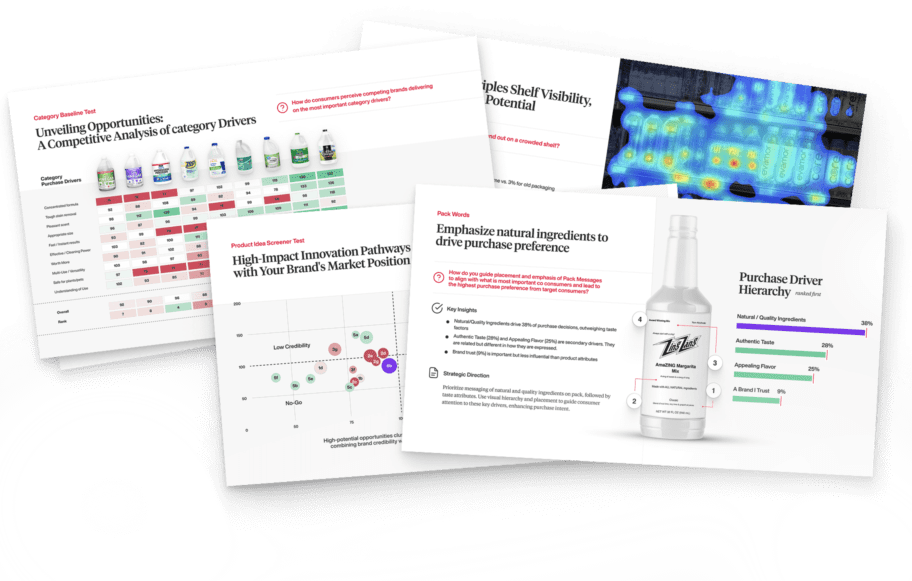
Understand the competitive landscape by identifying key competitors, their market shares, target audiences, and unique selling propositions. Carefully analyze their positioning strategies and assess their effectiveness in resonating with customers and driving brand equity.
Determine each competitor’s market position based on their presence and customer satisfaction levels. This reveals gaps and opportunities for your brand to differentiate itself and gain a competitive advantage.
Benchmark competitors on product quality, pricing, customer service, brand reputation, and financial health. Carefully evaluate their social media presence, marketing strategies, and go-to platforms.
It will help you objectively assess their strengths and weaknesses compared to your brand. Understanding the competitive landscape and positioning strategies can help you develop a unique and compelling positioning that sets you apart, enhances brand equity, and drives business growth.
Derive Consumer Insights
Brand positioning research isn’t complete without real performance data. Use brand tracking tools to see how your audience perceives you and how that perception shifts over time.
Track metrics that count: retention, repeat purchase, churn. Measure satisfaction through referral rates, NPS, and CSAT. These aren’t vanity numbers. They uncover friction, signal brand loyalty, and point to where you’re winning or falling short.
This is fuel for smarter positioning research, sharper brand positioning analysis, and faster decisions. Use it to guide every brand positioning study and shape market positioning research that drives measurable growth.
Common Mistakes During the Brand Positioning Research
-
- Narrow Focus: Brands miss the mark when they ignore context. Effective brand strategy research requires more than a surface look at your audience. Use surveys, interviews, focus groups, and trend analysis to understand behaviors from every angle.
- Wrong Competitive Set: Garbage in, garbage out. Choosing the wrong competitors skews your data and weakens insights. For credible product positioning research, ensure your primary and secondary competitor lists reflect real market threats.
- Skipping the Brand Audit: You can’t move forward if you don’t know where you stand. Skipping an audit leads to positioning that confuses your audience and waters down performance. A current-state analysis is the foundation of a strong brand market position.
- Ignoring Feedback: If you’re not factoring in how customers perceive you and your competitors, you’re building in the dark. Real brand positioning insights come from listening, not guessing. Use every channel of customer input to sharpen relevance.
- Missing the Market Shift: Brands that don’t evolve fade. Ignoring category shifts and changes in consumer behavior is a fast path to irrelevance. Stay ahead by conducting ongoing brand marketing research and regularly revisiting your strategy using a solid brand positioning questionnaire and smart brand positioning questions.

Nice Package
Don’t miss out on our monthly newsletter Nice Package!
Each month, we deliver a data-driven newsletter directly to your inbox, unpacking a critical topic in the FMCG & CPG industry.
"*" indicates required fields
Data-Driven Brand Positioning
You don’t win shelf space with vague positioning. You win with precision, backed by brand market research and real consumer data.SmashBrand is a data-driven brand development agency specializing in data-driven brand positioning. Our Path to Performance™ process uses behavioral insights, social research, and brand tracking studies to map where your brand stands and where it can lead.
We help you uncover what your potential customers actually see, think, and feel, then build strong positioning that commands attention and drives growth. This isn’t just about messaging. It’s about aligning visual identity, brand personality, and strategy to close competitive gaps, whether you’re building from scratch or repositioning a legacy brand like Old Spice.

A seasoned veteran in the CPG (Consumer Packaged Goods) industry, Jason Vaught brings a wealth of knowledge and hands-on experience as the director of content and marketing for SmashBrand. His comprehensive role at the forefront of brand communication ensures that CPG brands remain well-informed about the suite of services SmashBrand offers. Furthermore, his insights derived from the company's strategy, design, and testing services are invaluable to brand owners and managers seeking expert guidance.
From his early endeavors in launching a successful sports nutrition brand that gained prominence in significant bodybuilding and fitness retail spaces to his entrepreneurial ventures in kick-starting multiple brick-and-mortar and e-commerce startups across diverse industries, Jason's career is studded with substantial milestones. Notably, he has innovated numerous products later embraced by leading industry brands, showcasing his knack for anticipating market demands and setting trends.
Jason's journey in the CPG industry commenced at age 21. Over the years, he has worn multiple hats, ranging from a manufacturer and retailer to a distributor and brand owner. This multifaceted experience equips him with the rare ability to offer practical advice grounded in real-world expertise. His mission is to guide and support other CPG brand owners, directors, and managers on their path to success.
Subscribe to
Nice Package.
SmashBrand’s Nice Package: Stay current with our latest insights
Free Resource.
CPG product repositioning guide.
Explore the five undeniable signs your CPG product needs repositioning along with strategies for leveraging consumer insights for a guaranteed market lift.
Download Whitepaper About CPG product repositioning guide.