
 Overview
Are you running a stagnating brand and struggling to find worthwhile growth opportunities? The saying “if you are not moving forward, you are moving backward” holds true in CPG, with many brands slowly losing market share.
Without innovation, consumers become bored with your brand, which can cost you the most loyal customers. From a branding perspective, the solution is brand innovation, a term that smaller companies are unfamiliar with.
Brand innovation is a strategic way of transforming a brand to meet the market’s evolving needs. It’s not just about new products; it’s about rethinking your brand’s identity and connection with customers. It means simply adding a pineapple to your Pizza may not always work.
There’s so much more than bringing a new ingredient to the market. This article explains brand innovation and how to implement it using a data-driven approach to ensure maximum results while reducing the chances of failure. Read on to learn everything you need to know.

What is Brand Innovation In CPG?
Brand innovation is a strategic approach that transforms how a company engages with customers and delivers value. It’s about reimagining the entire brand experience to stay relevant, competitive, and aligned with evolving consumer needs. It goes beyond superficial changes, delving into the brand’s identity, values, and market positioning.
Successful brand innovation requires a well-crafted brand strategy that directs decisions about evolving while maintaining the essence. It encompasses everything from visual identity and messaging to customer interactions and brand partnerships.
Brand innovation can take many forms. It might involve refreshing a brand’s visual elements, adopting new technologies to enhance customer experience, or redefining its purpose to align with changing societal values. For example, a CPG company might innovate its brand by shifting towards sustainable packaging and messaging, reflecting a commitment to environmental responsibility.
Brand Innovation vs Product Innovation
Product innovation is about creating new or improved offerings, developing novel items, enhancing existing products, or finding new ways to meet consumer needs through tangible goods or services. It’s essential for keeping a company’s product line fresh, relevant, and competitive.
On the other hand, brand innovation is a broader concept beyond individual products. It involves reimagining the entire brand ecosystem, how consumers perceive and interact with the brand. While product innovation might result in a new cereal flavor, brand innovation could reposition the cereal brand as a whole as a health and wellness leader. This could include new packaging, marketing strategies, and expanded product lines that align with the brand’s new direction.
Both product and brand innovation are crucial for growth and development. They often work together, with product innovations reinforcing broader brand initiatives. The key is ensuring that all innovation efforts, whether focused on specific products or the overall brand, align with the brand strategy and contribute to a cohesive brand identity.
Types of Brand Innovation
Innovation can be divided into three main categories:
-
- Product
-
- Marketing
-
- Packaging
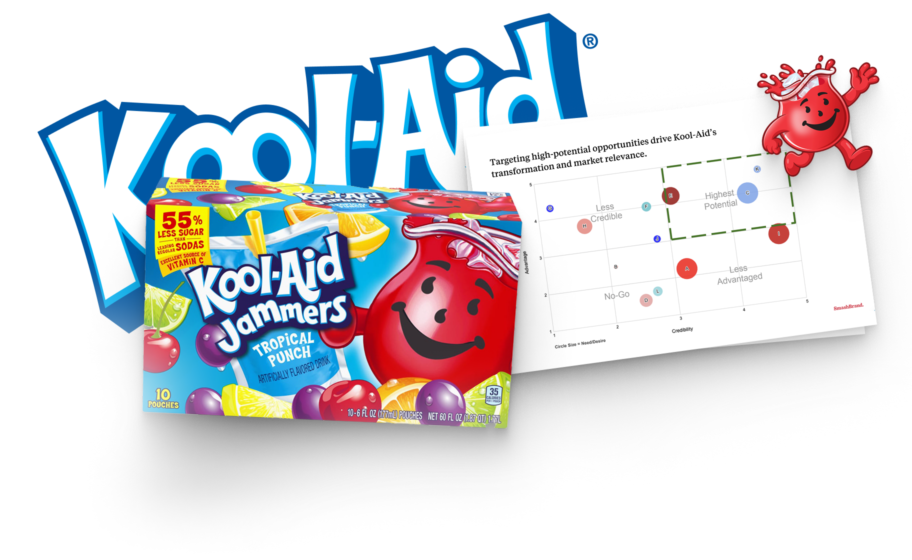
Now, the question is which one is more effective. And the answer? It depends. Each type of innovation has pros and cons; therefore, CPG brands must make decisions based on market data and current trends.
Product-based innovation
Product innovation is the lifeblood of CPG brands. It involves creating or improving new products to meet evolving consumer needs. Product innovation can range from introducing new flavors or formulations to developing entirely new product categories.
For instance, a snack brand might launch a line of plant-based alternatives to cater to health-conscious consumers. A beverage company could also develop a functional drink with added vitamins and minerals. These innovations expand product lines and reinforce the brand’s commitment to meeting consumer demands.
Packaging Innovation
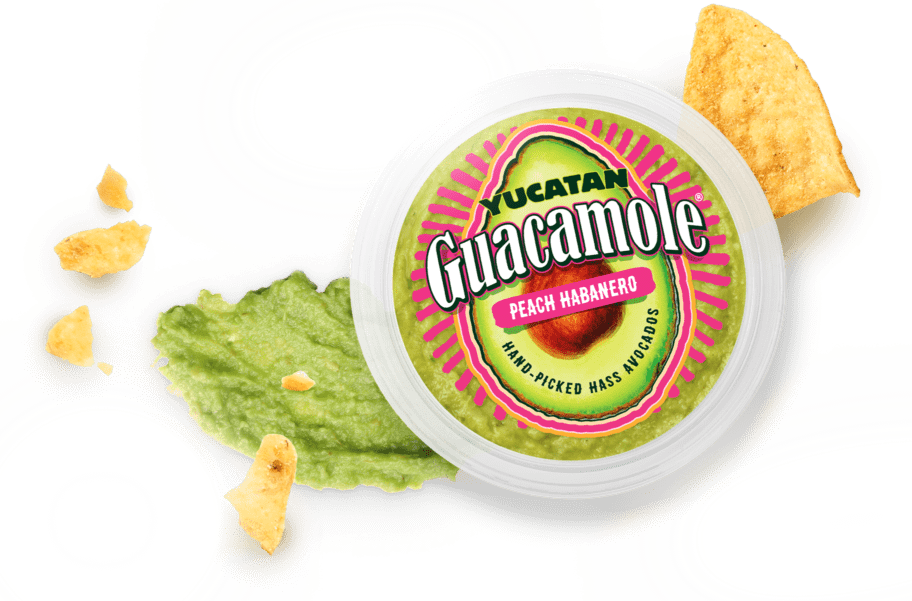
Packaging is the first point of contact between a product and a consumer. Innovative packaging significantly impacts brand perception and product appeal. In the CPG sector, packaging innovation goes beyond aesthetics; it addresses functionality, sustainability, and consumer convenience.
A cereal brand might introduce resealable packaging to maintain freshness, or a personal care product could switch to eco-friendly materials that appeal to environmentally conscious customers. Such innovations enhance the product experience while aligning with the brand’s values and identity.
Marketing Innovation
Marketing innovation involves finding new ways to communicate brand messages and engage consumers. It’s about creating novel experiences that resonate with the target audience and differentiate the brand in a crowded marketplace.
A CPG brand might leverage augmented reality to create interactive packaging experiences or develop a personalized subscription service based on individual consumer preferences. These innovative approaches capture attention and build deeper connections with consumers.
Practical brand innovation requires a holistic approach integrating product, packaging, and marketing innovations. It’s about balancing corporate and product branding and ensuring that individual product innovations align with and reinforce the overall brand strategy.
Critical Elements of Successful Brand Innovation
Several critical elements drive successful brand innovation, each contributing to meaningful change and sustained growth. These include:
Consumer-Centric Approach
Successful innovation relies on a deep understanding of the consumer wants and needs. Brands that excel in the market prioritize consumer needs, preferences, and pain points in their innovation efforts. Engaging directly with the audience, gathering feedback, and leveraging consumer insights ensure that the new product or strategies align well with the market and address real needs.
Leveraging Market Trends and Insights
Staying ahead requires an acute awareness of market trends. A strong brand is skilled at identifying and converting emerging patterns into an innovative idea. It might involve analyzing sales data, conducting thorough market research, or monitoring social media for shifts in consumer sentiment. By staying attuned to these insights, brands can anticipate changes in consumer behavior and maintain relevance in a fast-evolving marketplace.
Balancing Tradition with Innovation
Innovation doesn’t mean abandoning a brand’s heritage. Top brands innovate while remaining true to their core values and established identity. This balance allows them to grow and evolve without alienating their loyal customer base. It’s about discovering new ways to express the brand’s essence while embracing fresh opportunities for expansion.
Embracing Emerging Technologies
Technology is a powerful driver of innovation in the CPG industry. Forward-thinking brands quickly adopt new technologies that enhance the consumer experience or improve operational efficiency.
It could include AI-driven personalization in marketing, blockchain for supply chain transparency, or IoT devices for more innovative packaging. Embracing these technologies sets brands apart and opens new pathways for innovation.
Fostering a Culture of Innovation within the Organization
Innovation thrives in environments that support creativity and calculated risk-taking. To foster this culture, successful CPG brands establish processes for idea generation, reward innovative thinking, and provide resources for experimentation. It enables them to generate fresh, innovative ideas from within continuously.
The Brand Innovation Process
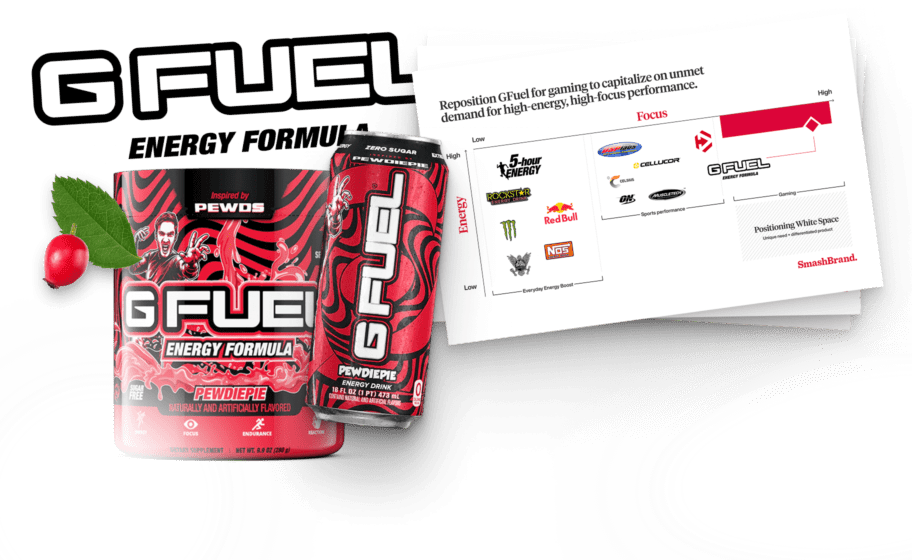
The brand innovation process begins by setting practical and achievable goals. For instance, a company may want to differentiate itself from competitors or boost its revenue growth. Once a practical goal is defined, it must follow these steps:
Identifying Opportunities for Innovation
The first step is to spot the gap in the market or unmet consumer needs. It requires a keen understanding of the current brand positioning and market dynamics. CPG brands often use data analytics, consumer research, and trend forecasting to pinpoint areas ripe for disruptive innovation. This stage sets the foundation for a solid brand development strategy.
Ideation and Concept Development
Once opportunities are identified, the next step is to generate ideas. This phase encourages creative thinking and the exploration of out-of-the-box solutions. Teams brainstorm concepts that align with the brand’s identity and meet consumer needs. During this stage, it’s essential to consider different types of product branding, ensuring that new ideas complement and enhance the existing brand portfolio.
Testing and Validation
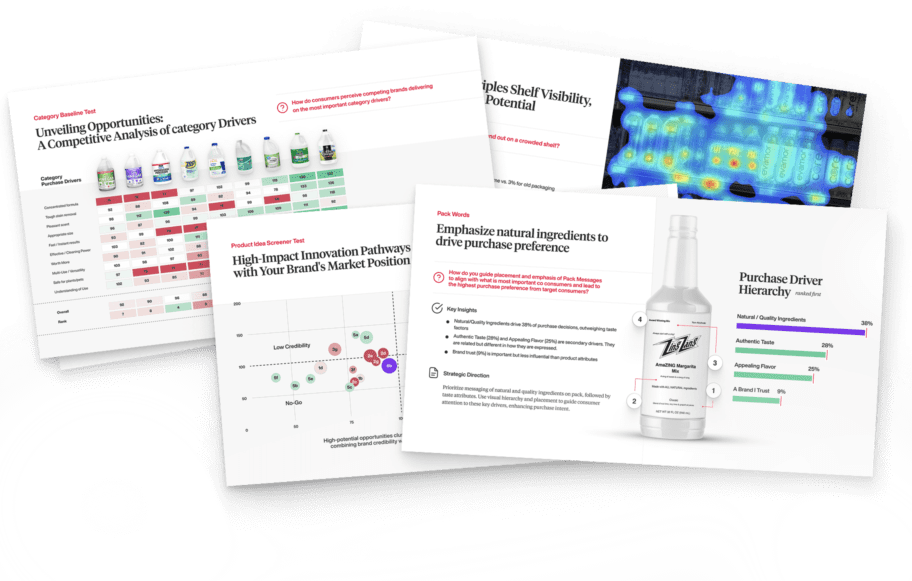
Concepts must undergo rigorous testing before moving to a full-scale launch. It involves developing prototypes, conducting consumer focus groups, and running small-scale market tests. The goal is to validate the branding innovation’s potential and refine the concept based on real-world feedback. This stage is critical for mitigating risks and optimizing the product for success in the market.
Launch and Implementation
The final stage is bringing the innovation to market. It involves coordinating various aspects of brand development, including packaging design, promotional strategies, and distribution channels. A well-executed launch can generate buzz and drive initial adoption, setting the stage for long-term success.
Challenges and Risks in Brand Innovation
Balancing Innovation with Brand Consistency
One of the most significant challenges in brand innovation is maintaining consistency with the existing brand. While innovation is necessary for growth, it must align with the brand’s established identity and values. Straying too far from what consumers recognize can dilute brand equity and confuse the market. Successful brand innovation involves finding the right balance—introducing new ideas that enhance the brand without disrupting its essence.
Managing Costs and ROI
Innovating can be costly, and managing those expenses while ensuring a positive return on investment (ROI) is a critical challenge. Developing a clear financial plan that includes budgeting for research, development, marketing, and launch efforts. Brands must also consider the long-term impact of innovation on profitability, carefully weighing potential gains against the associated costs.
Regulatory Constraints
The regulatory environment can pose significant risks to brand innovation, especially in the CPG industry. New product branding or reformulations must comply with industry regulations, which can vary by market and product category. Working through these constraints requires a thorough understanding of the legal landscape, as non-compliance can lead to costly setbacks and damage to the brand’s reputation.
Overcoming Consumer Resistance to Change
Consumers can resist change, especially when it involves products they already know and love. Introducing innovations that alter the customer journey or consumer product branding can lead to pushback. Brands must carefully manage this transition. They must leverage powerful brand innovation strategies to communicate the benefits of new offerings while reassuring customers that the core qualities they value remain intact.
Maintaining Brand Loyalty While Innovating
Innovation success is about knowing what not to change. Experience innovation must deepen the relationship your consumers already have with your brand, not confuse or alienate them. The goal isn’t disruption for its own sake. It’s precision: improving what matters, preserving what connects.
At SmashBrand, we treat brand loyalty as a non-negotiable. That means every move is informed by data, not guesswork. We map the consumer journey and build innovation incubators around what your loyal customers value most, so new developments feel like evolution.
A strong marketing strategy perfectly aligns innovation and loyalty. Because the only kind of innovation success that matters is the kind that grows your audience without losing the ones who got you here.
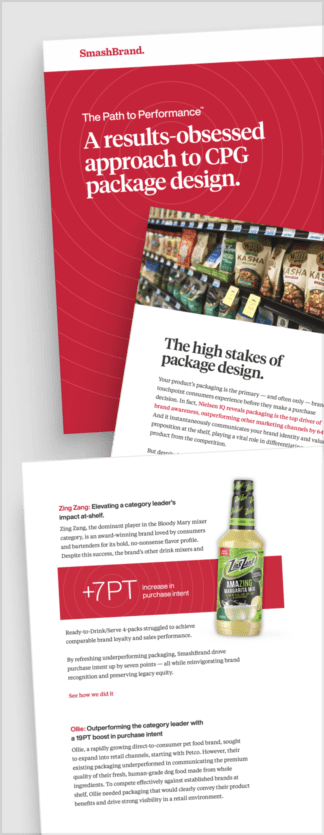
Path to Performance™
Taking a results-obsessed approach to CPG package design.
Discover how SmashBrand’s proprietary process, rooted in scientific principles, informed by data, and validated by your target audience, eliminates the guesswork from package design and delivers guaranteed results.
"*" indicates required fields
Measuring the Impact of Brand Innovation
What is brand innovation if it doesn’t move the needle? At SmashBrand, we build competitive advantage through breakthrough innovation that delivers measurable outcomes.
The right KPIs make or break your ability to assess that impact. Here’s what matters:
Sales Lift from Innovation: If new products or improved offerings aren’t driving sales, they aren’t working. Branding innovation should translate directly into increased revenue.
Market Share Gains: Breakthrough innovation wins territory. We track how your innovations capture share and secure a new brand moat.
Brand Awareness & Recognition: Great innovation improves the brand experience. If more consumers know you, remember you, and choose you, you’re doing it right.
Customer Acquisition: Strong branding and innovation pull in new buyers. If your product’s evolution doesn’t attract new users, it’s time to rethink the strategy.
Social Engagement & Sentiment: The best brand storytellers don’t just create buzz, they drive belief. We analyze how consumers interact with your brand and how your innovations shift perception.
Innovation without outcomes is noise. These metrics reveal whether your efforts are building a stronger, more resilient brand or falling into the structural reasons brands fail.
Long-Term Effects on Brand Equity and Market Position
The full value of branding and innovation doesn’t show up overnight. But when done right, the long game pays off in ways that matter: growth, resilience, and market leadership.
To understand if your brand innovation strategy is actually building equity, track these critical signals:
Brand Value Uplift: Look beyond the surface. A growing brand should show a measurable increase in its financial value, not just internal excitement.
Market Position Movement: Effective branding innovations shift how your brand stacks up against the competition. If perception isn’t changing, neither is your position.
Sustained Competitive Advantage: Short-term spikes are easy. Long-term edge is hard. Brands innovation needs to generate lasting differentiation, not just novelty.
Pricing Power Retention: Innovation in branding should create enough perceived value to support a price premium without sacrificing velocity.
These are the KPIs that separate performance-led branding from vanity exercises. When brand and innovation are aligned, they make a measurable impact.
At SmashBrand, we design brand innovation strategies with these outcomes in mind. Every design, every test, every strategy point is engineered to create a brand that performs now and wins over time.
Customer Loyalty and Retention Metrics
Innovation should strengthen relationships, not introduce friction. If your work is fueling brand growth, these are the signals that matter.
Start with customer lifetime value and repeat purchase rates. They reveal whether your branding strategy is doing real work, driving preference, not just trial. Loyalty scores and NPS show how well brand building efforts translate into advocacy and ongoing customer engagement.
The takeaway is simple: smart, innovative solutions should reinforce trust, not risk brand damage. When backed by continuous brand research, clear brand education, and aligned content marketing, these metrics confirm whether innovation is shaping consumer preference and delivering long-term returns, exactly what any branding strategy insider should be watching.
Assessing the Success of Innovative Strategies
Innovation only matters if it performs. Measuring success means looking beyond ideas and focusing on outcomes that strengthen brand strategy and innovation in real market conditions.
Start with return on investment. A strong brand strategy innovation framework ties spend to measurable lift, not vanity metrics. Track speed-to-market to ensure innovation branding efforts don’t stall before they reach the shelf. Then evaluate launch performance, how often branded innovation actually earns trial, repeat, and share.
Finally, assess internal momentum. An innovative brand is built by teams who contribute, iterate, and execute. When innovation design and branding are aligned with performance metrics, you build an innovation brand that delivers predictable growth.

Nice Package
Don’t miss out on our monthly newsletter Nice Package!
Each month, we deliver a data-driven newsletter directly to your inbox, unpacking a critical topic in the FMCG & CPG industry.
"*" indicates required fields
Data-Driven Brand Innovation and Development
Want to build a unique brand identity and stand out in a crowded market? SmashBrand can help. Our data-driven brand development and innovation strategies will increase your brand recall, help you build a distinguished identity, and make you an industry leader in the target category. Contact us today to discuss your project.

A seasoned veteran in the CPG (Consumer Packaged Goods) industry, Jason Vaught brings a wealth of knowledge and hands-on experience as the director of content and marketing for SmashBrand. His comprehensive role at the forefront of brand communication ensures that CPG brands remain well-informed about the suite of services SmashBrand offers. Furthermore, his insights derived from the company's strategy, design, and testing services are invaluable to brand owners and managers seeking expert guidance.
From his early endeavors in launching a successful sports nutrition brand that gained prominence in significant bodybuilding and fitness retail spaces to his entrepreneurial ventures in kick-starting multiple brick-and-mortar and e-commerce startups across diverse industries, Jason's career is studded with substantial milestones. Notably, he has innovated numerous products later embraced by leading industry brands, showcasing his knack for anticipating market demands and setting trends.
Jason's journey in the CPG industry commenced at age 21. Over the years, he has worn multiple hats, ranging from a manufacturer and retailer to a distributor and brand owner. This multifaceted experience equips him with the rare ability to offer practical advice grounded in real-world expertise. His mission is to guide and support other CPG brand owners, directors, and managers on their path to success.
Subscribe to
Nice Package.
SmashBrand’s Nice Package: Stay current with our latest insights
Free Resource.
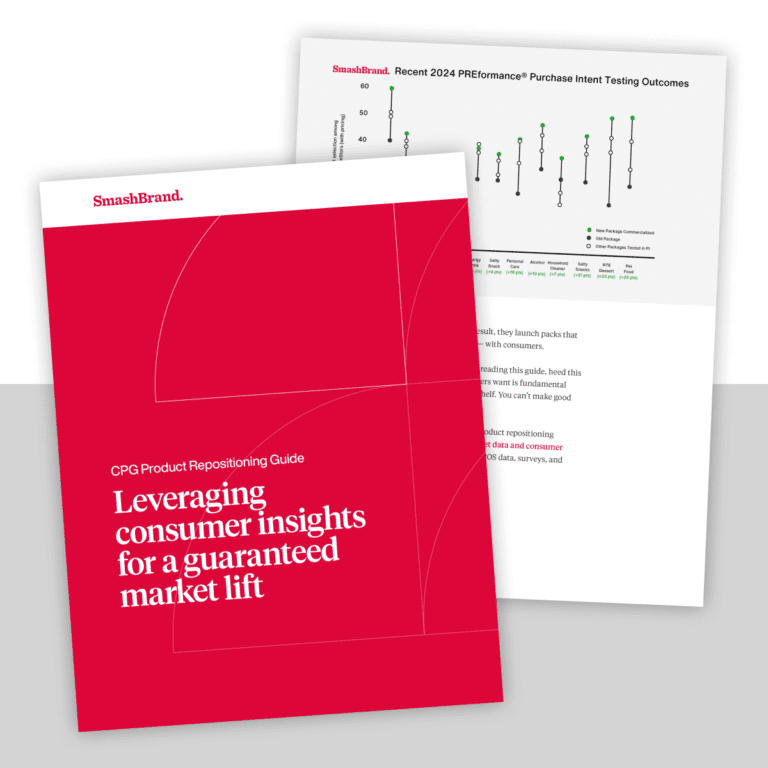
CPG product repositioning guide.
Explore the five undeniable signs your CPG product needs repositioning along with strategies for leveraging consumer insights for a guaranteed market lift.
Download Whitepaper About CPG product repositioning guide.