
 Overview
When Cadbury launched its instant mashed potatoes, we had a clear example of where product line stretching doesn’t work. But when Dole expanded its product line from canned fruit to frozen fruit bars, consumers responded well to the expansion. These contrasting outcomes indicate that product line extensions can be risky if not executed properly, but they can also be a real opportunity for those who get it right.
So, what separated Dole from Cadbury? It wasn’t just luck. Dole tapped into a natural extension of its brand promise, fresh, wholesome fruit in a new format that met consumers’ expectations. On the other hand, Cadbury ventured into an area disconnected from its brand identity, confusing consumers and putting the brand at risk of dilution.
This article uncovers the secrets of successful product line stretching. You will learn how to turn your brand’s next move into a category-capturing masterpiece. Read on to find out!
What is Product Line Stretching?
For those with less experience in CPG, let’s clarify what product line stretching means. It’s a strategy where a company expands its product line to reach new market segments or meet different consumer needs. Think of it as adding new variations to your signature dish to appeal to diverse tastes or budgets.
Product line stretching involves broadening your product mix by introducing new items, directly or indirectly related to your core offerings, that differ in price, quality, or features. This can happen through brand extension (entering new product categories) or product line extension (adding variations within your current category).
For example, a cereal brand might introduce different flavors or healthier versions or venture into granola bars. While successful stretching can open new revenue streams and attract new customers, staying true to your brand’s identity is crucial. Remember, the goal is to expand your reach without diluting your brand’s core values and strengths.
Types of Product Line Stretching
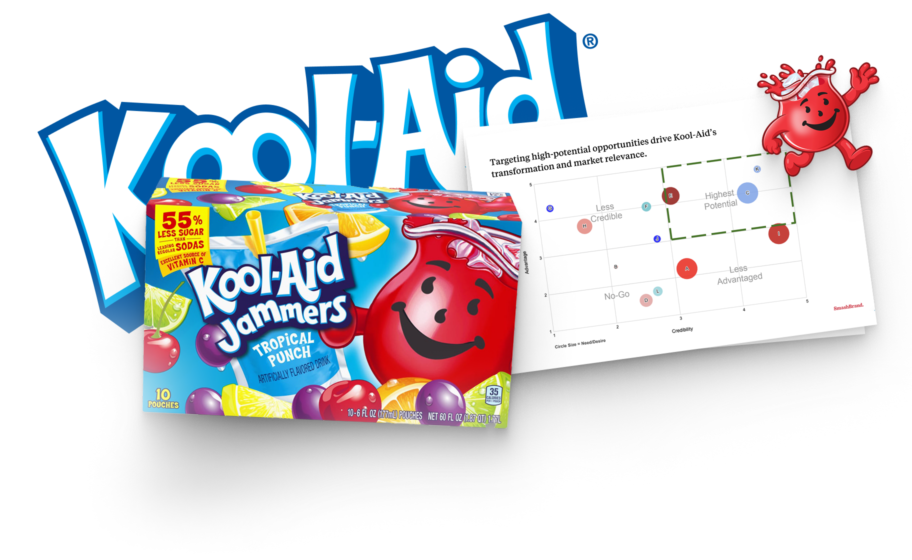
CPG Brands uses several line stretching strategies. These approaches allow companies to expand their offerings through strategic product line extensions. Whether filling gaps in an existing lineup or creating an entirely new product line, understanding these strategies is crucial. You must understand the four main types of product line stretching to make informed decisions and maximize your market growth.
Upward Stretching: When brands launch premium or high-priced versions to distinguish themselves from competitors and elevate their brand. For instance, Häagen-Dazs launched Vanilla Swiss Almond and Bananas Foster as exotic flavors.
Downward Stretching: Companies at the upper end of the market launch a budget-friendly or downward product line to fill a market gap. This additional product line makes the existing brand more accessible, increasing brand value. Nestlé’s Maggie is an excellent example of a downward brand stretch.
Two-Way Stretching: When companies extend their product lines in both upward and downward directions to cover a broader market segment. For instance, Unilever’s Magnum Ice Cream, a premium product, offers an accessible version.
Horizontal Stretching is when brands expand their product portfolio by offering variations within the same price range to cater to different tastes or preferences. For instance, Lay’s introduced new flavors such as Wavy Funyuns while keeping the same price as standard Lay’s chips.
The Risks of a Failed Product Line Stretch
Expanding your product line can unlock significant growth, but it is fraught with risk. The biggest threat? Brand dilution. Extending into unrelated categories or launching subpar products can erode consumer trust and compromise your brand’s identity.
Failed stretches lead to customer confusion, diluting your core message and damaging your reputation. Introducing a product that fails to resonate with your audience can cannibalize existing sales and undermine the entire product portfolio.
For founder-led brands, the stakes are even higher. A misstep can drain cash reserves, derail momentum, and jeopardize the business. Founders must weigh the potential rewards against the risks; losing early adopters’ trust could mean losing the brand’s lifeblood. To succeed, it’s essential to preserve the authenticity and core values that attract customers in the first place, even as you expand the product line.
The Product Line Stretch Process
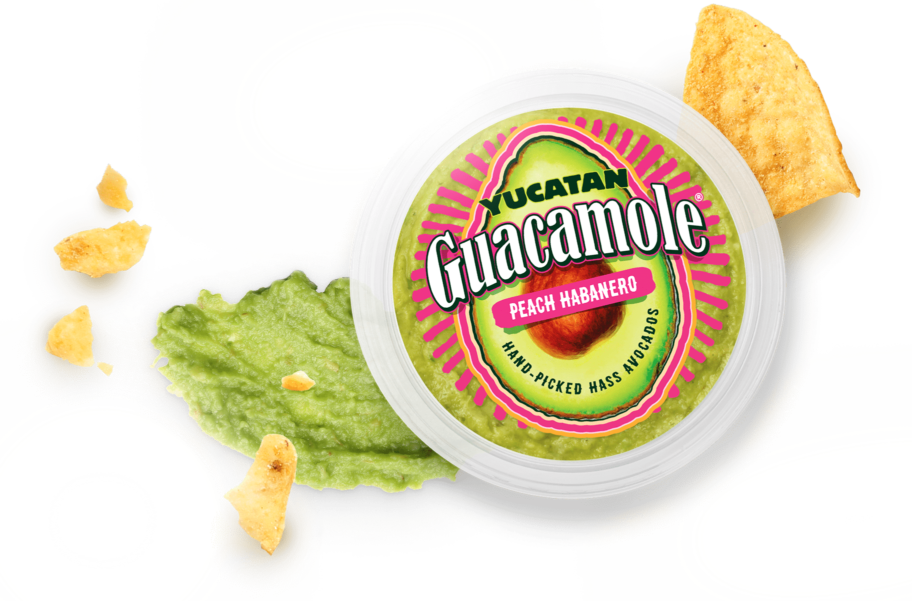
The Product Line Stretch process leverages your brand’s equity to explore and develop new product ideas. It identifies areas where the brand can extend into new categories or markets without straying from its core identity.
Using innovation platforms, SmashBrand generates and tests these ideas with real consumers to ensure they align with consumer expectations and your brand’s credibility.
This consumer validation minimizes risk and maximizes the potential for success of each new product. The process focuses on identifying white-space opportunities and expanding the brand into higher-margin categories, ensuring profitable growth while maintaining brand integrity.
Product Architecture
The first step in the product line stretch process is building a clear product architecture. This framework organizes product offerings to ensure that new additions complement existing products.
Companies can maintain brand consistency and avoid diluting their messaging by understanding how different products will interact within their overall portfolio. This architecture enables thoughtful expansion and serves as a blueprint for subsequent product line decisions.
Idea Exploration & Assessment
Once the product architecture is established, the next phase is idea exploration. It involves identifying potential product line extensions and assessing their viability. Smashbrand’s product idea screener test can be an invaluable tool during this stage. It evaluates and prioritizes new product concepts based on their market potential. It measures consumer interest, perceived uniqueness, and the potential fulfillment of needs by new ideas.
This test ranks concepts, allowing CPG brands to allocate resources efficiently and focus on the most promising innovations. Simulating real-world buying experiences offers insights into initial consumer reactions, purchase intent, and perceived value of innovation concepts.
Validate Stretch Opportunities
Every idea isn’t worth pursuing. That’s why it’s necessary to validate your stretch opportunities through robust consumer testing. Use real-world data and consumer insights to ensure your new product resonates with your target audience. This validation process minimizes the risk of failure by ensuring your new product aligns with consumer expectations and market demand before moving into development.
Packaging Design Strategy
Packaging is more than just protection; it’s a powerful tool that sets your product apart and communicates its value. Adequate packaging becomes critical in defining your market position as your brand expands into new categories or introduces premium products.
Smart packaging design can support higher margins by signaling quality and exclusivity, especially for premium product offerings. It adapts to your product’s life cycle, keeping you relevant and competitive from launch to maturity.
Whether introducing a new product line or refreshing an existing one, your packaging must align with your broader product strategy. It’s not just about functionality; it’s a strategic asset that can make or break your market performance.
Go-to-Market Strategy
A well-crafted go-to-market strategy outlines how to introduce your new offerings to your target market segments and maximize their impact. Here’s how to approach it:
-
- Define Your Market: Start with thorough market segmentation. Identify which segments your new products will serve and how they fit into your existing product category mix.
-
- Set Clear Objectives: Establish specific, measurable goals for your product line extension. These could include market share targets, revenue projections, or brand awareness metrics.
-
- Develop Your Value Proposition: Clearly articulate how different products address unique customer needs within each market segment.
-
- Price Strategically: Your product line pricing should reflect the positioning of each item. Consider how new products fit into your overall pricing structure.
-
- Choose Distribution Channels: Determine the most effective channels to reach your target customers. This may involve expanding or adapting your current distribution network.
-
- Plan Your Marketing Mix: Develop a comprehensive marketing plan that includes advertising, promotions, and public relations strategies tailored to each product and market segment.
-
- Prepare Your Sales Team: Equip your sales force with the knowledge and tools they need to sell your expanded product line effectively.
- Launch and Monitor: Execute your launch plan and closely monitor performance throughout the product life cycle. Be prepared to make adjustments based on market feedback and sales data.
Brand Level Considerations Before Moving Forward With A Stretch
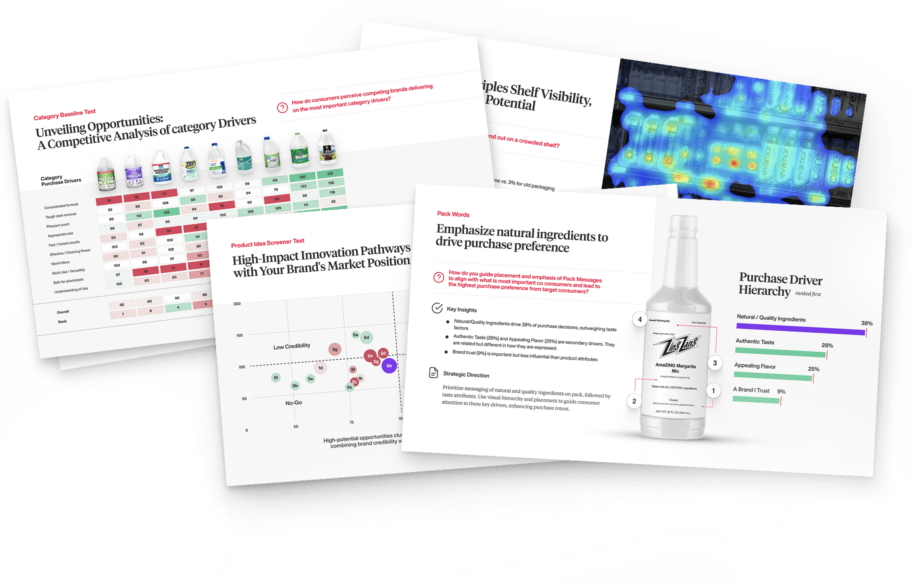
Before extending your product line, it is essential to evaluate several brand-level factors. Start by examining your brand’s heritage and vision. Any new product must align with the founder’s vision and core values to preserve consistency and prevent brand dilution. Staying true to these principles ensures your brand’s essence remains intact as you expand.
Customer loyalty is equally crucial. Offer exclusive perks or craft targeted campaigns to keep your existing customers engaged while attracting new ones. The goal is to grow your audience without alienating your core supporters.
Resource allocation is another priority. Efficiently manage R&D and marketing resources to balance new and existing product lines. This may require re-prioritizing initiatives or adjusting budgets to ensure new products receive the necessary backing without compromising your core offerings.
Examples of Product Line Stretch
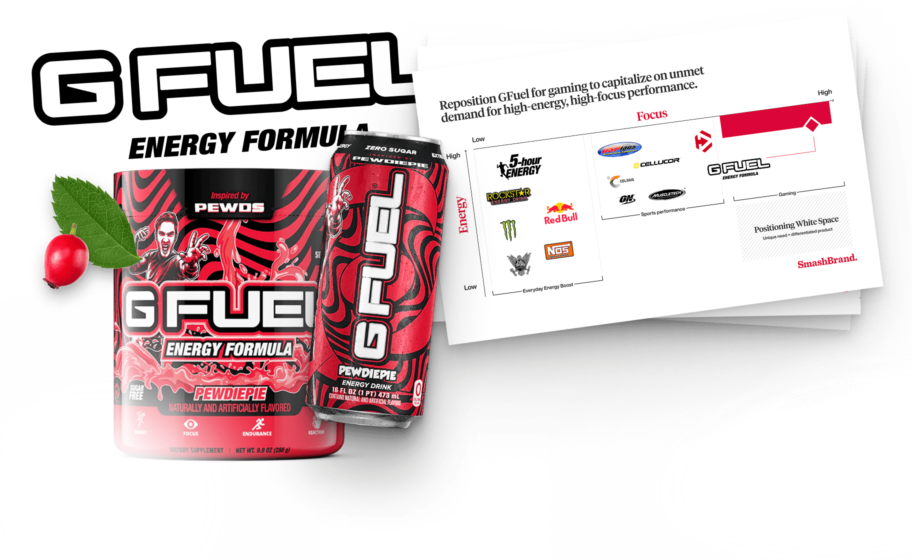
Product line stretches come in various forms, each serving different strategic purposes. These product-line-stretching examples demonstrate how brands can adapt to meet diverse market needs and expand their reach.
Upward Stretch Example
Cinnamon Toast Crunch launched Cinnadust, an upward product line extension. Cinnadust transforms the classic cinnamon-sugar flavor into a versatile seasoning, allowing the brand to tap into new usage occasions and higher-margin food categories, such as baking and snacks.
This stretch into a premium, everyday product expanded brand relevance beyond breakfast, driving incremental revenue while staying true to the flavor profile that consumers love. This was supported by strong brand recognition and consumer demand.
Downward Stretch Example
OXO TOT is a smart example of brand stretching done with discipline. The brand took an existing product line built on durability and functional design, then applied those same principles to a new consumer need: baby feeding and care. Parents weren’t looking for gimmicks. They wanted the same high-performance experience they already trusted in the kitchen.
This product stretching protects brand equity and allows the company to expand into multiple product lines without losing what made the brand matter in the first place. It’s not an upmarket stretch or a premium-level product play; it’s a thoughtful extension that shows stretching line strategies can work beyond upward product line stretching. And while it’s not a classic example of a two-way stretching product line, it shows how even a downward move can reinforce loyalty and open new growth lanes.
Two-Way Stretch Example
Kraft Heinz knows how to stretch both ways without breaking. On one end, it serves up premium condiments, organic ketchups, bold mustards, specialty sauces, crafted for the gourmet shopper willing to pay more. On the other hand, it supplies store-brand condiments that win over price-sensitive consumers.
This two-way stretching approach is smart product management. It maximizes market coverage without compromising brand equity. It’s also a lesson in strategic product line filling, capturing both ends of the market while staying rooted in what makes the brand matter. For more on how this plays out in digital marketing and related products, see the related content.
Horizontal Stretch Example
Lay’s, an established brand with deep customer loyalty, didn’t just sit on its core offering. Through horizontal extension, BBQ, sour cream & onion, and kettle-cooked, they used market research to uncover flavor preferences and expand appeal. The result? Stronger shelf presence, wider reach, and increased profit margins without diluting brand equity. This move shows how an established brand can stretch sideways without losing focus.
Nice Package
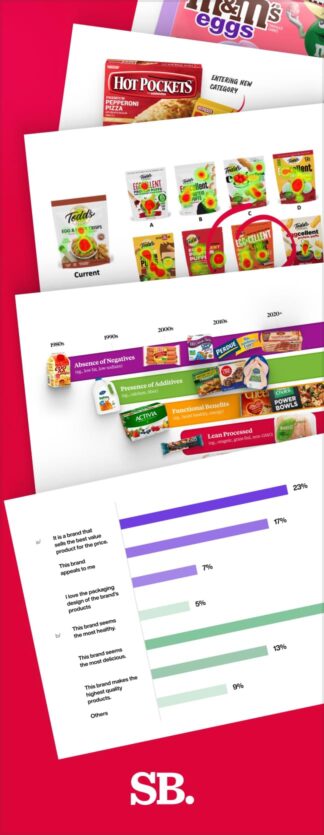
Don’t miss out on our monthly newsletter Nice Package!
Each month, we deliver a data-driven newsletter directly to your inbox, unpacking a critical topic in the FMCG & CPG industry.
"*" indicates required fields
Frequently Asked Questions
What Is The Difference Between A Brand Stretch And A Product Line Stretch?
A brand stretch extends a brand into new, often unrelated categories, leveraging brand equity to enter new markets. A product line stretch expands within the same category, offering variations of existing products.
How Do I Know If My Brand Is Ready For A Product Line Stretch?
To determine if your brand is ready for a product line stretch, assess market demand, analyze consumer feedback, evaluate your brand’s equity, run a store-by-store performance analysis, and ensure you have the resources to support new products.
Is The Process The Same For A Seasonal Product Line Stretch?
Yes, the seasonal product line stretch process is similar but requires additional considerations. Brands should assess seasonal demand, consumer preferences, and market trends while ensuring they can manage production and marketing effectively for limited-time offerings. Timing and promotional strategies are crucial for success.
Data-Driven Product Line Stretching To Avoid Dilution
Want to explore new categories and capture new markets? Smashbrand can help. Our PathToPerformance™ process guarantees a brand performance lift on retail shelves. From strategy to design, we take consumer brands through our Path To Performance™ brand development process, setting them up for long-term success. Book a time to discuss your project with our team.

A seasoned veteran in the CPG (Consumer Packaged Goods) industry, Jason Vaught brings a wealth of knowledge and hands-on experience as the director of content and marketing for SmashBrand. His comprehensive role at the forefront of brand communication ensures that CPG brands remain well-informed about the suite of services SmashBrand offers. Furthermore, his insights derived from the company's strategy, design, and testing services are invaluable to brand owners and managers seeking expert guidance.
From his early endeavors in launching a successful sports nutrition brand that gained prominence in significant bodybuilding and fitness retail spaces to his entrepreneurial ventures in kick-starting multiple brick-and-mortar and e-commerce startups across diverse industries, Jason's career is studded with substantial milestones. Notably, he has innovated numerous products later embraced by leading industry brands, showcasing his knack for anticipating market demands and setting trends.
Jason's journey in the CPG industry commenced at age 21. Over the years, he has worn multiple hats, ranging from a manufacturer and retailer to a distributor and brand owner. This multifaceted experience equips him with the rare ability to offer practical advice grounded in real-world expertise. His mission is to guide and support other CPG brand owners, directors, and managers on their path to success.
Subscribe to
Nice Package.
SmashBrand’s Nice Package: Stay current with our latest insights
Free Resource.
CPG product repositioning guide.
Explore the five undeniable signs your CPG product needs repositioning along with strategies for leveraging consumer insights for a guaranteed market lift.
Download Whitepaper About CPG product repositioning guide.