
 Overview
The shift to omnichannel isn’t just about presence – it’s about performance. Recent data shows that 73% of consumers are now “channel agnostic,” making purchase decisions based on convenience and need rather than channel loyalty. This creates a critical challenge for brands: maintaining consistency while optimizing for channel-specific behaviors.
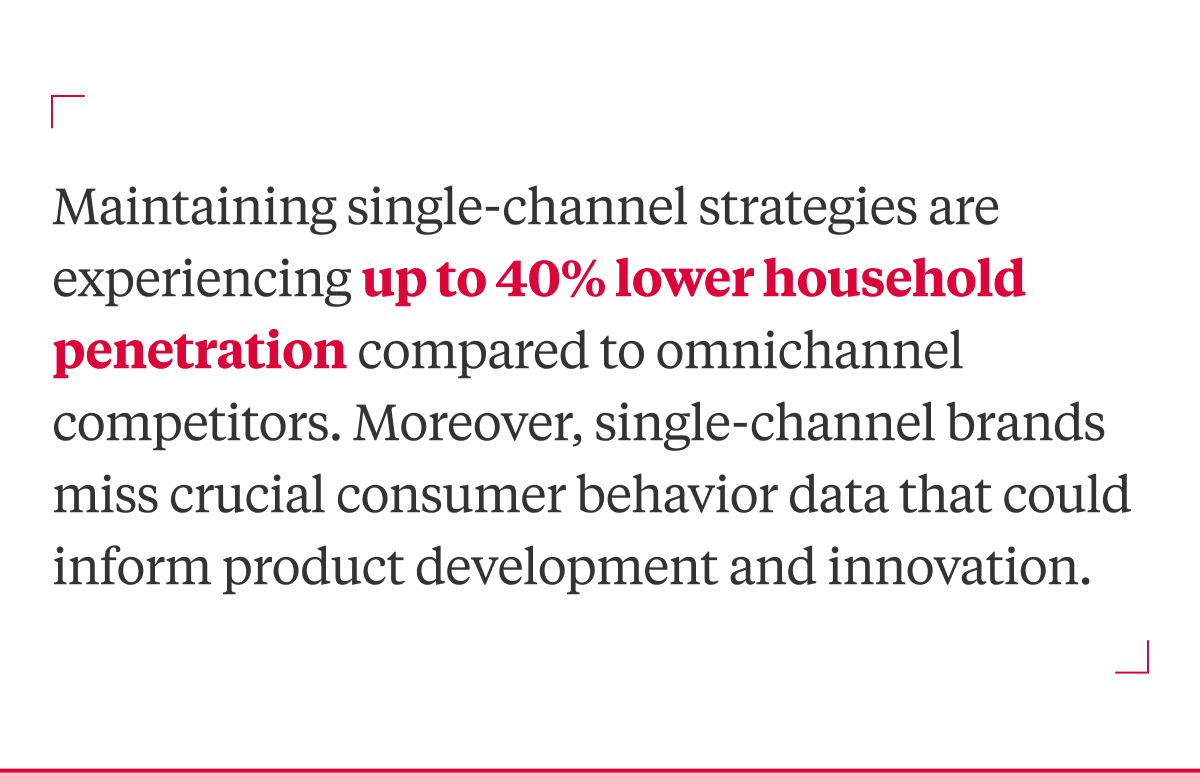
Understanding the omnichannel consumer.
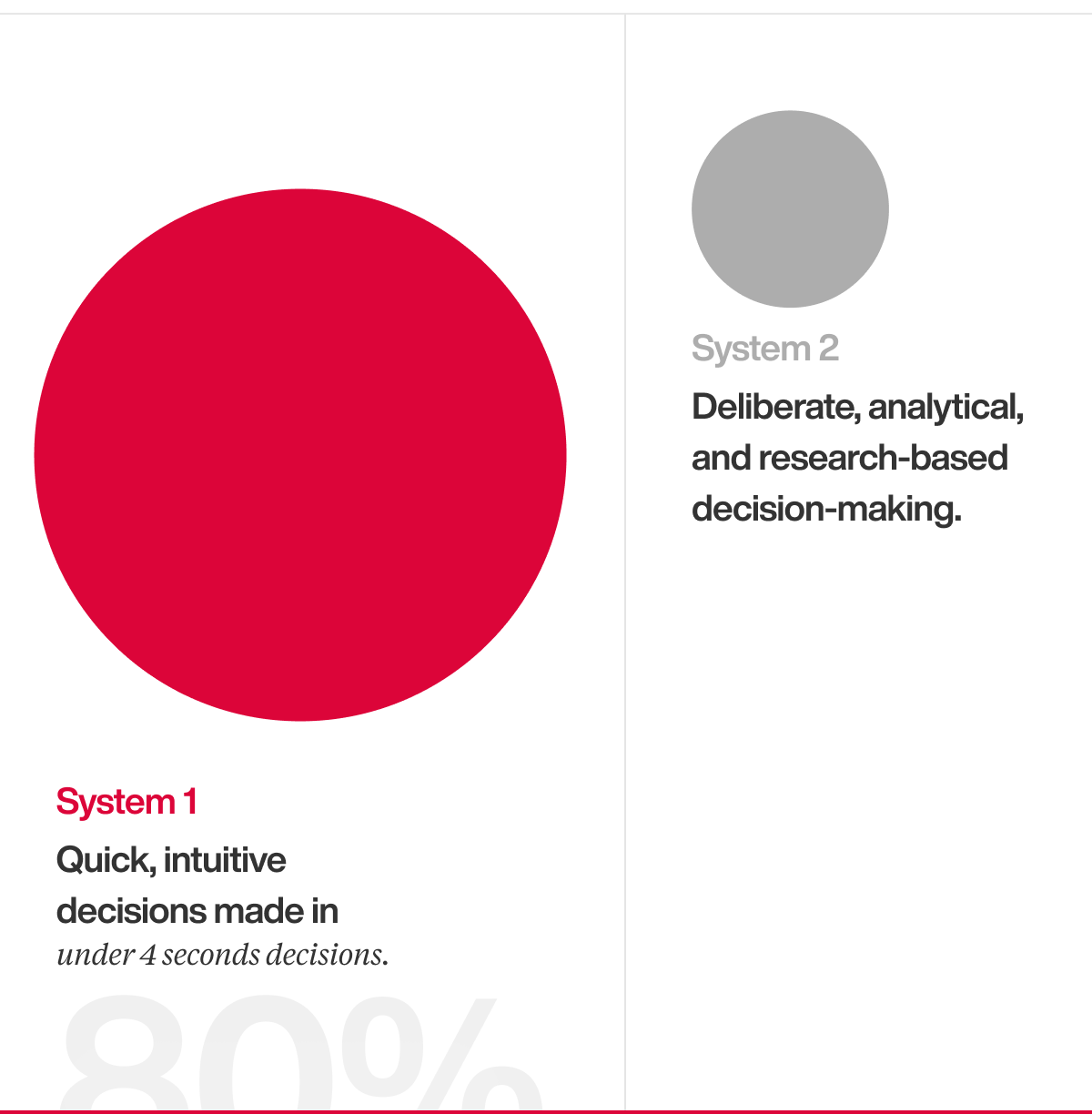
Our research and testing reveal a paradox in consumer behavior: while the fundamental purchase drivers remain consistent across channels, how consumers interact with these drivers shifts dramatically based on context. Through analysis of over 60,000 consumer interactions, we’ve identified that 80% of in-store purchases are driven by System 1 thinking – quick, intuitive decisions made in under 4 seconds. However, in digital environments, while decisions are still quick (averaging 38 seconds), consumers demonstrate more comparative behavior, with 64% viewing at least three product options before making a selection.
What’s particularly compelling is how visual processing adapts across channels. In-store, consumers rely heavily on color blocking and shelf placement, with 52% of purchase decisions influenced by visual distinctiveness. Online, the dynamic shifts significantly – 61% of purchase decisions are influenced by the hero image, while thumbnail clarity becomes paramount, especially considering that 73% of digital shopping now occurs on mobile devices.

Designing for omnichannel success.
The challenge of omnichannel design requires a strategic approach anchored in physical retail success first, then optimized for digital performance. Our analysis of over 200 CPG brands reveals a critical insight: while digital presence is essential, the physical shelf remains the foundation of CPG success. Brands achieving the highest omnichannel success rates share a common approach: they perfect their physical retail presence first, then optimize for digital platforms while maintaining core visual assets and brand blocking strategies.
This physical-first strategy has proven particularly effective, with brands using this approach showing 23% higher overall sales performance compared to those prioritizing digital design. The key insight here is that successful omnichannel design isn’t about creating separate strategies for each channel – it’s about building from a strong physical retail foundation and ensuring digital optimization. Our testing data shows that when brands nail their physical shelf presence first, they’re able to more effectively translate their visual assets to digital platforms while maintaining brand recognition and purchase intent.
What’s particularly compelling is how this approach aligns with consumer behavior patterns. While a large share of shopping may occur on mobile devices, brand recognition and trust are still predominantly built through physical retail encounters. The strongest omnichannel performers understand this dynamic, ensuring their packaging creates strong shelf blocking and visibility in store while maintaining effectiveness when translated to digital thumbnails and hero images.
Positioning for maximum impact.
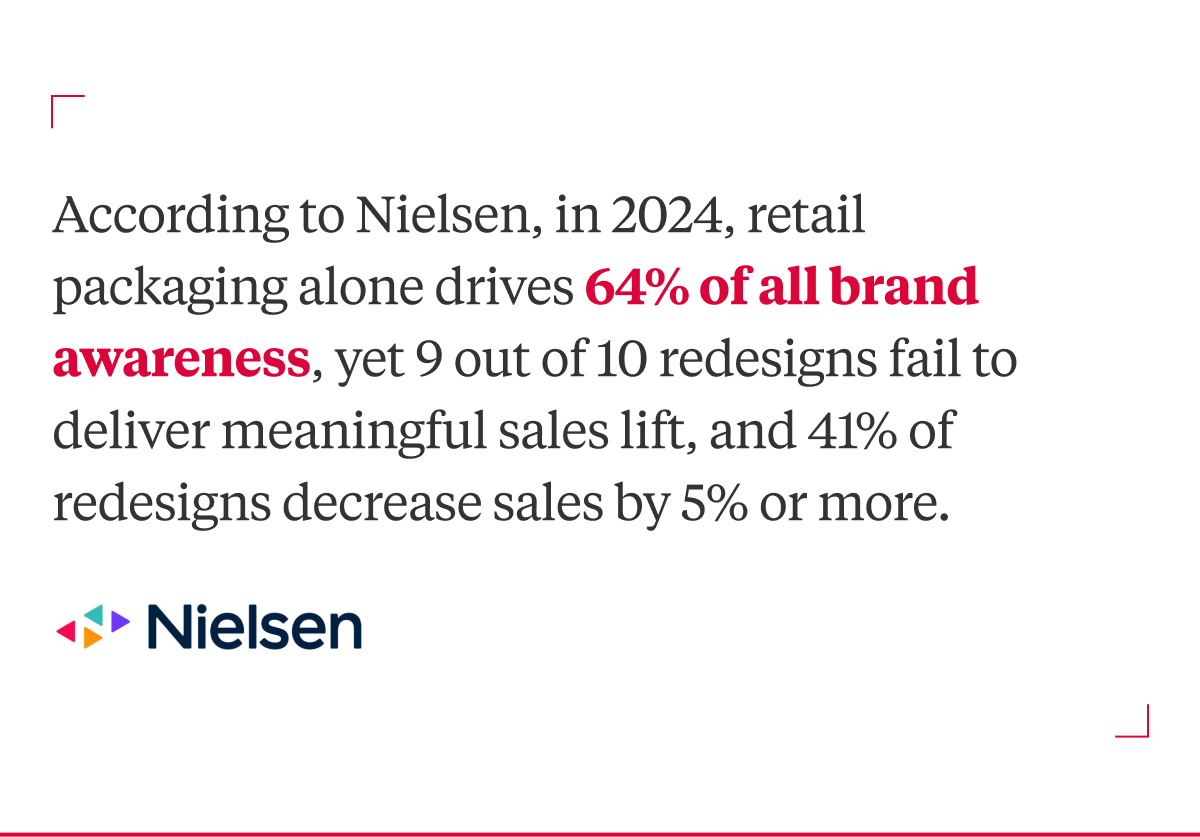
The most successful omnichannel brands understand that positioning isn’t channel-dependent – it’s channel-adaptive. Our research shows that brands maintaining consistent positioning while optimizing their expression for each channel achieve 18% higher brand recognition scores compared to those using channel-specific positioning strategies. The critical factor here is what we call “elastic expression” – the ability to maintain core positioning while adapting the emphasis based on channel dynamics.
For instance, sustainability-focused brands have found that while environmental claims resonate strongly in digital environments where detailed information can be provided, physical packaging requires more immediate, visually-driven sustainability cues.
Ensuring your brand wins before launch.
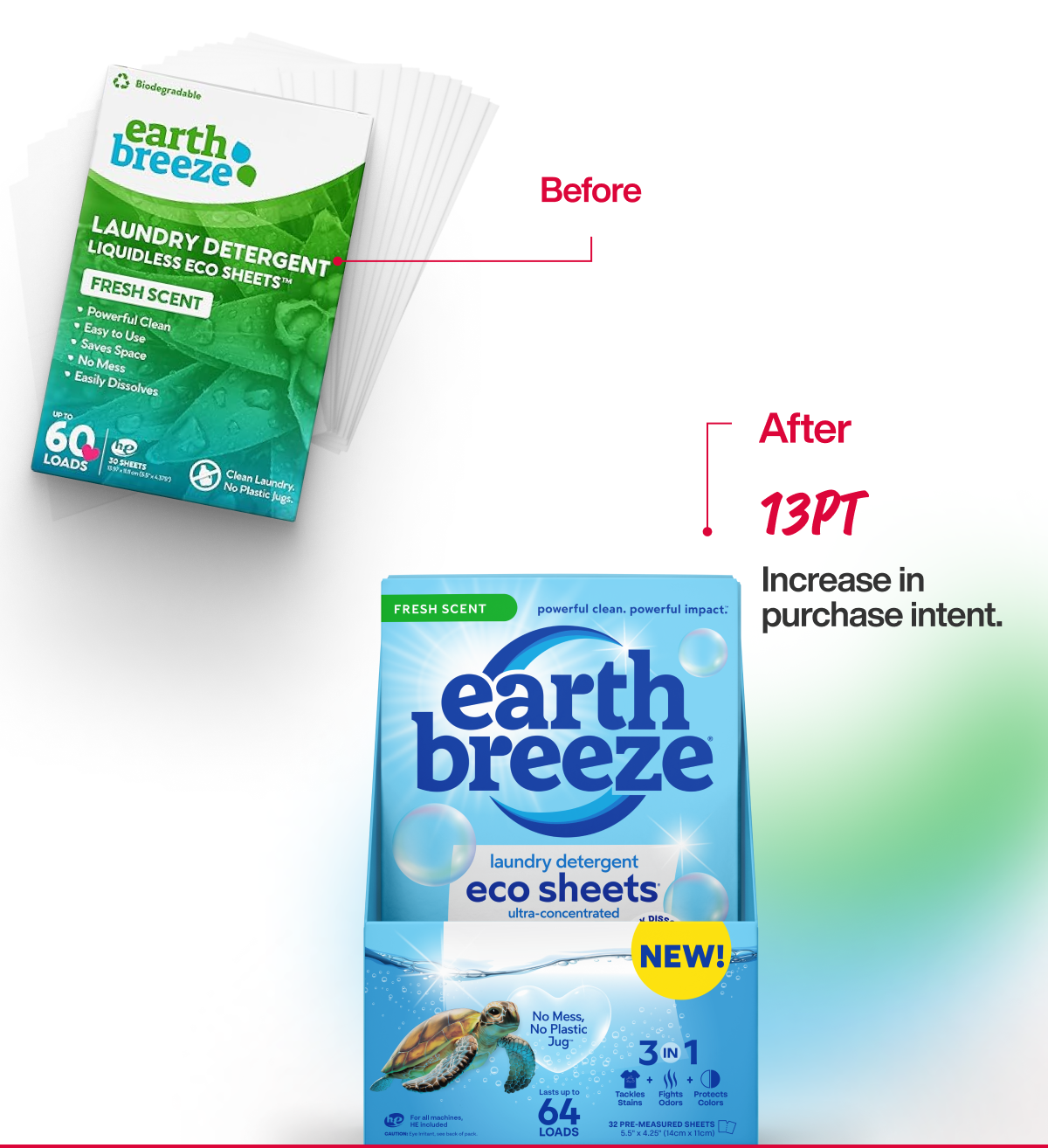
Contemporary market dynamics have fundamentally changed modern consumer testing. Our data shows that brands implementing omnichannel testing before launch are 3.2 times more likely to achieve their first-year sales targets. What’s particularly noteworthy is that 67% of packaging “failures” could have been predicted and prevented through proper omnichannel testing.
The future of omnichannel success.
The retail landscape is rapidly evolving through technological innovation that blurs traditional channel boundaries. AR product experiences, AI-driven consumer analytics, and interactive digital shelves are creating new opportunities for brands to engage consumers across touchpoints.
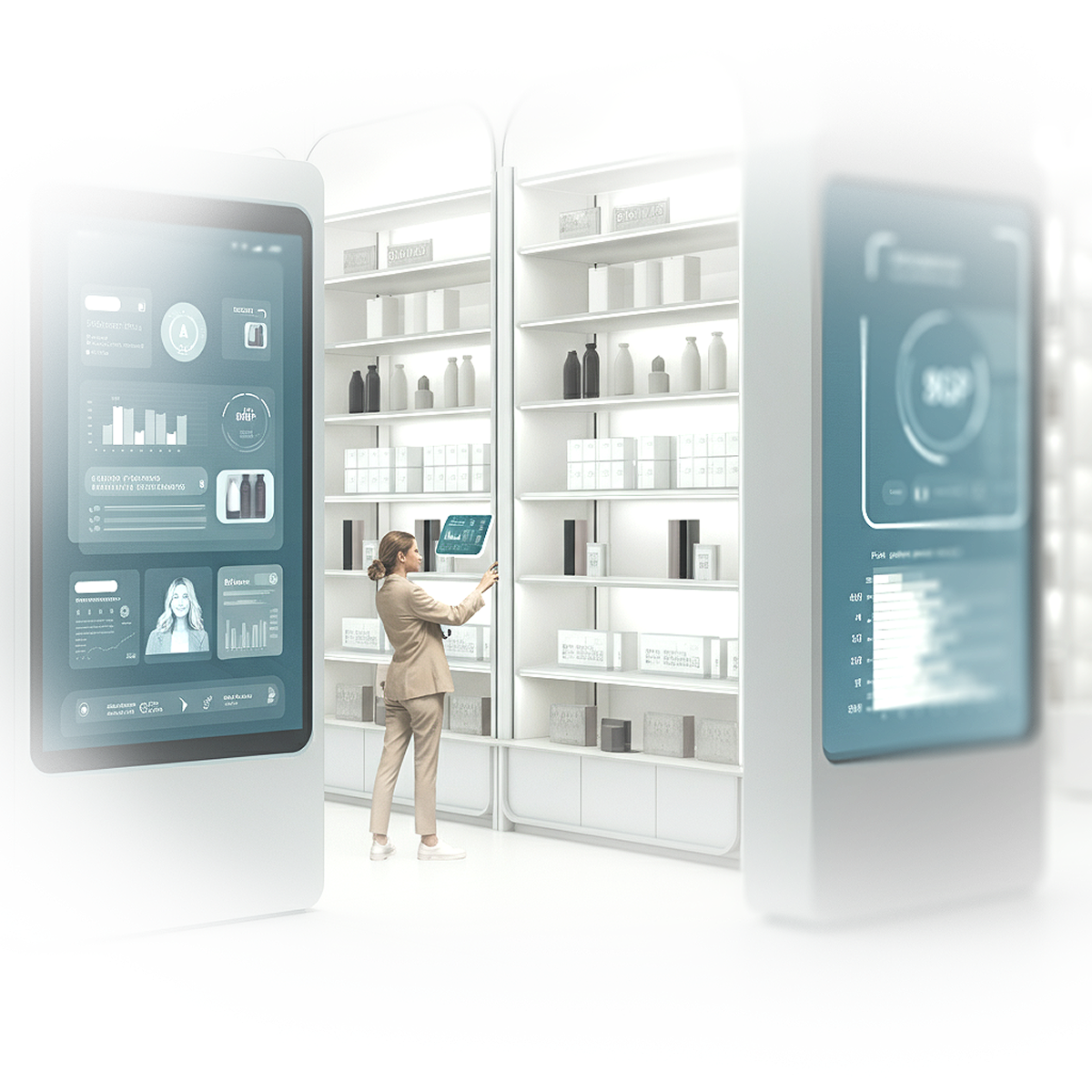
In this dynamic environment, the greatest competitive advantage lies in a brand’s ability to master data and rapidly iterate. Success belongs to brands that can quickly gather, analyze, and act on consumer insights across both physical and digital realms, launching products with strategies that are flexible, responsive, and relentlessly focused on the consumer. This data-driven agility isn’t just advantageous – it’s becoming essential to win in modern omnichannel retail.

A seasoned veteran in the CPG (Consumer Packaged Goods) industry, Jason Vaught brings a wealth of knowledge and hands-on experience as the director of content and marketing for SmashBrand. His comprehensive role at the forefront of brand communication ensures that CPG brands remain well-informed about the suite of services SmashBrand offers. Furthermore, his insights derived from the company's strategy, design, and testing services are invaluable to brand owners and managers seeking expert guidance.
From his early endeavors in launching a successful sports nutrition brand that gained prominence in significant bodybuilding and fitness retail spaces to his entrepreneurial ventures in kick-starting multiple brick-and-mortar and e-commerce startups across diverse industries, Jason's career is studded with substantial milestones. Notably, he has innovated numerous products later embraced by leading industry brands, showcasing his knack for anticipating market demands and setting trends.
Jason's journey in the CPG industry commenced at age 21. Over the years, he has worn multiple hats, ranging from a manufacturer and retailer to a distributor and brand owner. This multifaceted experience equips him with the rare ability to offer practical advice grounded in real-world expertise. His mission is to guide and support other CPG brand owners, directors, and managers on their path to success.
Subscribe to
Nice Package.
SmashBrand’s Nice Package: Stay current with our latest insights
Free Resource.

CPG product repositioning guide.
Explore the five undeniable signs your CPG product needs repositioning along with strategies for leveraging consumer insights for a guaranteed market lift.
Download Whitepaper About CPG product repositioning guide.