
 Overview
The truth is, most brand refreshes fail because the intent isn’t clear. The good news is that it’s fixable; you just need the framework to define the change and the process to validate it properly. Today, you will learn the right approach to a successful brand refresh without losing customers.
The language problem.
“Refresh,” “renovation,” and “rebrand” are all words that get thrown around like they mean the same thing. But in reality, they don’t. And when teams aren’t aligned on what those terms mean and involve, decisions get messy. This is where branding agencies push too far, clients pull back, and consumers get confused.
The deeper issue? There’s no universal language for the degrees of change in branding.
SmashBrand’s framework for clarity.
We use a simple metaphor to define degrees of change: twin, sibling, cousin, neighbor.
- A twin is a near-identical refresh.
- A sibling steps further. It keeps the family resemblance but sharpens the identity.
- A cousin? A significant renovation, probably a rebrand.
- A neighbor? That’s an all-new identity. Not even in the same family.
It’s not just about how much the design shifts. It’s about whether you’re evolving visually or repositioning strategically. Those are two very different plays. And consumers notice.
This framework gives everyone a shared visual language, from brand teams to stakeholders. When change is intuitive, it’s easier to align, easier to sell, and easier to test with real shoppers, not just your gut.
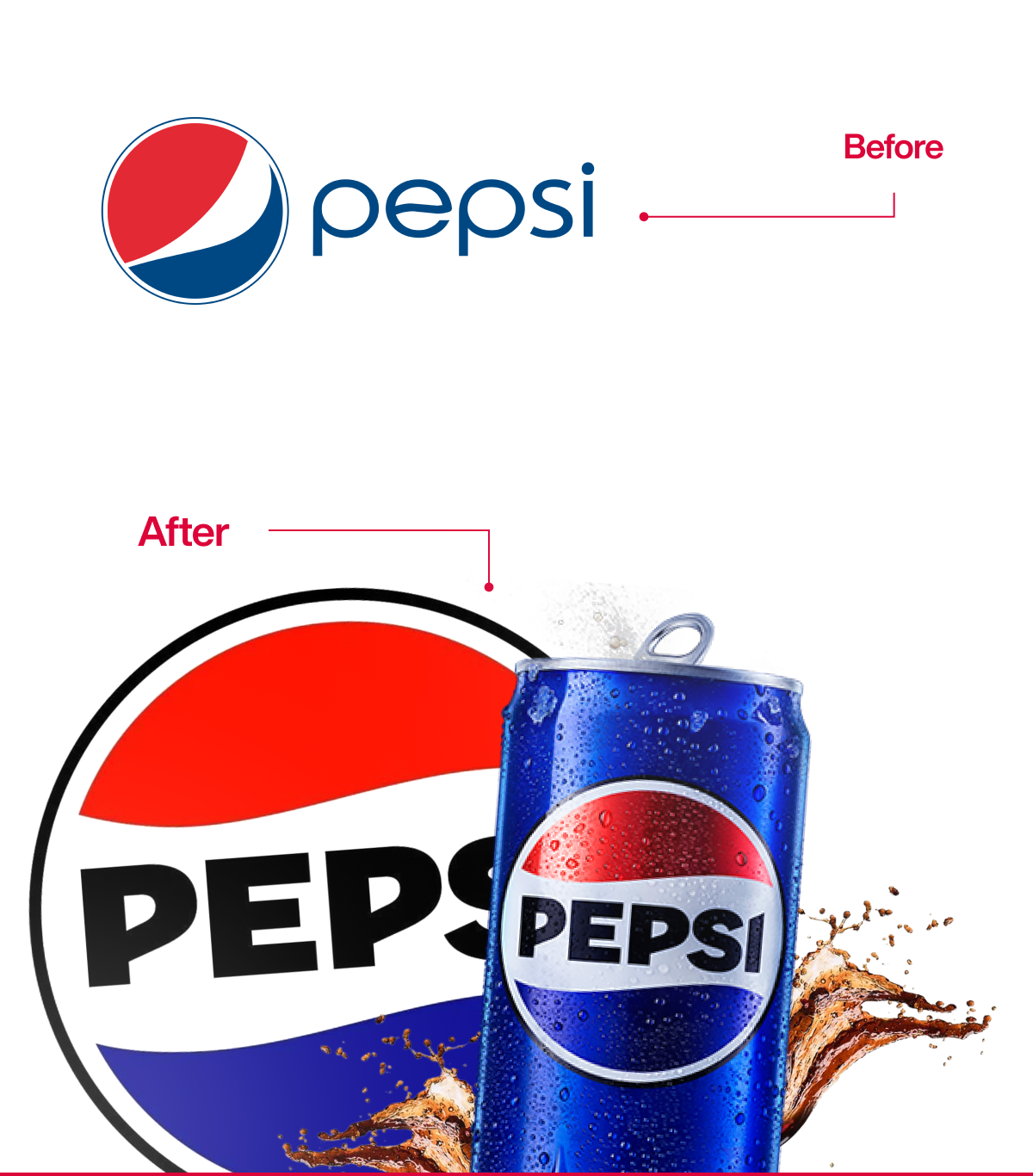
The right way to refresh.
A successful refresh doesn’t start with creativity. It begins with clarity. Here’s how we take the guesswork out of a brand change and guarantee outcomes that keep your customers close and your growth on track.
1. Benchmark Current Equity.
Before making any changes, the first step is to know what’s working and what’s not. At SmashBrand, we run a category baseline test to measure your brand’s current perception, equity, and shelf impact. Then, we identify which visual assets drive recognition and trust, the ones your existing customers rely on to find and buy. This step gives us a clear idea of what not to change.
2. Explore various design options.
Once you have insights from the data, the next step is to explore the spectrum of change. Develop multiple creative directions with your twins, siblings, and cousins, each representing a different design evolution. Then, each route will be tested through a design diagnostic to evaluate visual continuity, brand fit, and cohesion across SKUs.
No subjective opinions—just objective data.
3. Validate what performs.
Your design only matters if it moves people. Simulate real shelf environments and test throughout the process with your current customers and growth consumer audiences. This is where you should check:
- Does the new design preserve loyalty?
- Does it invite new shoppers in?
- Is there a lift worth betting on?
The numbers will tell you when you’ve nailed the balance between familiarity and growth.
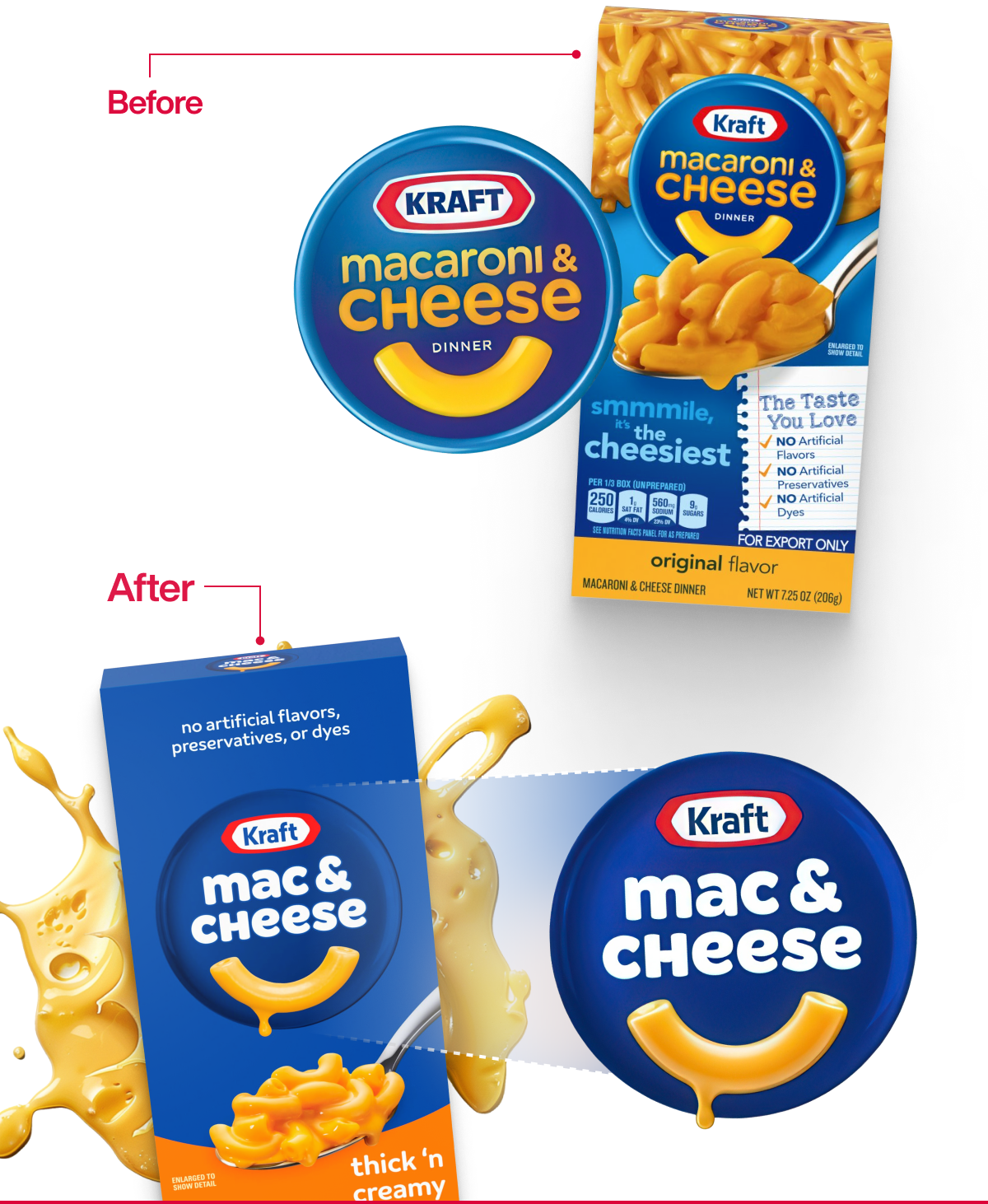
Make the confident call.
Things should be clear enough from the data itself. If the data shows uplift, you go with it. If it doesn’t, continue iterating. Testing iterations before launch might have an upfront cost but it minimizes the risk of failures, saving you significantly more in the long run.

Brand change doesn’t have to feel risky. You just need to define it clearly, visualize the right degree of difference, and back every move with consumer data.
Frameworks help, but stage-gate testing is what creates a brand that wins at shelf.
If you’re unsure how much change your brand needs, let’s map your next move—whether it’s a twin, sibling, cousin, or full-on reinvention. We’ll show you what works before it hits the shelf.

A seasoned veteran in the CPG (Consumer Packaged Goods) industry, Jason Vaught brings a wealth of knowledge and hands-on experience as the director of content and marketing for SmashBrand. His comprehensive role at the forefront of brand communication ensures that CPG brands remain well-informed about the suite of services SmashBrand offers. Furthermore, his insights derived from the company's strategy, design, and testing services are invaluable to brand owners and managers seeking expert guidance.
From his early endeavors in launching a successful sports nutrition brand that gained prominence in significant bodybuilding and fitness retail spaces to his entrepreneurial ventures in kick-starting multiple brick-and-mortar and e-commerce startups across diverse industries, Jason's career is studded with substantial milestones. Notably, he has innovated numerous products later embraced by leading industry brands, showcasing his knack for anticipating market demands and setting trends.
Jason's journey in the CPG industry commenced at age 21. Over the years, he has worn multiple hats, ranging from a manufacturer and retailer to a distributor and brand owner. This multifaceted experience equips him with the rare ability to offer practical advice grounded in real-world expertise. His mission is to guide and support other CPG brand owners, directors, and managers on their path to success.
Subscribe to
Nice Package.
SmashBrand’s Nice Package: Stay current with our latest insights
Free Resource.
CPG product repositioning guide.
Explore the five undeniable signs your CPG product needs repositioning along with strategies for leveraging consumer insights for a guaranteed market lift.
Download Whitepaper About CPG product repositioning guide.