
 Overview
Retailers are under constant pressure to improve margins and deepen customer loyalty, and private label has become one of the most effective levers to do both. That reality has intensified the long-running tension between branded vs private label, especially as economic pressure reshapes how shoppers evaluate value at shelf.
Across CPG, consumers are increasingly trading brand products for cost-efficient or premium private-label products, forcing national brand manufacturers to defend shelf space. At the same time, retailers expand private label goods across multiple categories. In response, retailers are sharpening brand recognition for their own private label brand portfolios, improving quality, tightening the supply chain, and launching new offerings across multiple retailers.
This article breaks down the current private-label landscape and what it means for both parties. You’ll learn why white label and private labeling continue to gain traction, the challenges every private label product faces, how house brands compete with category leaders, and what national brands must do to remain relevant and stocked in a rapidly shifting retail environment.
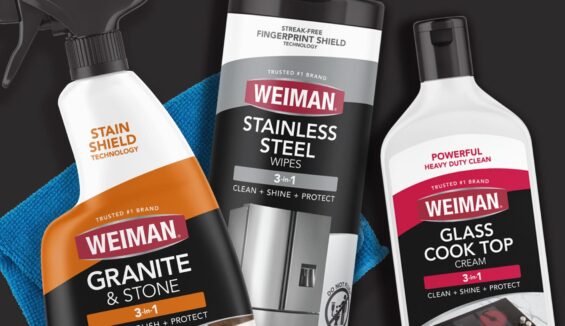
Private label brands are on the rise.
The data is precise: private label is no longer a fringe value play; it’s a core go-to-market strategy for retailers. As prices rise, consumers are reassessing their brand choices, and retailers are expanding private-label assortments across nearly every product line to capture demand.
- Consumers seeking value: A Deloitte survey found that 65% of consumers will switch to a white label option if the price of a brand name product feels too high. Inflation has accelerated this shift, pushing shoppers toward private-label alternatives that deliver comparable product quality.
- Spending more while saving: McKinsey reports increased spending on private label products, driven by the perception of equal quality at a lower price often produced by the same private label manufacturer or third party manufacturer behind national brands.
- Market share gains: According to PLMA, store brand sales rose 11.3% in 2022, signaling that branded vs private label competition now extends retailer-to-retailer as much as brand-to-brand.
- Category and demographic impact: Stylus data shows millennials adopting private label at a 45% purchase rate, with bakery leading at 40% year-over-year growth, underscoring how brand vs private label dynamics vary by category.
To navigate these shifting consumer preferences effectively, modern e-commerce sellers often use tools like Sell The Trend to spot emerging market demands and validate which specific product categories are gaining the most traction.
What the research doesn’t always capture, but is obvious in-store, is the trade-up. Shoppers are moving from conventional branded merchandise to premium private label, like switching from a mainstream chip to an organic own brand vs private label option. As retailers invest in private label production, stronger brand identity, and more explicit quality cues, this behavior will accelerate.
Trust is the catalyst. When shoppers have confidence in a retailer, they’re far more willing to choose a generic product replacement or even upgrade over a national brand. That trust, built through consistent quality and execution, is what allows private label to compete head-to-head with branded products without sacrificing credibility.
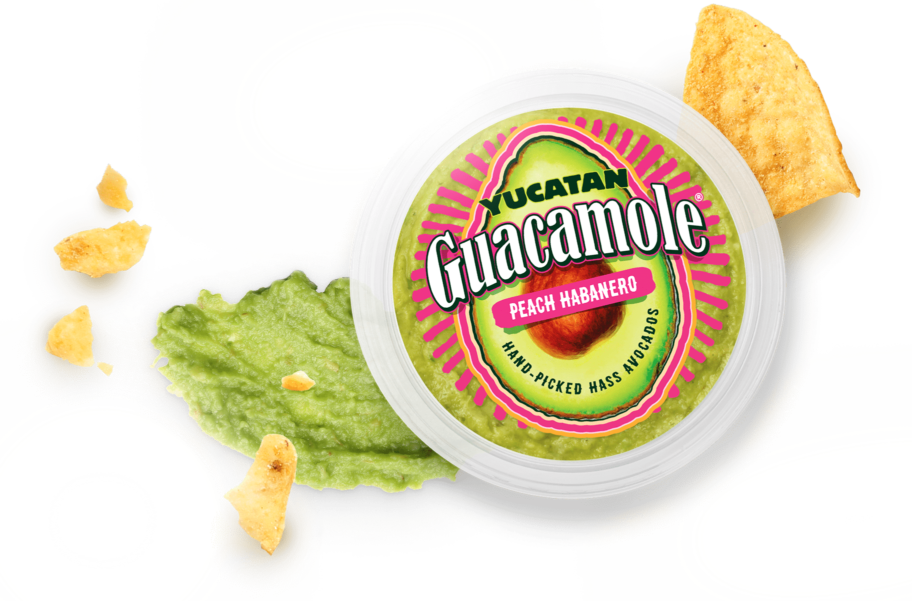
Challenges facing private label brands.
The biggest hurdle in the private label market is its execution. Retailers juggling an established brand portfolio alongside a private label often struggle with internal tension over what to prioritize, primarily when the private label isn’t run as a standalone business. That friction can dilute focus and slow decision-making.
Operational risk is another pressure point. When ingredient costs spike or supply chains tighten, retailers must reassess private label sales versus branded margins. While private label can create stronger pricing spreads during inflation, it also exposes retailers to manufacturing risk. Many lack the infrastructure to manage redundancy, leaving them overly dependent on a single manufacturer when contingencies arise.
Availability is where the stakes get real. Out-of-stock private-label SKUs hand the advantage back to branded and non-branded products with stronger brand strength and media support. In the ongoing brand vs. label battle or brand vs. no-brand decision, consistency wins. If private label can’t stay on the shelf, national brands will reclaim shoppers fast.
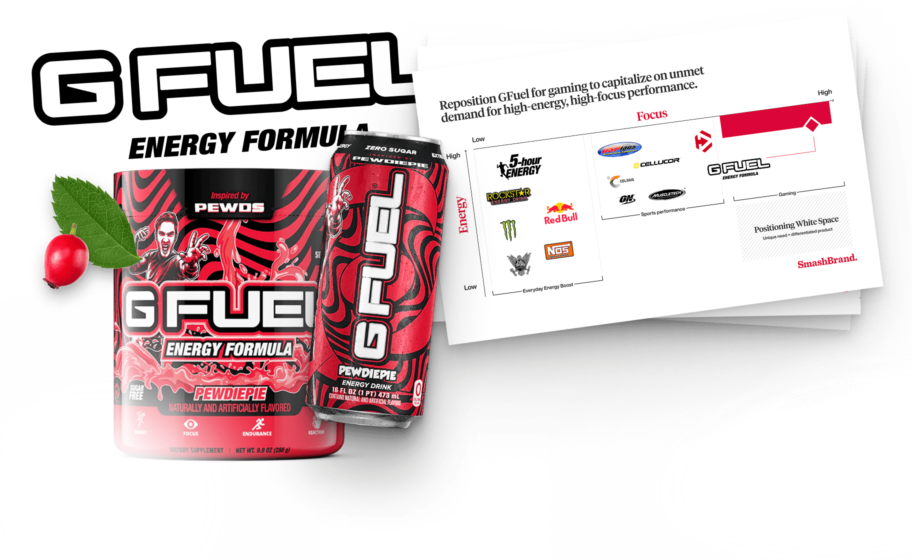
How private label brands can compete.
We’re seeing a surge in interest from private label brands, driven by a clear shift in retailer mindset, which isn’t because of any specific marketing campaign we’ve developed. Store brands are no longer treated as filler SKUs; they’re being built to compete head-to-head in the national brand vs private label battle. Retailers now understand that winning at shelf requires brand awareness, clear value communication, and packaging that drives purchase intent in real time.
The strongest performers don’t frame the choice as private label vs national brand they design to win against both branded goods vs non branded goods. By closing the gap between private label vs brands through disciplined positioning, design, and messaging, private label brands can credibly challenge national players and earn repeat choice, not just trial.
Brand management team.
Private label wins when it’s treated like a brand, not a cost-saving SKU. The retailers pulling ahead no longer frame the challenge as private label vs brand. They recognize that competing with national players requires the same level of rigor, structure, and accountability.
That’s why leading retailers now invest in dedicated brand management teams built internally, with an agency, or both, to guide positioning, portfolio logic, and shelf execution. This is where the real difference between private label and brand disappears. When managed correctly, private label vs own brand becomes a strategic choice, not a limitation, and each branded label operates with clear purpose, consistency, and performance expectations.
Shelf performance testing.
Previously, retailers would put their products on the shelf and decide based on feedback and reports. Now, with heavier investments and greater revenue potential than ever before, white-label offerings undergo rigorous consumer testing to assess their shelf impact in advance. They no longer want to play nice with brand-name products; instead, they seek to become the category leader, letting national CPG brands fight for scraps.
Private label brands and CPG trends.
No longer about price savings, store brands need to consider and test packaging design trends, such as sustainability, for their house products. Since consumers are increasingly interested in sustainably made products, failing to consider this in your product packaging may lead to consumer dissatisfaction.
Not all trends apply to your brand. Going against a trend may be a way to stand out with your retail packaging and speak to a specific audience. Package design testing is how you validate each trend’s impact on consumer behavior.
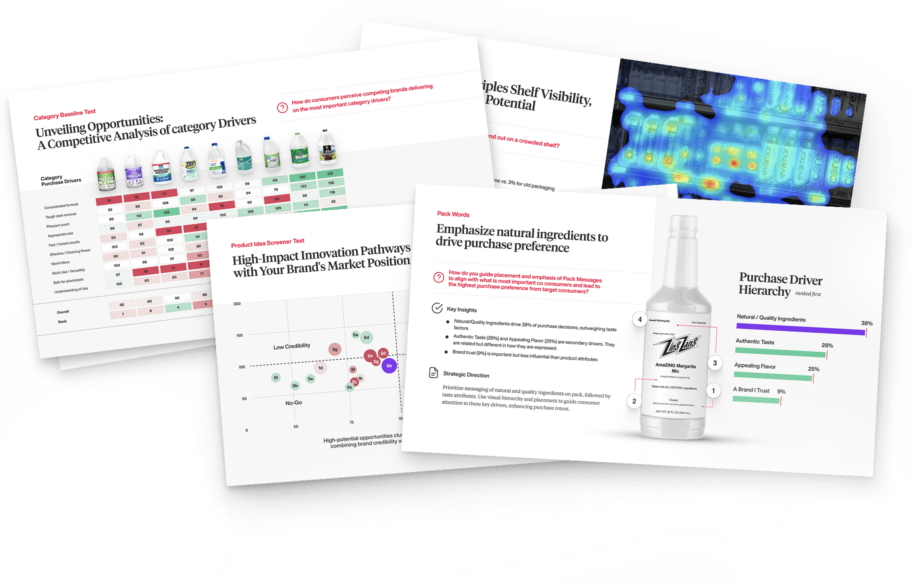
How branded products can compete.
Just because a retailer replicates a product within a category doesn’t mean it’s the death of your brand. Consider Tylenol vs. its generic competitors. There is a noticeable price saving with white-label over-the-counter drugs, yet Johnson & Johnson is still piling up profits with this SKU.
National brands that earn trust earn brand loyalty. If your head is pounding hard enough, you will not take the chance on a less established product in the marketplace. Here’s how you capture consumer confidence through branding and product development.
Own your space.
How concerned is liquid death about a retailer partner who now offers private-label water in a can? Not very.
Owning your space means establishing so much brand equity with your chosen audience that customer loyalty must occur. Even though a retailer may have thousands of stores, they are unlikely to go this narrow with brand personalization. Omnichannel brands can get dangerously specific (nearly to liquid death!) and still see exponential growth, eventually becoming accepted by the mainstream consumer.
Drive innovation.
Branded products can create a more solidified, nearly impenetrable foothold in the market when they lead to innovation. Through patented ingredients, influencer partnerships, brand collaborations, and other means of innovating your position in the marketplace, branded products make it extremely difficult to steal away their market share.
Have a better brand story.
How well a national brand competes against private label comes down to one thing: story. Consumers don’t build relationships with commodities; they make them with meaning. A clear, credible brand story gives shoppers a reason to choose a branded product over a cheaper alternative sitting inches away on the shelf.
As inflation pushes more shoppers toward private brand and white label products, manufacturer brands can’t rely on familiarity alone. Retailers are investing heavily in white labeling, and many of these products now meet or exceed expectations in terms of quality and price. The brands that hold share are those that clearly communicate their purpose, values, and why they exist beyond the transaction.
“In today’s economy, consumers are trading down to own-brand products to save money at the grocery store. Unless you want to keep losing ground to private-label, manufacturer brands must rethink how their story shows up at the shelf.”
— Kevin Smith, Founder, SmashBrand
Nice Package
Don’t miss out on our monthly newsletter Nice Package!
Each month, we deliver a data-driven newsletter directly to your inbox, unpacking a critical topic in the FMCG & CPG industry.
"*" indicates required fields
How Will This War Play Out?
The war between private-label and branded products will never cease to exist. Both sides will win single-battles, but as new channels emerge and marketing mediums develop, branded products will continue to drive innovation in the marketplace.
Retailers will continue to have “friendly tension” with their brand partners, often working to collaborate before taking them head-on. In any case, branded and private-label products will need expertise, insights, and testing to enter the retail arena with their own product.
Data-Driven Brand Development For CPG Brands
Want a best-selling brand? SmashBrand is a brand development agency that takes a data-first approach. Whether you are a brand name or developing a private-label line, we can help you capture market share on retail shelves.
Book a time to discuss your project with our team.

A seasoned veteran in the CPG (Consumer Packaged Goods) industry, Jason Vaught brings a wealth of knowledge and hands-on experience as the director of content and marketing for SmashBrand. His comprehensive role at the forefront of brand communication ensures that CPG brands remain well-informed about the suite of services SmashBrand offers. Furthermore, his insights derived from the company's strategy, design, and testing services are invaluable to brand owners and managers seeking expert guidance.
From his early endeavors in launching a successful sports nutrition brand that gained prominence in significant bodybuilding and fitness retail spaces to his entrepreneurial ventures in kick-starting multiple brick-and-mortar and e-commerce startups across diverse industries, Jason's career is studded with substantial milestones. Notably, he has innovated numerous products later embraced by leading industry brands, showcasing his knack for anticipating market demands and setting trends.
Jason's journey in the CPG industry commenced at age 21. Over the years, he has worn multiple hats, ranging from a manufacturer and retailer to a distributor and brand owner. This multifaceted experience equips him with the rare ability to offer practical advice grounded in real-world expertise. His mission is to guide and support other CPG brand owners, directors, and managers on their path to success.
Subscribe to
Nice Package.
SmashBrand’s Nice Package: Stay current with our latest insights
Free Resource.
CPG product repositioning guide.
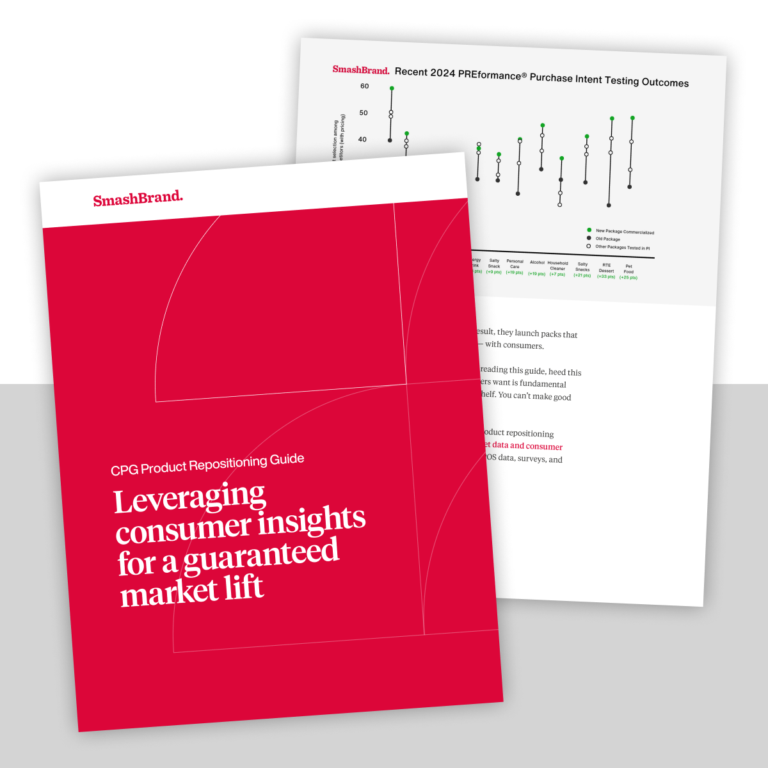
Explore the five undeniable signs your CPG product needs repositioning along with strategies for leveraging consumer insights for a guaranteed market lift.
Download Whitepaper About CPG product repositioning guide.