

Every successful CPG strategy consists of a series of steps the brand takes to understand the category, consumer, and competition. The brand must implement these steps strategically and in a specific order. One of the initial steps is brand discovery is critical to brand performance.
Unfortunately, it’s a step few brands take, and even fewer brands perform correctly. It’s a shame because, within a series of discovery sessions, brands become more aware of their target audience, category expectations, shelf competitiveness, and retailer motivations.
So in this article, we will unpack brand discovery for CPG brands, ensuring you do not miss out on this opportunity. You will learn:
- What brand discovery is and why it matters.
- The benefits of a sound brand discovery strategy.
- The fundamentals of a structured brand discovery process.
- Why iterations to brand discovery are essential.
Once you finish this article, you will understand what to expect from discovery sessions and how to get the most out of them.
What is Brand Discovery?
Brand discovery is the first part of the brand development strategies diagnosis phase. It is a structured, research-driven process where brands define their unique identity, value proposition, and competitive positioning in the marketplace. Brand discovery involves gathering data and insights about a brand, its target audience, the industry, the retailer landscape, and current market trends.
Brand discovery examines the company’s history, including its marketing materials, consumer feedback, and media attention. This historical data is compiled to identify and curate a list of the target audience’s motivations, values, and preferences. In this beginning phase of the brand strategy development process, we identify ideal client profiles, ensure brand differentiation, and create a strong brand identity.
Brand discovery begins with the brand strategist thoroughly reviewing the company’s materials. Then collaborating with the brand as a workshop where through questions and discussion, you collectively gain an understanding of the target audience, their pain points, and hopefully, unmet needs.
You then use the information to align future brand development, including product development, packaging designs, brand messaging, and marketing campaigns. Ultimately, brand discovery is setting business goals you can achieve by meeting the consumer’s needs and winning in the right channels.
The Benefits of Brand Discovery
With the right people participating and a strong framework in place, the benefits of brand discovery are invaluable to CPG brands. Here’s a look at some of the benefits a brand will experience.
Streamlined brand development

Brand discovery provides clarity and a roadmap for every aspect of brand development. Discovery takes a brand from having broad, unclear objectives to a narrow, more targeted lens through which to see the brand and product through.
Understanding Of The Competitive Landscape

Your understanding of the competitive landscape improves through collective experience, market research, and brand understanding. A deep understanding of the competitive landscape often presents opportunities for brands to differentiate themselves from the shelf competition.
Data-Driven Decisions

Brand discovery ensures that data drives development. While thought leadership and holistic brand experience are necessary, data delivers today’s reality, where brands can leverage expertise to make strategic decisions about the future.
Enhanced Brand Consistency
From the visual brand identity to sales conversations, discovery begins the process of brand consistency. Of course, this only occurs when communicating your learnings to your team.
Improved Consumer Engagement

Consumers do not engage with a brand simply because you ask them to. Everything from your branding, positioning, and messaging determines how consumers receive and engage with your brand.
Better ROI

Of course, the most sought-after benefit of including discovery in brand development is the return on investment. Finding leads to more significant revenues, but it isn’t a break-even scenario. Your investment will improve the ROI across all branding and marketing mediums.
Brand Discovery Process
To get the most out of the effort, walk through each step of the brand discovery phase in the appropriate order. Otherwise, you may come to decisions that prove the wrong move further along in the process.
Brand Research
Beginning with brand research means looking at every aspect of the company’s history. Brand research includes all content that exists online and offline about the brand. It also includes looking at any reports that can guide you into preference and consumer behavior. This includes sales reports, customer feedback, and trends. Finally, it involves looking at the competitors and collecting as much information as possible about their position in the marketplace, consumer understanding, and revenues.
Data-Driven Market Research
While you will require deeper market research as the brand development strategy continues, it’s essential to have data about the category, including trends, growth patterns, and channel opportunities.
Internal Interviews
After a thorough review of documentation, reports, and market data, brand discovery shifts into the interview process. Beginning with the internal team, an agency may present a document such as a brand discovery questionnaire or guide discussion through an organic process.
During an internal team discovery meeting, the objective is not to make concrete decisions but enhance clarity on the brand and its product’s marketplace potential. We use discovery meeting questions to understand brand values, internal brand perceptions, and the result the client hopes to achieve.
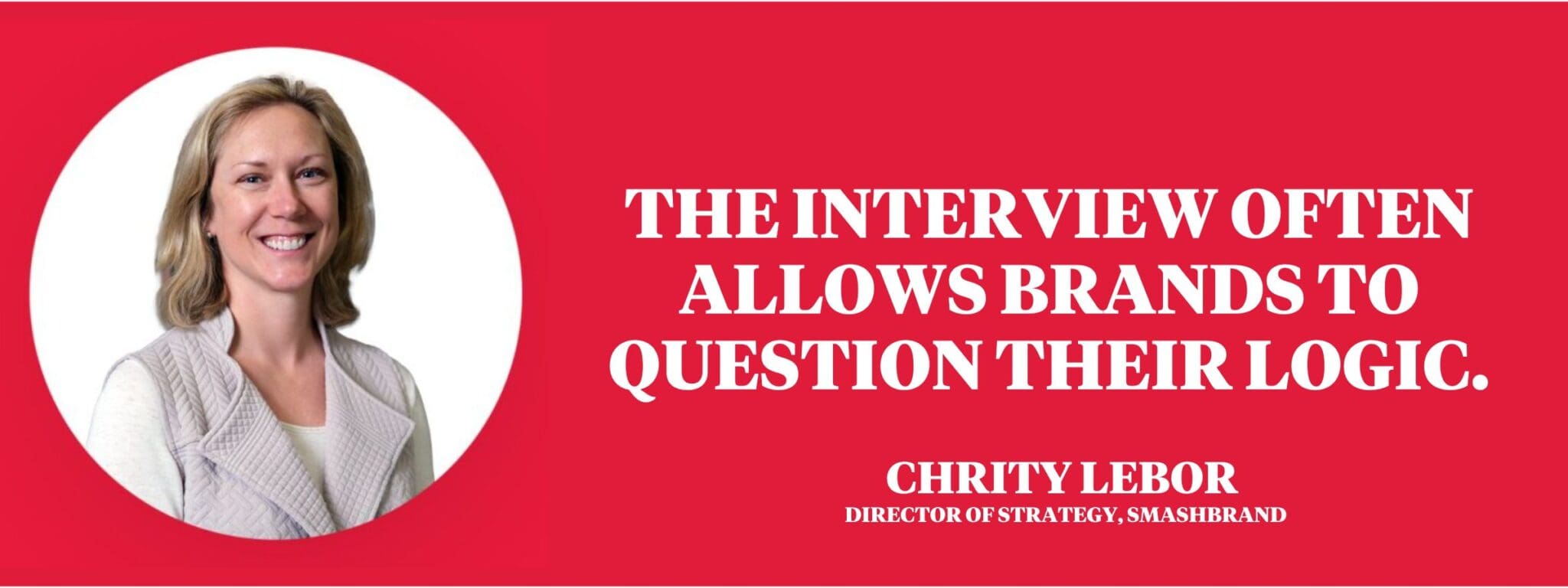
The interview often allows brands to question their logic. The word “opportunity” is essential here as the brand development strategist should offer new perspectives and challenge your current understanding.
External Interviews
Brand discovery may also include external interviews where we ask a series of brand discovery questions to the company’s target customer through focus groups, surveys, or one-on-one interviews. Interview questions may be directed to new customers to understand their perception and understanding of a brand. Or, it may speak to a consumer’s overall brand experience thus far with the company.
External discovery sessions often lead to valuable insights, but they require further research and testing to determine the validity of their feedback.
Future Brand Discovery Iterations
Brand discovery is not a one-time event. It’s an ongoing process brands must regularly schedule. Iterations are also necessary during significant changes, such as a new product release, channel initiative, or comprehensive marketing effort.
The world is continuously changing, so your categories, trends, preferences, and revenue-generating opportunities will change along with it. Having an iterative process where you put your team through a brand discovery workshop ensures your brand keeps its finger on the pulse, regularly monitoring brand development.
But it’s not only external changes that demand iterations to brand discovery. As your brand evolves and grows, the target audience and competitive landscape may change as you enter new categories and CPG channels.
Brand Development Agency For CPG Brands
Want a best-selling brand? SmashBrand is a brand development agency helping consumer brands increase shelf performance. Our data-driven process guarantees a performance lift from brand strategy to packaging design. Book a time to discuss your project with our team.
Subscribe to
Nice Package.
SmashBrand’s Nice Package: Stay current with our latest insights
Free Resource.
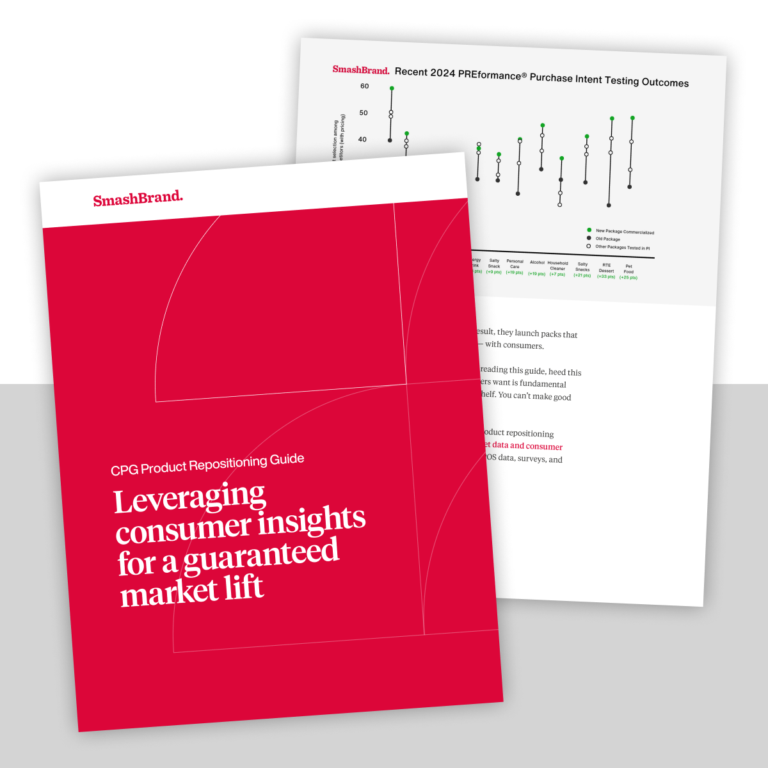
CPG product repositioning guide.
Explore the five undeniable signs your CPG product needs repositioning along with strategies for leveraging consumer insights for a guaranteed market lift.
Download Whitepaper About CPG product repositioning guide.