
 Overview
Building a strong brand requires continuously understanding the company’s strengths and weaknesses. To determine this, companies must conduct a brand assessment, analyzing each aspect of the brand to define its current impact and execute a more refined brand strategy.
An assessment (or brand evaluation) helps a company understand its position in the marketplace for each product and for the entire company, covering brand image, customer loyalty, and more. This article walks you through the brand assessment process, helping new brands and those looking for a brand refresh understand how to conduct one that will have the greatest impact.
Here’s what you can expect to learn
- What a brand assessment really is.
- Why an assessment is a critical component in a brand strategy.
- A step-by-step approach for how to conduct a brand assessment.
- Where brand assessments can go wrong.
What is a Brand Assessment?
A brand assessment is where assumptions meet evidence. It’s a full-spectrum look at what’s working, what’s not, and where untapped potential lives across your brand assets, products, and every piece of marketing you’ve put into the world.
In SmashBrand’s PathToPerformance™ process, the assessment phase sits between brand discovery and the formal audit. It’s where we stop guessing and start diagnosing. This is where we pull real data to answer critical brand development questions that drive your branding strategy forward.
We evaluate:
- Brand identity: Is it distinct and consistent?
- Brand value: Do people see it and believe it?
- Brand strength: What’s giving you an edge?
- Brand opportunity: Where’s the growth hiding?
- Brand equity: Are you building or bleeding?
- Brand personality: Does it resonate with your audience?
All of it ladders up to brand perception, and that’s where your future wins or stalls.
We combine tech-enabled brand research, social listening, surveys, and customer feedback to uncover what your audience really thinks. That insight becomes the engine of your brand development strategy, giving you the clarity to sharpen your customer experience, strengthen brand awareness, and create branding that earns its place on the shelf.
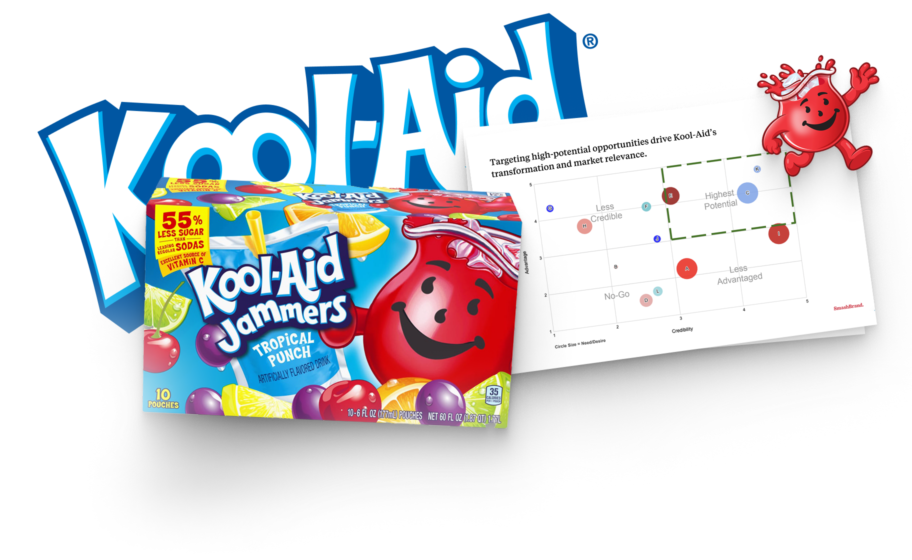
Why A Brand Assessment Is Necessary
While a company may have objectives for how it hopes consumers will perceive its brand positioning, the company’s and consumers’ perceptions do not always align. In fact, the differences can significantly differ.
A brand may also have subjective views of its competitors and how they affect its performance. They may assume a competitor is not a threat when, in fact, competitive positioning is primed for future performance.

How To Conduct A Brand Assessment
Every successful brand assessment follows the same four-step backbone that gets you from scattered opinions to strategic clarity. The exact questions and tactics may shift depending on your category, your challenges, or your goals, but the framework holds.
This isn’t about checking boxes. It’s about uncovering what gives your business a real competitive advantage, how well your internal branding aligns with your external experience, and whether your brand guidelines are actually guiding anything at all.
These steps help you focus on what your target market sees, feels, and believes because that’s what drives performance. Let’s break them down.
Define the “Why” Before You Touch the “How”
Before diving into the data, clarify your reason for doing the work. This is where most brand assessments go sideways: no defined goal, no meaningful outcome.
Are you a challenger brand trying to claim regional ground? Or an established player under pressure from a retail partner threatening delisting? Either way, knowing your current reality gives the assessment context and power.
This is where brand evaluation meaning becomes clear: it’s not just about running diagnostics. It’s about defining what matters most to your business right now.
Start by outlining the outcome. What do you need to know? Is it about understanding your brand perception? Pinpointing the gap between brand promise and customer service? Or figuring out why your current marketing efforts aren’t converting potential customers?
Use these questions to frame your assessment scope:
- Is your brand identity still aligned with your market?
- Does your brand voice connect or confuse?
- Are you winning or blending in when it comes to brand differentiation?
- What brand evaluation insights do you need to sharpen your content marketing?
- Which brand evaluation methods fit your budget and timeline?
Pull from analytics, industry trends, and internal pressure points to build a targeted brand evaluation model that leads to action. Because once the “why” is locked in, the rest becomes clear, and your branding and marketing strategy actually starts working for you.
Need some direction? Use relevant brand evaluation examples to guide your model development. Keep it lean. Keep it focused. And above all, keep it useful.
Analyze What Matters, Not Just What’s There
After the brand discovery phase, you’ve got a pile of data from past campaigns, marketing materials, market research, and performance metrics. Use your brand evaluation plan to categorize the data to spotlight clear patterns: where you’re strong, where you’re trailing, and how your brand stacks up against competitors and expectations.
Whether you’re working from a brand evaluation questionnaire, worksheet, or a full survey, the goal is to connect insights to strategy.
Use smart brand evaluation techniques to align findings with your brand evaluation strategy. Combine qualitative signals with quantitative truths. Ground every decision in brand evaluation research that reveals what’s moving the needle and what’s getting in the way.
Build a Strategic Brand Assessment That Actually Moves the Needle
You can evaluate every inch of a brand, but that doesn’t mean you should. A smart brand assessment starts with a clear strategy. That means defining what matters most, then building a prioritized, structured path to uncover the truth. Start with the highest-impact areas first. Everything else falls in line.
A clear brand assessment framework helps you cut through noise and focus resources where they’ll drive performance. Whether you’re running a full brand analysis, digging into brand asset assessments, or doing a deep brand personality assessment, your approach should be systematic.
Want to know how to evaluate a brand the right way? Follow a disciplined brand evaluation process that starts with real goals and ends with real action. Use proven brand evaluation criteria to guide every decision, and make sure your branding evaluation connects insights to outcomes.
Get Ready for the Brand Audit
You’ve done the digging. Now it’s time to bring clarity to the chaos.
After a full evaluation, the next step is organizing what you’ve uncovered, because insights are only useful if you can act on them. Whether you’re using a formal brand assessment tool, a custom dashboard, or just whiteboarding your way through, the goal is the same: make the data work for you.
Need a starting point? A solid brand assessment example or branding assessment template can help frame your thinking. Just make sure your process covers the essentials, brand identity assessment, customer insight, and actionable next steps.
What is brand assessment really about? It’s aligning facts with goals. And asking the right brand assessment questions to ensure every move you make reflects what your brand is, and what it needs to become.
So take stock. Get focused. And prep your audit like it’s the launchpad for your next big win. Because it is.
Where a brand assessment can go wrong.
Doing a brand assessment doesn’t guarantee you’ll get the truth. In fact, most go off track fast when the data is irrelevant, outdated, or misunderstood.
A thorough brand evaluation depends on more than surface-level inputs. If your competitive analysis is weak, your read on customer perception is flawed, or your brand messaging isn’t tested in the real world, you end up with conclusions that don’t reflect actual brand performance or market position.
That’s how teams waste time polishing external branding or digital marketing tactics while ignoring the real drivers of brands strength and brand consistency. Even personal brand work or a broader marketing plan can fall apart when the insights aren’t grounded in reality.
The fix is simple. Use reliable consumer-backed data. Interpret it with discipline and work with a partner who knows how to turn signals into strategy. Because a brand assessment should clarify what’s true.
Nice Package
Don’t miss out on our monthly newsletter Nice Package!
Each month, we deliver a data-driven newsletter directly to your inbox, unpacking a critical topic in the FMCG & CPG industry.
"*" indicates required fields
Data-Driven Brand Development
Want a best-selling brand? SmashBrand is a brand development agency for FMCG and CPG brands. Our PathToPerformance™ process includes a strategic brand assessment to help you understand your position and prime you to capture more market share. Book a time to discuss your project with our team.
Frequently Asked Questions
What is a brand assessment questionnaire?
A brand assessment questionnaire is a tool used to gather information and feedback about a brand’s perception and reputation. It typically consists of a series of questions that evaluate different aspects of the brand, such as brand awareness, customer satisfaction, and brand loyalty.
What Should Be Included in a Brand Assessment Survey?
A brand assessment survey should include questions relevant to the assessment’s goals and objectives. A brand assessment survey contains questions about the following:
-
- Brand awareness
-
- Customer perceptions
-
- Competitive positioning
-
- Brand personality
-
- Customer satisfaction
A brand development agency will design the survey to gather specific, measurable, and actionable data so that the brand can make informed decisions about improving its performance.
What Is A Trend Assessment?
A trend assessment analyzes current and emerging trends in a particular market or industry and compares them to the existing brand’s positioning. It involves collecting and analyzing data to identify patterns, shifts, and changes that can impact how brands operate and compete. Companies can gain insights into future opportunities and challenges by assessing trends and adjusting their strategies accordingly.
What Is A Competitive Assessment?
A competitive assessment analyzes a company’s shelf competitors. It involves gathering information on competitors’ relevant factors, including:
-
- Products
-
- Services
-
- Pricing models
-
- Marketing strategies
A competitive assessment provides insights into their strengths and weaknesses. By conducting a competitive evaluation, companies can identify opportunities to differentiate themselves from their competitors and gain a competitive advantage.

A seasoned veteran in the CPG (Consumer Packaged Goods) industry, Jason Vaught brings a wealth of knowledge and hands-on experience as the director of content and marketing for SmashBrand. His comprehensive role at the forefront of brand communication ensures that CPG brands remain well-informed about the suite of services SmashBrand offers. Furthermore, his insights derived from the company's strategy, design, and testing services are invaluable to brand owners and managers seeking expert guidance.
From his early endeavors in launching a successful sports nutrition brand that gained prominence in significant bodybuilding and fitness retail spaces to his entrepreneurial ventures in kick-starting multiple brick-and-mortar and e-commerce startups across diverse industries, Jason's career is studded with substantial milestones. Notably, he has innovated numerous products later embraced by leading industry brands, showcasing his knack for anticipating market demands and setting trends.
Jason's journey in the CPG industry commenced at age 21. Over the years, he has worn multiple hats, ranging from a manufacturer and retailer to a distributor and brand owner. This multifaceted experience equips him with the rare ability to offer practical advice grounded in real-world expertise. His mission is to guide and support other CPG brand owners, directors, and managers on their path to success.
Subscribe to
Nice Package.
SmashBrand’s Nice Package: Stay current with our latest insights
Free Resource.
CPG product repositioning guide.
Explore the five undeniable signs your CPG product needs repositioning along with strategies for leveraging consumer insights for a guaranteed market lift.
Download Whitepaper About CPG product repositioning guide.