
 Overview
Striking the right balance between flavor and affordability.
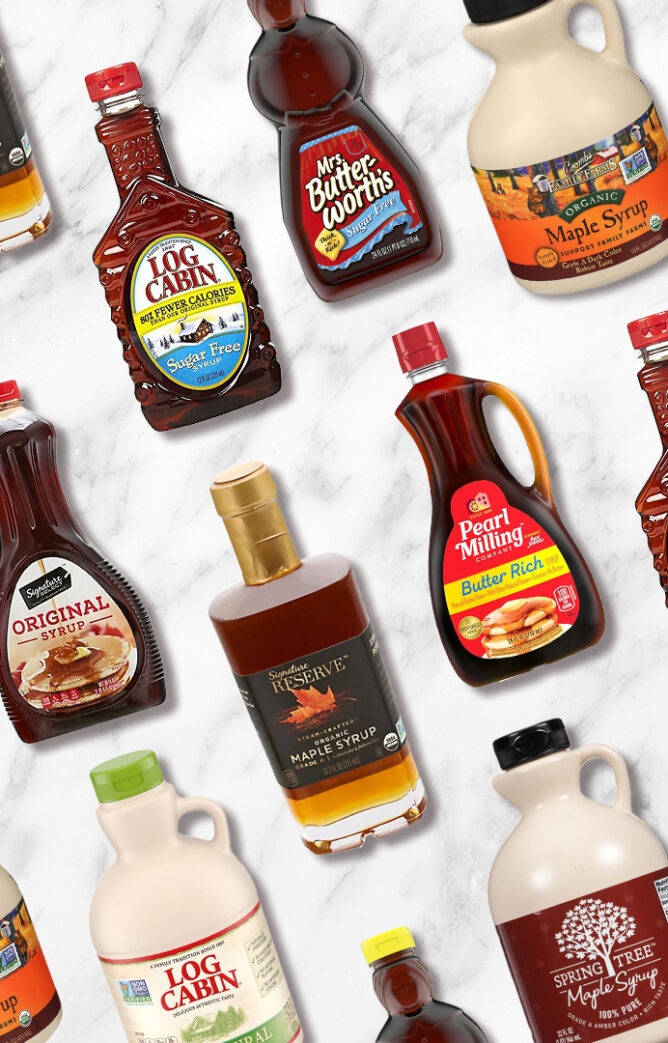
In the syrup aisle, consumer decisions hinge on taste, price, and brand nostalgia. Premium options lean into authenticity, but affordability remains a dominant purchase driver. The brands that win shelf space and consumer loyalty are those that deliver indulgent flavor with mass-market appeal—without the premium price tag. It’s a delicate balance, but when executed right, it fuels trial, repeat purchases, and long-term brand growth.
Taste
Pure Flavor, Preferred Choice
America’s syrup aisle is packed with choices, from legacy brands dating back to the 1800’s to modern flavor innovations.
Pure maple syrup wins on taste and consumer preference.
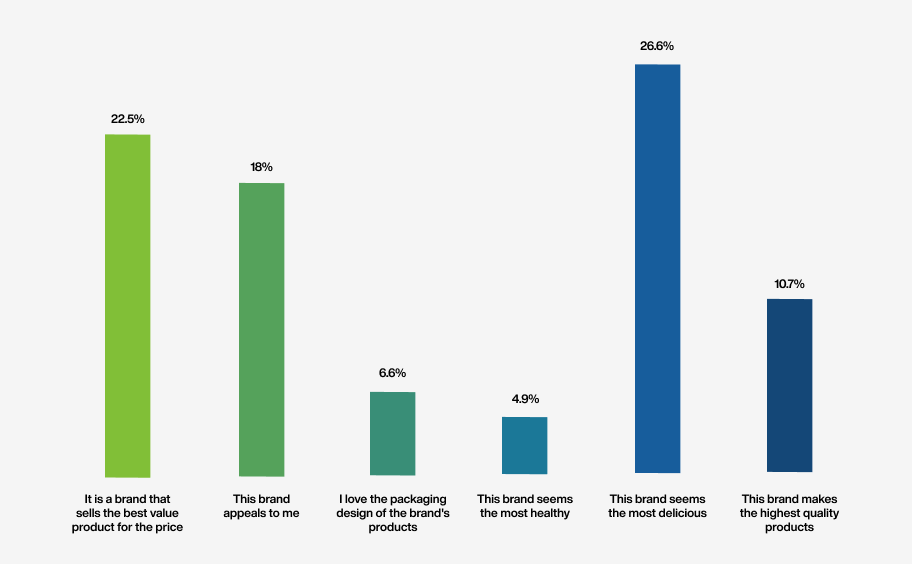
While brand appeal and price matter, the biggest driver of consumer choice—at 26%—is perceived deliciousness. Brands that maximize product appeal stand out on the shelf and stay top of mind long after purchase.
Flavor innovation may drive trial, but the original builds loyalty.
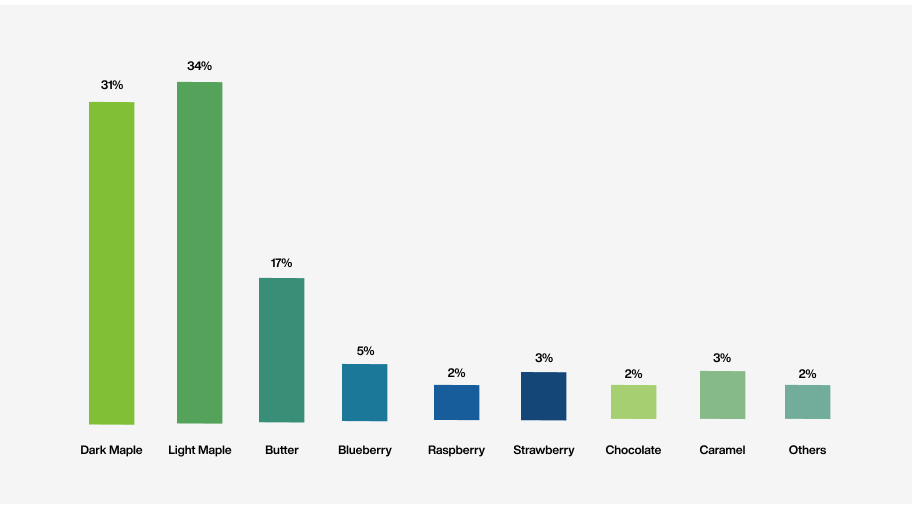
Despite the variety of fun flavors, the original taste of pure maple syrup remains the category leader, reinforcing brand loyalty and repeat purchase among consumers nationwide.
Price
Price sensitivity shapes purchase decisions.
Syrup choices aren’t just about taste—they’re driven by price too.
Price defines the purchase decision for syrup shoppers.
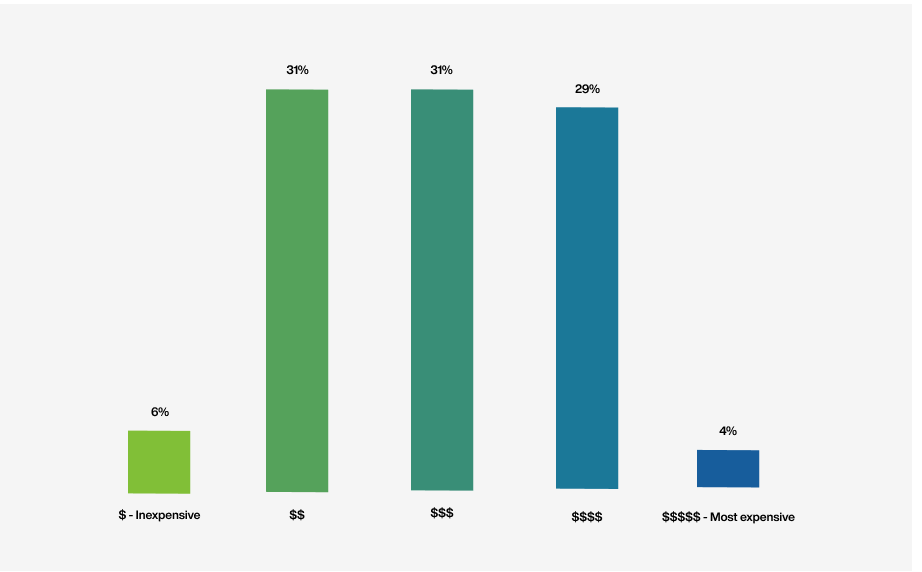
While consumers crave the rich taste of pure maple syrup, only 33% are willing to pay the premium, making affordability a key purchase driver.
Winning with syrup means balancing price and taste.
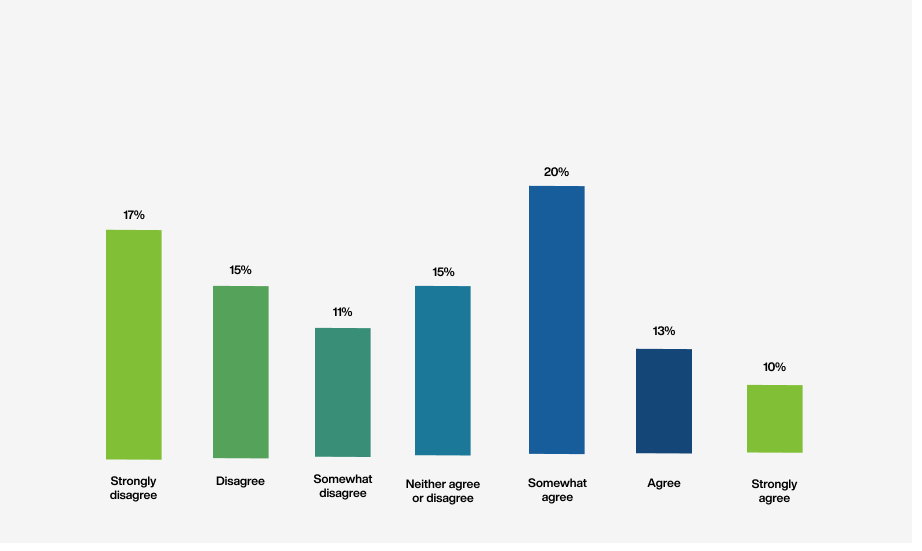
Brands that balance cost and quality win by delivering great taste at the right price. These syrups drive trial and repeat purchases without asking consumers to compromise.
Brand
Nostalgia fuels brand loyalty and repeat purchase.
In the syrup category, brand loyalty drives purchase decisions. Legacy brands like Pearl Milling Company, Mrs. Butterworth’s, and Log Cabin compete for dominance, but nostalgic preference keeps one name top of mind: Aunt Jemima.
Legacy brand equity keeps Aunt Jemima ahead of competitors.
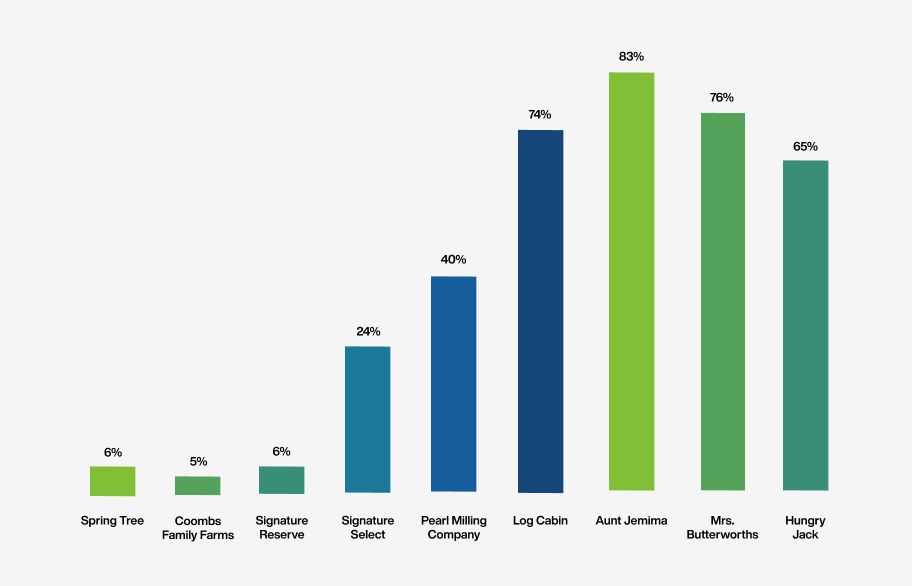
Even after portfolio and name rebranding, Pearl Milling Company retains category dominance. Decades of brand equity and consumer connection reinforce its position, proving that nostalgia remains a powerful purchase driver.
Familiar brands drive consumer trust and loyalty.
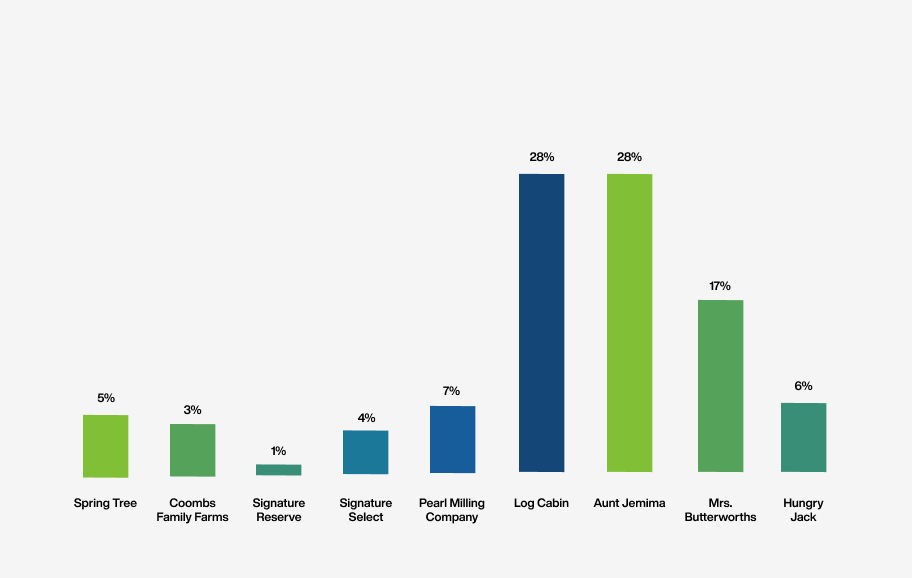
Despite three years off shelves, Pearl Milling Company still leads in brand awareness, tying with Log Cabin as 28% of consumers name it their preferred brand—a testament to the lasting power of legacy equity.
Emotional connection keeps Aunt Jemima top of mind.
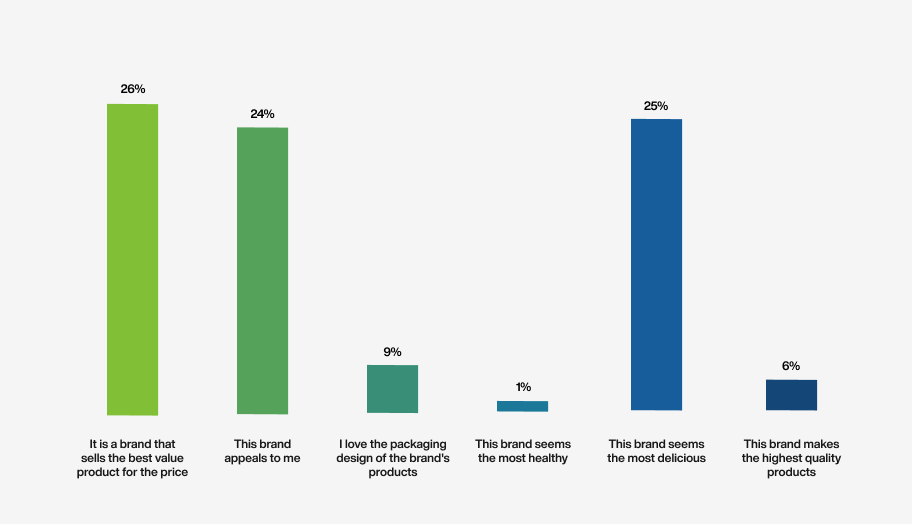
This loyalty underscores the lasting impact of brand equity. Despite its absence from shelves, 24% of consumers who prefer Pearl Milling Company cite emotional connection as their reason for choosing it.
Quality
Communicating charm and value to drive purchase.
In the syrup aisle, product differentiation is key. Pure maple syrup stands apart with its rich flavor, natural ingredients, and heritage production. Sourced from 100% North American maple trees, it delivers authenticity and taste that drive premium positioning and consumer preference.
Authenticity and natural ingredients justify premium pricing.
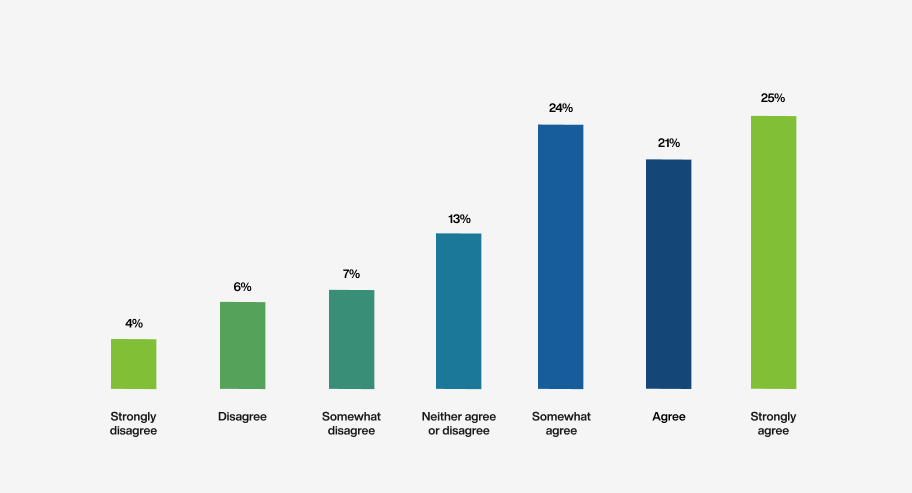
Consumers recognize the premium quality of pure maple syrup, making it a top choice. However, price remains a key purchase barrier, driving some shoppers toward more affordable pancake syrup alternatives.
Quality drives preference, but price creates hesitation.
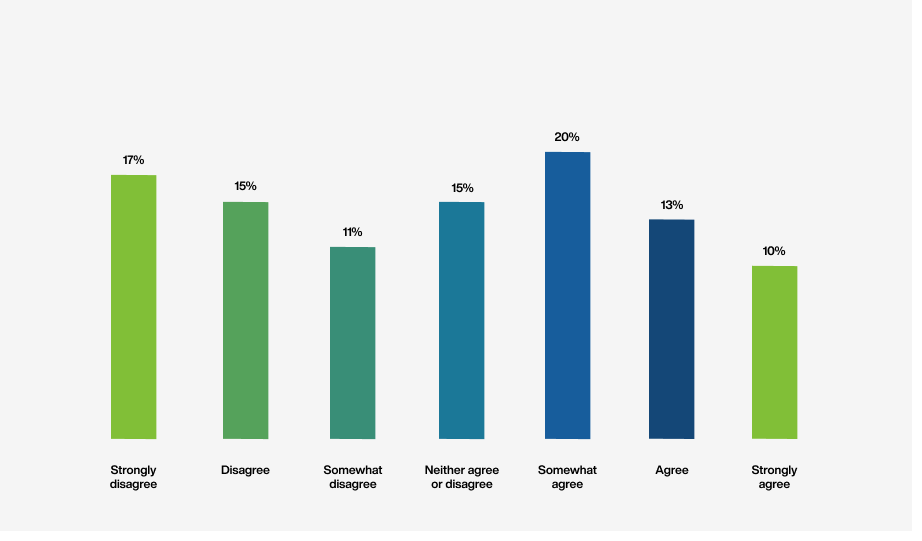
Brands must highlight the natural purity and rich flavor of real maple syrup to reinforce its premium positioning. Communicating its value clearly helps justify the price and drive consumer trade-up.
Packaging
Glass packaging reinforces quality and premium appeal.
Consumers associate glass packaging with premium quality, freshness, and authenticity. Its transparency showcases the syrup’s rich color, reinforcing taste appeal and elevating shelf presence to attract quality-conscious shoppers.
Premium packaging must align with category norms.
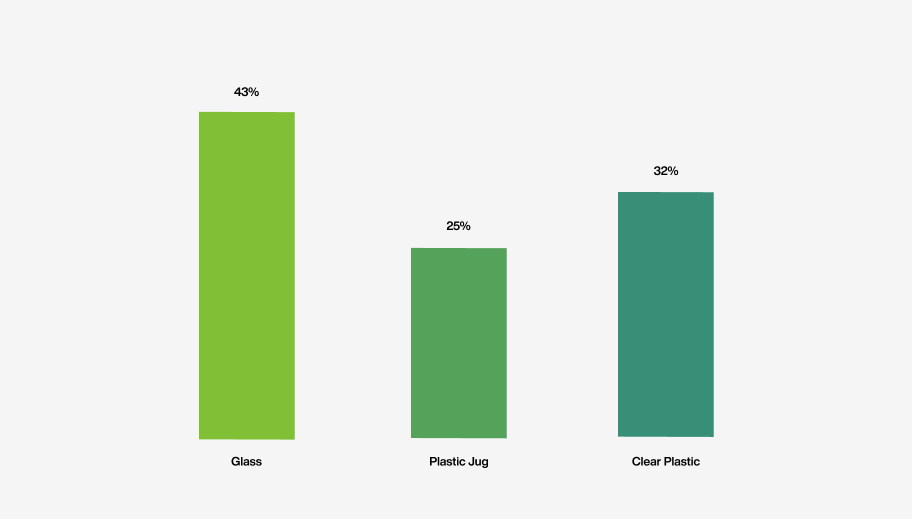
Premium packaging must balance differentiation with consumer expectations. While glass elevates quality perception, Signature Reserve’s design misfired—its whisky-like bottle created shopper confusion. Effective packaging should enhance brand positioning while maintaining category clarity to drive purchase intent.
Healthy
Balancing taste and wellness to drive consumer choice.
While 68% of consumers embrace syrup’s sweetness, health remains a key purchase driver, influencing brand choice and opportunities for product innovation.
Consumers want indulgence without the guilt.
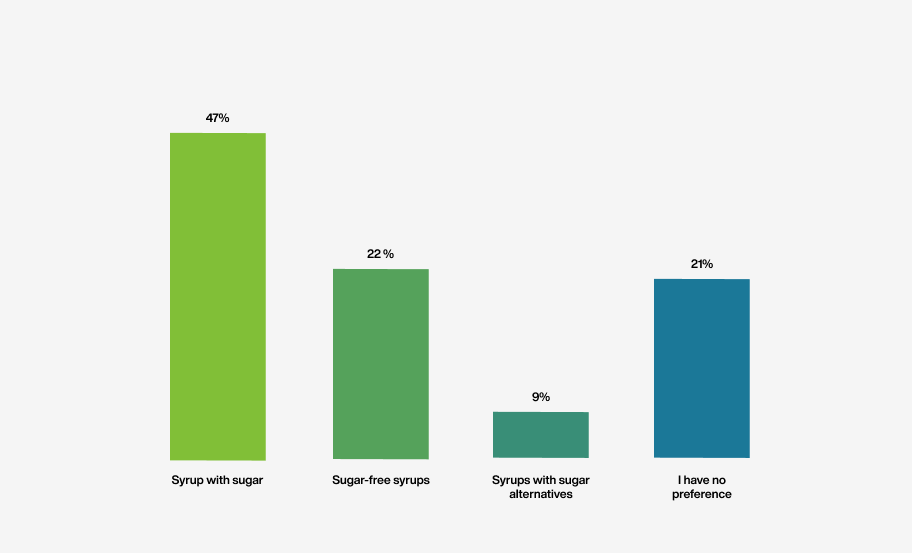
Brands that balance indulgent flavor with better-for-you benefits—like natural ingredients or reduced sugar—capture health-conscious shoppers and drive premium trade-up.
Shoppers pinpoint packaging elements that drive purchase intent.
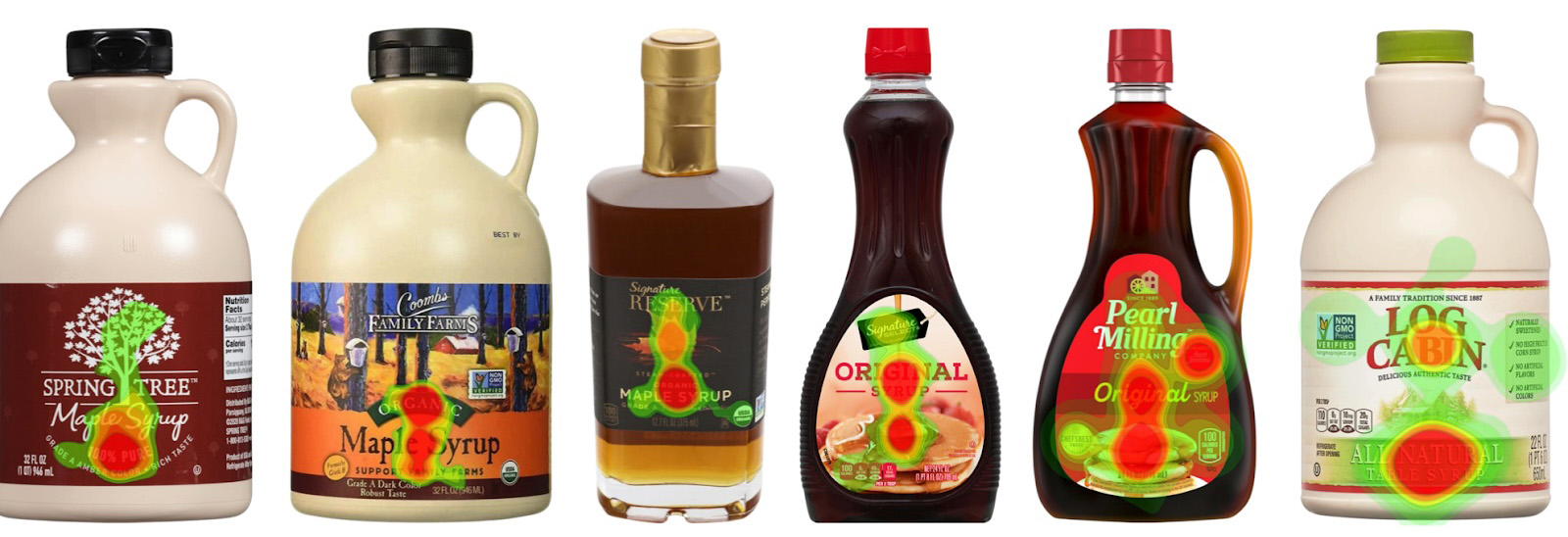
Taste drives trial, but wellness fuels long-term loyalty. Syrup brands that communicate clear, compelling health benefits without overwhelming packaging will stand out and win with health-conscious shoppers.
Considerations & Questions
These insights reveal the key purchase drivers shaping consumer behavior in the syrup category. To activate these findings, brands must validate them through baseline testing, ensuring alignment with their unique competitive set and market positioning. Critical questions for brands to consider post-testing include:
- In a category where pure, 100% authentic flavor leads, how can a brand enhance perceived deliciousness without compromising authenticity?
- With taste driving purchase but price acting as a barrier, what motivates consumers to trade up to authentic maple syrup? How can brands optimize pricing strategies while reinforcing value?
- Despite years off the shelf, Pearl Milling Company (formerly Aunt Jemima) retains strong consumer preference. How can brands build lasting memorability? What strategies can challenger brands use to tap into category nostalgia and drive trial?
- Premium packaging, like glass, elevates product perception but increases costs. Will this trade-up strategy drive enough margin growth to justify the investment?
- How can syrup brands successfully balance indulgent taste with better-for-you claims to win with today’s wellness-conscious consumers while maintaining strong purchase intent?

A seasoned veteran in the CPG (Consumer Packaged Goods) industry, Jason Vaught brings a wealth of knowledge and hands-on experience as the director of content and marketing for SmashBrand. His comprehensive role at the forefront of brand communication ensures that CPG brands remain well-informed about the suite of services SmashBrand offers. Furthermore, his insights derived from the company's strategy, design, and testing services are invaluable to brand owners and managers seeking expert guidance.
From his early endeavors in launching a successful sports nutrition brand that gained prominence in significant bodybuilding and fitness retail spaces to his entrepreneurial ventures in kick-starting multiple brick-and-mortar and e-commerce startups across diverse industries, Jason's career is studded with substantial milestones. Notably, he has innovated numerous products later embraced by leading industry brands, showcasing his knack for anticipating market demands and setting trends.
Jason's journey in the CPG industry commenced at age 21. Over the years, he has worn multiple hats, ranging from a manufacturer and retailer to a distributor and brand owner. This multifaceted experience equips him with the rare ability to offer practical advice grounded in real-world expertise. His mission is to guide and support other CPG brand owners, directors, and managers on their path to success.
Subscribe to
Nice Package.
SmashBrand’s Nice Package: Stay current with our latest insights
Free Resource.
CPG product repositioning guide.
Explore the five undeniable signs your CPG product needs repositioning along with strategies for leveraging consumer insights for a guaranteed market lift.
Download Whitepaper About CPG product repositioning guide.