
 Overview
Rebranding carries real risk. Get it wrong, and you lose trust, momentum, and market share. Get it right, and a brand change becomes a growth lever. A strong rebranding rollout plan ensures your new brand identity is introduced with clarity, confidence, and control internally and externally.
This guide walks you through executing a successful rebranding rollout plan, from market research and brand messaging to timeline planning and stakeholder alignment. You’ll learn how to communicate a new brand message, engage internal stakeholders, and manage brand change without disrupting equity. Whether you’re leading brand management for an established company or navigating your first rebrand, this framework helps turn rebranding into a strategic win.

Why Rebrand In The First Place?
The first and most important question of all in rebranding is simple: why now? Rebranding is a strategic decision driven by clear reasons, whether that’s brand repositioning, shifting consumer expectations, or a business that’s outgrown its current identity. The rebranding process might take the form of a brand refresh, a partial update, or a complete transformation, but the trigger must be rooted in reality, not opinion.
Typical catalysts include the need for a new logo, updated branded assets, or a clearer brand architecture that reflects where the business is going, not where it’s been. Mergers and acquisitions often accelerate this need, requiring a unified brand that aligns key stakeholders, simplifies every brand touchpoint, and communicates a shared vision. When done right, rebranding helps businesses enter new markets, sharpen positioning, and stay relevant in fast-moving categories.
Before anything moves forward, the root cause must be defined. That clarity informs the launch strategy, determines how stakeholders are engaged, and helps identify internal brand champions who will carry the change forward. Without alignment at this stage, even the most ambitious rebrand risks losing momentum before it reaches the market.

Preliminary Steps Before Rollout
A rebrand only works when it’s executed with discipline. Before launch, brands need a clear rebrand rollout plan grounded in data, alignment, and execution rigor. Skipping these early steps is exactly how rebrands lose momentum or worse, become a rebranding failure.
Start with a tight rebrand rollout checklist. Maintain brand consistency across every touchpoint, align internal teams, and define how the new identity will appear across digital marketing, retail, and owned channels. Your brand rollout plan template should clearly outline timelines, responsibilities, and approval gates so nothing breaks under pressure.
Finally, prepare your people. Train internal teams, activate a brand ambassador network, and pressure-test the plan so everyone knows how to launch a rebrand with confidence. A disciplined brand rollout is all about control, clarity, and execution that holds up in the real world.
Setting The Budget
Budget allocation is another necessary thing to keep in mind. When creating your budget for rebranding costs, remember you are developing a new brand identity and updating brand touchpoints, such as marketing materials, the website, and in-store signage.
Create a Timeline
A clear rebranding timeline keeps the entire rebranding project moving forward and prevents execution gaps that derail momentum. Start by mapping a rebrand implementation plan that sequences strategy, creative, approvals, production, and launch.
Plan an internal rollout brand phase first. Teams must understand the new identity, messaging, and expectations before anything goes public. This internal alignment is foundational to successful rebranding implementation and ensures your rebranding marketing strategy lands with consistency and confidence.
From there, pressure-test your rebrand launch ideas, lock milestones, and assign owners. A disciplined rebranding strategy template turns complexity into control, making rollout execution predictable, coordinated, and scalable.
Ensuring Internal Alignment
Before you launch externally, alignment has to happen internally. A successful rebranding plan starts with buy-in from leadership, transparent budget allocation, and a defined rebrand launch strategy that everyone understands. If teams are unclear or unconvinced, even the best brand relaunch campaign will stall.
Involve team leaders early in the rebranding journey. This is how new brand guidelines get adopted, not just announced. Strong internal participation supports smoother rebrand communications planning, accelerates new brand implementation, and ensures your corporate identity rollout is consistent across every touchpoint.
When teams understand how to launch a rebranding campaign, they become advocates. That internal momentum is what makes it easier to roll out a brand refresh externally with confidence and clarity.
Market Research
After performing the necessary internal work, the next step is to conduct thorough market research for the rebranding project. Conducting research involves gathering essential information about your target audience to ensure the new brand identity resonates with them.
Market research has several critical components: consumer testing, insights, and presentation deck creation. Consumer testing helps a company to learn how the target audience perceives the brand repositioning. It may include logo rebranding, color schemes, or messaging.
Brand Identity
After consulting with your team and conducting market research, creating the strategic plan keeps the project moving forward. After making various concepts and conducting brand testing to determine the best, all brand assets will be ready for market launch. A list of brand assets includes the logo, website, social media profiles, and packaging design. You then create a design style guide to solidify the brand identity and bring uniformity to the effort.
Messaging is also a critical part of rebranding. Developing a consistent brand voice across all touchpoints is necessary to build recognition and trust. Brand messaging involves using a consistent tone and language across all communications, helping establish brand recognition and trust with your target audience.
Creating the Rebranding Rollout Plan
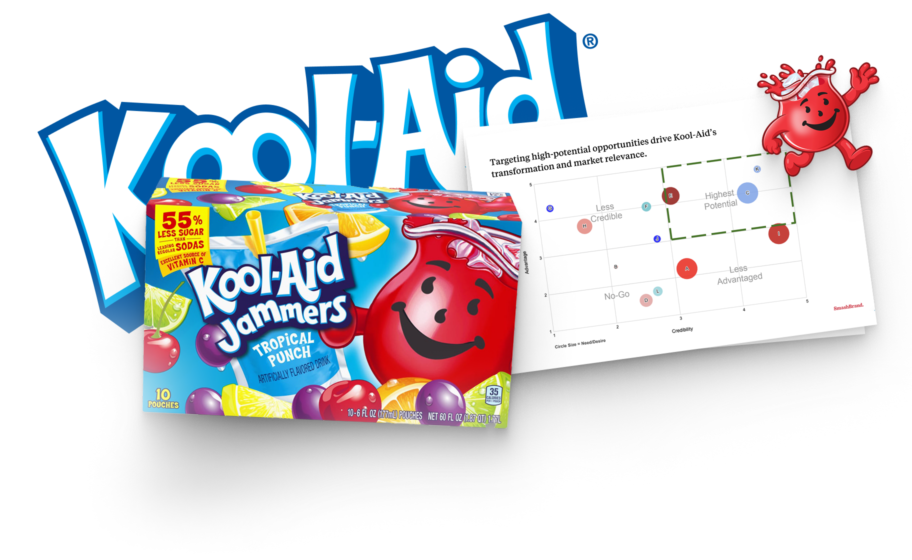
Once you have taken the preliminary rebranding steps on the checklist that live before the brand rollout, the next thing is creating a successful launch plan rebrand strategy. Here is a complete guide on how to do it the right way:
Define The Rebrand Objectives
Every successful rebranding launch starts with clarity. Before executing a brand roll out, define precisely what the rebrand needs to achieve both in the short term and long term. Whether the goal is modernizing perception, expanding reach, or correcting positioning, clear objectives anchor the entire brand rollout strategy.
Strong goals also protect what already works. An innovative brand refresh rollout plan lets you evolve without losing existing customers while building momentum to attract new ones. When objectives are clear, it becomes easier to make a realistic brand roll out plan, prioritize actions on the brand rollout checklist, and align teams on how to roll out a rebrand with confidence and control.
Without defined objectives, even well-designed rebranding efforts risk drifting off course. With them, your brand rollout plan becomes focused, measurable, and built for impact.
Document Key Performance Indicators
Documenting KPIs is an essential part of monitoring the success of a brand launch and measuring the impact it has created in the market for the existing brand. Without proper monitoring and measurements, it isn’t easy to achieve the defined goals and gauge the success of the brand launch.
KPIs are metrics that help gauge the success of the brand launch and measure the impact it has created in the market for the existing brand. These metrics include traffic after website rebranding, social media engagement, sales revenue, customer satisfaction, and brand awareness. Here’s a comprehensive list of KPI’s to measure.
| Category | Metric | Description |
| Brand Awareness Metrics | Unaided Brand Recall | The percentage of respondents who, when prompted with a category, can recall your brand without assistance. |
| Aided Brand Recall | The percentage of respondents who can recall your brand when provided with a list of brand names. | |
| Brand Perception Metrics | Net Promoter Score (NPS) | Measures customers’ willingness to recommend your brand to others. |
| Brand Sentiment Analysis | Qualitative analysis of social media, reviews, and other online mentions to gauge sentiment before and after rebranding. | |
| Brand Equity Study | Evaluates how consumers value your brand in terms of quality, reliability, and trust. | |
| Sales and Revenue Metrics | Sales Volume | Changes in the number of units sold post-rebrand. |
| Revenue | Evaluate any changes in revenue post-rebrand to gauge the immediate monetary impact. | |
| Average Transaction Value | Changes in average spend per purchase post-rebrand. | |
| Customer Engagement and Loyalty | Customer Retention Rate | The percentage of customers you retain over a given period post-rebrand. |
| Repeat Purchase Rate | Measures if customers continue to buy after the rebrand. | |
| Customer Lifetime Value (CLV) | The projected revenue a customer will generate over their lifetime. If this increases after a rebrand, it’s a positive sign. | |
| Digital Metrics | Website Traffic | Changes in the number of visitors, page views, and average session duration. |
| Bounce Rate | The percentage of visitors who leave the site after viewing only one page – a potential indicator of misalignment between expectation and brand messaging. | |
| Social Media Engagement | Monitor likes, shares, comments, and followers to gauge the social traction of your rebrand. | |
| Email Open and Click-Through Rates | Measures the effectiveness of email campaigns post-rebrand. | |
| Marketing and Advertising Metrics | Ad Recall | The percentage of your target audience who recall seeing your ad post-rebrand. |
| Click-Through Rate (CTR) | For online ads, the percentage of users who clicked on the ad. | |
| Conversion Rate | Percentage of users who take a desired action, like purchasing or signing up. | |
| Distribution Metrics | Distribution Points | Analyze if there’s an increase or decrease in the number of outlets or shelves where your product is available post-rebrand. |
| Out of Stock Rate | Measure the frequency of stockouts, which can impact sales. | |
| Cost Metrics | Cost of Customer Acquisition (CAC) | How much it costs to acquire a new customer post-rebrand. |
| Return on Marketing Investment (ROMI) | Measures the effectiveness of marketing efforts in relation to the rebrand. | |
| Feedback and Customer Service Metrics | Customer Feedback | Gather and analyze feedback from customers about the rebrand, which can be collected through surveys, feedback forms, or online reviews. |
| Customer Support Inquiries | Monitor the volume and nature of customer service interactions. | |
| Product Metrics | Product Returns | If the rebranding involved changes to the product itself, monitor any shifts in return rates. |
| New Product Adoption | If new products were introduced with the rebrand, track their adoption rates. |
Phases of Rollout
A brand rollout has several stages, and it begins by clearing out the old inventory. This step should be taken seriously as it allows companies to introduce new offers, packages, products, and services with a new identity without harming retail relationships and confusing consumers. The old brand assets, such as marketing material, signage, and packaging from circulation, will no longer be relevant so they must also be disposed of.
After clearing the inventory and marketing materials, the rebrand is announced with an internal launch followed by an external launch. Giving the team a first look at the new brand guidelines allows them to collaborate on how to respond to feedback and provide clarity about the changes. An external launch can include a press release, advertising blitz, social media campaign, in store displays or other communication channels to reach the target audience.
Execution of the Rollout Plan
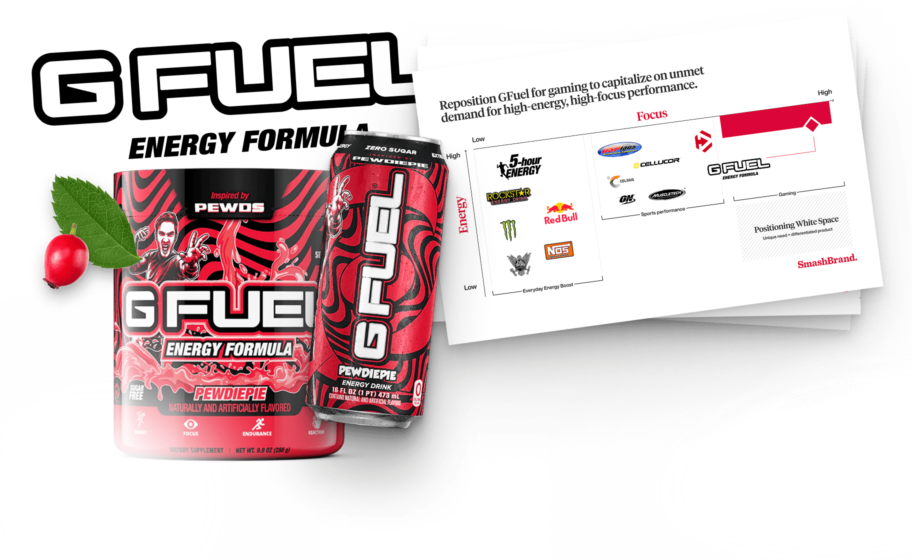
The whole process is divided into two main steps to execute the rollout plan. It includes forming a brilliant team that can handle the process efficiently and maintain proper communication.
Team Formation
A company may form two teams, one internal and the other external. The internal team helps to execute the rollout plan as they deeply understand the company’s core values, culture, and goals. They can provide valuable insights into the process and help the company align its new brand identity with its vision and mission.
External partners such as rebranding agencies, marketing firms, and design studios can provide specialized expertise and resources to execute the rollout plan effectively. They can help develop the new brand identity, create marketing materials, and launch the marketing strategy.
Communication
Proper communication is the backbone of the whole rebranding campaign. It helps to maintain discipline and keep the internal and external teams on the same page. It can take various forms, like emails, meetings, phone calls, and presentations.
Communication helps retail partners learn about the company’s brand strategy changes to promote the new brand identity to consumers. Similarly, media outlets spread the word about the new changes and generate buzz around the project.
Launch Strategies
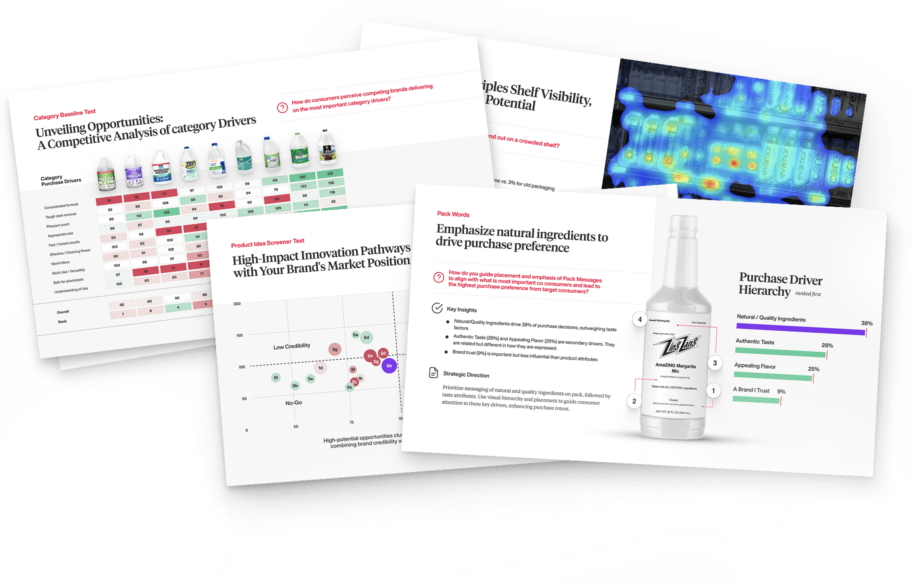
Launching the rebranding announcement is as tricky as the process itself. A company must create excitement and curiosity to engage the target consumers, which requires careful planning. Let’s discuss the effective launching strategies we’ve larned through past rebranding examples:
Staggered Product Release
Staggered Product Release is a unique launching strategy for a rebranding process that involves rolling out the rebranded product in stages. The strategy includes two main guidelines: Test Markets and Limited SKU Rollout.
Test Markets: Helps companies test their strategy in a controlled market before launching the product on a larger scale. This way, businesses can learn about the areas of improvement before launching the final rollout.
Limited SKU: Businesses initially change the branding for key, high-margin, or high-visibility products. It helps gauge the consumer response to the new identity, managing the cost of the rebranding and ensuring efficient execution.
Multi-Channel Campaigns
Multi-channel campaigns utilize various mediums to announce the rebranding rollout. The purpose is to maintain uniformity across all touchpoints and inform the consumers about the new brand strategy efficiently. The following three methods are commonly used:
-
- In-Store Signage: Use in-store materials to educate consumers about the rebrand.
-
- Digital Advertising: Leverage targeted ads to familiarize your audience with the new brand imagery.
-
- Public Relations: Media coverage can help validate and explain the rebrand.
Influencer Partnerships
Businesses can utilize social media influencers with large followings to educate their audience about new strategies and products. Influencers can become brand ambassadors by reviewing and sharing their opinions on rebranded products through unboxing and other means.
Co-Branding Initiatives
Introducing a new brand identity to a larger audience can be achieved through collaborations with other brands. Two effective ways to do this are limited-edition partnerships and cross-promotions.
Limited-edition collaborations involve teaming up with a brand that complements your own to create a co-branded product line that showcases your new branding to your customers.
On the other hand, cross-promotions involve sharing promotional space with a partner brand in a retail setting to draw more attention to your rebranding efforts. Have you considered these options for your business?
Retailer Collaboration
Retail collaborations in a rebranding rollout plan involve partnering with key retailers to introduce the rebranded product exclusively or hosting events and demos at retail locations to engage directly with consumers.
These collaborations leverage the retailer’s existing customer base and distribution channels to create excitement and drive awareness about the new brand identity. It can help businesses tap into new markets, enhance visibility, and boost sales as part of their rebranding strategy.
Loyalty Programs
Businesses introduce or revamp loyalty initiatives to coincide with the rebranding effort. These programs aim to retain existing customers and attract new ones by offering rewards, discounts, or exclusive benefits to loyal patrons. Loyalty programs can create a sense of attachment to the new brand identity, encouraging repeat business and fostering long-term customer relationships.
Enhanced Experiences
Use virtual or augmented reality to create an interactive in-store experience where customers can see the story behind your rebrand or visualize your product in different settings through their smartphones. For instance, an ecommerce store can utilize AR to help consumers test the clothing or shoes first. This way, they can virtually experience the product before making a final decision.
Gamification
Gamification enhances user engagement and motivation. Companies may offer gamified loyalty programs where consumers can earn rewards or discounts by participating in activities like collecting points or completing challenges.
Gamification leverages the intrinsic human desire for achievement and competition to drive desired behaviors. It is a powerful tool in various fields, from education and fitness to marketing and employee training.
Virtual Unveiling
Have you ever considered how a virtual unveiling can create curiosity and excitement surrounding a product launch? Apple has mastered this approach by inviting industry influencers, journalists, and critical consumers to introduce new products. It is an excellent opportunity to educate about the reasons behind the rebrand and what customers can expect in the future.
Customer Feedback Loop
Have you considered asking your target consumers about their experiences with your new product or service? It can help strengthen their connection to your brand and provide valuable feedback on your rebranding strategy. Using this approach, you can assess the impact of your rebranding strategy in real-time.
Customization Opportunities
By offering time-limited personalization opportunities within the rebrand launch, customers can have a sense of ownership and brand connection. It incentivizes early adoption and purchases and builds communities on social platforms that provide members exclusive access to rebranded products, further strengthening brand loyalty.
Flash Sales or Discount Codes
Offering time-limited flash sales or unique discount codes tied to the rebrand launch is an effective way to boost early adoption and purchases of the rebranded product. Flash sales are limited-time offers with discounts ranging from 20% to 90% that encourage impulse buying behaviors and enhance the shopping experience.
Path to Performance™
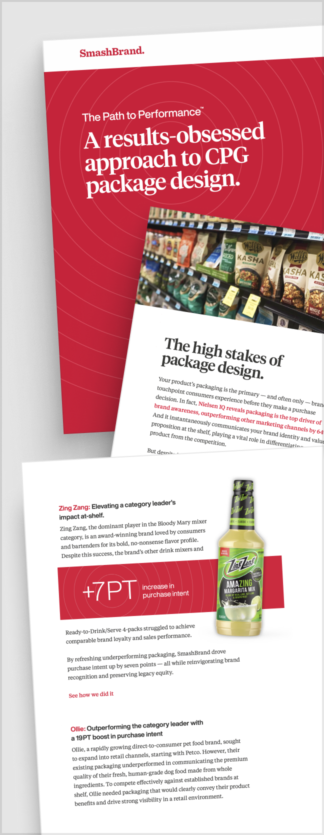
Taking a results-obsessed approach to CPG package design.
Discover how SmashBrand’s proprietary process, rooted in scientific principles, informed by data, and validated by your target audience, eliminates the guesswork from package design and delivers guaranteed results.
"*" indicates required fields
Contingency Planning
When undertaking a rebranding project, developing a plan that addresses potential challenges and minimizes disruptions is crucial. It includes identifying possible bottlenecks and issues that may arise, such as a lack of internal support or delivery problems with rebranded materials. Efficiently managing these challenges is vital to achieving a successful outcome.
Measuring the Effectiveness
Measuring the effectiveness of a rebrand involves a comprehensive assessment, considering critical factors like brand implementation and rebrand rollout. Let’s discuss how to measure the effectiveness of the rebranding efforts.
Data Collection
Brands can utilize surveys, in-store data, social listening, and analytics to collect necessary information after rebranding. This information can help in analysis and decision-making and, most importantly, allows companies to assess their brand value.
Assessment
After gathering all the necessary details regarding the rebranding, the next step is to assess the process. Brands have several tools at their disposal to do this. For instance, a company with an online store can monitor KPIs such as website traffic, social media engagement, and sales revenue.
Also read: Ten Risks of Rebranding And How To Address Them.
Post-Rollout Adjustments
A company needs to stay on track with its marketing even after a rebranding rollout. By analyzing data and measuring the effectiveness of their efforts, branding companies can identify areas for improvement and ultimately increase sales and engagement with consumers.
Nice Package
Don’t miss out on our monthly newsletter Nice Package!
Each month, we deliver a data-driven newsletter directly to your inbox, unpacking a critical topic in the FMCG & CPG industry.
"*" indicates required fields
Data-Driven Brand Development That Can Guarantee Sales Performance.
If you need a rebrand with performance predictability, we can help. SmashBrand is a rebranding agency that researches, designs, and tests all products to ensure peak shelf performance. Book a time to discuss your project with our team.

A seasoned veteran in the CPG (Consumer Packaged Goods) industry, Jason Vaught brings a wealth of knowledge and hands-on experience as the director of content and marketing for SmashBrand. His comprehensive role at the forefront of brand communication ensures that CPG brands remain well-informed about the suite of services SmashBrand offers. Furthermore, his insights derived from the company's strategy, design, and testing services are invaluable to brand owners and managers seeking expert guidance.
From his early endeavors in launching a successful sports nutrition brand that gained prominence in significant bodybuilding and fitness retail spaces to his entrepreneurial ventures in kick-starting multiple brick-and-mortar and e-commerce startups across diverse industries, Jason's career is studded with substantial milestones. Notably, he has innovated numerous products later embraced by leading industry brands, showcasing his knack for anticipating market demands and setting trends.
Jason's journey in the CPG industry commenced at age 21. Over the years, he has worn multiple hats, ranging from a manufacturer and retailer to a distributor and brand owner. This multifaceted experience equips him with the rare ability to offer practical advice grounded in real-world expertise. His mission is to guide and support other CPG brand owners, directors, and managers on their path to success.
Subscribe to
Nice Package.
SmashBrand’s Nice Package: Stay current with our latest insights
Free Resource.
CPG product repositioning guide.
Explore the five undeniable signs your CPG product needs repositioning along with strategies for leveraging consumer insights for a guaranteed market lift.
Download Whitepaper About CPG product repositioning guide.