
 Overview
How important is it to have a strategic approach when naming your products? Choosing the perfect name for a product or service is one of the most critical decisions for any business, as it will be the first impression for your customers. A well-thought-out product naming framework can help companies develop an impactful and consistent brand strategy.
This article discusses a systematic methodology for product naming that involves analyzing competitors, defining brand values, testing names with consumers, and ensuring regulatory compliance. Implementing an organized product naming framework can help establish a meaningful identity for your offerings and build customer loyalty in an increasingly crowded marketplace.
Setting the Foundation
Setting the Foundation is the first critical step in developing a practical new product naming framework. Businesses must start by defining their core brand identity and values that all subsequent product names will reflect. It includes crafting a concise brand name as well as a positioning statement.
Organizations should then outline the overall product naming process and strategies that will be followed to maintain consistency and coherence across all offerings. Only with a strong foundation can companies confidently move forward with strategically naming new products and services that strengthen their brand.
Understand the Brand Identity and Vision
As much as laying a solid foundation is necessary, having a sound knowledge of the brand identity is equally important. A company’s mission, vision, and values help guide effective product naming. With a clear understanding of their strategic goals, companies can craft naming conventions that align all future offerings with the core identity.
Naming workshops help define how brand attributes like trust, quality, and innovation should inspire novel names. By grounding discussions in the mission and values, teams ensure new product names authentically reflect and strengthen the vision.
A consistent approach built on the foundation of what the brand stands for makes it easier to develop names that resonate with target audiences. Establishing a solid product naming architecture anchored in the mission facilitates seamless brand messaging across all touchpoints.
Setting Naming Objectives
Companies must determine what they want each name to achieve for the brand and business. Are recall, emotional impact, or differentiation most important? These questions help identify the proper naming criteria when expanding into new categories.
When making strategic decisions about line extensions, brand repositioning, and storytelling, it’s important to have well-defined objectives for each product family. These objectives help evaluate whether potential names align with the brand’s positioning.
Consistency with the parent brand’s values is crucial when extending a product line. By sticking to well-defined objectives, each naming decision can strengthen the more prominent brand identity rather than diluting it.
Research & Insights
Comprehensive brand awareness studies can reveal how consumers perceive the brand and its offerings. Surveying the target audience about their needs, preferences, and motivations guides highlighting attributes in new names. Benchmarking competitors uncovers industry trends, categories, and themes to consider or avoid.
Exploring cultural references within the target demographic opens up relevant naming possibilities. Synthesizing these findings helps brands better understand how to connect through meaningful and memorable product identities.
History of Naming
Studying the historical naming strategies can provide valuable insights that are still relevant today. Some classic approaches to naming products include descriptive names that convey their key benefits or attributes. Another traditional strategy involves using a naming convention that systematically organizes related offerings under an identifiable architecture. Past examples include using numerical sequences or common branding elements like prefixes and suffixes.
Recent branding strategies attempt to establish an emotional bond by using metaphorical names that allude to emotions or perceptions. By understanding the naming principles, tactics, traditions, and all possible options, brands can position themselves within this tradition to improve upon successful practices. Companies may leverage data from the past to develop an effective product renaming strategy.
The following are some of the most commonly used naming frameworks:
- Descriptive Names – directly describe product features, benefits, or purpose (Ex: Handy Vacuum Cleaner)
- Metaphorical Names – associate product with an unrelated concept or idea to convey feelings (Ex, iPod)
- Coined – completely made-up words that become their brand (Ex, Kodak, Xerox, Ziploc)
- Acronyms – formed from initial letters of other words (Ex, NASA, NATO, HBO)
- Place-based – usually named after a specific place (Ex, Philadelphia Cream Cheese)
- People-based – Named after famous people (Ex, Tesla)
- Numerical – utilize numbers or sequences (Ex, iPhone 5, iPad Mini 4)
Data-Analysis
Workshops that gather input from stakeholders, customers, and industry experts provide qualitative insights into perceptions of the parent brand and product categories under consideration. Quantitative research, including surveys and focus groups, helps validate intuitive opinions. Benchmarking competitor names supplies context around existing strategies and identifiers.
Analyzing past brand and product naming strategies highlights what has succeeded or fallen short. Synthesizing qualitative and quantitative findings reveals patterns and themes guiding the product naming framework. By analyzing relevant data from various sources, teams can make evidence-based choices aligned with audience sentiment and business goals.
Psychological Impact of Product Naming
The name of a product can significantly impact how consumers perceive it. A carefully chosen name has the potential to make a positive first impression, generating interest and building favorability. Aiming for a character that creates an association with positive qualities in the audience’s mind is essential.
Additionally, names that are easy to pronounce and remember can increase the likelihood that potential buyers will recall the product at a later time. Simple or familiar spellings promote comprehension and reduce confusion. Pleasing aesthetic qualities like flow, rhythm, and sound symbolism in a name can elicit an unconscious emotional response.
Cognitive Recall and Recognition
Achieving strong brand recognition” is critical to building long-term brand equity. When developing names, it is essential to consider how each option might support unaided recollection and aid customers’ quick recognition of the brand in stores or online.
By selecting a product name that seamlessly leverages the cognitive functions of recognition and recall, brands empower customers to remember them precisely when and where purchasing decisions are made. This high “brand recognition” underpins enduring brand awareness and equity that drives long-term business success.
The science of memorable names
Crafting truly memorable names is as much nuanced art as empirical science. Qualities like conceptual metaphor, phonetic harmony, and emotional appeal forge deeper connections within our minds. Yet the most successful identifiers are also pleasing to perceive—visually distinctive with lyrical rhythm.
Skillful application of such psychological and cognitive principles guides brands to labels optimally primed for recollection. Memorable monikers endure through their effortless integration with human experience.
Emotional Resonance
Creating a memorable product name requires emotional resonance. When we hear a company name, it should trigger both conscious and subconscious associations that make us feel a certain way and create a solid attachment to the brand.
Effective naming strategy involves using metaphors, cultural symbols, and phonetics to evoke emotions such as nostalgia, fun, and trust. Companies can build meaningful customer connections by tapping into the brain’s emotional pathways. Choosing the right emotions to evoke is the foundation of successful naming.
Cultural Sensitivity in Naming
Cultural sensitivity is one of the most important things to remember during product naming. Identities and traditions vary widely around the world. When finding a potential name, extensive research illuminates the symbolic meanings, taboos, and linguistic nuances across global communities. Consulting and vetting possible names celebrate diversity and build brand trust.
Names Lost in Translation
When expanding into new international markets, a great brand name that resonates with the corporate brand may become lost in translation. As part of the brand naming process for extensions, leveraging the existing brand through wordplay, sounds, or metaphors can backfire when translated. What signifies quality in one language may have an entirely different meaning elsewhere.
Naming Success in Global Markets
When brands are expanding or introducing new offerings, they should carefully consider the cultural contexts of diverse international audiences to ensure that their brand names enhance rather than hinder the experience across borders. To gain a foothold in global markets, brands must craft identifiers that resonate locally and build international recognition.
Memorable brand names that tap into universal human values through localized resonance effectively unite worldwide customers under a cohesive identity. Therefore, brands can strengthen their brand experience worldwide by selecting labels optimized to appeal locally.
The Role of Technology in Product Naming
In today’s technology-driven business environment, naming considerations extend beyond traditional marketing. As more consumers begin their journeys online, the digital footprint of a name takes precedence. Its viability as a domain, social handle, app title, and searchable keyword impacts how easily discoverable and memorable the brand becomes across digital ecosystems.
Lengthy or hard-to-spell monikers impede these crucial technology-driven interactions. Conversely, strategic names complementing standard digital protocols and algorithms facilitate worldwide discovery. Savvy brands preempt online obstructions through meticulous planning with their web presence, domain registration, and search optimization at the forefront of their minds during development.
Ideation & Generation
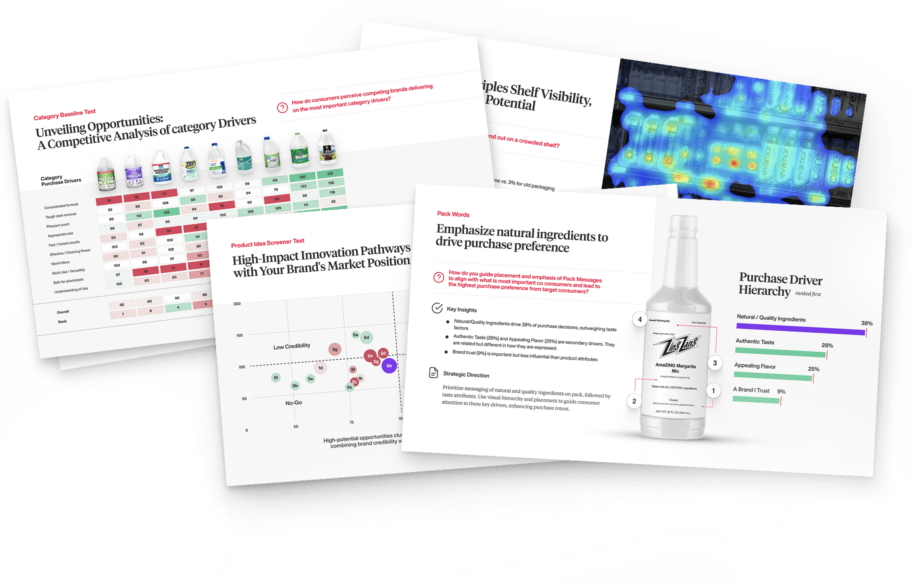
Market research, customer insights, and competitive analyses illuminate brand opportunities and pain points. Brainstorming explores contemporary and memorable options by tapping into cultural zeitgeists, megatrends, metaphors, wordplay, and symbolic meanings aligned with brand messaging.
Shortlisting candidates involves narrowing down the options based on clarity, versatility, and legal viability. The following are some of the effective methods when coming up with a unique name:
Brainstorming Techniques
Brand storming techniques help teams think more expansively and tap into diverse perspectives. Free association allows for unexpected connections, while morphological analysis deconstructs existing names to uncover new combinations.
- Keyword generation leverages market insights to surface relevant terms.
- Storytelling prompts foster empathy and uncover emotionally resonant concepts.
- Visual brainstorming uses imagery to inspire abstract ideas.
- Question prompts focus on brand attributes, benefits, and positioning strategies.
These branding storming methods cast a wider net and stimulate more innovative and applicable naming options to evaluate.
AI and Automated Naming Tools
Machine learning can generate thousands of naming options in just a few minutes, which can uncover naming opportunities that might be missed during manual brainstorming sessions. These AI-assisted methods can help expand possibilities, streamline parts of the naming process, and optimize outcomes. While human judgment is still necessary to determine the best fit, machine learning algorithms can evolve and improve over time, making creating and maintaining a brand’s identity easier.
Overcoming Creative Blocks
Sometimes, when coming up with ideas for a name, the creative process can become stuck, making it difficult to move forward. To overcome this, teams can try changing their approach by brainstorming in new locations or seeking inspiration from unrelated sources. They can also test out initial concepts with members of the public or revisit their research with fresh eyes. Collaborating with others to generate ideas can also bring new solutions.
Evaluation & Refinement
No name makes it through on instinct. We pressure-test top contenders through iterative consumer testing and message refinement, every word challenged for clarity, relevance, and performance. Legal checks confirm availability. Market research flags risks. Cultural screening ensures global fit. Only then does a name earn the right to launch.
Consumer Feedback
Consumer feedback is a critical step in the product naming process. We use focused interviews, moderated groups, and large-scale surveys to measure comprehension, appeal, and fit with your brand architecture.
Quant meets qual. We look for patterns that tie directly to purchase behavior. We also test names in realistic brand contexts. Whether it’s through online panels, message boards, or targeted crowdsourcing, we evaluate names the way your product marketing team needs to: with real data from real people.
If you’re a product manager making high-stakes decisions, this input is non-negotiable. It strengthens your brand naming strategy, ensures alignment with your brand nomenclature, and narrows in on names that actually resonate with your audience.
Path to Performance™
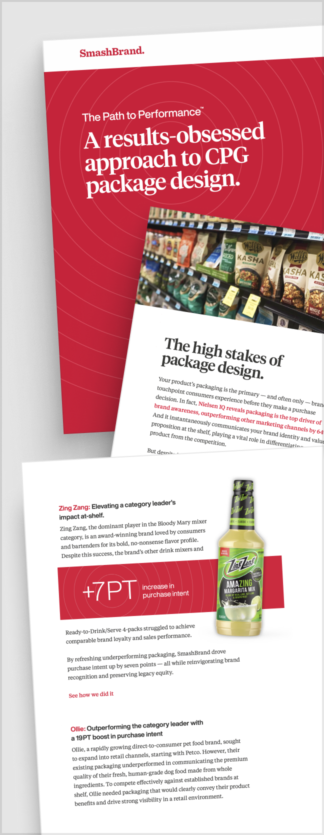
Taking a results-obsessed approach to CPG package design.
Discover how SmashBrand’s proprietary process, rooted in scientific principles, informed by data, and validated by your target audience, eliminates the guesswork from package design and delivers guaranteed results.
"*" indicates required fields
Ethical Considerations in Naming
A strong naming principle respects cultural norms and avoids negative connotations that alienate your potential customer base. That means researching how names land in global markets and listening to diverse stakeholder voices before moving forward.
If your name leans into sustainability, make sure the claim is real. Faking it opens the door to public relations fallout and damages brand loyalty. Clear your trademark early. Don’t just avoid conflict, avoid confusion.
Misleading or overly invented names can derail your positioning and weaken your brand personality. An ethical naming process protects your brand and the people it serves.
Final Selection & Protection
Naming a new product or renaming an existing one requires more than a gut check. It demands real-world validation. We use consumer panels to test comprehension and appeal because if your audience doesn’t get it, it doesn’t work. We run trademark checks early to ensure legal protection across categories and markets.
Securing domain availability is part of the process, not an afterthought. Once top names surface, we share research-backed insights to align stakeholders and secure buy-in.
Only then do we move to register and protect the name, locking in ownership and reinforcing your brand for long-term success. SmashBrand’s approach to product naming follows a proven, strategic process, supported by data and designed to fit your naming architecture.
Integration with Branding
Selecting a name is just the beginning, as effective integration with other branding components maximizes impact. Logo and graphic design must complement the name’s underlying concept, benefits, and tone to create a cohesive brand story at a glance. Names support strategic branding initiatives, such as rebranding or line extensions.
Conversely, branding aesthetics should organically highlight and strengthen the name. Ensuring all visual and verbal elements work seamlessly together builds recognition and reinforces the branded experience end-to-end.
Key Takeaways
- A structured product naming strategy ensures brand consistency and clarity across all offerings.
- It supports cohesive messaging and reinforces brand identity.
- Clear objectives drive smarter decisions, align with positioning, and protect against brand dilution.
- Cultural awareness builds global trust, while tech checks keep your online presence frictionless.
- Strong names follow proven product naming conventions, tapping into psychology and recall to shape consumer perception.
- The right product naming company applies these principles through defined guidelines and a tested service.
Nice Package
Don’t miss out on our monthly newsletter Nice Package!
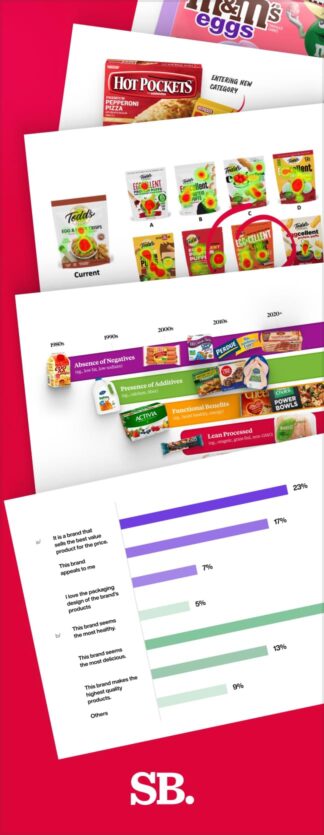
Each month, we deliver a data-driven newsletter directly to your inbox, unpacking a critical topic in the FMCG & CPG industry.
"*" indicates required fields
Data-Driven Brand Development That Can Guarantee Sales Performance.
Need a new name or a rename with confidence it will deliver? We can help. SmashBrand is a brand development agency that builds names using real data.
Our product naming process combines research, testing, and design to ensure every decision supports shelf performance. From product naming to product nomenclature, we apply proven brand naming frameworks and a clear naming strategy to find the right name for your audience and category.
Book time to talk with our team and start building a name that works as hard as your product.

A seasoned veteran in the CPG (Consumer Packaged Goods) industry, Jason Vaught brings a wealth of knowledge and hands-on experience as the director of content and marketing for SmashBrand. His comprehensive role at the forefront of brand communication ensures that CPG brands remain well-informed about the suite of services SmashBrand offers. Furthermore, his insights derived from the company's strategy, design, and testing services are invaluable to brand owners and managers seeking expert guidance.
From his early endeavors in launching a successful sports nutrition brand that gained prominence in significant bodybuilding and fitness retail spaces to his entrepreneurial ventures in kick-starting multiple brick-and-mortar and e-commerce startups across diverse industries, Jason's career is studded with substantial milestones. Notably, he has innovated numerous products later embraced by leading industry brands, showcasing his knack for anticipating market demands and setting trends.
Jason's journey in the CPG industry commenced at age 21. Over the years, he has worn multiple hats, ranging from a manufacturer and retailer to a distributor and brand owner. This multifaceted experience equips him with the rare ability to offer practical advice grounded in real-world expertise. His mission is to guide and support other CPG brand owners, directors, and managers on their path to success.
Subscribe to
Nice Package.
SmashBrand’s Nice Package: Stay current with our latest insights
Free Resource.

CPG product repositioning guide.
Explore the five undeniable signs your CPG product needs repositioning along with strategies for leveraging consumer insights for a guaranteed market lift.
Download Whitepaper About CPG product repositioning guide.