
 Overview
Looking for packaging design ideas that actually move the needle, not just look good in a deck? This article takes a strategic view of packaging, examining how product design and packaging materials work together to drive attention and purchase on the shelf. We’ll break down creative packaging ideas and creative box packaging design through the lens of what shoppers notice, process, and act on in real retail environments.
You won’t find surface-level opinions or empty praise here. Every creative packaging design idea we reference is grounded in consumer testing and real-world performance across CPG categories. Whether you’re a brand owner, marketer, or designer, this is a practical look at why certain packaging ideas win and how to apply those principles to your own packaging design.
Where To Find Package Design Inspiration
Before diving in, a quick note on inspiration. When product packaging design feels stuck, stop looking only at your category. Some of the most innovative packaging ideas are already working in adjacent spaces. Your job is to identify what resonates with customers there, extract the underlying consumer insights, and translate them into something ownable for your brand.
Strong inspiration isn’t about copying artistic expressions or chasing aesthetic appeal for its own sake. It’s about recognizing patterns that simplify choice, avoid overcomplicated designs, and feel intuitive at the shelf. Often, that includes smart use of sustainable material and structural elements that signal quality and intent without asking shoppers to work harder to understand the product.
Our Curated List of Exceptional Packaging Design Ideas
This collection features a mix of category leaders with massive brand equity and emerging challengers you may be seeing for the first time. Every example operates in a crowded CPG category, where packaging has to earn attention fast and convert even faster.
Each selection highlights a specific lesson, whether it’s the use of innovative materials, clear storytelling through product packaging, or creative packaging concepts that simplify the choice at the shelf.
Pay close attention to the rationale behind each design. The goal isn’t artistic novelty for its own sake, but avoiding inadequate brand alignment and showing how smart designers translate strategy into packaging that performs.
Amy’s Gluten-Free Burrito
Amy’s has earned its place in the natural food space, but legacy brand equity doesn’t always translate to shelf breakthrough. That’s the challenge with large portfolios when every SKU leans on the same graphic system; distinctiveness gets diluted.
That said, their gluten-free burrito cuts through. It’s not a reinvention, but it does the job thanks to front-panel messaging that makes gluten-free and organic the hero. That clarity is a purchase driver in a category where dietary needs shape decisions fast.
From a structure standpoint, there’s room to evolve. Consumers are paying attention to sustainability, and this is a prime opportunity to swap standard film for baking paper or biodegradable packaging that aligns with their values. The pack design could lean harder into minimalist marvels or explore geometric wonders that resonate with modern shoppers’ aesthetic preferences, especially those scanning for quick cues.
Amy already owns trust. What they need now is packaging that commands attention through luxurious embellishments, smart use of corrugated cardboard, and packaging boxes that project brand leadership. It’s about building sustainable structures that aren’t just responsible but remarkable.
Snapple Elements
When you have a brand differentiator stating that your product has the best stuff on earth, you’d better live up to the hype. With a slogan well ahead of its time, Snapple must live up to its original promise. The term “best stuff” pertains to food and beverage, and Snapple is changing along with it.
Sometimes, with line extension comes a brand refresh. Snapple addresses the key elements of packaging design with its new Snapple Elements bottle design. The play-off of natural elements subtly speaks to Ayurveda, where natural ingredients thrive.
Starbucks Nitro Cold Brew
Starbucks dominate coffeehouseswith a $30B CPG engine by understanding how to win in retail. Their Nitro Cold Brew is a smart example of the best brand packaging, leveraging distinction rather than mere recognition.
Nitro takes top billing because it cues a richer performance texture, a fuller taste, and a smoother sip. It sets the product apart in a crowded category. Supporting that, the word “premium” earns the price point and positions the brand for a more discerning shopper.
From a design perspective, this is one of those package design examples where small moves make a big impact. The center-aligned logo has depth. The fluid graphics signal motion. It’s an attractive packaging design that communicates before the first word is read.
For brands looking at the best product packaging in the coffee category, this is a case study. A package that performs because it leans on clarity, confidence, and cues consumers actually care about. It’s not flashy. It’s functional with just enough finesse to stand out.
Evian Natural Mineral Water
The strength of Evian’s premium water offerings is in the brand story. So it makes sense how brand identity is the focus of their water bottle design. The bottle features few elements and depends on the brand name as a purchase driver.
When we think of premium water, we think of restaurants that pour your glass out of fancy bottles. Except for the brand’s name, the water is the shining star throughout the experience. Evian hopes to have the same effect with its glass bottle design.
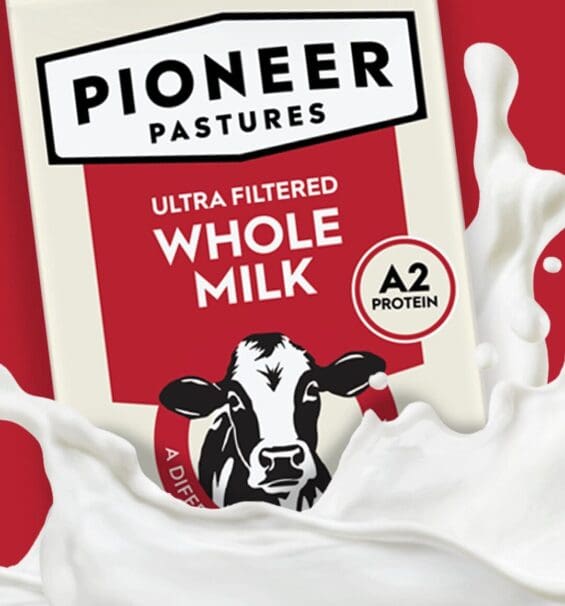
Maple Hill Organic Grassfed Milk
In a category crowded with health-conscious claims, Maple Hill pushes hard on its point of difference. The carton says “organic” three times, “grass-fed” twice, because once isn’t enough when every brand is making the same promise.
This is packaging that doesn’t assume the shopper is already convinced. It spells it out, then shows it. A cow, mid-chew, front and center. A personal touch, name, farm, location, on a stark white background. It’s a clear signal of transparency and simplicity, which consumers translate as trust.
While the repetition flirts with visual overload, it’s a smart play. In a space where bad product packaging design often comes from vague claims and muted visuals, Maple Hill goes full exposure.
Is it award winning package design? No. But it’s b2b packaging design that gets the job done in retail. It understands what moves the needle: direct communication and visual shorthand for natural integrity. In the best of packaging, sometimes clarity beats creativity.
For brands chasing the best brand packaging design, Maple Hill is a reminder: the best box packaging design doesn’t have to be clever, it just has to connect.
Lipton Sweet Tea
Lipton’s jug packaging says, “We know what you like and how you like to drink it.” Why such an investment in a custom packaging design? Perhaps popularized by the Duck Dynasty’s Si, many people like to drink sweet tea straight from the jug.
The design itself focuses primarily on brand identity. All elements send you to the center of the package, where Lipton pops off the label. Perhaps through package design testing, but Lipton decided not to compete against tea brands positioned as natural alternatives with more profound product stories.
Stellar Braids Pretzels
The common theme of a CPG category can be a complete mismatch with the consumers who purchase the products. Brands often follow suit and change the existing theme hoping to align and differentiate. In these situations, a disruption in a package design can lead to a fast swing in market share.
Stellars Snacks is one of those disrupters entering the stale pretzel category, creating new flavors, a more exciting story, and better ingredients. They decided their snack packaging design would go against the grain with such a novel approach. The design features bold abstract colors with a centered tablet, making the name and description visible.
Primal Kitchen Avocado Mayo
You’re going to wanna squeeze this! While that’s not Primal Kitchen’s product slogan, that’s how you feel when you view their avocado mayo design. Primal Kitchen’s competitors do their best to hide the fact that it is avocado and instead focus on less saturated fats or lower calories. Mark Sisson and the team recognized this and said, “hey, who doesn’t love avocado?” and made it the focal point of their packaging.
The ribbon of excellence showcases all the critical product features people look for from mayonnaise alternatives. The text box adds the purchase drivers consumers don’t expect but appreciate. Overall, the color scheme works well with the transparent packaging showing the off-white mayo.
Tree Top Fruit+Water
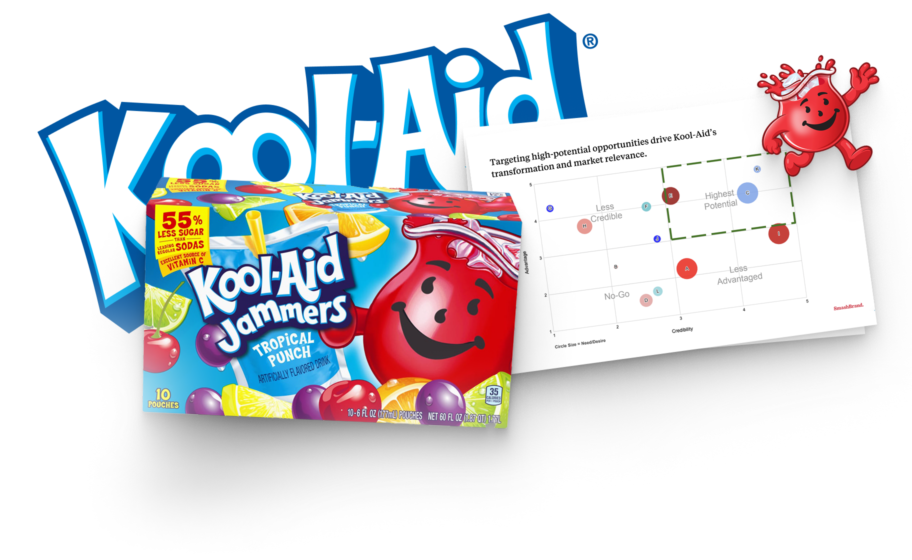
How do you know if your packaging will be a hit with both parents and kids? Through consumer package testing, of course! In a package refresh, TreeTop experienced an 18% increase in purchase intent over Capri Sun and a 22% increase in preference over Honest Kids.
When designing packaging for kids, remember that while kids might point at the shelf, parents are the ones who have the final say. TreeTop’s design speaks to kids, whereas the messaging resonates with health-conscious parents.
MeUndies Mystery Pack
Even apparel packaging is experiencing a shift thanks to Gen-Z gaining a more prominent influence in CPG purchases. Unique packaging that speaks to the “adulting” audience is less about branding and more about the experience.
MeUndies approaches experience uniquely with their mystery six-pack boxer brief. The packaging design doesn’t offer much to the eye, but isn’t that the point? Any design style might lead consumers to expect a particular style inside, which in most cases, will lead to disappointment.
While we thought we’d never see a day when surprise underwear would show up at our doorstep, MeUndies has a pitch worth trying.
Olly Sleep Supplement
Compared to most CPG categories, the nutraceutical industry may be new, but the approach to packaging design is old. Traditionally, we find plain packaging that looks like it’s in a 1980s health store or in-your-face packaging in bodybuilding stores.
There seemed to be a gap in the market for those who appreciate a sleek and stylish look. Olly capitalized on this market whether their custom packaging design looks like a piece of modern furniture. In a smart move, they marketed their modern packaging design to moms who appreciate a contemporary style.
Truff Hot Sauce
Minimalism meets sophistication with this packaging design. Truff is taking the world by storm with its truffle-infused hot sauces, and they are charging a premium price across a commodity competitor landscape. The bottle features a custom cap and straightforward label using a minimalist packaging design approach.
While their branding has yet to reach the mainstream, the name is unique enough that it will cause a potential customer to look further. Once they get their hands on the product, they experience the one-of-a-kind features that encourage them to take a chance on the product.
Dr. Bronners Soaps
Minimalism isn’t the solution for every brand. Taking the opposite approach might be just what the marketing Dr. Ordered. Speaking of doctors, Dr. Bronner’s soaps exemplify a maximalist packaging design done right. The label includes the founder’s Moral ABCs across the entire label.
While the overall theme of this label design is decades old, the mainstream understanding of a purpose-driven company on a mission is relatively new. If ever the time comes when they decide to perform a packaging refresh, we sure hope they test extensively to determine the long-term consequences of such a decision.
Seventh Generation Detergent
This brand has been a category leader since it hit Target’s shelves. Right time, right place? Perhaps. Sustainable packaging design gained traction right around the time this brand hit the mainstream. But it isn’t just timing that makes this brand a success (after all, it started in 2007); the design also plays a role in its success.
In a category with lots of colors, Seventh Generation took a fresh approach to their design. Their design features clean imagery with a brand value proposition of “clean with a purpose.” As a part of their custom packaging, they saved space on the label design by imprinting the recycle logo directly onto the bottle. Consumers might have a better time recognizing the recyclable packaging when it is not a part of a sticker-applied image.
Red Gold Tomato Love
How do you approach a giant food category with such heavy competition? Rather than kick the can down the road, you expose stale packaging for what it is and find a niche that excites consumers about your product.
That’s what Red Gold Tomatoes accomplished with this canned food packaging design. We had the good fortune of working with Red Gold Tomatoes on this project. Our work together yielded their product a 2x sales increase in the first three months.
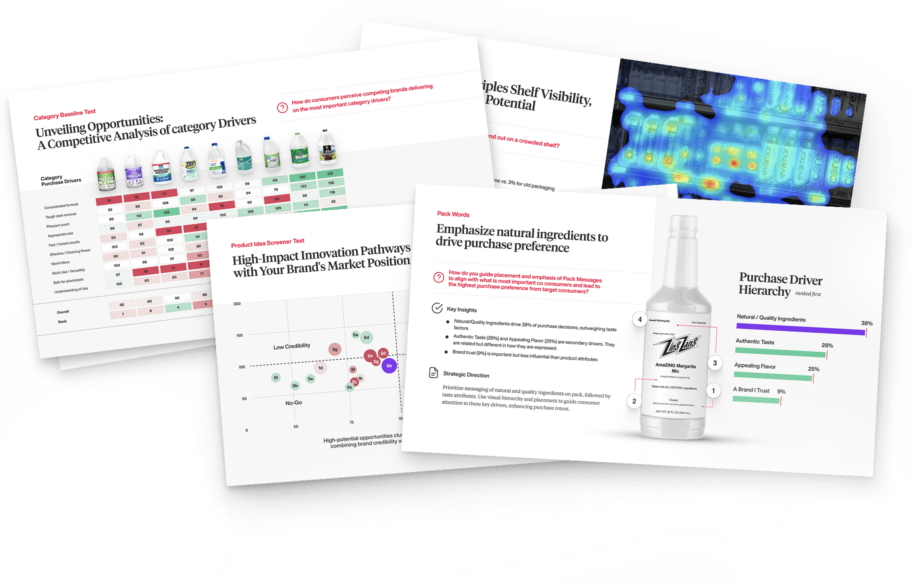
Humm Whole 30 Approved Kombucha
Diet trends come and go, but Whole30 seems to have found a permanent home on CPG shelves without producing a single product of its own. Instead, brands use the Whole30-approved logo to differentiate themselves from the competition. While many have not attempted this whole food diet, most of us recognize it as an intelligent nutrition strategy.
Humm Probiotic has taken grocers by storm with their zero-sugar Kombucha product. However, the problem is that it targets the sugar-free crowd rather than the whole-food crowd. Rather than create a sub-brand requiring Humm to find a branding position, they put whole30’s logo on their existing beverage packaging design, calling it a day. The design features the same brand elements but incorporates a new headline of being absurdly tasty.
This packaging design example shows us the power of leveraging existing consumer attraction to benefit your brand.
Intelligentsia Coffee
Before premium artisanal coffees were a thing, Intelligentsia was packaging delicious cups of freshly roasted coffee beans. Now, they compete against national roasters entering the small batch game and local roasters focusing on a specific territory. Such emergence of competitors puts stress on a brand, and without a compelling design, it’s hard to capture attention when hundreds of other brands are on the shelf.
The Intelligentsia coffee packaging design starts by using a vibrant red package. It’s clean, so it doesn’t disrupt consumer’s hope for a minimalist look, but it stands out compared to the traditionally dark colors on the shelf. Once you grab the bag, the story unfolds as you go through the packaging experience, ending in trust that this is a one-of-a-kind coffee.
It Cosmetics Hello Results Face Cream
Sometimes your product name is the beginning purchase driver for your product, which is an accurate statement for the cosmetic brand Hello Results. This successful cosmetic packaging design example walks consumers through each product’s benefits. The product name is the headline, and the three features are the benefits. This design must have been a copywriter’s dream come true.
It Cosmetics commands a $69.00 price tag for this 1.7 fl. oz product. But is there a price people will pay for immediate results? Since this is what the name implies, the call to action is strong enough that with a sprinkle of social proof, Hello Results sets the sales stage. They are positioned to sell their facial lotion to those willing to do whatever it takes to reduce wrinkles.
Kiva TCH Infused Chocolate
The idea of cannabis edibles isn’t new, but consumer demographics have changed. But we’ve come a long way from local shops being the exclusive source. Therefore, brands need to create a cannabis packaging design to attract a more mature audience.
Consumers of TCH products have grown up. Now, they might alternate an evening where a glass of wine is the preferred means of relaxation to a TCH chocolate bar to take the edge off. The Kiva chocolate bar created this look, and the custom box packaging design is stunning. The embedded leaf with unique flavors makes the product an experience of its own.
Hope Families Austin Hope Wine
Since wine is one of the oldest beverages in the world, there is much history in this CPG category. We can associate wine with almost every historic event in the United States, including our founding fathers, whose 4th of July celebration included fortified wine.
Hope Family has a wine label design that matches this historical period with a label that resembles the Declaration of Independence. The historic look offers a classic level of sophistication and tells a story on the front of the label. It’s a beautiful thing.
Nice Package
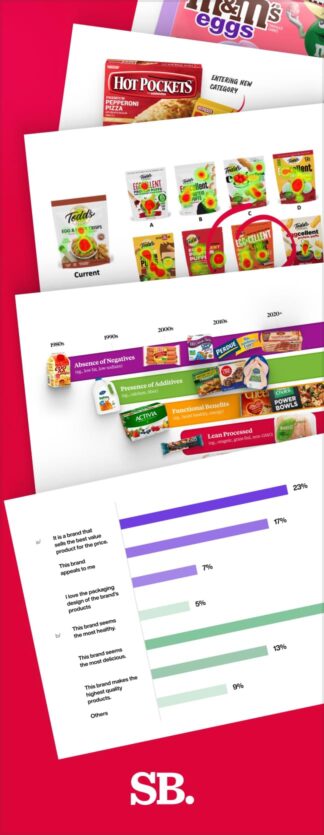
Don’t miss out on our monthly newsletter Nice Package!
Each month, we deliver a data-driven newsletter directly to your inbox, unpacking a critical topic in the FMCG & CPG industry.
"*" indicates required fields
Whistle Pig Whiskey
There is stiff competition in the alcoholic spirits category. In a competitive landscape filled with luxury packaging at every turn, finding a brand differentiator means more than having a premium appearance. Distinguishing yourself with any alcohol packaging design means finding a segment of the consumer demographic that will most embrace your brand.
In this brand refresh, we worked with Whistle Pig Whiskey and created a distinguished look that “distinguishes” them from the competition. The result was a 22% increase in brand revenue and a 16% increase in capturing their target market.
Essential Bakings Take & Bake Bread
To some, the idea of taking and baking means unnecessary work, whereas others find it to be aromatically therapeutic with minimal effort. Hence why take-&-break bread still exists. But with a small demographic seeking this niche category, having the correct purchase drivers on your product is necessary for capturing the audience who isn’t searching but is interested.
The Essential Baking Company’s take-&-bake bread targets the critical reasons many people buy food products. Their bread packaging design presents organic several times, places hot & fresh (even though it isn’t at the time of purchase), and expresses how there are no unnecessary ingredients. All leading to grab-and-go purchases from consumers who stumble upon this product.
Fine & Raw Chocolate
What’s the first thing that comes to mind when you think about chocolate? Is it Lucy hurriedly picking and packing chocolates on a conveyor belt? Or is it the idea of an artistic scientist working their magic to craft the most delicious bar ever produced?
The growth of chocolate is more like the latter. An obsessed individual (or company) whose life mission is to produce chocolate that changes the world. How do you convey this message with your chocolate bar packaging design? Fine & Raw lets an artist’s expression be the focal point of their packaging.
We find the primary purchase drivers within their product name, Fine & Raw. They’ve decided that these are the most important metrics for purchase intent and what consumers care about most. With much white space, this creative packaging design has nothing to get in the way.
See’s Candies Snack Collection
The snacking category is busting at the seams and is finding itself in CPG categories it did not expect. Like vending machines, sweets sneak into the snack industry, presenting themselves with designs resembling snack packs.
Sees entered this arena with their snack collection boxes. While we were not present during the packaging design process, we’re confident that bringing their iconic look synonymous with a holiday packaging design into this category was challenging. How can they integrate their brand palette into a category where colors are bold and abstract?
See’s approach to this snack-candy packaging design keeps the outside brand assets the same while letting the inside colors pop to enhance the experience.
Smucker’s Uncrustables
Is anything more frustrating than a kid asking a parent to take the crust off their bread? Busy parents don’t have time for such complexity when packaging lunches. Uncrustable solves this problem but then makes crust-free, fully prepared PB&Js.
Many excellent ideas go unnoticed, especially when stuffing them behind the glass in the frozen section. But with a frozen food packaging design like Uncrustable’s, being noticed behind the glass isn’t that hard. Like Fruit+Water, this design satisfies the fun-loving kid and the health-conscious parent. Correctly positioning the health purchase drivers above the enlarged product draws attention to this box section.
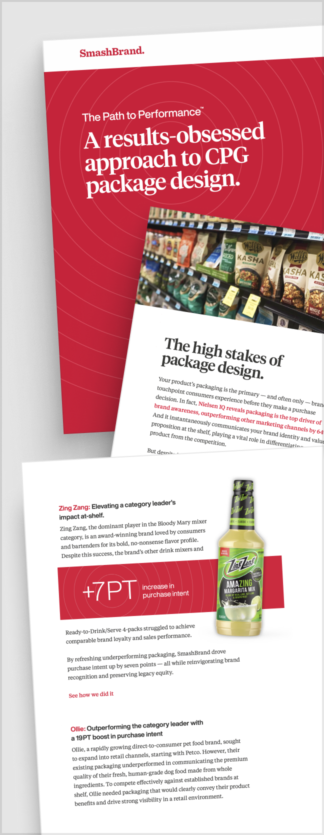
Path to Performance™
Taking a results-obsessed approach to CPG package design.
Discover how SmashBrand’s proprietary process, rooted in scientific principles, informed by data, and validated by your target audience, eliminates the guesswork from package design and delivers guaranteed results.
"*" indicates required fields
Bring Your Packaging Design Ideas To Life
At SmashBrand, we leverage extensive real-world consumer testing to help CPG companies design the best-performing package for their product. When performing packaging design testing, we eliminate subjectivity in order to ensure accurate shelf sales expectations.

Kevin Smith is the founder of SmashBrand, a brand development agency specializing in the CPG and FMCG sectors. Under Kevin's guidance, SmashBrand seamlessly integrates brand strategy, design, and detailed consumer testing, ensuring impactful market outcomes and enhanced sales velocities for its clients.
Key milestones in his career:
Before establishing SmashBrand, Kevin ventured into entrepreneurship with Nutri-Sport at 21. Recognizing the untapped potential in sports nutrition, he rapidly expanded to seven retail locations within a year. This success led to the formation of a distribution company serving all nutrition stores throughout Arizona.
Subsequent ventures included pioneering e-commerce stores and launching Athletic Xtreme, a globally distributed sports nutrition brand. Notably, Athletic Xtreme won BodyBuilding.com's Brand of the Year in 2006 and found its place on the shelves of major retailers, from GNC and Vitamin Shoppe to Walmart successfully exiting in 2014.
Apart from brand milestones, Kevin's journey includes commendable service as a Marine Corps veteran, where he was honored as a DOD Marine of the Year in 2001.
While leading SmashBrand and investing in budding brands, Kevin is committed to mentoring aspiring CPG entrepreneurs. His profound industry knowledge, from grasping retail trends to understanding shelf dynamics, serves as invaluable guidance for brands striving to carve out their niche.
Central to Kevin's approach is a consistent philosophy: Marry actionable, data-centric findings with proven strategies to ensure brands stand out and succeed in retail.
Subscribe to
Nice Package.
SmashBrand’s Nice Package: Stay current with our latest insights
Free Resource.

CPG product repositioning guide.
Explore the five undeniable signs your CPG product needs repositioning along with strategies for leveraging consumer insights for a guaranteed market lift.
Download Whitepaper About CPG product repositioning guide.