
 Overview
For many FMCG brands, impulse purchases drive trial and sales growth. And in those moments, packaging design is the deciding factor. Branding leaders already know this. Yet many still rely on intuition when developing packaging. Instead of using FMCG packaging design testing during development, decisions are often based on internal preferences and subjective feedback.
Skipping packaging design testing introduces real risk. You might launch a package that looks distinctive to the design team but fails to resonate with shoppers. Or communicate messages that confuse consumers about the product’s purpose and benefits.
Both problems come from the same issue: a lack of packaging research and structured design testing during development. This article breaks down FMCG packaging design testing. You will learn about the necessary steps and common mistakes to avoid during the testing process.
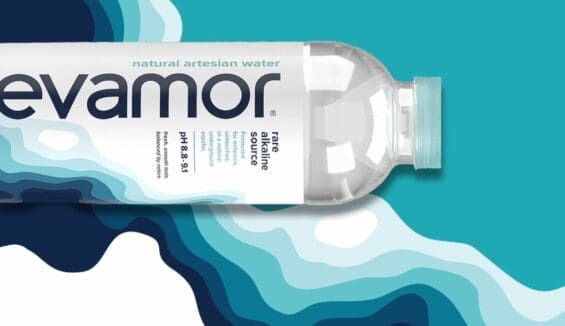
Establish a clear frame of reference for your product.
Most FMCG brands do not have big advertising budgets. That means the shelf is often the first time a consumer sees your product. Your packaging has to do the heavy lifting instantly. It has to make clear what the product is, why it matters, and why it is a better choice than the alternatives.
To establish that frame of reference, your pack must answer a few essential questions:
- What is the product, and how much is in the package?
- Why should someone choose it over the competition?
- Are you using the right category cues to signal the benefit, whether that is the fizz of a soft drink or the indulgence of a chocolate bar?
- And when it makes the product easier to understand or more compelling, are you breaking category norms that no longer help the consumer make the right call?
These decisions should be shaped by consumer insight, market research, and package design testing. A/B testing can help validate what improves clarity and what strengthens the purchasing decision. Even packaging material can influence how the product is perceived by the target market.
You have between 3 and 13 seconds to make all of this clear. That is the window. Packaging has to work hard, communicate fast, and remove doubt before the moment is gone.
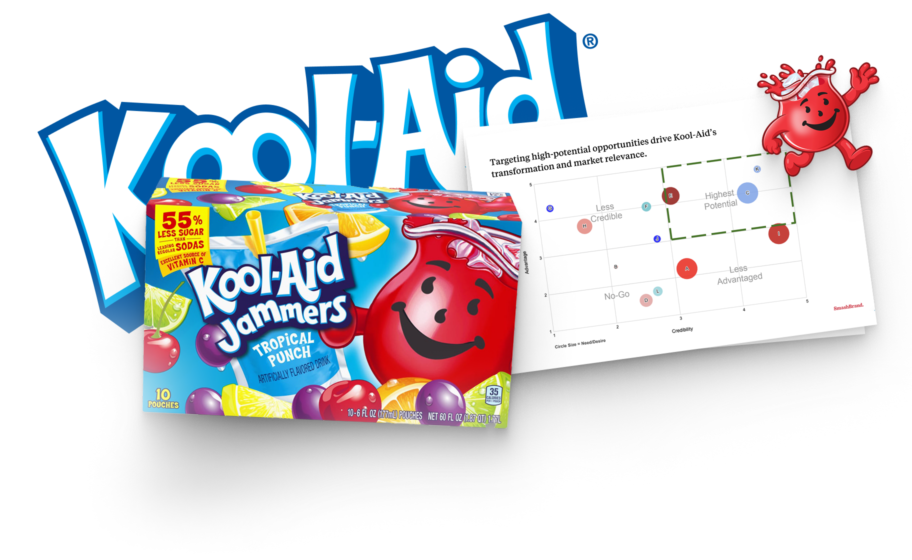
Win the “head” by helping consumers rationalize the purchase.
Effective CPG packaging gives shoppers clear reasons to believe the product is worth choosing. Those reasons must be obvious the moment someone looks at the pack. The front panel must highlight the most persuasive claims that support the purchase decision. This is where your strongest reasons to believe live, claims that directly address the core needs of the category and strengthen brand recognition.
Claims must be truthful, verifiable, and easy to understand. Supporting details and secondary information belong on the back of the pack, where they reinforce the story without slowing the shopper down.
Good packaging does not try to say everything. When brands overload the front panel with claims, shoppers hesitate. A clear hierarchy works better. Prioritize the RTBs that truly differentiate the product and align with consumer preference. Present the information in a way that is quick to process and easy to trust.
The goal is simple: give shoppers just enough proof to feel confident in their decision. That clarity strengthens brand recognition, builds brand loyalty over time, and turns interest into action.
And these choices should not rely on opinion. The only way to know which claims actually influence behavior is through testing. Concept testing, A/B tests, and iterative packaging evaluation reveal what drives consumer response and generate actionable insights. Those insights guide the design toward more effective packaging that performs in the market.
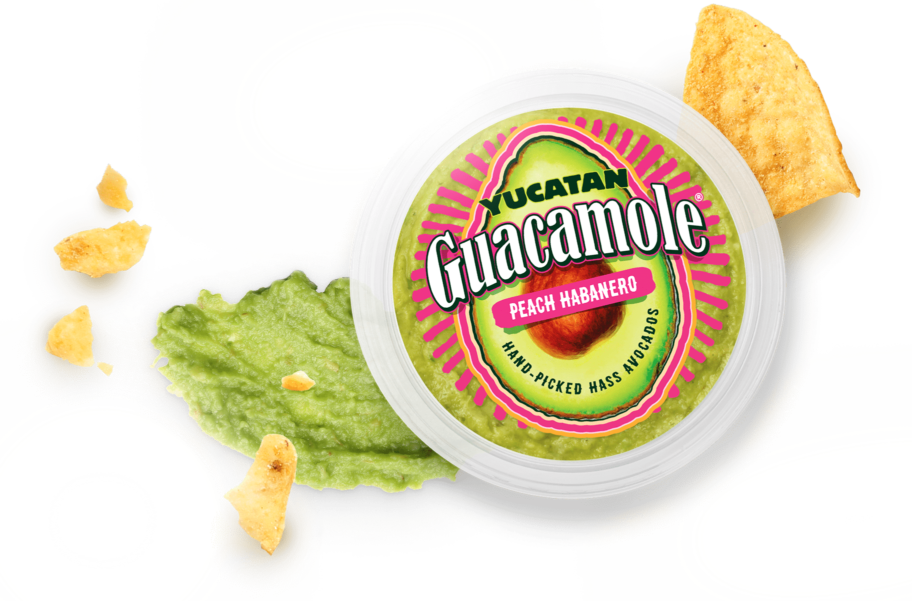
Capture the “heart” by creating an emotional connection with your product.
Great packaging makes the shopper feel something. In impulse categories, that emotional signal often determines the purchase decision. Your packaging must immediately signal who the product is for. Through the right design elements, the pack should align with consumer expectations and communicate, without hesitation, “this product is for you.”
When packaging reflects the values, aspirations, and lifestyle of the target consumer, the connection feels natural. That alignment turns curiosity into action. Getting this right requires evidence, not assumption. Methods such as eye tracking, focus groups, and testing across different packaging designs reveal how shoppers respond in the moment.
These approaches generate valuable insights into which visual signals attract attention, build connections, and ultimately influence the purchase decision. When the emotional signal is right, packaging does more than trigger a trial purchase. It starts the relationship that leads to repeat purchase and brand loyalty.
Use design to tell the product story.
Packaging is where brand storytelling happens in FMCG. Your pack design must quickly communicate the product’s benefits and values through color, imagery, and typography. These design choices shape consumer perception before a shopper reads anything on the pack.
But storytelling only works if it creates distinction. If every brand uses the same visual cues, the packaging concept disappears on the shelf. Strong design identifies white space in the category and claims it.
This is why early packaging tests matter. Testing design concepts during product development reveals what shoppers understand and what they ignore. Without that validation, brands risk a costly mistake, launching packaging that looks right internally but fails in the market.
Balance brand and product.
Brand should strengthen the product story, not compete with it. Your packaging must clearly communicate what the product is and what it does. If the frame of reference is unclear, shoppers move on.
Strong brand identity works through design elements that support the product’s message, not distract from it. The goal is simple: make the product easy to understand and easy to choose.
And the only way to know if that balance works is to test it. Brand testing, packaging tests, and tools such as focus groups reveal which messages resonate and which create confusion.
Stage-gate testing for packaging design: The path to uniting head and heart.
Packaging that wins marries facts with emotion in the blink of an eye, propelling consumers to make the all-important impulse purchase. To arrive at that kind of design, you need a packaging design partner that makes decisions based on data, not guesswork.
That’s why SmashBrand’s methodology includes robust end-to-end testing that puts consumers at the center of the design process. Using a stage-gate process, we test our work at every decision point and don’t move forward until each decision is validated.
Here’s a quick overview of a few testing techniques we use to deliver clients a measurable, predictable return on investment:
- Category Baseline Testing. Gain a comprehensive understanding of your product’s position in the competitive landscape and identify key opportunities for growth.
- Pack Words Claims Testing. Optimize front-of-pack messaging to maximize consumer appeal and drive purchase decisions.
- Package Design Screener Testing. Evaluate initial design concepts by stripping away many of the pack messaging elements, leaving just enough context to determine whether we’ve given consumers an adequate frame of reference.
- Purchase Intent Testing. Measure the lift in purchase intent for brand refreshes, redesigns, or new products by simulating consumer behavior in a retail setting.
- Attitudes and Usage (A&U) Studies. Understand how consumers view different products and their needs within that category.
- Product Positioning Testing. Uncover what a product actually communicates in the crucial moments at the shelf.
Incorporating consumer feedback at each stage is the best way to ensure your packaging effectively communicates a frame of reference as well as rational and emotional benefits, maximizing the potential for impulse purchases.
Nice Package
Don’t miss out on our monthly newsletter Nice Package!
Each month, we deliver a data-driven newsletter directly to your inbox, unpacking a critical topic in the FMCG & CPG industry.
"*" indicates required fields
SmashBrand eliminates the guesswork from impulse product packaging design.
Driving impulse purchasing may feel like a mystery, but it’s not. It is possible to attract at-the-shelf consumers, increase sales, and achieve sustainable growth, even in the highly competitive FMCG market. You just need the right partner by your side. So let’s talk.

A seasoned veteran in the CPG (Consumer Packaged Goods) industry, Jason Vaught brings a wealth of knowledge and hands-on experience as the director of content and marketing for SmashBrand. His comprehensive role at the forefront of brand communication ensures that CPG brands remain well-informed about the suite of services SmashBrand offers. Furthermore, his insights derived from the company's strategy, design, and testing services are invaluable to brand owners and managers seeking expert guidance.
From his early endeavors in launching a successful sports nutrition brand that gained prominence in significant bodybuilding and fitness retail spaces to his entrepreneurial ventures in kick-starting multiple brick-and-mortar and e-commerce startups across diverse industries, Jason's career is studded with substantial milestones. Notably, he has innovated numerous products later embraced by leading industry brands, showcasing his knack for anticipating market demands and setting trends.
Jason's journey in the CPG industry commenced at age 21. Over the years, he has worn multiple hats, ranging from a manufacturer and retailer to a distributor and brand owner. This multifaceted experience equips him with the rare ability to offer practical advice grounded in real-world expertise. His mission is to guide and support other CPG brand owners, directors, and managers on their path to success.
Subscribe to
Nice Package.
SmashBrand’s Nice Package: Stay current with our latest insights
Free Resource.
CPG product repositioning guide.
Explore the five undeniable signs your CPG product needs repositioning along with strategies for leveraging consumer insights for a guaranteed market lift.
Download Whitepaper About CPG product repositioning guide.