
 Overview
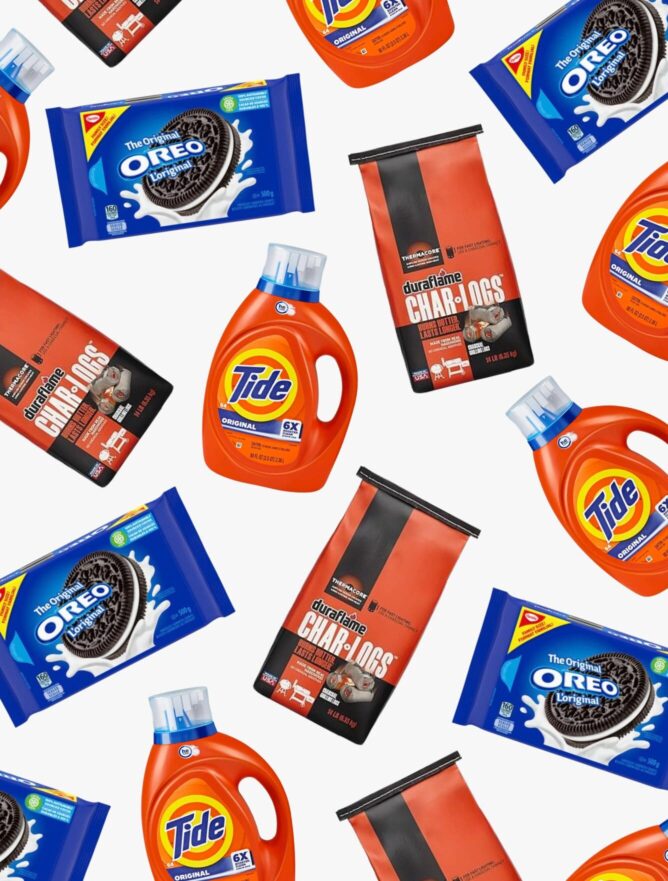
If you manage a brand with real equity, you already know that growth depends on relevance, not novelty. What gets harder is knowing how far that relevance actually extends and where the brand starts asking consumers to suspend belief.
Based on decades of client work, here are seven discipline checks that determine whether brand permission holds when you stretch.
Define the edge of your current equity before you define the idea.
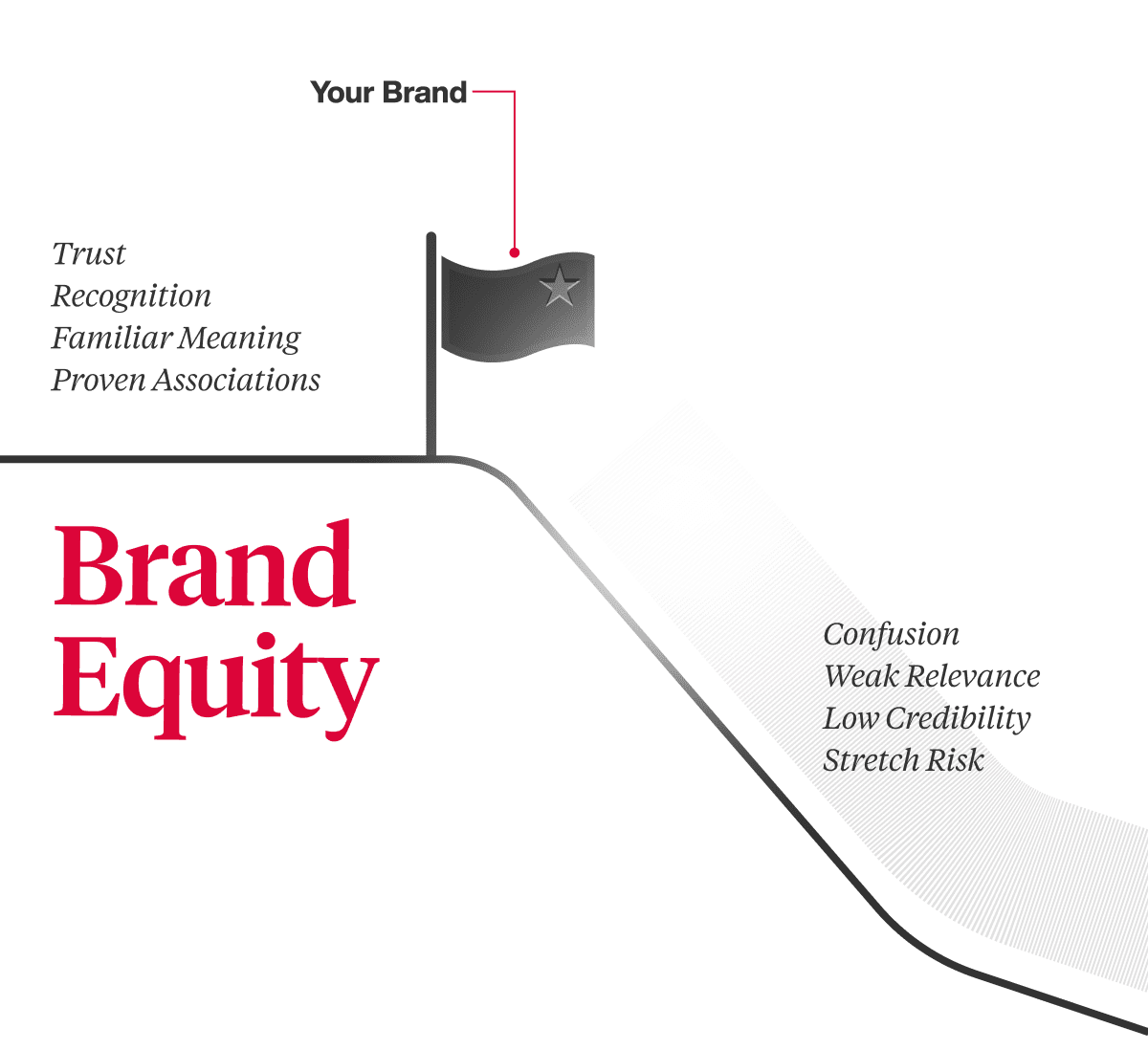
Most stretch failures start with opportunity sizing instead of brand meaning. Before evaluating concepts, teams need a clear view of what the brand is actually known for today in the market, not what it aspires to become.
 Pressure test:
Revisit current brand and category data against competitive positioning. If the edge of your equity is unclear, a focused Competitive Product Audit can clarify where permission realistically begins and ends.
Treat permission as a distance-based, not binary, variable.
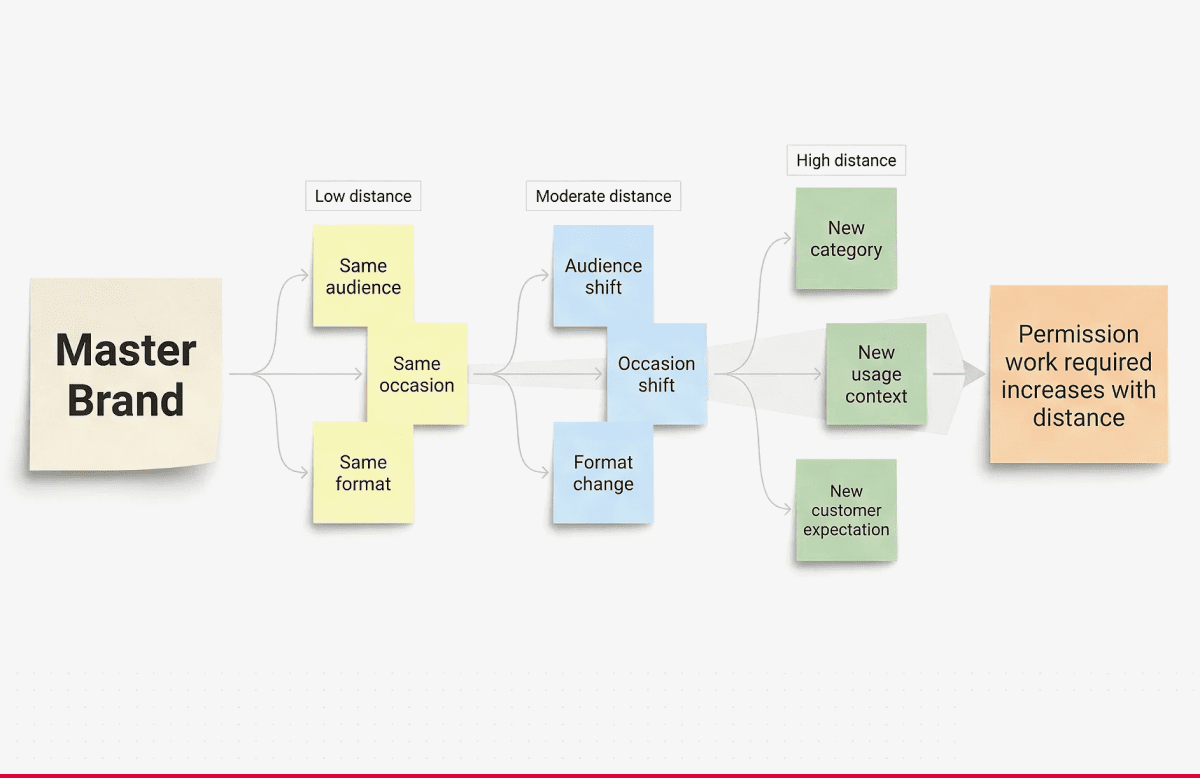
Brand permission weakens as the distance from the master brand increases. Audience shifts, occasion shifts, and format shifts compound that distance. The mistake is assuming that permission either exists or does not, rather than understanding how much work it needs to do.
Validation step:
Evaluate early-stage ideas using a Brand Stretch assessment to understand how credibility holds as distance increases, before committing to concept development.
Anchor credibility in performance cues first.
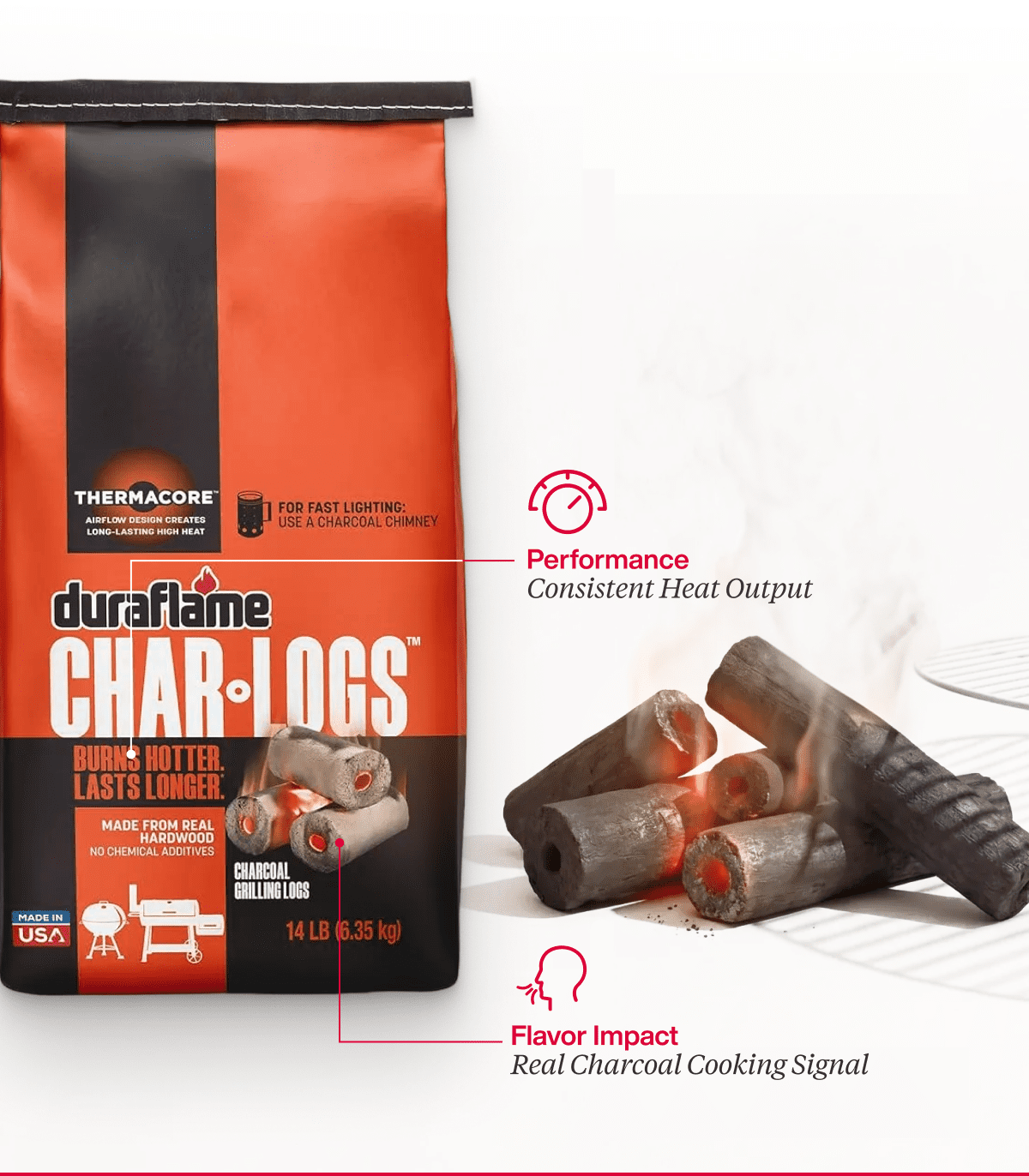
Shoppers judge an extension on category cues first, not the logo. Taste, quality, ingredients, and other performance signals set expectations, and brand equity only helps once those expectations feel believable. When those cues are unclear or implausible, equity cannot compensate and often amplifies skepticism. Credibility is built by meeting category expectations first, then letting the brand reinforce confidence.
Reality check:
Use a Product Idea Screener or early concept testing to confirm that performance expectations are clear and credible before relying on the brand name to carry the idea.
Assume new formats reset expectations.
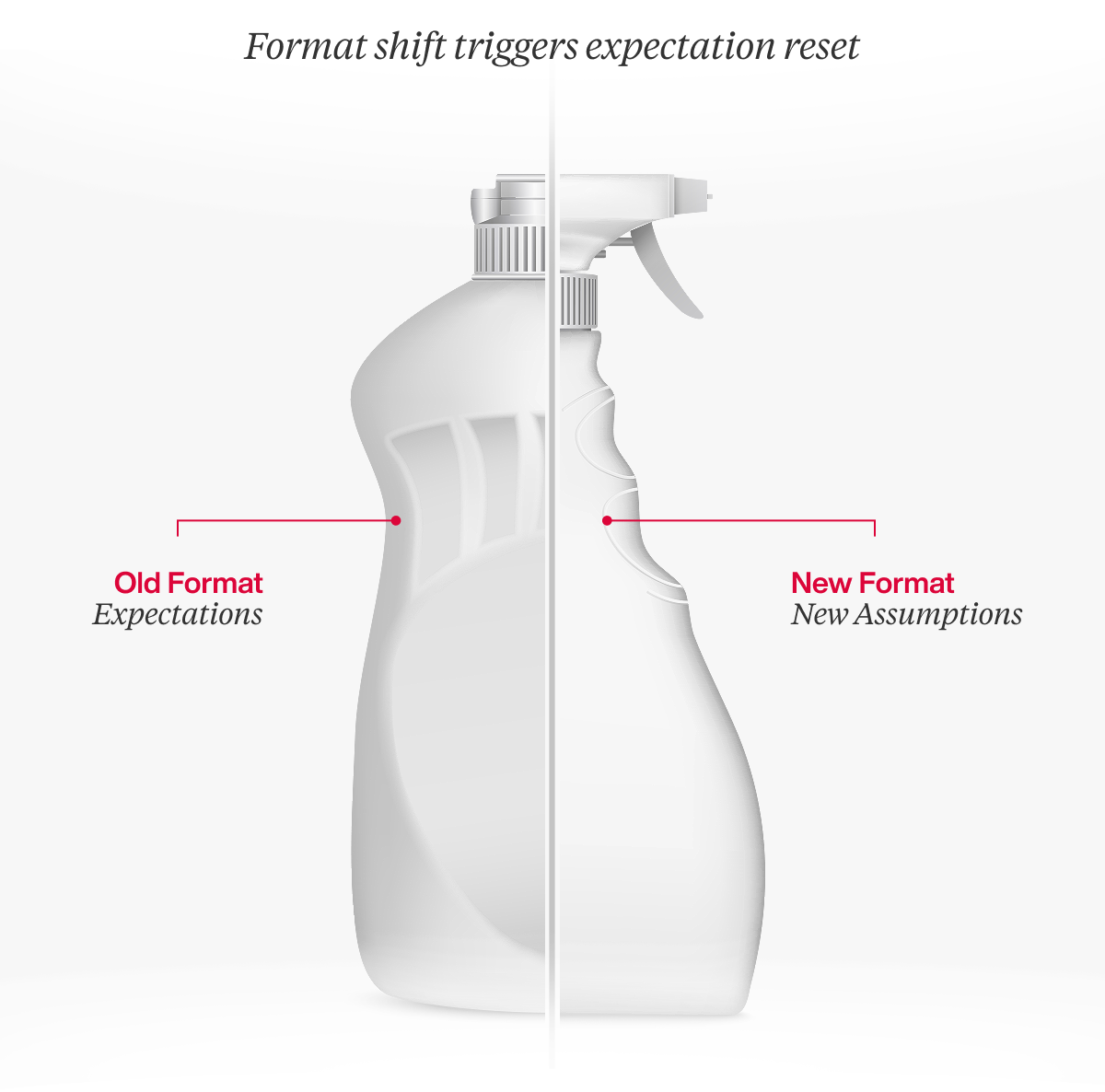
When a brand moves into a new format or usage occasion, consumers reassess which assumptions still apply. Familiar brands no longer get full credit for past performance and are judged more heavily on what the product is now supposed to do. Unless the shift is explicitly framed and explained, credibility drops because expectations become unclear.
Risk scan:
Pressure-test format-driven ideas by validating whether benefit language, usage framing, and format cues successfully reset expectations without unintentionally narrowing future stretch.
Use architecture to explain the stretch, not organize it.
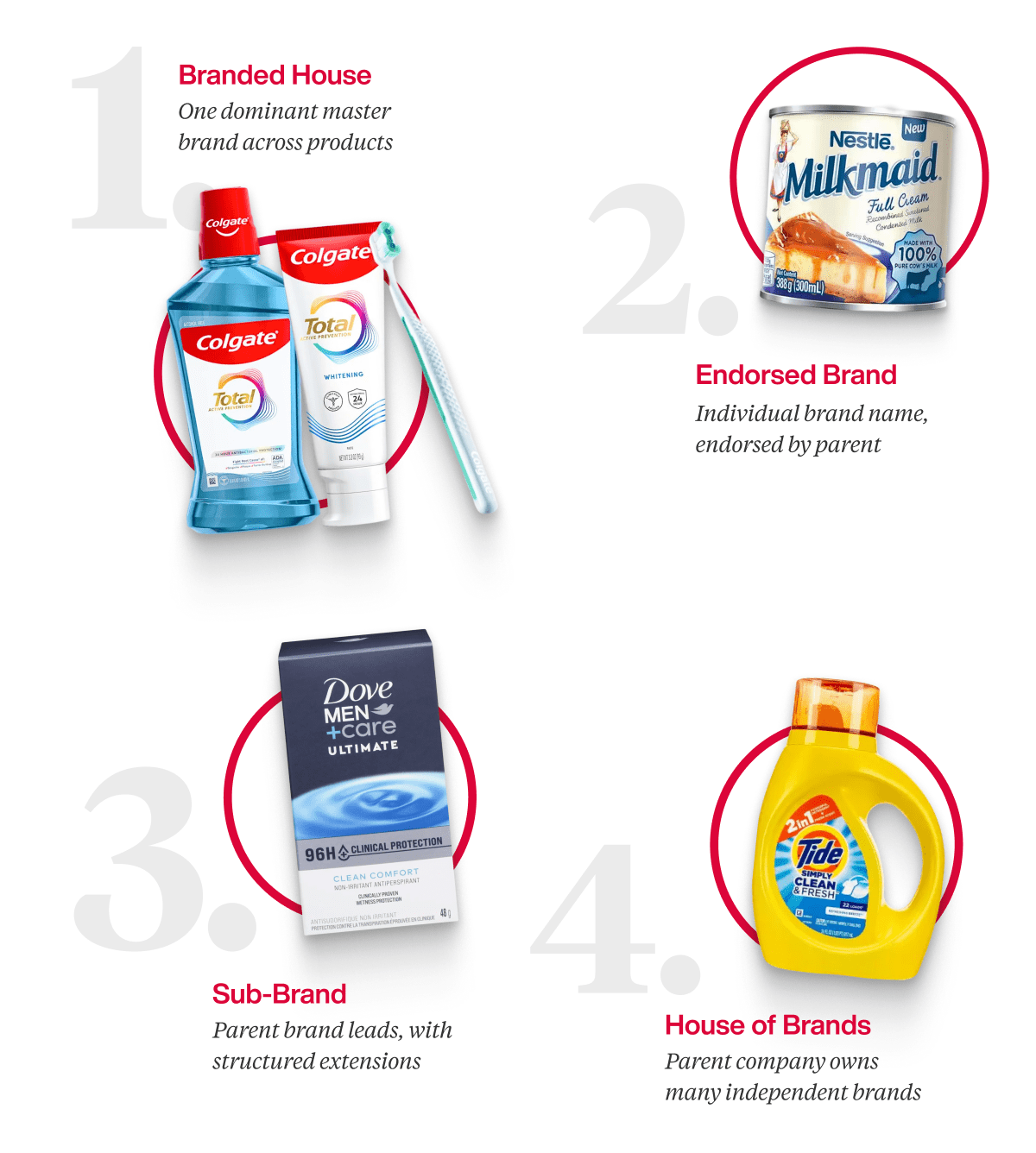
Architecture decisions are not internal exercises. They exist to answer one question for consumers. Why does this brand belong here? Endorsed structures tend to reduce credibility risk because they preserve trust while clarifying intent.
Structural test:
Stress-test proposed architecture options during concept development by mapping how clearly each structure explains the stretch to consumers, not just how it organizes the portfolio.
Do not confuse visual continuity with reassurance.
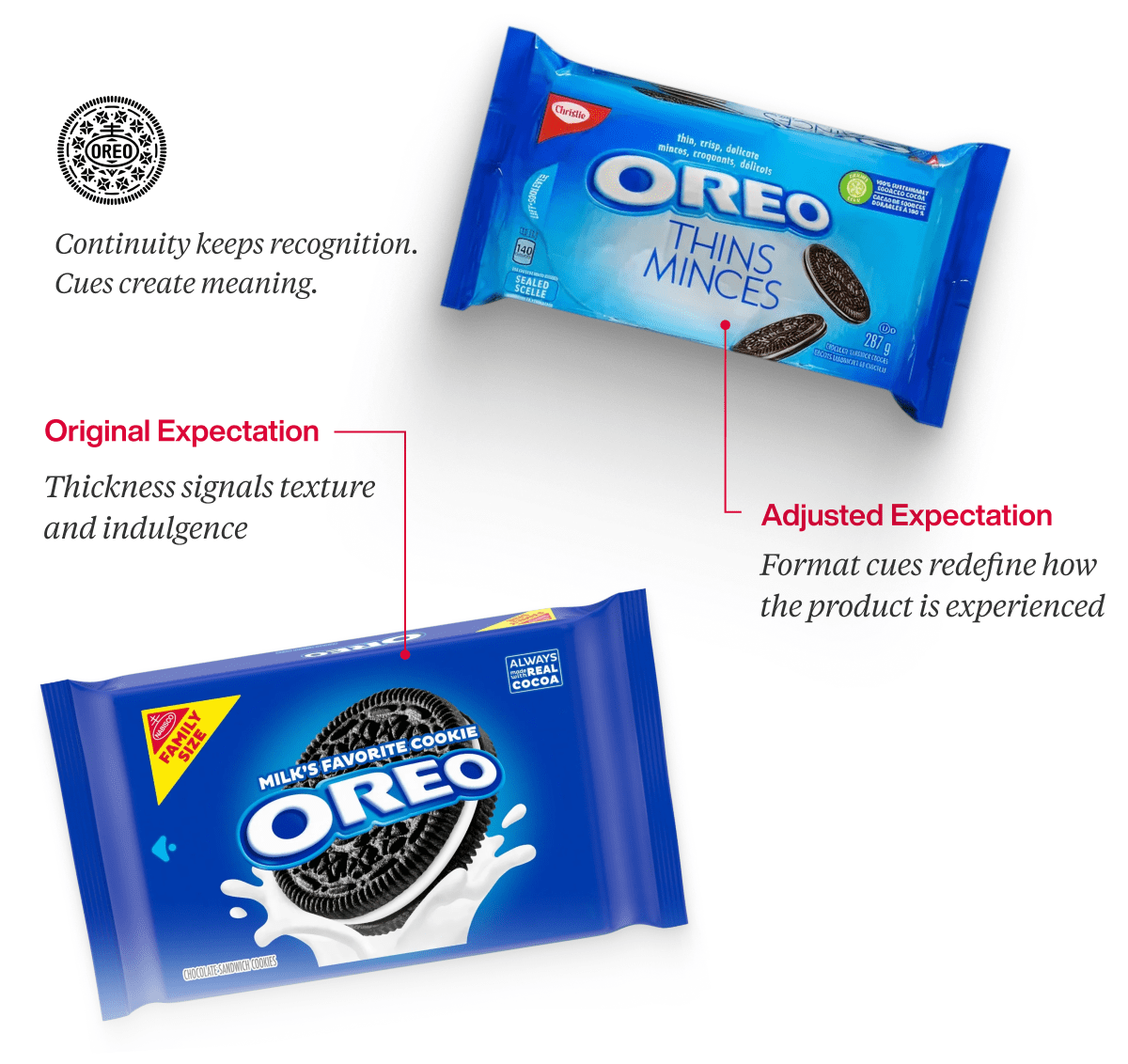
Consistency matters, but continuity alone does not communicate who a product is for or why it exists. When audiences or occasions change, sameness can obscure meaning instead of reinforcing it.
Clarity check:
Evaluate early package design and concept testing to ensure visual and verbal cues clearly signal the role of the new product and its relationship to the master brand.
Remember that strong testing does not eliminate strategtic risk gets.
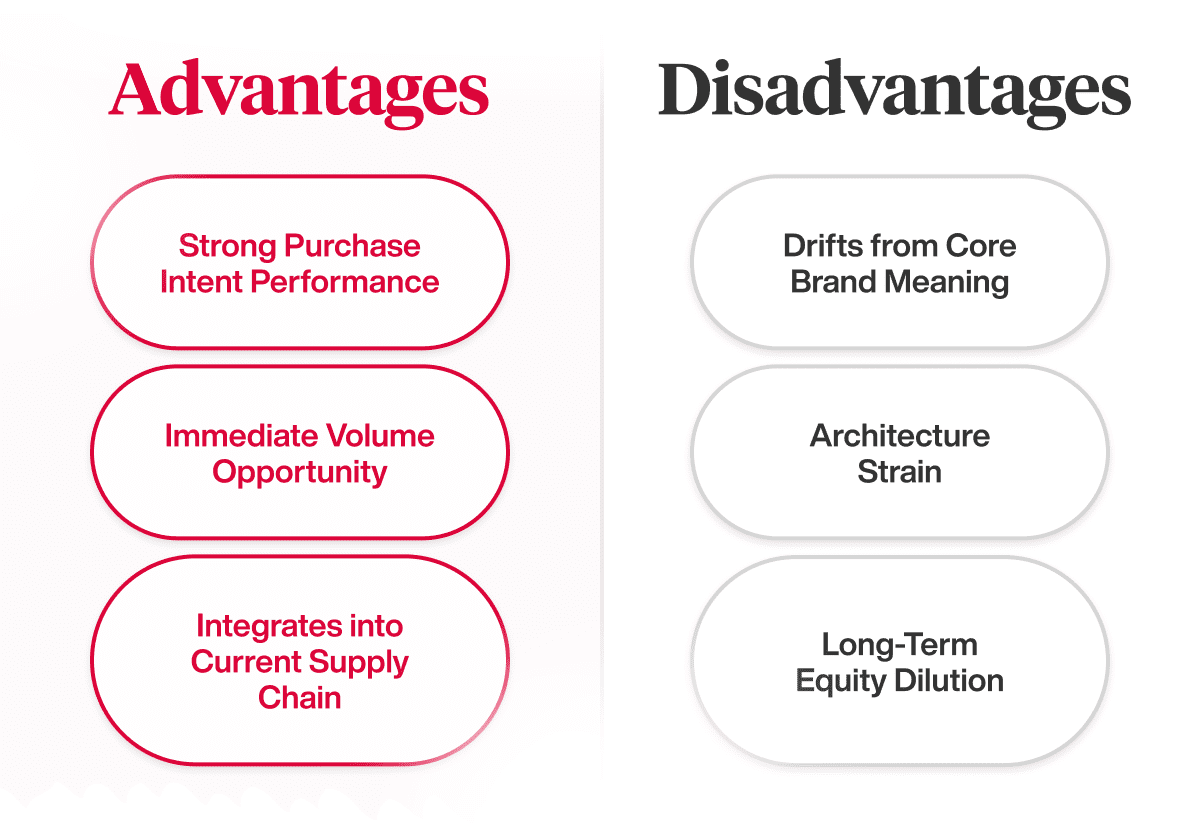
Testing can tell you whether consumers will accept a stretch today. It cannot determine whether that stretch protects the long-term meaning of the brand. Some extensions perform well in isolation while quietly diluting the core.
Leadership call:
Pair testing results with an Innovation Platform discussion to assess whether the opportunity strengthens the brand’s future growth path or simply adds short-term volume.
Brand permission is not a moment.
It is a system of aligned decisions across meaning, structure, signaling, and restraint.
The brands that stretch successfully are not the ones that push hardest. They are the ones who know exactly how far consumers are willing to follow, and why.
Because permission is never assumed.
It is earned.
Let’s wrap this up.
Confusion is expensive. But it’s also avoidable.
At SmashBrand, we don’t rely on guesswork. We validate structure, messaging, claims, and design with real consumers in real shopping contexts. If your packaging might be part of the problem, we can show you exactly how and how to fix it.

A seasoned veteran in the CPG (Consumer Packaged Goods) industry, Jason Vaught brings a wealth of knowledge and hands-on experience as the director of content and marketing for SmashBrand. His comprehensive role at the forefront of brand communication ensures that CPG brands remain well-informed about the suite of services SmashBrand offers. Furthermore, his insights derived from the company's strategy, design, and testing services are invaluable to brand owners and managers seeking expert guidance.
From his early endeavors in launching a successful sports nutrition brand that gained prominence in significant bodybuilding and fitness retail spaces to his entrepreneurial ventures in kick-starting multiple brick-and-mortar and e-commerce startups across diverse industries, Jason's career is studded with substantial milestones. Notably, he has innovated numerous products later embraced by leading industry brands, showcasing his knack for anticipating market demands and setting trends.
Jason's journey in the CPG industry commenced at age 21. Over the years, he has worn multiple hats, ranging from a manufacturer and retailer to a distributor and brand owner. This multifaceted experience equips him with the rare ability to offer practical advice grounded in real-world expertise. His mission is to guide and support other CPG brand owners, directors, and managers on their path to success.
Subscribe to
Nice Package.
SmashBrand’s Nice Package: Stay current with our latest insights
Free Resource.
CPG product repositioning guide.
Explore the five undeniable signs your CPG product needs repositioning along with strategies for leveraging consumer insights for a guaranteed market lift.
Download Whitepaper About CPG product repositioning guide.