
 Overview
Let’s be honest, turning tap water into a global luxury product was one of marketing’s most outstanding achievements. What was once free now commands premium prices, driven almost entirely by clever water bottle design and powerful storytelling.
The bottled water industry has experienced a surge in competition. Every brand, from boutique boxed water startups to legacy bottled water companies, is fighting to convince consumers their packaged drinking water is purer, cleaner, or somehow better. And it works. Why? Because design shapes perception.
In today’s market, beverage packaging design determines how “just water” becomes a lifestyle statement. Whether you’re working with PET plastic, aluminum cans, or glass bottles, the right packaging material and form create differentiation. Even within plastic packaging, a premium PET bottle or sustainable packaged water solution can shift how consumers value what’s inside.
In short, it’s not what’s in the bottle; it’s how it’s designed. With the right strategy, even something as simple as water can become an object of desire.
1. Match the Bottle to the Name
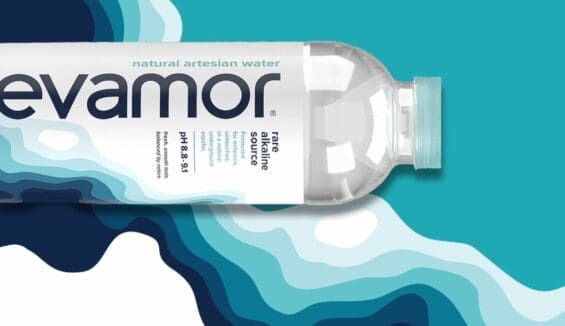
The right design turns a commodity into a premium experience. Brands like Voss (clear cylindrical glass) and Liquid Death (aluminum can) demonstrate how packaging can redefine hydration and position drinking water as a lifestyle.
When your packaging reflects your story, every visual cue strengthens your message. Whether it’s an eco-conscious reusable bottle, a sleek container, or a fresh take on boxed water, the material matters. Select designs that reflect your values, from sustainable packaging to distinctive formats that capture attention.
If you’re packaging your own packaged beverage, remember that consumers evaluate more than taste. They evaluate trust, purpose, and difference. Make your beverage packaging material work harder by using the right finish, the right channel, and the right story to turn simple packaged drinking water into something people want to display.
Stringing the right brand name, design, and message together is an effective commercial strategy built for differentiation and impact.
2. Make It Pretty
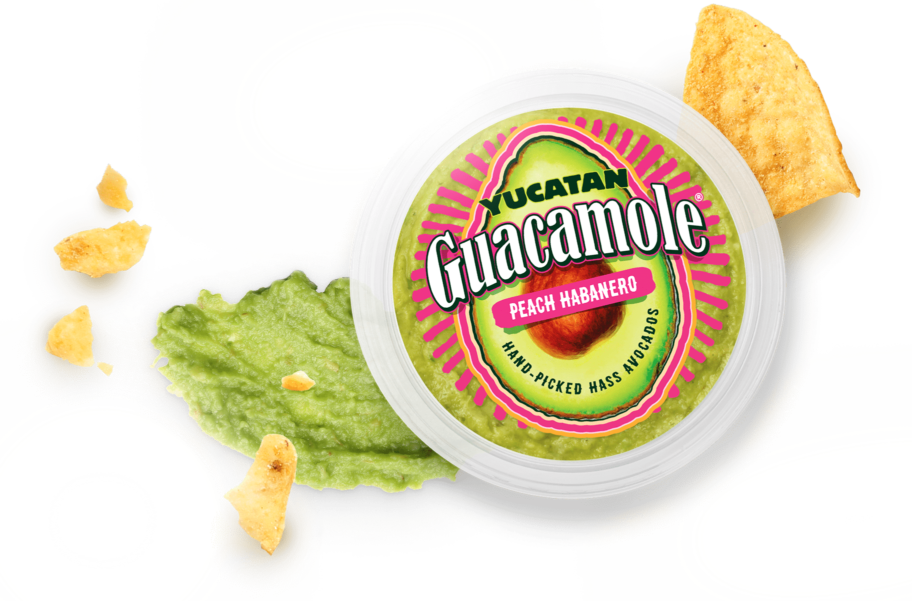
Today’s most successful sparkling water and soft drinks brands understand that design drives desire. Think of Perrier’s botanical limited editions or Sanzo’s fruit-forward illustrations; each turns hydration into an experience.
Your packaging should meet both aesthetic and functional packaging needs. Whether you’re working with aluminum, glass, or other recyclable material, design choices communicate more than taste; they reflect values like sustainability and lifestyle alignment.
In a world of rising consumption, brands can’t afford to ignore the role of beauty in differentiation. From elegant curves in spirits packaging design to color psychology in vitamin packaging design, visual storytelling matters.
3. Go for the Unexpected
In the crowded bottled water market, predictability is the enemy. Most brands lean on the same visual tropes, crystal blues, glacier imagery, and “pure” cues. They’re safe, but they blend in.
Then a brand like blk. Disrupts everything. Instead of clarity, it delivers contrast, black bottled water packaging that defies every convention. The result? Curiosity, conversation, and conversion.
Innovation doesn’t always come from changing the raw materials; sometimes, it’s about reframing perception. In the world of beverages, bold design choices and unexpected storytelling can transform a familiar product into something extraordinary.
When everyone else plays it safe, be the brand that surprises.
4. Release Limited Editions
Limited edition releases tap into scarcity and status, making consumers feel like they’re part of something rare. Brands like Evian and Perrier have mastered this tactic by partnering with designers and artists to create collectible bottles that elevate everyday hydration into a luxury experience.
The water inside? Identical to the standard version. But the perception? Completely different. That’s the power of packaging; it transforms the ordinary into the aspirational. Limited editions remind us that consumers don’t just buy what’s inside the bottle; they buy how it makes them feel.
5. Go for the Gold
In a saturated market, some brands elevate through scarcity and spectacle, turning packaging design into the ultimate status symbol.
Take Bling H2O, for example. With hand-applied Swarovski crystals and champagne-style corks, it transformed water into a luxury statement. Then there’s Acqua di Cristallo Tributo a Modigliani, the pinnacle of extravagance, bottled water housed in solid gold, laced with gold dust, and priced at $60,000 a bottle.
Outlandish? Maybe. Effective? Absolutely. These brands prove that when design amplifies exclusivity, perception follows. Consumers equate craftsmanship and detail with value.
The takeaway: If your brand operates in the premium space, your packaging must convey a premium feel. Texture, weight, and finish communicate worth before a single sip. Because in luxury, people don’t just buy the product, they buy the story it tells on the shelf.
Nice Package
Don’t miss out on our monthly newsletter Nice Package!
Each month, we deliver a data-driven newsletter directly to your inbox, unpacking a critical topic in the FMCG & CPG industry.
"*" indicates required fields
Data-Driven Brand Development
Want a best-selling brand? SmashBrand is a brand development firm for FMCG and CPG companies. From brand strategy to packaging design testing, our Path To Performance™ process guarantees a retail performance lift. Book a time to discuss your project with our team.

Kevin Smith is the founder of SmashBrand, a brand development agency specializing in the CPG and FMCG sectors. Under Kevin's guidance, SmashBrand seamlessly integrates brand strategy, design, and detailed consumer testing, ensuring impactful market outcomes and enhanced sales velocities for its clients.
Key milestones in his career:
Before establishing SmashBrand, Kevin ventured into entrepreneurship with Nutri-Sport at 21. Recognizing the untapped potential in sports nutrition, he rapidly expanded to seven retail locations within a year. This success led to the formation of a distribution company serving all nutrition stores throughout Arizona.
Subsequent ventures included pioneering e-commerce stores and launching Athletic Xtreme, a globally distributed sports nutrition brand. Notably, Athletic Xtreme won BodyBuilding.com's Brand of the Year in 2006 and found its place on the shelves of major retailers, from GNC and Vitamin Shoppe to Walmart successfully exiting in 2014.
Apart from brand milestones, Kevin's journey includes commendable service as a Marine Corps veteran, where he was honored as a DOD Marine of the Year in 2001.
While leading SmashBrand and investing in budding brands, Kevin is committed to mentoring aspiring CPG entrepreneurs. His profound industry knowledge, from grasping retail trends to understanding shelf dynamics, serves as invaluable guidance for brands striving to carve out their niche.
Central to Kevin's approach is a consistent philosophy: Marry actionable, data-centric findings with proven strategies to ensure brands stand out and succeed in retail.
Subscribe to
Nice Package.
SmashBrand’s Nice Package: Stay current with our latest insights
Free Resource.
CPG product repositioning guide.
Explore the five undeniable signs your CPG product needs repositioning along with strategies for leveraging consumer insights for a guaranteed market lift.
Download Whitepaper About CPG product repositioning guide.