
 Overview
As your business grows, the market shifts, and sooner or later, you may realize your current brand no longer reflects who you are or what your customers need. When that disconnect appears, the real question becomes: why rebrand, and what’s the cost of standing still?
Understanding the nuances of rebranding a company is essential for any leader navigating competitive pressure, evolving consumer expectations, or a brand that feels outdated. In this guide, we break down twenty-one clear reasons to rebrand, from visual identities stuck in another era to audience shifts that demand a stronger, more relevant story.
Whether you’re exploring a complete brand transformation, a focused rebranding effort, or a strategic refresh, you’ll gain clarity on why rebranding is essential and how it can strengthen your corporate identity, elevate your digital marketing and content marketing, and ultimately reposition you for long-term success.
If you’re asking yourself, “Why rebrand a company and why now?”, this article will give you the direction you need to move forward with confidence. You will also see how most successful rebranding initiatives reconnect brands with the audiences they’re built to serve. We’ll cover everything from outdated logos in desperate need of a rebrand to shifting target audiences.

Outdated brand image.
An outdated brand image is one of the clearest signals that it’s time to reevaluate your identity. When your old brand no longer reflects who you are today, or what your customers expect, you lose relevance, and with it, the momentum needed to stay competitive.
A strategic update, whether it’s introducing a new logo or redefining your brand identity, can strengthen brand consistency and rebuild the connection your audience expects from your company. In some cases, an outdated look even fuels negative publicity, making a refresh not just a good reason to rebrand, but a necessary step to protect the company’s identity.
Before leaping, use consumer testing to measure how your brand stacks up against competitors. If the feedback shows weak relevance or visual disconnect, a rebrand can help reintroduce your company with stronger clarity, deeper customer loyalty, and a modern identity supported by a solid branding process.
Mergers And Acquisitions
When two companies come together, everything changes operations, culture, vision, and most importantly, how the brand shows up in the world. In these moments, company rebranding is how you establish a unified identity and articulate a clear path forward.
A merger often requires rethinking brand messaging, visual language, and every piece of marketing material to reflect a shared direction. This is where the true definition of rebranding comes into play: aligning two legacies under one meaningful, cohesive brand.
Strong rebranding objectives ensure customers understand the new vision, feel confident in the transition, and stay connected throughout the change. It’s also the most straightforward answer to why businesses rebrand during M&A: clarity drives trust, and trust drives continuity.
Knowing when to rebrand comes down to relevance and alignment. If the combined organization feels fragmented or unclear, you’re already seeing the signs of what brands need rebranding. In some sectors, iconic food brands need rebranding after mergers to eliminate confusion and restore credibility.
Whether you’re absorbing another company or being acquired, a thoughtful brand rebranding approach ensures the market sees strength, not disruption. Done well, it turns two histories into a stronger, future-ready brand, something many companies that need to rebrand only recognize in hindsight.

Changing Company Vision
As a company grows and evolves, its vision and goals may change. If the current branding, brand name, and visual identity no longer align with the new vision, it’s time to rebrand. A rebrand helps communicate the company’s new direction and values to customers and brand partners.
A company can attract new customers and stay relevant in a changing marketplace by updating its branding on the website and other touchpoints. When changing a company’s vision, it’s an appropriate time to rebrand it to ensure it reflects its new direction.
A rebrand also helps communicate the company’s new direction and values to customers and brand partners. An effective way businesses achieve this is through high-stakes presentations that align stakeholders during the transition, as explained in Why Top Brands Choose a PowerPoint Design Agency in 2025 by INK PPT.
Brand Or Line Extensions
When a company expands into new categories or introduces products under a different name, the existing brand often needs a strategic reset. This is one of the most common reasons for rebranding: your identity must stretch far enough to support growth without losing clarity.
In these situations, the question isn’t just “why would a company rebrand?” It’s about alignment. New products require a cohesive story, and without it, the portfolio feels disjointed. That’s why companies invest in rebranding when entering new segments: it unifies the line, strengthens relevance, and ensures customers understand how everything fits together.
This is also where the importance of rebranding becomes obvious. If your brand architecture can’t support expansion, or if your look and messaging feel disconnected across categories, you’re already experiencing the early signs of why rebranding is necessary.
Many brands that need rebranding face this exact challenge: growth outpaces clarity. And for companies that need a rebrand, updating the master brand ensures every new product reinforces the strategy rather than competing with it.
Targeting new audiences.
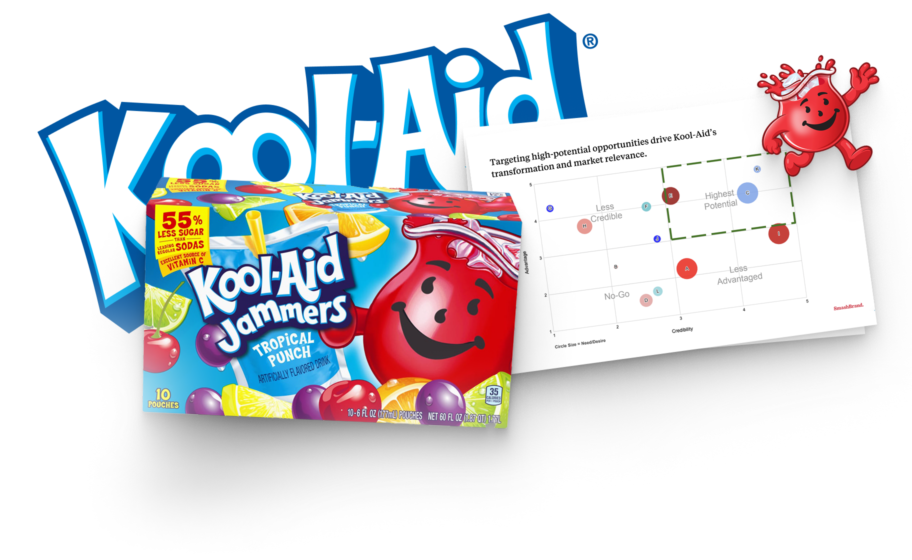
As a brand grows, it may want to target a new audience by developing a new identity. A solid rebranding strategy helps companies expand their brand by leveraging a new look and voice while maintaining brand recognition.
Facing a brand crisis.
Rebranding projects help companies overcome a brand crisis and assess if their brand promise has been compromised, leading to a negative reputation. A successful rebranding campaign helps distance brands from negative associations and allows them to communicate their new, improved values to consumers. This way, companies can regain market trust and build a strong brand presence again with a new identity.
International expansion.
When a company enters a new market, it must update its branding to reflect the contemporary cultural differences and preferences of its audience. A rebrand can help to communicate the company’s values and vision to the latest market and improve its brand recognition.
The rebranding process unifies a company’s product lines under a single brand identity. International expansion is a valid reason for rebranding a company to attract new customers and become competitive in new markets.
Evolving industry landscape.
Evolving industry landscapes are another common reason a company must appear as a new brand. It helps stay relevant to the latest industry standards and reflect evolving categories shaped by consumer trends, the competitive landscape, and retailer innovations. Brand clarity and careful monitoring of industry evolution intersect with building a sustainable business.
According to a study by Lucidpress, consistent branding across all platforms can increase revenue by up to 33%. Rebranding a company in line with the evolving industry landscape may be partial or complete.
Change in brand positioning.
As a company evolves and grows, its brand positioning may no longer reflect its values, positioning, or products. Under such conditions, successful rebranding can help the company communicate more effectively with customers and partners through brand repositioning, reflecting its new direction.
A successful rebrand helps companies to retain existing customers and attract new ones. The result may be completely different without following a comprehensive rebranding checklist.
Shift in company values.
Companies develop their brand strategy according to their values. Now, if these values change, the older approach may no longer be helpful. Under such conditions, rebranding becomes necessary.
A new marketing strategy will help companies to share their brand voice effectively without losing existing market share. It will also help educate potential consumers about the brand’s unique goals.
Competitor differentiation,
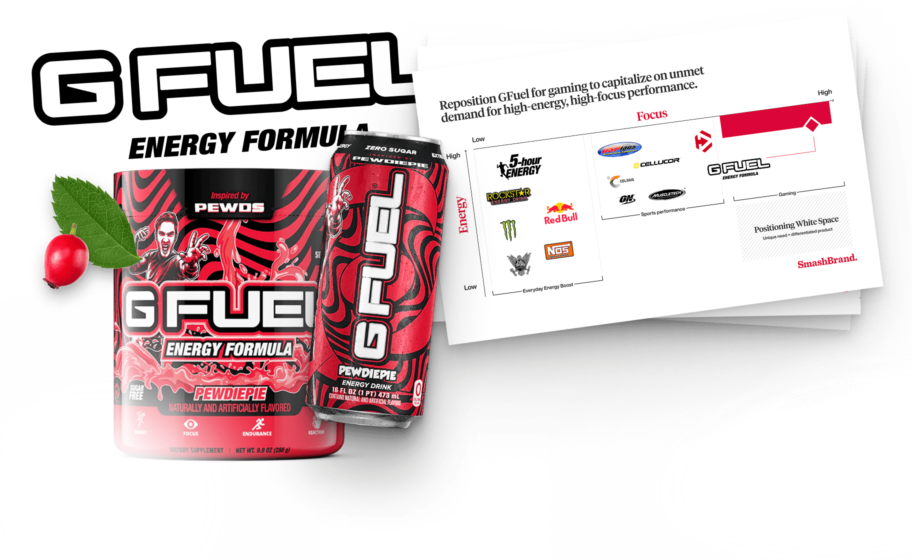
If a company’s branding and messaging are too similar to those of its competitors, it may be challenging to stand out in its target market. By refreshing the brand, a company can differentiate itself from its competitors and communicate its point of differentiation to a new customer group.
A company can attract new customers by leveraging a distinguished identity through a successful rebranding strategy. Competitor differentiation is a compelling reason for a company to refresh its brand to improve brand recognition and attract new customers in its target market.
Declining sales or market share.
Even if the shift is subtle, declining sales can be a disaster for brands; therefore, companies must monitor their monthly, quarterly, and yearly sales. A company can forecast its market share by analyzing trends in annual and monthly sales data.
A company’s sales decline mainly occurs when the brand doesn’t introduce innovation to meet the evolving market’s needs. This innovation also includes the product presentation, making it time to refresh the branding strategy and develop new brand guidelines based on consumer preferences and brand testing.
Technological advancements.
Failing to embrace technological advancements can lead to more than just a decline in market share; it can ultimately result in business failure. A company’s existing branding approach might not align seamlessly with the latest technologies, like digital catalogue makers and CRM software.
The brand must develop a new marketing strategy to benefit from the latest technologies under such conditions. This way, a company can stay relevant to changing market needs and continue generating sales.
Feedback from customer research.
Businesses can greatly benefit from research and feedback. It is one of the main reasons marketers often leverage social media platforms and focus groups to gather the necessary data.
Utilizing consumer research enables companies to collect real-time customer feedback, facilitating the development of robust rebranding strategies. By leveraging this gathered information, a company can opt for a comprehensive or partial rebrand tailored to its needs.
Stretching a brand.
Stretching a brand can be a viable strategy for small businesses looking to expand their offerings. By leveraging the existing parent brand equity, a small business can create a new product for an unrelated product category.
It can help the company capitalize on its established reputation and trust, introducing it to new customers while expanding its market reach. Small businesses must exercise caution when stretching their brand, as overextension can weaken brand identity and cause customer confusion.
Aligning with emerging trends.
Like adopting technological advancements, businesses must also align their goals with emerging trends. It helps to build excitement around the brand and attract potential customers from the latest trends. Emerging trends can be related to cultural norms, changes in societal preferences, or technological advancements.
By aligning with these trends, businesses can demonstrate adaptability and willingness to evolve with their customers’ needs. Companies must carefully evaluate the trend to ensure it aligns with their values and long-term goals.
Brand and target customer mismatch.
If a company’s branding and messaging do not align with its target audience’s preferences or needs, it may struggle to connect with its customers. By rebranding, a company can better communicate its vision to its target audience and create a more authentic and meaningful connection. Some rebranding questions may help you learn whether a company needs a complete or partial strategy.
Evolving brand innovations
Refreshing a brand can help a company communicate its commitment to innovation and progress to its customers and partners. A refreshed brand can attract new customers interested in the latest trends and innovations.
For instance, the growing popularity of artificial intelligence-based technologies has revolutionized many businesses. An excellent rebranding example of this is Photoshop. It has to undergo a partial rebranding to incorporate innovations into its services.
Adapting to changing market conditions.
As market conditions continually evolve, businesses must adjust to these shifting needs. A rebranding agency must craft an effective strategy for any market condition, conveying direction. As SmashBrand founder Kevin Smith says, distinct positioning is how you persevere during economic downturns.
The most effective approaches collect essential market data, analyze trends, and assess how consumers’ perceptions of brand messages evolve. After detailed research, it may be time for companies to start a rebranding project.
Align with sustainability initiatives.
As sustainability becomes increasingly important to consumers, companies must demonstrate their commitment to sustainable practices. Rebranding can help a company communicate its sustainability efforts to consumers, reflecting its commitment to sustainability. Companies must ensure that their rebranding efforts align with their goals and that their sustainability efforts are genuine and impactful.
Increase brand awareness.
Effective rebranding strategies can increase brand awareness and help companies better reach their target audience. If a company’s branding and messaging fail to reach its target audience effectively, it could struggle to gain traction and grow its customer base. Rebranding helps clarify the company’s vision and project a clear message to its target customers.
Rebranding Tips
Here are some tips for a successful rebranding process:
Define your goals: Defining your goals and objectives before starting the rebranding process is essential. What do you hope to achieve through rebranding? What aspects of your brand do you want to change or improve?
Conduct market research: Market research can help you understand your target audience’s preferences, needs, and values.
Develop a rebranding strategy: Based on your goals and market research, outline a timeline, budget, and specific tactics for executing the rebrand.
Communicate with stakeholders: Keep your employees, customers, and other stakeholders informed and engaged throughout the rebranding process via an interactive portfolio, a rebrand hub, or feedback loops.
Launch and evaluate: Launch your rebrand and assess its success against your defined goals and objectives.
Read More: A Complete Guide For How to Rebrand A Company
Nice Package
Don’t miss out on our monthly newsletter Nice Package!
Each month, we deliver a data-driven newsletter directly to your inbox, unpacking a critical topic in the FMCG & CPG industry.
"*" indicates required fields
Data-Driven Brand Development With Guaranteed Performance
Are you ready to take your brand to the next level? SmashBrand, a brand development agency, guarantees performance predictability. Our team of experts conducts extensive research, designs stunning visuals, and rigorously tests all products to ensure peak shelf performance. Please book a consultation with our team today, and let us help you achieve your branding goals.

A seasoned veteran in the CPG (Consumer Packaged Goods) industry, Jason Vaught brings a wealth of knowledge and hands-on experience as the director of content and marketing for SmashBrand. His comprehensive role at the forefront of brand communication ensures that CPG brands remain well-informed about the suite of services SmashBrand offers. Furthermore, his insights derived from the company's strategy, design, and testing services are invaluable to brand owners and managers seeking expert guidance.
From his early endeavors in launching a successful sports nutrition brand that gained prominence in significant bodybuilding and fitness retail spaces to his entrepreneurial ventures in kick-starting multiple brick-and-mortar and e-commerce startups across diverse industries, Jason's career is studded with substantial milestones. Notably, he has innovated numerous products later embraced by leading industry brands, showcasing his knack for anticipating market demands and setting trends.
Jason's journey in the CPG industry commenced at age 21. Over the years, he has worn multiple hats, ranging from a manufacturer and retailer to a distributor and brand owner. This multifaceted experience equips him with the rare ability to offer practical advice grounded in real-world expertise. His mission is to guide and support other CPG brand owners, directors, and managers on their path to success.
Subscribe to
Nice Package.
SmashBrand’s Nice Package: Stay current with our latest insights
Free Resource.

CPG product repositioning guide.
Explore the five undeniable signs your CPG product needs repositioning along with strategies for leveraging consumer insights for a guaranteed market lift.
Download Whitepaper About CPG product repositioning guide.