
 Overview
Imagine having a profound understanding of your target market, positioning your new product so effectively that it outperforms even the biggest CPG brands. This is the outcome of effective brand development, where you can drive a 30% lift in both brand equity and market share. It may sound impossible, but it’s a reality for brands that follow a data-driven approach, leveraging strategic exercises such as creating a product positioning chart.
A product positioning chart, also known as a positioning map or perceptual map, plays an important role in growth mapping by creating a unique and memorable space in your target audience’s minds while setting your offering apart from competitors. This guide walks you through the process of practical brand positioning.
You’ll learn to craft an impactful product positioning chart, conduct thorough market research, and identify key positioning attributes. You’ll also map your product against competitors and communicate your unique value proposition (UVP). This article provides knowledge and practical strategies for establishing a solid, unique market position. Let’s get into it!
How Does the Product Positioning Chart Work?
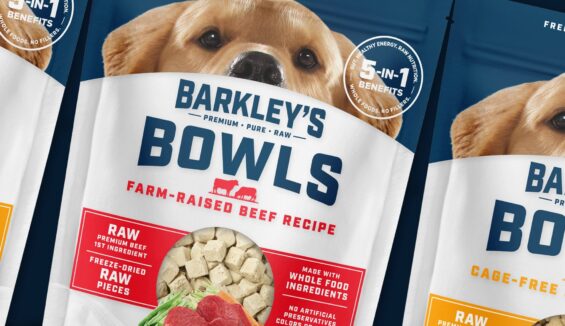
Positioning charts are powerful visualization tools that map your product or service alongside your competitors in a two-dimensional chart. Each axis represents vital attributes or features essential to your target audience. Leveraging the perceptual map for product positioning requires detailed brand positioning research. It involves:
-
- Identifying the target audience and their specific needs and preferences.
-
- Analyzing the competitive landscape to understand how competitors are positioning themselves.
-
- Determining the most relevant attributes or features that customers value and use as decision-making criteria.
After conducting this fundamental research, plot your product and competitors on the positioning chart based on their rank on the selected attributes. This visual representation lets you identify white spaces and gaps in the desired market where your product can occupy a unique and differentiated brand position.
Product management and development teams can utilize these insights to refine strategies, focusing on attributes that help them stand out and appeal to the target audience. The product manager works closely with marketing to create a compelling positioning statement and align all brand messaging and marketing efforts to reinforce the desired market position.
Critical Elements of a Product Positioning Chart
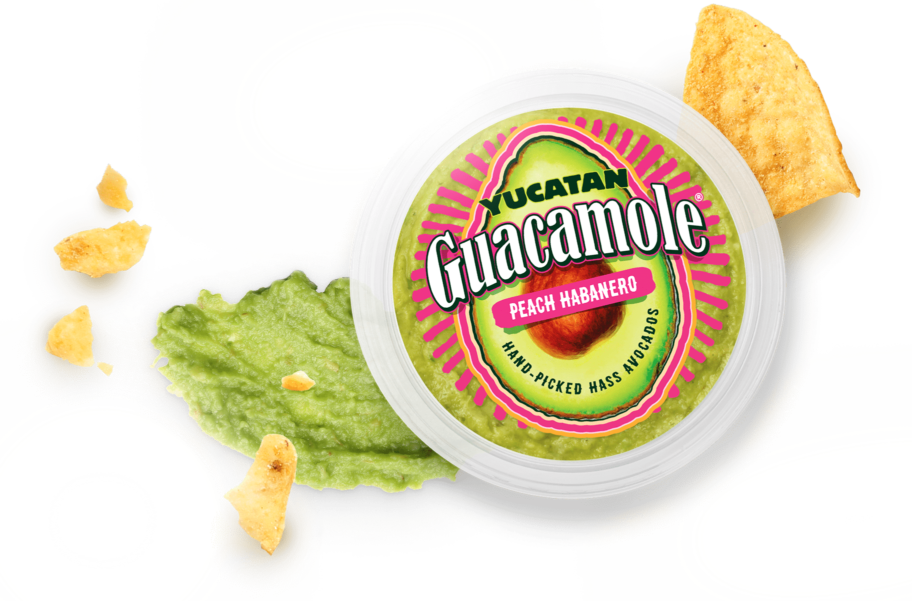
The critical components of an impactful perceptual positioning map are the axes representing attributes your target audience values. Selecting these attributes is vital because they shape the entire mapping exercise. Examples include price, quality, innovation, or specific product features. The placement of products on this map reflects customer perceptions, not necessarily objective reality.
A solid brand positioning statement articulates the desired position, capturing how you want customers to perceive your brand relative to competitors. It guides marketing activities and product development priorities. It addresses the target audience, essential benefits, support points substantiating that benefit, and the competitive frame of reference.
When constructing a product positioning map, target competitors based on customer research and market data. Make sure these are competitors in your primary sales channels. Plot your desired position, identifying any white space opportunities or the need to reposition away from overcrowded areas.
Steps to Create a Product Positioning Chart
Developing a meaningful product positioning chart is crucial for establishing a solid market presence and differentiating from competitors. By following a well-defined brand positioning framework, businesses gain a deep understanding of their target consumers’ perceptions, preferences, and the competitive landscape. Follow these steps to build a reliable and insightful positioning chart:
Conduct Market Research for Product Positioning
Thorough market research is the first step in creating a meaningful positioning chart. This critical step provides valuable insights into consumers’ preferences, perceptions, and the competitive landscape, enabling companies to develop a compelling brand positioning matrix and marketing strategy.
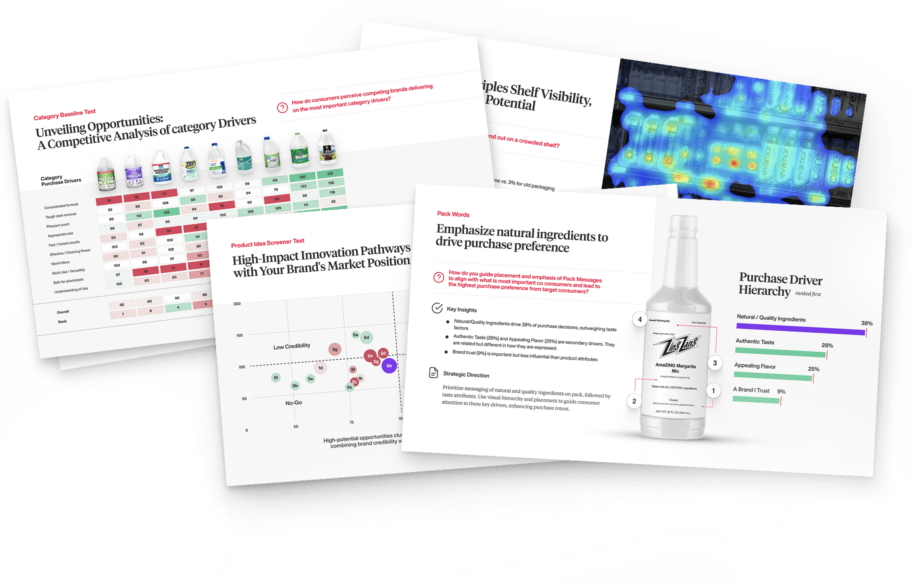
Extract and analyze data from various sources to understand the target audience, their needs, and how they perceive different brands and products. Engage directly with your target audience through surveys, focus groups, interviews, or observational studies to gain in-depth insights into their preferences, pain points, and decision-making factors. Learn more in our PREformance™ positioning test and baseline category testing.
Analyze existing data sources, such as industry reports, market trends, competitor analysis, and social media conversations, to supplement primary findings and provide a broader market perspective. Evaluate competitors’ positions based on identified attributes to understand their strengths, weaknesses, and unique selling propositions, identifying potential gaps.
Identify the Target Audience for Mapping
A strong brand positioning matrix starts with a clear view of who you’re building for. You can’t outmaneuver a direct competitor or respond to competitors’ offerings without first knowing what your audience values and how they make decisions. Go beyond basic demographics. Dig into the attitudes, behaviors, and lifestyle triggers that drive real-world purchases.
Within the product positioning framework, segment your audience by how they buy: frequency, loyalty, and occasion. Pinpoint the primary audience that will drive growth, and call out any secondary groups worth tracking. Because the right positioning doesn’t just stand out, it speaks directly to the people who matter most.
Analyze Primary and Secondary Competitors
To build a brand that wins, you need to know exactly who you’re up against. Analyzing both primary and secondary competitors is a critical step in shaping a brand positioning model that actually works. Start by looking closely at your direct competitors, the ones offering similar products, targeting the same audience, and fighting for the same shelf space. Break down their pricing, features, positioning, and the key attributes they’re leaning on to win consumer preference.
Then zoom out. Secondary competitors may not offer the same product, but they’re still in the game, pulling customer attention away from your brand. By using perceptual maps and positional charts to visualize both layers, you can clearly see where your brand lands in the competitive landscape. This isn’t just about mapping; it’s about spotting the white space. The opportunity to differentiate, to own a position that resonates with customer perception of high quality, and to drive a strategy grounded in smart project management. A successful brand positioning process is about finding a unique and compelling position.
Outline Your Goals and Axes
After knowing the exact audience and analyzing competitors, outline your goals and axes for the brand positioning template. Ask yourself: what specific objectives do you hope to achieve? This question directs you toward the appropriate axes and frames your approach to analyzing the competitive landscape. Common goals include:
-
- Evaluating pricing competitiveness: Use “Price” and “Perceived Value” as your axes to assess whether your product’s pricing aligns with its value proposition and market positioning.
-
- Identifying market gaps: Use axes around product features, target demographics, or unique selling propositions (USPs) to uncover untapped opportunities within your industry.
-
- Refining target market segmentation: Use axes focusing on psychographic and demographic factors and specific pain points or use cases your product addresses.
Once you’ve established your goals, determine the appropriate types of brand positioning that align with your objectives. This decision will shape the axes you choose to plot your brand and competitors on the positioning map.
For example, if your goal is to assess pricing competitiveness, opt for a “Product Attribute” positioning approach, comparing products based on specific features, benefits, or attributes. Alternatively, if you aim to identify market gaps, a “Use or Application” positioning strategy could be more suitable, focusing on how different products address specific customer needs or use cases.
By following these steps and adhering to a data-driven approach, you can create a product positioning chart that helps you achieve a unique and competitive market position, ensuring your product stands out and appeals to your target audience.
Building a Product Branding Strategy
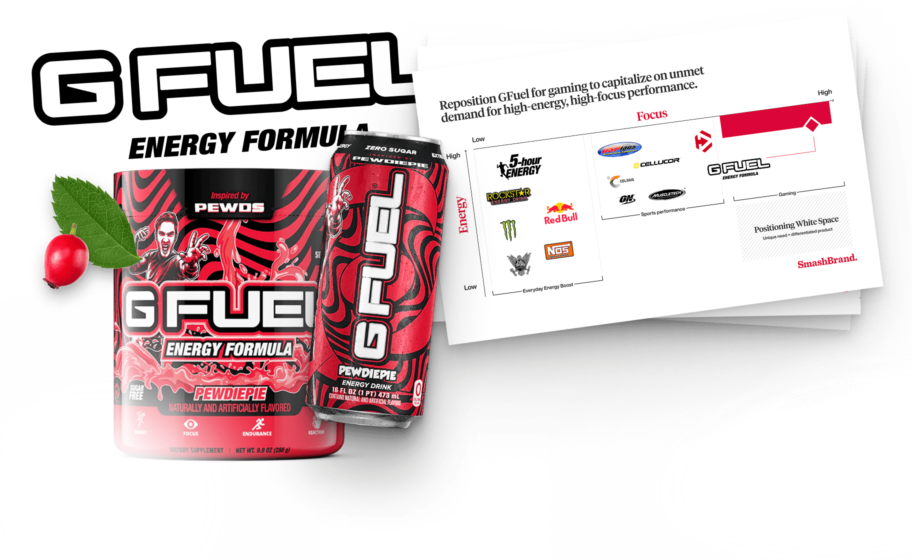
An effective brand positioning strategy starts with a sharp product positioning map. It’s a tool that reveals market opportunities, consumer preferences, and where your brand can win. The map makes your product’s competitive space clear, helping you pinpoint the attributes that matter most to potential customers. That could be pricing, functionality, tone, or target audience. The key is finding the intersection between what your brand does best and what your market actually values.
From there, we build a positioning chart that becomes the foundation of your narrative, a clear, confident statement that captures your product’s unique value. It’s backed by competitive analysis, aligned with consumer insights, and crafted to outmaneuver direct competition. Whether it’s a brand positioning chart, market positioning chart, or price positioning chart, each one distills valuable insight into actionable direction. The result: effective brand positioning that drives clarity across marketing management and product development. It’s a strategy that performs, not just looks smart in a deck.
Role of Product Teams in Positioning
An impactful product positioning strategy requires close collaboration between product teams and marketing. The product manager plays a crucial role in this process, as they possess deep insights into customer needs and the product’s value proposition.
The product team identifies and prioritizes features and enhancements that address specific customer needs and pain points. This deep understanding of the product’s capabilities and target audience is crucial when developing a positioning strategy that connects with customers.
Collaboration Between Product Teams and Marketing
Great positioning doesn’t happen in a vacuum. It happens when product and marketing work as one team, fast, focused, and grounded in how consumers actually choose. Marketing provides market intelligence: competitive context, consumer perception, and the strategic lens behind every positioning chart. Product teams bring the on-the-ground truth: what the product does, why it matters, and what customers respond to.
That collaboration shows up through joint working sessions, shared insights, and constant refinement. Together, teams build a clear positioning diagram, pressure-test it with real data, and map it against the category using a positioning map, market position graph, and market positioning map. The goal is simple: alignment that holds up in the market, not just on slides. Positioning charts only work when everyone owns them.
Ensuring Consistency and Alignment
Once your positioning is locked in, everything else needs to follow suit. That means your product roadmap, your marketing messages, and your go-to-market strategies all need to reinforce the value proposition and distinctiveness you’ve committed to.
Product teams prioritize the features and functionality that bring the positioning to life. Product marketing ensures every message, material, and campaign speaks to what makes your brand matter to consumers, differentiates you from direct competitors, and aligns with how buyers actually make decisions.
Cross-functional alignment is operational. Regular reviews across teams keep everyone on course, flag misalignment early, and close the gaps before they impact performance. Clear feedback loops and communication channels are what transform a positioning strategy from theory into shelf-winning execution.
This isn’t just about internal consistency. It’s about ensuring your perception map, competitive benchmarks, and consumer preferences are tightly managed through project and marketing execution. Because the moment you drift from your position is the moment you open the door for competitors to win.
Nice Package
Don’t miss out on our monthly newsletter Nice Package!
Each month, we deliver a data-driven newsletter directly to your inbox, unpacking a critical topic in the FMCG & CPG industry.
"*" indicates required fields
Uplift Your Product Positioning Through a Stage-Gate Approach
SmashBrand is a data-driven brand positioning agency for business management teams seeking to improve product positioning and shift consumer perception. Our process helps brands escape the “me-too” trap by using perceptual mapping and positioning maps to clarify how Brand A stands out in a competitive field.
We use tools such as our brand positioning diagram, perceptual map template, and competitive positioning chart to visualize customer perceptions. Then, we validate those insights through testing to develop a product position map and positioning graph that informs every decision. The result? Product positioning maps drive measurable market success.

A seasoned veteran in the CPG (Consumer Packaged Goods) industry, Jason Vaught brings a wealth of knowledge and hands-on experience as the director of content and marketing for SmashBrand. His comprehensive role at the forefront of brand communication ensures that CPG brands remain well-informed about the suite of services SmashBrand offers. Furthermore, his insights derived from the company's strategy, design, and testing services are invaluable to brand owners and managers seeking expert guidance.
From his early endeavors in launching a successful sports nutrition brand that gained prominence in significant bodybuilding and fitness retail spaces to his entrepreneurial ventures in kick-starting multiple brick-and-mortar and e-commerce startups across diverse industries, Jason's career is studded with substantial milestones. Notably, he has innovated numerous products later embraced by leading industry brands, showcasing his knack for anticipating market demands and setting trends.
Jason's journey in the CPG industry commenced at age 21. Over the years, he has worn multiple hats, ranging from a manufacturer and retailer to a distributor and brand owner. This multifaceted experience equips him with the rare ability to offer practical advice grounded in real-world expertise. His mission is to guide and support other CPG brand owners, directors, and managers on their path to success.
Subscribe to
Nice Package.
SmashBrand’s Nice Package: Stay current with our latest insights
Free Resource.
CPG product repositioning guide.
Explore the five undeniable signs your CPG product needs repositioning along with strategies for leveraging consumer insights for a guaranteed market lift.
Download Whitepaper About CPG product repositioning guide.