
 Overview
Product naming is a critical aspect of branding and marketing. A product name is the focal point of retail packaging design, serving as the primary means of differentiation. With such importance, your product name must be unique and emotionally compelling to drive sales.
But how do you choose the right name for your product? What makes a name memorable and effective? And how can you ensure that your brand positioning aligns with your product name?
This article explores product naming strategies to help you choose the perfect name for your product.
From functional to experiential names, we’ll cover all the different approaches you can take to create a name that resonates with your target audience and drives sales.
So whether you’re launching a new product, creating a line extension, or rebranding an existing product, read on to discover the secrets of successful product naming.
Brand Naming Considerations
While choosing the perfect product name is an essential component of the branding strategy, it is crucial to understand the brand-naming considerations first. It helps guide product naming exercises.
The following factors are vital when developing a product naming strategy.
Brand Architecture: It represents the structure of the brand, including the relationship between corporate and product brands. Depending on the brand architecture, a company may choose family naming or an individual product name.
Target Audience: Who are you trying to reach with your product, and what kind of messaging will resonate with them? It will influence the tone and style of your product names, as well as the level of creativity you can use.
Now, let’s discuss various product naming strategies in detail:
Descriptive Names
Descriptive product names vividly showcase the product and its benefits, helping consumers understand its purpose and exceptional qualities. When used correctly, descriptive names wield substantial influence over customers’ experience, as a name can undeniably create a positive impression, significantly elevating the likelihood of customer purchases.
Suggestive Names
Suggestive names hint at the product’s promise without ever spelling it out, creating just enough intrigue to pull consumers in. You see this across CPG: brands like Rise, Halo, Clarity, or Purely signal a benefit, a feeling, or an aspiration without literally describing anything.
This style of naming is powerful because it invites the consumer to fill in the meaning themselves. But there’s a tradeoff: lean too far into the abstract, and the name risks becoming vague or confusing. The sweet spot is a suggestive name that sparks curiosity while staying anchored to your product’s intent.
Evocative Names
Evocative names are a product naming strategy that aims to connect emotionally with consumers using words that evoke strong emotions or imagery. These names are often memorable, creative, and unique, helping differentiate your product from competitors in a crowded marketplace.
Brand-Related Names
Product names related to the brand strengthen brand recognition and loyalty. A recent study reveals that 77% of consumers make purchasing decisions based on the brand name rather than the product’s name . Thus, using product names related to the parent brand not only promotes brand recognition but also boosts sales.
Unique Names
Unique names are easy to remember and completely distinguish the product from its competitors. These names are often creative, unexpected, and attention-grabbing, and they can help to differentiate your product from others in a crowded marketplace. The main advantage of a unique naming strategy is that it is easy to protect and trademark.
Acronym or Initialism Names
Acronym or initialism names use the initials of longer product descriptions or meaningful phrases to create a shorter, more memorable name. Acronym names are formed by using the first letter of each word in a phrase, while initialism names are made by using the first letter of each word but pronouncing each letter separately.
Compound Words
Compound word names combine two words to develop a unique and meaningful name for the product. Depending on the combined words and the intended message, they can be descriptive, evocative, or creative.
The following are the main types of compound words:
- Open compounds (e.g., “coffee cup”)
- Hyphenated compounds (e.g., “self-care”)
- Closed compounds (e.g, “toothpaste”)
Play on Words
Play-on-word names involve puns, alliteration, or other linguistic techniques to add creativity and memorability to the product name. Such names are often witty, clever, and unexpected, and help build a solid brand identity. The play-on-words strategy helps create a name that is fun, catchy, and easy to remember, so consumers will recall the product and purchase it.
Storytelling Names
Product names can convey a story and create a deep connection with the consumer. By using names that evoke certain emotions or sentiments, brands can strengthen their identity or establish a new one. The art of brand storytelling through product names is a powerful tool for marketers to engage and captivate their audience.
Experiential Names
These names focus on the experience that the product provides or the feeling it evokes. The goal of experimental names is to convey user experience. These names can be created using wordplay or alliteration, and they are best at differentiating the products from competitors and creating a unique brand identity.
Target Audience-Centric Names
Such product names resonate with the target audience’s interests and preferences. This naming strategy uses relatable language and terminology to meet the target market’s needs. Examples of product names that use target audience-centric naming strategies include Barbie Dolls, targeted towards young girls, and Gatorade, for athletes and sports enthusiasts.
Trendy Or Pop Culture Names
These names are often designed to be catchy and memorable, helping create buzz around a new product or brand. Companies can use trendy or pop-culture names to appeal to younger demographics or to those interested in the latest trends and fads.
Foreign Or Exotic Names
Foreign or exotic names add a distinctive flair to appeal to consumers seeking unique, global experiences. Companies use these kinds of names to build a unique brand identity. Exotic names can evoke a sense of adventure and excitement, appealing to consumers interested in exploring new cultures and experiences.
Benefit-Focused Names
Regarding appealing to a specific audience, benefit-focused names are the best choice. These names highlight the product’s primary benefits. With these names, even new brands can communicate the value of their products more effectively and help consumers understand how the products can meet their needs.
Imaginary Or Fantasy Names
Imaginary or fantasy names can evoke a sense of magic and imagination, appealing to consumers interested in exploring new worlds and experiences. Examples of product names that use imaginary or fantasy naming strategies include Oreo Thins and Starbucks Frappuccino.
Geographical Or Regional Names
Geographical and regional product names are suitable for customers seeking locally made products. For instance, California Pizza Kitchen uses the name of a specific state to create a sense of place. Similarly, New York & Company uses the name of a particular city to develop an understanding of identity. The goal of a geographic and regional product naming strategy is to make the product sound locally made and convey the region’s traditional message.
Time-Related Names
Using Time-Related product names is another perfect way to grab customers’ attention in a crowded market. Depending on the intended message, these names can convey a sense of urgency, importance, or timelessness. Time-related names can be formed in several ways, including words that describe periods, the passage of time, or the concept of time itself.
Ethical Or Sustainable Names
Ethical or sustainable product names help communicate a brand’s commitment to ethics, sustainability, and social responsibility. Such names help build a strong, unique brand presence in the market. Furthermore, ethical and sustainable names can attract consumers interested in products that align with their values and beliefs.
Limited Edition Names
Limited-edition names create a sense of urgency and scarcity around the product, appealing to consumers interested in unique or rare items. The Starbucks seasonal drinks and Nike’s limited-edition sneakers are perfect examples of limited-edition names. These products are either available for a limited time each year or produced in limited quantities.
User-Generated Names
User-generated names help to increase engagement and connection with consumers and create a sense of ownership and participation around the brand. By involving consumers in the naming process, companies can generate excitement around the product, increasing brand awareness and driving sales.
Numerical Names
Numeric names work wonders for product lines, as they evoke a sense of order, hierarchy, improvement, and evolution. You can find numerous examples of such products in the market. Take Apple’s iPhone, a renowned product that has been around for years, with consumers witnessing the 13th and 14th generations.
Iconic Names
Iconic names help build substantial brand equity over time. These names create a lasting impression in consumers’ minds and make it easier for them to recognize the product. For instance, KFC, Apple, and Domino are all iconic names that are easy to remember, have become synonymous with their respective brands, and are instantly recognizable to consumers.
Founder Or Creator Names
Founder or creator names give products a personal touch. At the same time, it conveys the message of trust, value, and hard work. Additionally, it helps build a solid connection to the product’s origin. Moreover, these names give the product a unique identity and make it stand out.
Ingredient-Centric Names
Ingredient-centric naming strategies work best for products targeting a specific consumer group. These names convey the product’s unique properties that align with consumer demands. Such product naming conventions help attract more potential customers interested in natural, organic, or ingredient-free products.
Sensory-Related Names
Using names that evoke sensory experiences like taste, smell, touch, sight, or sound associated with the product. These names can help create a strong connection between the product and the sensory experience it provides. Sensory-related names can be highly effective for new products as they are a powerful way to communicate the sensory experience that the product offers.
Rhyming Names
Creating a name with rhyming words or similar sound patterns makes it catchy and easy to remember. Rhyming names are also highly effective for building an everlasting brand presence. For instance, the KitKat chocolate uses a rhyme that is easy to remember and recognize. However, these names may only sometimes convey the product’s qualities and features.
Onomatopoeic Names
These names contain words that sound like the product’s action or sound. Onomatopoeic names appeal to consumers seeking products that offer a specific sensory experience. For instance, Pop Rocks uses a name that sounds like candy when it pops in the mouth, and Ziploc, which sounds like a bag when it is sealed.
Nostalgic Names
A nostalgic naming strategy is highly effective for products that target consumers interested in products that remind them of childhood or a specific period. It involves naming the product to evoke nostalgia or a connection to the past. For example, the Maggi instant noodle brand has been around since 1884.
Hybrid Names
Hybrid names are the combination of two or more words to create a unique and memorable name. Such names are highly effective at attracting customers interested in innovation. For example, Microsoft’s Surface Pro combines “surface” and “professional” to create a name that communicates the product’s professional-grade features.
Seasonal Names
Seasonal names are suitable for products manufactured for a limited time or a specific season. These names help to build a sense of urgency and excitement around the product. For example, the famous pumpkin spice latte is a seasonal drink from Starbucks. This drink is only available in the fall season.
Collaborative Names
Collaborative names thrive when you want a product line to feel bigger than the product itself. When a name is tied to a celebrity, athlete, or powerhouse brand, it instantly borrows their equity, creating built-in exclusivity and excitement before anyone even tries the product.
To do this well, you need clarity on how to name products that respect your brand while elevating the partnership. Follow product naming conventions and best practices so the collaboration fits your architecture instead of feeling like a bolt-on. Whether you’re exploring how to name a new product or defining a product name in marketing, the goal is the same: build a system that supports future growth.
Strong product line names extend your brand into new territory with intention and structure.
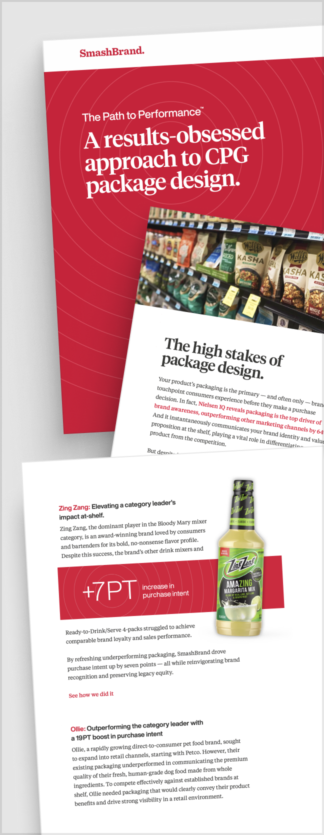
Path to Performance™
Taking a results-obsessed approach to CPG package design.
Discover how SmashBrand’s proprietary process, rooted in scientific principles, informed by data, and validated by your target audience, eliminates the guesswork from package design and delivers guaranteed results.
"*" indicates required fields
Product Line Extension
Product line extension names work when you want to carry the equity of an established favorite into a new product. They leverage the existing product’s reputation while signaling fresh benefits, making it far easier for loyal customers to try a new variation without hesitation.
A clear brand strategy guides how far you can stretch that equity. This is where frameworks like Lexicon branding support more innovative product development, ensuring each extension feels connected but not constrained. When you understand how to name a product, you can strike a balance between familiarity and novelty.
Use disciplined naming techniques to keep the system coherent as you continue naming a product or scaling into multiple SKUs. The strongest brands rely on clean, predictable systems, something you’ll see in sharp naming products, playbooks, and innovative product naming convention examples.
Sensational names.
Sensational names are built to jolt attention. They lean into boldness, turning potential names into emotional triggers that spark instant curiosity. These names thrive when you want potential product names that feel energetic, daring, and impossible to ignore, especially in categories where sameness kills momentum.
Choosing a sensational company name often means embracing invented names or unconventional structures that break predictable brand naming conventions. This approach works when your brand needs to shout rather than whisper.
To do it well, anchor the creativity in a disciplined strategy. The strongest executions come from clear brand naming strategies, an understanding of how to name your brand, and a roadmap for naming product lines that keeps the system scalable. Study successful naming strategy examples and apply the same rigor: push boundaries, stay aligned to the brand, and name for the reaction you want to own.
Versatile names.
Versatile names give a brand room to grow. They create a flexible brand personality, support a scalable naming convention, and leave space for future product lines without forcing a reposition later. Unlike a narrowly descriptive name, a versatile or suggestive name adapts as your business evolves.
Through disciplined naming research, you can determine whether a new name can carry multiple product categories while still feeling intentional. A strong product naming strategy, guided by clear product naming best practices and guidelines, ensures the name aligns with your broader strategy and remains credible wherever the brand expands. These are the strategy names that future-proof your portfolio.
Data-driven product naming for CPG brands.
SmashBrand is a data-driven product naming agency for CPG brands, purpose-built to create names that win at shelf and in-market. Our process goes beyond clever ideas—we engineer names that strengthen every brand element, support your brand naming strategy, and ultimately build deeper brand loyalty with your target audience.
We do it by validating every direction through consumer data, not internal preference. From exploring abstract names to pressure-testing shortlisted names in quantitative studies, we measure recall, fit, differentiation, and purchase intent before any final decision is made. The result: product names that resonate on day one and perform long-term.

A seasoned veteran in the CPG (Consumer Packaged Goods) industry, Jason Vaught brings a wealth of knowledge and hands-on experience as the director of content and marketing for SmashBrand. His comprehensive role at the forefront of brand communication ensures that CPG brands remain well-informed about the suite of services SmashBrand offers. Furthermore, his insights derived from the company's strategy, design, and testing services are invaluable to brand owners and managers seeking expert guidance.
From his early endeavors in launching a successful sports nutrition brand that gained prominence in significant bodybuilding and fitness retail spaces to his entrepreneurial ventures in kick-starting multiple brick-and-mortar and e-commerce startups across diverse industries, Jason's career is studded with substantial milestones. Notably, he has innovated numerous products later embraced by leading industry brands, showcasing his knack for anticipating market demands and setting trends.
Jason's journey in the CPG industry commenced at age 21. Over the years, he has worn multiple hats, ranging from a manufacturer and retailer to a distributor and brand owner. This multifaceted experience equips him with the rare ability to offer practical advice grounded in real-world expertise. His mission is to guide and support other CPG brand owners, directors, and managers on their path to success.
Subscribe to
Nice Package.
SmashBrand’s Nice Package: Stay current with our latest insights
Free Resource.

CPG product repositioning guide.
Explore the five undeniable signs your CPG product needs repositioning along with strategies for leveraging consumer insights for a guaranteed market lift.
Download Whitepaper About CPG product repositioning guide.