

… They’re also great for frenzied do-it-yourselfers, baby kittens, and re-gifting birthday presents.
Of course, we are just kidding. Cardboard is a highly useful and important material, and we want to explain the manufacturing and fabricating process in explicit detail, except, of course, if we did that, we would instantly die of boredom. Regardless, cardboard is a critical package material, and the following article will essentially be an extended love letter to cardboard and cardboard packaging design.
Cardboard is used in some fashion in countless products, whether boxed in cardboard or if cardboard elements are used within the package to promote stability. We really can’t say enough good things about cardboard. We worship you, cardboard, and if we suddenly found ourselves in a cardboard-less universe, we’d fully recognize that we’d been thrust into a meaningless existence with no purpose to life. We’re only slightly kidding.
What is cardboard?
If Wikipedia is believed, cardboard is any dense and durable paper. Different industries use different terminology – binder’s board, paperboard, boxboard – and it can be fabricated in many ways, using different degrees of thickness and durability. It is recyclable, and one ton costs only approximately $135. Cardboard packaging design really took flight with the production of Kellogg’s Cornflakes in cardboard boxes.
Cardboard is essentially an overarching term for any thick paper that can be used for industrial purposes. Business cards, playing cards, gift boxes, clamshell package labels are all considered cardboard.
Why cardboard?
In this new world of digital media, personalized ringtones and the threat of magical 3D printers entering common use, it’s interesting that corrugated cardboard is still the most widely used packaging and shipping material. Nevertheless, even considering our many cultural and technological innovations of late, no other material really surpasses cardboard packaging design in terms of sustainability, cost and effectiveness.
One of the most wonderful things about cardboard is its weight. A product requiring a lot of protection (electronics equipment, home accents, etc.) can be easily shipped using a network of internal cardboard braces that add nearly no additional weight. From an environmental perspective, this is absolutely golden since cardboard is recyclable. From a business standpoint, your shipping costs barely flinch.
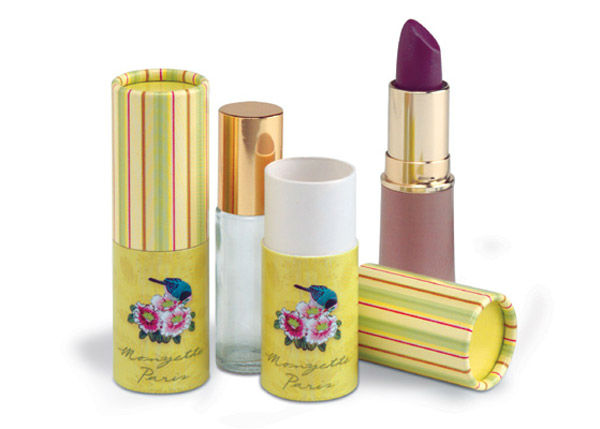
Cardboard isn’t just the matte, brown paper material used for shipping boxes; it can be refined and used in clever and elegant applications. Perfume boxes, boxes for premium liquors and CD sleeves can all be cardboard.
What uses cardboard?
There is an element of cardboard in a huge number of packaging applications. Even products that don’t immediately seem as though their packaging could or should be made of something so proletariat as cardboard use cardboard components in some fashion. As we have said, electronics use cardboard packaging, as do food products, glassware, shoes, household cleaning materials and cosmetics. We’ve seen DVD packages with cute little cardboard braces inside to prevent damage to the disc if the box is crushed.
Drawbacks to cardboard
Like any paper product, cardboard and water aren’t especially compatible, even though they are often used to store liquid products (milk cartons). Some processes can render cardboard waterproof that use petrochemicals such as wax and plastic, but these practices really diminish the eco-friendliness and low cost of cardboard, which is one of its main selling points.
Cardboard is not ideal for long-term storage of food items susceptible to oxidizing, since it is porous. It’s also easily crushed, as any child who’s attempted to construct a functional cardboard boxcar will tell you.
So, what have we learned today? We learned that cardboard packaging design offers a perfectly legitimate and cost-effective means of enclosing many products. We learned that cardboard is one of those elements that if suddenly removed from the universe would lead to a massive economic, environmental and emotional collapse, resulting in a War of the Worlds-level breakdown of society. Let us be the first to kneel before mighty cardboard.
Data-Driven Brand Development
Want a best-selling brand? SmashBrand is a brand development agency for FMCG and CPG companies. From brand strategy to packaging design testing, our Path To Performance™ process guarantees a retail performance lift. Book a time to discuss your project with our team.
Subscribe to
Nice Package.
SmashBrand’s Nice Package: Stay current with our latest insights
Free Resource.

CPG product repositioning guide.
Explore the five undeniable signs your CPG product needs repositioning along with strategies for leveraging consumer insights for a guaranteed market lift.
Download Whitepaper About CPG product repositioning guide.