
 Overview
Brand understanding is the foundation of any successful marketing strategy. It goes beyond visuals or voice; it’s about knowing how your identity performs in the real world. From brand perception to consumer behavior, the more insight you have, the more power you hold.
To earn strong brand awareness, you need consistency, relevance, and emotional impact. That’s where smart brand management comes in. Every interaction, from packaging to content marketing, influences consumer perception and either builds or erodes brand value.
Your brand awareness strategy isn’t just about being seen, it’s about being remembered. An effective marketing effort turns potential customers into loyal ones by reinforcing what makes you different and worth choosing.
Want to boost brand visibility? Create experiences that matter. Want positive brand equity? Deliver on what you promise. Want real traction? Align every channel to the same story, so that your message lands whether it’s through a campaign, a shelf moment, or a brand ambassador.

What is brand understanding?
Brand understanding is knowing what your brand actually means to consumers, not what you think it means.
It’s the full picture: your brand story, your positioning, your visual system, and the brand associations people make in the seconds that matter most. It’s how brand familiarity turns into consumer preference. And how high brand awareness becomes real brand awareness and reputation, not just noise.
True understanding comes from building a clear knowledge structure for the brand. You need comprehensive insights into what shoppers notice, remember, trust, and choose. Because everything about branding lives or dies in perception.
At its core, it’s about answering the only questions that matter:
- Who are you?
- What do you stand for?
- Why should anyone care?
When you get those answers right, you don’t just create recognition; you build trust. You create meaning. And meaning is what drives loyalty, pricing power, and long-term growth.
Why is brand understanding important?
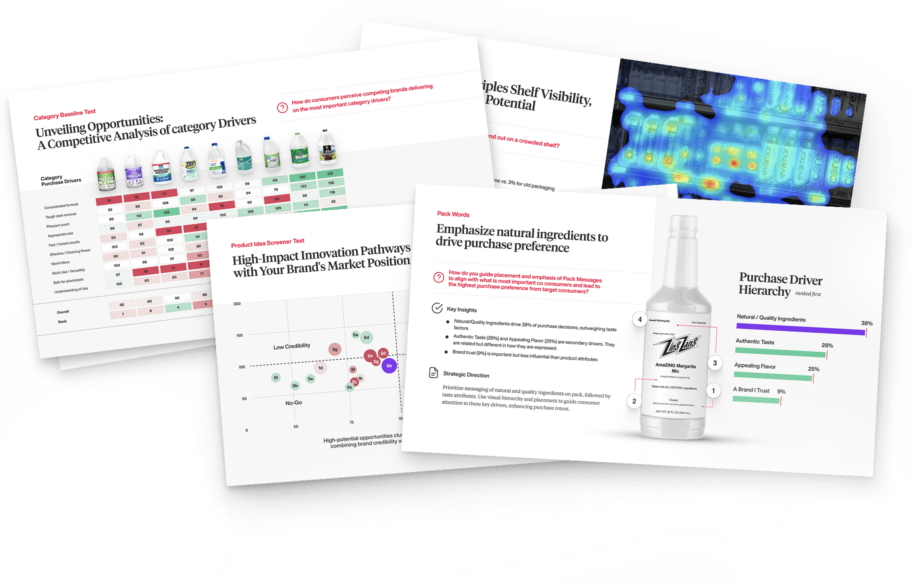
If you don’t fully understand your brand, you can’t grow it. Period. A solid brand understanding is the foundation of everything that fuels strong brands. From positioning to performance, it informs how you show up, compete, and win.
Here’s what understanding branding actually unlocks:
Real Differentiation in a Saturated Market: When you understand your brand, you can position it to stand out. You know your edge, your value proposition, your audience, and your market fit. That insight lets you build messaging that cuts through the noise and attracts the right customers.
Consistency That Builds Strong Brand Recognition: From voice to visuals, brand knowledge drives consistency across every touchpoint. It’s what powers brand awareness campaigns that feel aligned, authentic, and hard to forget. When your tone and look are locked in, people start to remember and believe.
Customer Loyalty Built on Alignment: People stick with brands that reflect their values. When you understand your brand, you align your brand’s values with what your audience actually wants. That’s how you go from awareness to affinity and from first purchase to lifelong loyalty.
Smarter Messaging and Clearer Communication: A brand with a clear identity knows how to talk. It knows what to say, how to say it, and who it’s saying it to. That clarity transforms bland messaging into brand attitude messaging with purpose, personality, and punch.
Informed, Strategic Decisions That Drive Growth: Whether it’s launching new products, entering new channels, or shifting your tone, real brand knowledge guides every move. Pull data from reviews, competitors, and consumer signals using different methods. Know what the market’s saying about brands like yours and use that intel to get ahead.
Proactive Reputation Management: Understanding branding means knowing how your business practices reflect your values. Respond to brand mentions, close the gap between promise and experience, and protect the brand awareness and brand image you’ve worked hard to build.
Agility in a Market That Never Stops Moving: Consumer expectations shift fast. Strong brands don’t just react, they adapt. When you’re locked in on who you are, you can evolve without losing your core. You stay relevant, responsive, and always in the conversation.
Components of Brand Understanding
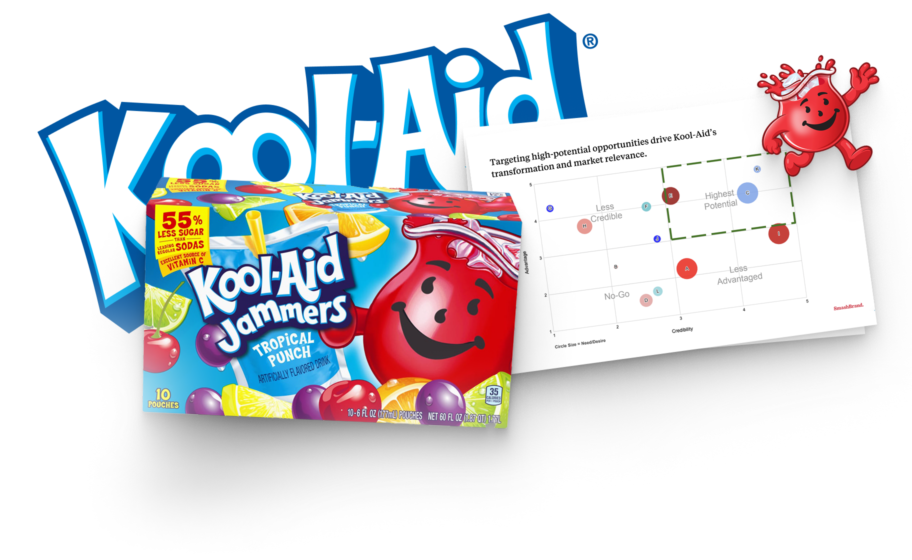
To understand a brand, you must look at each aspect separately and with other components. Here’s a look at the most critical elements of brand understanding.
Brand Awareness
Brand awareness is the extent to which consumers are familiar with a particular brand. It encompasses the recognition and recall of a brand when exposed to its name, logo, or other brand elements. Building brand awareness is essential as it lays the foundation for brand recognition and brand recall in the minds of consumers. Brands can use advertising, public relations, and social media campaigns to increase brand awareness.
Brand Identity
The brand identity encompasses the visual, verbal, and experiential aspects that distinguish a brand from its competitors. It includes elements such as the brand name, logo, tagline, colors, typography, and voice. A strong brand identity helps establish a unique and recognizable brand image that resonates with the target audience.
Brand Equity
Brand equity represents the value and strength of a brand in the marketplace. Various factors influence it, including brand awareness, perceived quality, brand associations, and customer loyalty. Building and maintaining brand equity requires consistently delivering a superior brand experience, effective marketing strategies, and continuous brand monitoring.
Brand Reputation Management
Brand reputation management is crucial for maintaining a positive brand image and effectively addressing negative feedback or crises. Businesses should actively monitor and respond to customer reviews, engage in online reputation management strategies, and employ proactive measures to safeguard their brand’s reputation.
Brand Differentiation
Brand differentiation involves creating a unique value proposition and positioning that sets a brand apart from competitors. Businesses should identify their unique selling points, understand their target audience’s needs and preferences, and develop branding strategies highlighting their distinctive qualities.
Brand Storytelling
Brand storytelling is a powerful tool for creating emotional connections with consumers and conveying brand values. By crafting compelling narratives and sharing authentic stories, brands can engage their audience, build brand loyalty, and differentiate themselves in the market.
Brand Experience Design
Brand experience design focuses on creating memorable and impactful customer experiences across all touchpoints. Businesses can leave a lasting impression and strengthen their brand identity by carefully curating interactions in physical stores, websites, customer service, packaging design, and other brand touchpoints.
Brand Advocacy
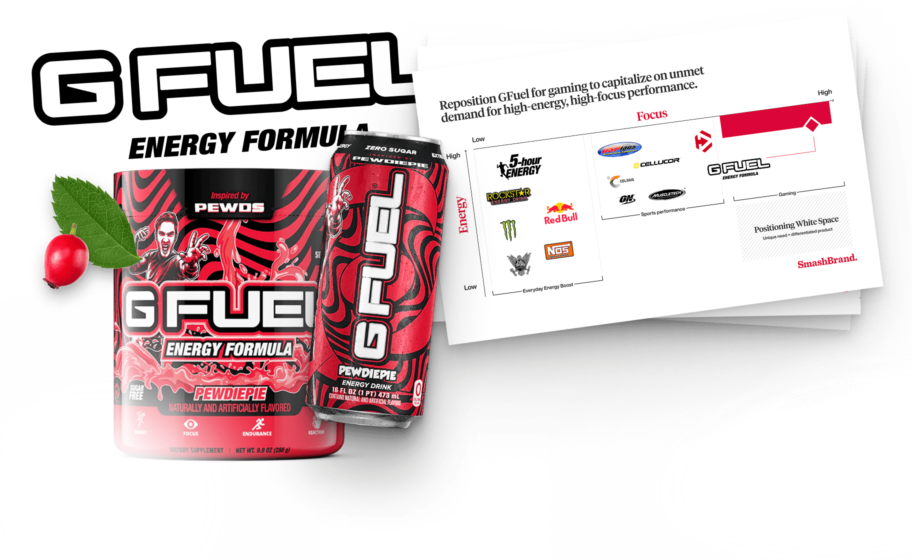
Brand advocacy involves nurturing a community of loyal customers who promote and endorse a brand. By providing exceptional products, services, and customer experiences, businesses can cultivate brand advocates who share their positive experiences with others, amplifying brand awareness and reputation.
Influencer Marketing
Influencer marketing is a brand strategy that leverages popular social media influencers to promote a brand’s products or services. By partnering with influencers who align with the brand’s values and target audience, businesses can reach a wider audience and enhance brand awareness and credibility.
Brand Extensions
Brand extensions involve expanding a brand into new product or service categories. Businesses can leverage existing brand equity to enter new markets and capitalize on customer loyalty. However, careful consideration and market research are necessary to ensure a successful brand extension and maintain the brand’s core identity.
Internal Branding
Internal branding focuses on aligning the internal company culture, values, and employee engagement with the brand identity. When employees understand and embrace the brand’s values, it positively impacts their interactions with customers, resulting in a consistent and authentic brand representation.
International Branding
International branding involves adapting a brand for different cultural contexts and global markets. Businesses must consider cultural sensitivities, language nuances, and market preferences to establish their
presence in international markets successfully. International branding may involve customizing brand messaging, visual elements, and marketing strategies to resonate with diverse audiences while maintaining brand consistency.
Co-Branding and Brand Partnerships
Co-branding and brand partnerships allow brands to collaborate with other businesses to create unique offerings or joint marketing initiatives. By joining complementary brands, companies can leverage each other’s strengths, expand their reach, and tap into new customer segments.
Brand Understanding and Business Success
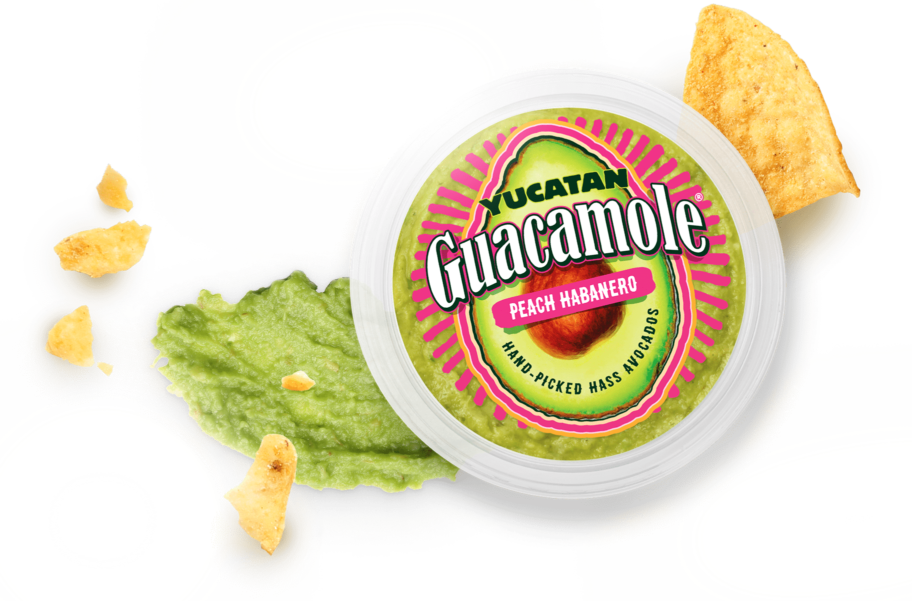
A deep understanding of your brand is essential for achieving business success. By comprehending the various components of brand understanding, businesses can develop effective strategies to enhance brand awareness, build a strong brand identity, and cultivate brand loyalty.
In Conclusion
Brand understanding goes beyond superficial knowledge of a brand. It encompasses a holistic understanding of brand awareness, identity, equity, reputation management, differentiation, storytelling, experience design, advocacy, influencer marketing, brand extensions, internal branding, international branding, and co-branding. By investing in brand understanding and thoughtful strategies, businesses can establish a strong market presence, foster customer loyalty, and drive long-term success.
Nice Package
Don’t miss out on our monthly newsletter Nice Package!
Each month, we deliver a data-driven newsletter directly to your inbox, unpacking a critical topic in the FMCG & CPG industry.
"*" indicates required fields
Data-Driven Brand Development For Consumer Goods
SmashBrand is a brand development agency for FMCG and CPG companies. From brand strategy to packaging design testing, our Path To Performance™ process guarantees a retail performance lift. Book a time to discuss your project with our team.
Frequently Asked Questions
What is the difference between brand awareness and brand recognition?
Brand awareness refers to the level of familiarity consumers have with a brand, while brand recognition specifically relates to the ability of consumers to identify a brand among competitors.
How can I measure the effectiveness of a brand awareness campaign?
You can measure the effectiveness of a brand awareness campaign through brand tracking. Brand tracking includes measuring metrics such as brand reach, impressions, website traffic, social media engagement, and brand recall through surveys or focus groups.
What role does branding play in digital marketing?
Branding plays a crucial role in digital marketing as it helps businesses differentiate themselves, establish credibility, and build emotional connections with their target audience in the digital space.
How can I create a strong brand voice?
Defining your brand’s personality, values, and tone is essential to create a strong brand voice. Consistently applying this voice in your communication across various touchpoints helps establish a unique and recognizable brand identity.
What common brand elements should be consistent across all marketing channels?
Some common brand elements that should be consistent across all marketing channels include the brand logo, colors, typography, tagline, and overall visual and verbal style. Consistency in these elements helps reinforce brand recognition and strengthens brand identity.

A seasoned veteran in the CPG (Consumer Packaged Goods) industry, Jason Vaught brings a wealth of knowledge and hands-on experience as the director of content and marketing for SmashBrand. His comprehensive role at the forefront of brand communication ensures that CPG brands remain well-informed about the suite of services SmashBrand offers. Furthermore, his insights derived from the company's strategy, design, and testing services are invaluable to brand owners and managers seeking expert guidance.
From his early endeavors in launching a successful sports nutrition brand that gained prominence in significant bodybuilding and fitness retail spaces to his entrepreneurial ventures in kick-starting multiple brick-and-mortar and e-commerce startups across diverse industries, Jason's career is studded with substantial milestones. Notably, he has innovated numerous products later embraced by leading industry brands, showcasing his knack for anticipating market demands and setting trends.
Jason's journey in the CPG industry commenced at age 21. Over the years, he has worn multiple hats, ranging from a manufacturer and retailer to a distributor and brand owner. This multifaceted experience equips him with the rare ability to offer practical advice grounded in real-world expertise. His mission is to guide and support other CPG brand owners, directors, and managers on their path to success.
Subscribe to
Nice Package.
SmashBrand’s Nice Package: Stay current with our latest insights
Free Resource.

CPG product repositioning guide.
Explore the five undeniable signs your CPG product needs repositioning along with strategies for leveraging consumer insights for a guaranteed market lift.
Download Whitepaper About CPG product repositioning guide.