
 Overview
Imagine creating a positioning strategy that precisely targets your potential customers’ desires. This is possible only if your plan is based on a compelling brand positioning matrix.
A brand positioning matrix is a powerful tool for analyzing and visualizing differences among competing brands, facilitating effective positioning and differentiation. This two-dimensional graph strategically plots a brand and its competitors along two axes, representing key attributes or benefits that customers seek in a product.
Using this strategic matrix, you can position your brand in the market, distinguish it from competitors, and, most importantly, communicate your unique value proposition. Sounds interesting? Want to know more? Reach out to us, and let’s boost your brand performance with a research-based positioning matrix.
But do I need a brand positioning matrix?
Every solid brand positioning strategy needs a suitable positioning matrix. This matrix visually maps your brand against key competitors across critical attributes such as quality, value, innovation, and price. It lets you see your current competitive positioning, identify whitespace, and craft a differentiated positioning strategy perfectly aligned with your target customer’s needs and preferences.
Brands without this data-driven tool risk ineffective positioning, low differentiation from competitors, missed opportunities, and poor market fit. For example, why would someone prefer your product over others if it is the same? How can you convince your target customers to buy from your brand if you are not providing them value? These factors can ultimately impact their brand equity and competitive positioning.
Elements of a Brand Positioning Matrix
The positioning matrix is critical for creating a robust product positioning framework. It comprises vital elements and utilizes the X and Y axes to represent the most relevant attributes for the target audience. For example, a company must compare quality versus price and plot each brand based on their perceptions of these attributes. The following elements are crucial for an effective positioning matrix:
| Element | Description |
| Target Market | Identifying the specific consumer segment targeted by the brand, considering demographics, psychographics, needs, preferences, and pain points. |
| Competitor Analysis | Evaluating the strengths and weaknesses of competitors to identify opportunities for differentiation and to understand how they are perceived by the target audience. |
| Brand Attributes | Defining the unique characteristics and qualities that set the brand apart from others, such as design, technology, quality, and performance. |
| Customer Perceptions | Understanding how customers perceive the brand and its offerings, including their expectations and preferences. |
| Positioning Statement | Crafting a concise brand positioning statement that communicates its value proposition and positioning in the market, highlighting its competitive advantage and unique selling points. |
| Brand Personality | Defining the set of human traits and characteristics associated with the brand, such as tone of voice, visual identity, and messaging. |
| Brand Essence | Identifying the core idea or message the brand wants to communicate to its target audience, such as happiness or empowerment. |
| Axes for Differentiation | Determining the most critical market differentiation elements, such as price and quality, design and ease of use, or camera and screen quality. |
| Visual and Verbal Identity | Designing a consistent and coherent visual and verbal identity that reflects and reinforces the brand position, including the brand name, logo, colors, fonts, imagery, tone of voice, and style. |

Creating the brand positioning matrix.
Creating the brand positioning matrix requires a systematic approach. Companies must gather their data first through in-depth research. This will help remove biases and make the positioning matrix more accurate and reliable. Follow these steps to build a trustworthy and dependable positioning matrix:
Define your target audience.
Knowing the target audience and their needs is the first critical step in building an effective brand positioning matrix. Companies must conduct thorough market research to understand their potential customers’ demographics, psychographics, needs, and preferences. This insight guides the selection of the most relevant attributes to plot on the brand positioning map ‘s X and Y axis.
For example, a brand positioning chart for luxury watches like Tissot utilizes prestige and craftsmanship as axes for affluent enthusiasts. Meanwhile, affordability and durability are paramount for budget-conscious buyers. It is imperative to precisely define your target audience to establish an accurate brand positioning framework and a highly differentiated brand positioning strategy that resonates with customer needs.
Create buyer personas.
After identifying the target audience, the next step is to develop detailed buyer personas. These fictional characters vividly depict your target customers’ key demographics, psychographics, goals, challenges, and purchasing behaviors. Creating comprehensive buyer personas requires both qualitative and quantitative market research.
- Analyzing customer data like surveys, interviews, and analytics
- Reviewing online activity, forums, and reviews to understand consumer perception
- Leveraging tools like product positioning templates
These insights ensure that your brand’s product positioning and management align with the actual needs and values of real customers. Well-crafted personas are essential for an effective brand positioning strategy that stands out amidst the noise.
Analyze your competitors.
Before you place a single brand on a positioning matrix, you need a clear picture of the competitive landscape. Study each competitor’s brand identity, perceived strengths and weaknesses, product offering, and unique value proposition. Evaluate their market share, customer segments, awareness, loyalty, pricing, distribution, and go-to-market playbook. This depth of research gives you the context required to understand what a positioning matrix reveals—and what it doesn’t.
Use these insights to populate your marketing positioning matrix or template, mapping competitors based on the attributes your target audience values most — the exercise at the heart of perceptual map marketing. This becomes the foundation for identifying competitive patterns, whitespace, and differentiation opportunities within a retail positioning matrix or any broader brand management matrix.
Skipping rigorous competitive analysis leads to misjudged threats, misunderstood consumer expectations, and poor strategic choices. Understanding what a positioning matrix is ensures you build a brand strategy grounded in reality, not assumptions.

Determine your unique value proposition.
Utilize market research data to uncover your unique value proposition. Clearly articulate the distinct benefits that give you a competitive edge over rivals. Conduct a SWOT analysis to pinpoint your core strengths, competitive gaps, market opportunities, and threats. Blend this with insights from your buyer personas and competitor analysis to amplify its impact.
Condense these inputs into a compelling positioning statement that showcases your brand’s unique value. When strategically implemented, your distinctive brand positioning can elevate brand equity, foster brand loyalty, and fortify your overarching brand strategy. A robust, unique value proposition is pivotal to an influential brand positioning model.
Choose Axes for Brand Positioning Matrix
Based on the research data, select the appropriate axes. These axes represent the most critical attributes of your target customers. Some joint axes for a competitive positioning matrix include price vs. quality, innovation vs. tradition, and luxury vs. affordability. The optimal axes will depend on your specific industry, buyer personas, and the types of brand positioning you are considering.
For example, a brand positioning template for consumer artificial intelligence products could use functionality vs privacy as axes given consumer concerns. Selecting the most relevant axes allows you to map your brand’s position precisely against competitors to identify potential whitespaces to own.
| Industry | Example Axes |
| Food & Beverage | Taste vs Health, Indulgence vs Nutrition, Organic vs Conventional |
| Personal Care | Efficacy vs Natural Ingredients, Prestige vs Value, Specialized vs Multi-Use |
| Household Care | Strength vs Gentleness, Eco-Friendly vs Traditional, Convenience vs Versatility |
| Beauty & Cosmetics | Luxury vs. Affordability, Classic vs. Trendy, Ethical vs. Performance |
| Pet Care | Premium vs. Value, Specialized Needs vs. All-Purpose, Natural vs. Medicated |
| Baby Care | Gentle vs Effective, Premium vs Value, Traditional vs Innovative |
Plot your brand and competitors on the matrix.
Once you’ve defined the right axes, it’s time to plot your brand and competitors on the market positioning matrix. This visual brand positioning process maps out the competitive landscape and each brand’s relative positioning. Place brands objectively, using data rather than assumptions. In a classic price quality positioning matrix, premium players naturally cluster in the upper-right, while value-driven brands sit lower on both cost and quality.
As the full brand position matrix takes shape, gaps and patterns become apparent. Some spaces are overcrowded; others sit wide open and underleveraged. Treat this as a working competitive analysis matrix to assess feasibility, evaluate value-creation opportunities, and pressure-test strategic moves using tools like a risk matrix, feasibility matrix, or priority matrix.
Ultimately, this exercise clarifies where your brand can claim a credible, differentiated position, supported by insights from customer segmentation, a clear brand development matrix, and broader frameworks such as the value stream mapping matrix, relationship management matrix, or brand product matrix.
This product positioning map illustrates each strategy, highlighting the similarities, differences, and potential gaps. Utilize this competitive analysis matrix to help make positioning adjustments that enable your brand to establish a unique, differentiated, and valued position in the market.
Understand quadrant meanings.
Understanding how to read each quadrant is essential for sharpening your market positioning. Every quadrant represents a distinct customer segment defined by its own preferences, expectations, and perception of value. On a simple price–quality axis, the top-right quadrant signals premium brands delivering high quality at a higher cost. At the same time, the bottom-left belongs to budget players competing on affordability and function.
Studying how brands cluster across the quadrants offers immediate insight into the competitive landscape. A crowded space signals heavy competition and potential stagnation. Sparse areas, often revealed through tools such as a competitive advantage matrix or product-market matrix, can highlight untapped opportunities where your brand can credibly differentiate.
The goal is to identify the quadrant that aligns with your brand’s unique value proposition, your target audience, and broader strategy frameworks, whether you’re evaluating through an operating model matrix, risk management matrix, marketing effectiveness matrix, or even a quality management maturity matrix. When these elements align, positioning becomes a competitive lever for accelerated growth.
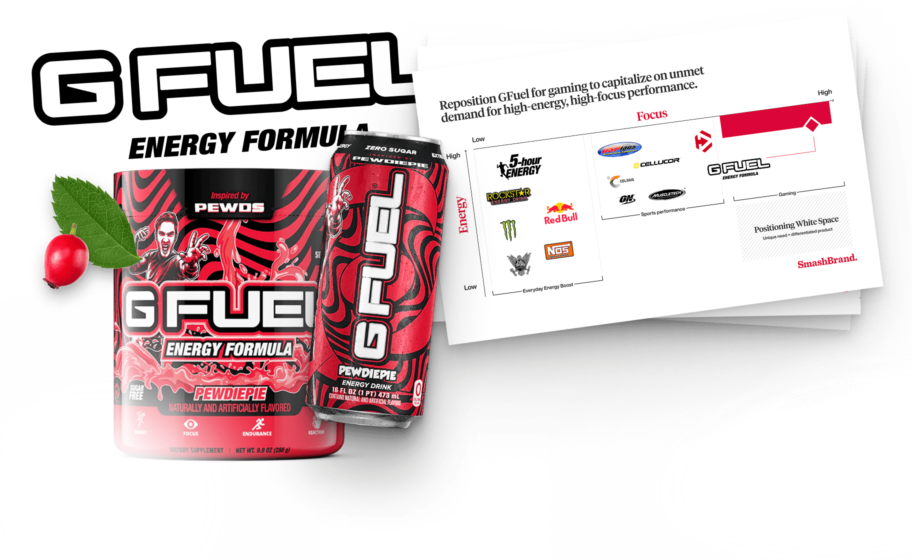
Refine your brand positioning strategy.
Once your brand matrix is mapped, it’s time to refine your positioning strategy using market analysis. Confirm that your intended position aligns with what your target market values most. If consumer perception doesn’t match your intent, adjust your unique selling proposition to sit where relevance and preference intersect.
Next, analyze competitor positions to identify whitespace your brand can credibly own. Use the positioning matrix and strategic positioning matrix to sharpen your message, highlight actual advantages, and create separation that competitors can’t easily imitate. This is how you carve out a defensible position in the consumer’s mind.
Finally, translate those insights into your broader marketing matrix, future product development, and internal decision-making frameworks, such as the value management matrix or strategy map. When your positioning strategy is aligned across every strategic business unit, you build clarity, consistency, and the momentum needed to grow market share with intention.
Nice Package
Don’t miss out on our monthly newsletter Nice Package!
Each month, we deliver a data-driven newsletter directly to your inbox, unpacking a critical topic in the FMCG & CPG industry.
"*" indicates required fields
Data-driven brand positioning matrix to reveal critical insights.
SmashBrand is a data-driven brand positioning agency, specializing in crafting a data-aware brand positioning matrix that helps you understand your target market, sharpen your unique selling proposition, and build positioning strategies that actually win. Our approach brings clarity to complex decisions, ensuring every move supports long-term growth and defensible differentiation.
We get there through rigorous market analysis, consumer testing, and a structured value management matrix that aligns your offerings with what buyers care about most. By integrating insights into an adaptable operating model matrix, we create positioning frameworks that guide your brand with precision, from strategy to execution.

A seasoned veteran in the CPG (Consumer Packaged Goods) industry, Jason Vaught brings a wealth of knowledge and hands-on experience as the director of content and marketing for SmashBrand. His comprehensive role at the forefront of brand communication ensures that CPG brands remain well-informed about the suite of services SmashBrand offers. Furthermore, his insights derived from the company's strategy, design, and testing services are invaluable to brand owners and managers seeking expert guidance.
From his early endeavors in launching a successful sports nutrition brand that gained prominence in significant bodybuilding and fitness retail spaces to his entrepreneurial ventures in kick-starting multiple brick-and-mortar and e-commerce startups across diverse industries, Jason's career is studded with substantial milestones. Notably, he has innovated numerous products later embraced by leading industry brands, showcasing his knack for anticipating market demands and setting trends.
Jason's journey in the CPG industry commenced at age 21. Over the years, he has worn multiple hats, ranging from a manufacturer and retailer to a distributor and brand owner. This multifaceted experience equips him with the rare ability to offer practical advice grounded in real-world expertise. His mission is to guide and support other CPG brand owners, directors, and managers on their path to success.
Subscribe to
Nice Package.
SmashBrand’s Nice Package: Stay current with our latest insights
Free Resource.

CPG product repositioning guide.
Explore the five undeniable signs your CPG product needs repositioning along with strategies for leveraging consumer insights for a guaranteed market lift.
Download Whitepaper About CPG product repositioning guide.