
 Overview
Product packaging is the first experience shoppers have with your brand. It shouldn’t be treated as just a box, bottle, or pouch. Accurate product packaging creates instant differentiation and signals value before a word is read. Whether it’s box packaging, a mailer box, or custom packaging built for retail or DTC, the pack is often the most powerful branding lever inside your marketing mix.
The challenge is execution. Anyone can source a packing box, cardboard box, or corrugated packaging solution from a manufacturer. Very few brands know how to turn custom boxes, such as custom mailer boxes, gable boxes, gift box formats, or custom shipping boxes, into profit-driving assets. High-performing brands invest in custom printed boxes and packaging solutions that attract attention, create emotional pull, and justify price at the shelf. That’s the difference between packaging that exists and packaging that sells.

Why is Packaging Design Important?
Before learning about the details of an impactful package design, it is essential to understand why product packaging design matters. How do various types of packaging designs affect customers differently? How is a systematically designed package much better than a cheap alternative? The following are some of the main reasons to consider:
Consumer Psychology
Packaging works because it shortcuts decision-making. Shoppers don’t analyze; they react. Color, structure, and visual hierarchy create immediate emotional signals that shape perception and influence choice in seconds. A strong design idea builds recognition, improves recall, and nudges the shopper toward action without conscious effort.
That impact doesn’t happen by accident. Effective packaging sits at the intersection of consumer psychology, the realities of the supply chain, and execution by a professional designer who understands how packaging performs on the shelf. For food products especially, design must balance appetite appeal, clarity, and trust because when packaging feels right, purchase behavior follows.
Brand Recognition
Packaging is often the first and sometimes the only chance a brand gets to earn attention on the shelf. Strong packaging box design builds instant recognition by using consistent colors, typography, and logo placement that shoppers can spot in seconds. When product box design reinforces a brand’s values, it creates familiarity, trust, and preference over time.
The best box packaging doesn’t chase trends; it sharpens distinction. Whether it’s an affordable packaging design or a more premium execution, beautiful box packaging must feel intentional and unmistakably on-brand. Get the box design for products right, and you create one of the best box designs in the category. Get it wrong, and you risk confusion, lost equity, and outcomes like Tropicana’s costly rebrand misstep.
Innovation
The primary purpose of a packaging box is to keep the product safe during the challenging shipping procedures. Companies craft their boxes using sturdy materials to protect the fragile contents inside the custom boxes. But good packaging does more than that. It brings the opportunity to make a difference. For instance, see how the box wine offers convenience, making it easy to pour.
Promote the Brand Values
Prioritizing eco-friendly packaging is a social responsibility and a strategic investment in customer trust and loyalty. By adopting sustainable packaging practices, the brand communicates its values, fosters customer confidence, and maximizes sales volume. This approach establishes enduring and profitable customer relationships.
The Packaging Design Process
To make an effective box design, the brands should work in collaboration with the packaging companies according to the following steps:
- Perform a complete market analysis to gather information regarding the product, competitors, market preferences, customer behaviors, and consumer requirements.
- Specify the packaging objectives to stand out in the competitive market.
- Think about different packaging ideas based on the market research and the brand goals. Decide on the eye-catching color themes, logo design, and other essential elements to make the packaging attractive to the target audience.
- Select the packaging material, printing method, and finishing technique while being within the defined budget line.
- Order a sample kit to evaluate the overall design, size, and box style under the required product dimensions.
- Prepare the dieline in packaging design software to witness your dreams come to life.
- Take quality control measures with the help of professional designers to maintain consistency in the production process.
- Launch the packaging design in the market to evaluate its performance.
Understanding the Layers in Packaging Design
Going with an ordinary packaging design is quite an easy choice, but it is not enough to make you earn a competitive advantage. To be distinctly attractive, you must think outside the box and play with unique yet creative packaging designs.
Great graphic designs, even using simple kraft paper bags, also know how to make their way towards progression. Use modern box styles to enhance the visual appeal of the product packaging.
Dieline & Artwork Design File
Dieline preparation and artwork design are two critical components of the packaging design process. They work together to ensure consistency in the packaging production order. Dieline templates provide the structure for packaging design while highlighting cuts and folds using Adobe dimensions.
A packaging template is a guide that ensures the accuracy of the production process. Packaging design templates are offered to the clients to help them decide what design they think is best for their premium product.
The mockups could be edited using Adobe Illustrator or Adobe Photoshop to design the packaging as per their preferences. The artwork design files are the packaging illustrations stored in PDF or EPS file formats. These are crafted to enhance the visual appeal of the product packaging on retail store shelves or online platforms.
Types of Packaging Material
There is a variety of packaging materials available in the market, but the brands should focus on using sustainable packaging alternatives to keep nature and customers safe from hazardous substances:
Paperboard
Paperboard is a lightweight yet durable material used in food packaging for storing milk, frozen foods, and cosmetics. Those same properties that make it a go-to for niche categories like custom candle boxes, where protecting a fragile scented product matters greatly.
Rigid
Rigid boxes are made from thick cardboard. The custom rigid boxes are mostly black or white to enhance the beauty of extravagant products, such as mobile phones or watches.
Cardboard
Cardboard is a sturdy packaging material used to design subscription boxes or custom bubble mailers to ship the products safely to the customer’s doorstep. Cardboard boxes are most often used as gift boxes to deliver an incredible unboxing experience to customers.
Corrugated Cardboard
Corrugated cardboard is a thicker packaging material, manufactured as a shipping box to deliver heavy products to their intended destinations. Its strength and cushioning properties make it ideal for bulky products that need extra protection during transit. A common example is mattress in a box packaging, which relies on durable corrugated cardboard to safely contain compressed mattresses throughout shipping and delivery.
Chipboard
Chipboard is a lightweight packaging material used for tissue papers or cereal boxes. This type of packaging offers a large surface for printing and finishing methods, but is not considered particularly resistant to moisture.
Printing Methods
After choosing the appropriate packaging material, it is time to choose the perfect printing method from the following available options:
Offset Printing
The offset printing process involves the transferring of ink from a dieline to a rubber blanket, which shifts the design to the surface of the packaging material. Offset printing is considered quite affordable and is mainly used for newspapers, brochures, posters, and magazines.
Digital Printing
Digital printing uses digital technology for quick, clean, and crisp printing. This is an eco-friendly option and is considered cost-effective for small orders, using the fewest resources.
UV Printing
Ultraviolet printing (UV printing) is a versatile printing technique that uses ultraviolet radiation to instantly dry ink applied to the surface of packaging material. This is perfect for a wide range of materials, including glass, metal, wood, paper, plastic, and cardboard.
Screen Printing
Screen printing uses a mesh screen to transfer images or artwork to the surface of the packaging material. This is a durable, cost-effective printing method used to produce visually appealing packaging designs.
Gravure Printing
Gravure printing is mainly used for large packaging production orders. The technique uses engraved cylinders to transfer ink to the surface of the packaging material, paying special attention to small details. This printing method is best known for its vibrant colors and smooth textures.
To create an inspiring packaging design, the brand should collaborate with a leading packaging company that has an exceptional team of graphic designers to understand the product’s packaging requirements fully. This would make their packaging design process much easier and help them achieve the product presentation they have always aspired to.
Additional Box Packaging Design Considerations
To further enhance the effectiveness and appeal of packaging, it is vital to consider additional factors that support sustainability and technological innovation, ensuring alignment with brand strategy across multiple channels.
Packaging Sustainability and Lifecycle Assessment
Evaluating the environmental impact of packaging materials and designs through lifecycle assessments helps brands understand their overall ecological footprint. This analysis considers the production, usage, and disposal stages of the packaging, encouraging the use of sustainable materials and practices that reduce environmental impact and appeal to eco-conscious consumers.
Technological Innovations in Packaging
Emerging technologies such as QR codes, NFC chips, or augmented reality features integrated into packaging designs can significantly enhance consumer engagement. These technologies offer interactive experiences, provide product information, and even facilitate easier recycling. They represent a frontier in packaging design, combining functionality with digital interaction.
Brand Integration and Multi-channel Marketing
Packaging design plays a pivotal role in multi-channel marketing strategies. It ensures that the brand’s visual and communicative presence is consistent across all platforms, from physical retail environments to digital ads and social media. Integrating packaging design with overall brand messaging across these channels enhances brand recognition and consumer loyalty, making packaging an integral part of the brand’s storytelling.
Packaging Design For CPG Brands
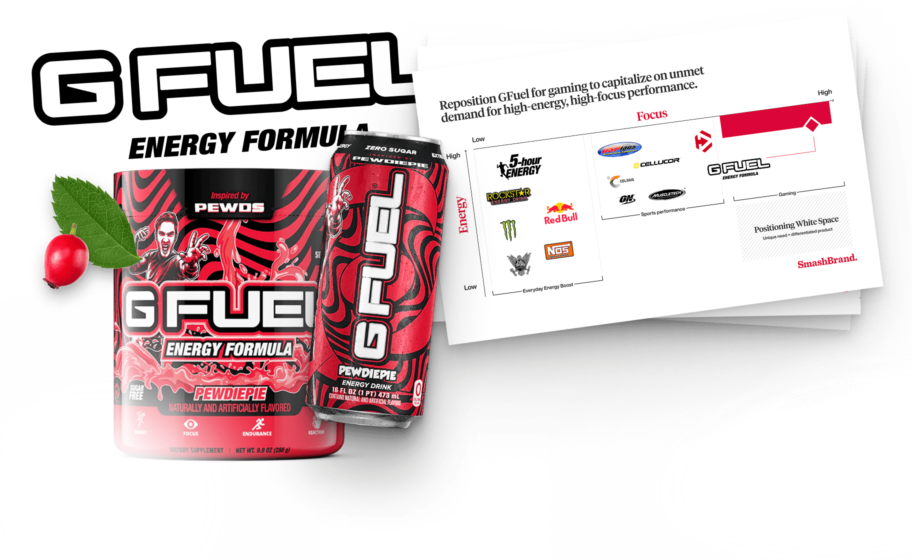
SmashBrand is a data-driven packaging design agency for FMCG and CPG brands focused on one thing: improving retail performance. We don’t design for aesthetics alone; we design to win attention, trial, and repeat purchase at the shelf.
Our PathToPerformance™ process combines market research, competitive analysis, design, and quantitative testing to predict performance before launch. Every decision is validated against real shopper behavior, ensuring your packaging isn’t just noticed but chosen.
Nice Package
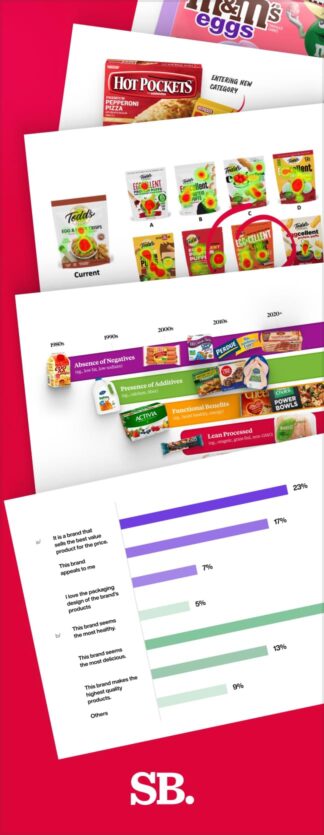
Don’t miss out on our monthly newsletter Nice Package!
Each month, we deliver a data-driven newsletter directly to your inbox, unpacking a critical topic in the FMCG & CPG industry.
"*" indicates required fields

A seasoned veteran in the CPG (Consumer Packaged Goods) industry, Jason Vaught brings a wealth of knowledge and hands-on experience as the director of content and marketing for SmashBrand. His comprehensive role at the forefront of brand communication ensures that CPG brands remain well-informed about the suite of services SmashBrand offers. Furthermore, his insights derived from the company's strategy, design, and testing services are invaluable to brand owners and managers seeking expert guidance.
From his early endeavors in launching a successful sports nutrition brand that gained prominence in significant bodybuilding and fitness retail spaces to his entrepreneurial ventures in kick-starting multiple brick-and-mortar and e-commerce startups across diverse industries, Jason's career is studded with substantial milestones. Notably, he has innovated numerous products later embraced by leading industry brands, showcasing his knack for anticipating market demands and setting trends.
Jason's journey in the CPG industry commenced at age 21. Over the years, he has worn multiple hats, ranging from a manufacturer and retailer to a distributor and brand owner. This multifaceted experience equips him with the rare ability to offer practical advice grounded in real-world expertise. His mission is to guide and support other CPG brand owners, directors, and managers on their path to success.
Subscribe to
Nice Package.
SmashBrand’s Nice Package: Stay current with our latest insights
Free Resource.
CPG product repositioning guide.
Explore the five undeniable signs your CPG product needs repositioning along with strategies for leveraging consumer insights for a guaranteed market lift.
Download Whitepaper About CPG product repositioning guide.