
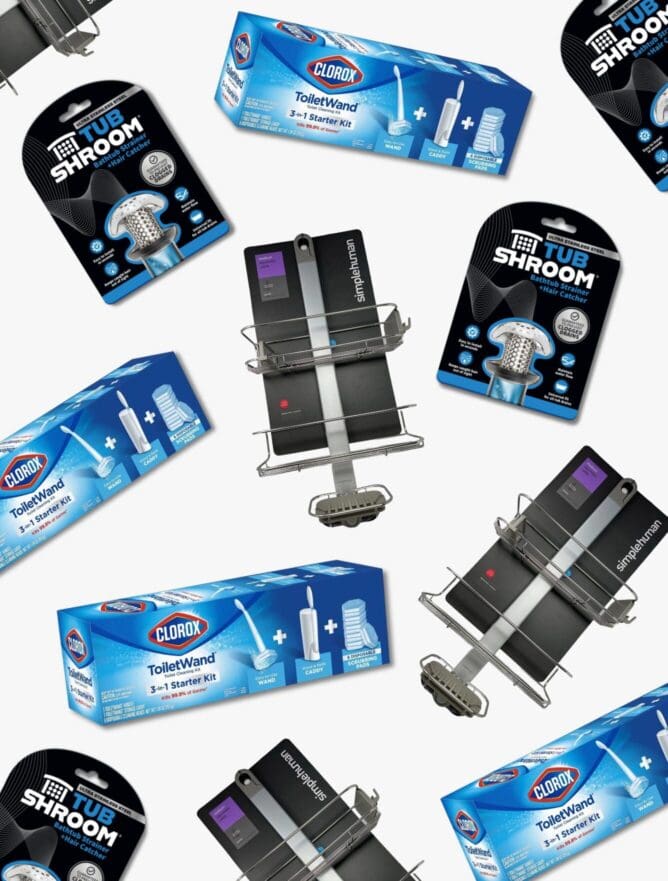
 Overview
If your bathroom product packaging is costing you buyers, the signs show up fast, hesitation at the shelf, confused shoppers, and excellent products losing to weaker ones. At the same time, weaker competitors win on clarity alone. In a category where people scrutinize everything from a bath bomb to fragrance oil to soap, the wrong pack is a silent revenue leak.
Bathroom accessories, toiletries, hand cream, essential oils, and other bathroom essentials don’t get the luxury of storytelling space. The moment someone picks up a box wrapped in bubble wrap or packing paper, they expect the packaging material to prove value fast. The job is simple: make the items instantly understandable and undeniably useful.
This article breaks down the mistakes you can’t afford, the strategies that actually work, and the packing choices that turn browsers into buyers, so your bathroom product packaging actually performs.

What makes bathroom packaging different?
Bathroom packaging behaves differently because the category is split into two: fast-moving essentials like toilet paper, hand soap, and shampoo, where decisions happen in seconds, and durable products, drain solutions, hardware, and organizers, where shoppers slow down, scrutinize, and look for functional proof before they buy.
The stakes vary by product type, but the rule stays the same: if the packaging doesn’t eliminate uncertainty and make the choice feel smart, shoppers move on. Every packaging solution in this space must respect those distinct decision speeds and design for both clarity and confidence.
Function-first decision-making.
Consumers are looking for a fix, not just bath bombs, hand cream, or toilet paper. Bathroom essentials must prove they work before anything else. If efficacy isn’t unmistakable at first glance, the pack fails. The best packaging material, colors, or plastic format won’t matter unless the solution feels reliable and ready for the shower or sink.
Low category awareness.
In many cases, shoppers don’t know what half of these bathroom products actually do. That means the packaging isn’t just decoration, it’s instruction. The container, structure, and language must immediately clarify the purpose. Without that clarity, even well-engineered supplies are dismissed because the function never lands.
High cognitive friction.
Consumers worry about whether the item fits, installs easily, or solves the drainage issue without creating new problems. If the pack doesn’t remove those doubts fast, the product stays on the shelf. This category leaves zero room for ambiguity; every packaging solution must guide, reassure, and simplify.
Industrial design as proof.
Shoppers judge bathroom products by how they look, long before they read anything. The industrial design becomes evidence, shape, material, and openings, and is built to communicate performance instantly. Custom boxes or packing won’t compensate if the product itself isn’t visible. In this category, the essentials are simple: show the form, make it obvious, and earn trust.
The core components of bathroom product packaging.
| Component | What It Means |
| Product Visibility | For bathroom essentials, from glass containers to toothbrushes and even accessories for a hair dryer, visibility proves function. |
| Clear Claim Hierarchy | One primary benefit, two supporting truths. No clutter. Whether preventing spills, improving durability, or protecting mirrors, labels must be instantly scannable. |
| Fit & Compatibility Communication | Dimensions, diagrams, or icons must clarify compatibility for items competing with shampoo pumps, hand soap, deodorant storage, and more. |
| Efficacy Messaging | Bathroom products must prove they work fast. Front-panel, sharp, and tied to real use cases, moisture, spills, wet environments, because this space punishes vague messaging. |
| Installation Guidance | Complexity kills purchase intent. Visual steps must make installation look easier than expected. This matters for everything from holders to custom organizers. |
| Visual Storytelling & Context | Show the product where it lives: shower, sink, counter. Context builds comprehension faster than text and eliminates hesitation around unfamiliar items. |
| Material & Durability Reassurance | Wet, hot, messy environments demand strong materials. Whether plastic strength, recycling benefits, or resistance to spills, durability reassurance matters in every packaging solution. |
| Preventative vs. Reactive Framing | Preventative benefits beat reactive ones when clearly explained. Customers won’t infer long-term value unless the pack connects the dots for them. |
The key purchase drivers you must design around.
Even the strongest structural packaging design falls flat if it ignores how shoppers actually make decisions. In bathroom aisles, consumers scan fast, trust their eyes more than claims, and judge whether a thing solves their problem long before they read a word.
This is where the key purchase drivers kick in, the behavioral triggers your retail packaging must satisfy if you want the product to leave the shelf instead of becoming more cardboard and plastic sent to landfill.
Does it work? Prove it visually.
Bathroom shoppers buy outcomes. If the product controls liquid, catches debris, or protects accessories near a shower curtain, the pack must SHOW that performance. Fragile items and everyday tools alike must look capable of surviving real use, not just sitting inside box packaging.
Drainage performance.
Drainage is one of the most overlooked packaging needs in bathroom categories. Shoppers make snap judgments about how well a product handles water, buildup, and flow, especially if it sits near toothpaste, liquid soap, or other wet environments.
If drainage improvement is part of the value, your pack must clearly highlight it. Retail packaging that demonstrates “fast flow” or “no standing water” removes hesitation and anchors the product as a true problem-solver.
Compatibility.
If customers think the product might not fit, they won’t gamble. Period. Whether it’s a drain insert, a shower accessory, or hardware adjacent to a shower curtain, compatibility must be unmistakable.
Dimensions, diagrams, and fit callouts belong front and center, not buried on the back. A structural packaging design that clarifies fit instantly removes the number-one barrier to purchase.
Ease of install.
Consumers assume installation is complicated unless the packaging proves otherwise. Visual steps, minimal parts, and a clear “this is easy” narrative can make or break conversion. Even the best packaging material won’t save you if the thing looks confusing. Show simplicity. Reduce cognitive load. Let shoppers see they won’t need tools, extra supplies, or a learning curve.
Visual clarity.
Clarity wins because it accelerates comprehension. This is where retail packaging meets behavioral psychology: the faster someone understands what the product is and why it matters, the faster they commit. Cluttered labels, competing claims, and decorative noise only slow them down. Simplicity is a sales tool, not an aesthetic choice.
Where brands go wrong (and how those mistakes burn sales)
Once you understand how people actually shop in this category, you start to see the same self-inflicted wounds over and over. It doesn’t matter whether you’re building CPG packaging for a niche brand or Costco packaging for club stores. These mistakes quietly choke performance long before anyone blames the pack.
Too much copy, not enough clarity.
When a pack tries to answer every hypothetical question, it answers none of them. CPG packaging that feels like a brochure forces shoppers to work too hard, and working hard is not on anyone’s list when fixing a bathroom issue. Clarity wins. Brevity sells. Therefore, the best strategy is to focus on the core purchase drivers first and less copy.
Hiding the product.
If customers can’t see the product, they won’t believe in it. Bathroom accessories rely on form as proof of function. Opaque structures or overly decorated panels fail the target packaging design mandate: show the thing, prove the thing. Visibility isn’t optional; it’s the credibility engine.
Suggesting complexity.
One extra piece. One confusing diagram. One ambiguous step. That’s all it takes to kill conversion. For many product categories, bathroom shoppers expect frustration, so the packaging must work overtime to counter that expectation. If installation looks complicated, it’s over. Complexity is the fastest path to cart abandonment, physical or digital.
Burying fit information.
Nothing creates friction faster than uncertainty about fit. If compatibility is tucked away on a side panel, hidden under icons, or buried in small type, shoppers walk away. Target packaging design best practices put fit at the forefront because shoppers want one thing: certainty. Anything less feels risky.
Ignoring drainage-speed claims.
Drainage performance is one of the strongest behavioral drivers in the category, yet most brands ignore it. It’s the equivalent of laundry packaging design forgetting to mention stain removal. When a top benefit is missing, shoppers assume the product doesn’t deliver because competitors certainly aren’t reminding them otherwise.
Overdesigning instead of prioritizing.
Pretty and persuasive are not the same thing. When packaging piles on visual noise, patterns, gradients, and competing color cues, it muddies the functional story shoppers actually need to see. The goal here is the right amount of design: enough structure, clarity, and visual focus to guide the shopper’s eye to what matters.
Effective bathroom packaging behaves like excellent CPG packaging because it knows when to amplify, when to quiet down, and how to build a hierarchy that keeps the shopper moving toward “yes” without overwhelming them.
What effective bathroom packaging actually does.
Bathroom packaging behaves like a silent salesperson, anticipating hesitation, answering fundamental questions, and removing every barrier between interest and purchase. When it’s done right, it’s decision architecture. Here’s what truly effective packaging does in this category:
It speaks with one core message.
Effective packaging forces discipline. It decides what the product must win on and builds the entire communication system around that single idea. This is the difference between control and chaos. In a cluttered aisle where shoppers move quickly, one sharp message earns attention, while eight scattered ones cancel each other out. Excellent packaging edits ruthlessly so the shopper never has to.
It makes the product the protagonist.
High-performing bathroom packaging frames the product as if it matters, because it does. The structure, photography, angle, and windowing are orchestrated to make the product feel central, capable, and worth trusting. When the product is presented as the lead character, the story becomes instantly intuitive. Weak packaging hides the hero; strong packaging elevates it.
It simplifies the cognitive load.
Bathroom packaging wins when it builds a frictionless mental model: “I get what this is, how it works, and that it fits me.” This is not about minimalism. It’s about cognitive prioritization, removing unnecessary decisions, collapsing steps, and giving the brain fewer hoops to jump through. Effective packaging reduces thinking, not information.
It takes the risk out of the purchase.
Every bathroom product comes with built-in shopper anxiety, fit, durability, installation, hygiene, water flow, and maintenance. Strong packaging identifies the exact moments where doubt lives and neutralizes them. It makes the purchase feel predictable, safe, and smart. Risk reduction is a strategy baked into structure, claims, and presentation.
It connects the dots between problem, solution, and long-term value.
Shoppers want confidence that the fix lasts. Effective packaging bridges the gap between the immediate problem (“slow drain,” “hair buildup,” “mess”) and the long-term payoff (“less cleaning,” “no surprise clogs,” “consistent performance”). This connection transforms a simple item into an innovative prevention tool, a far more compelling proposition.
It reinforces performance visually and verbally.
The strongest bathroom packaging doesn’t compete visually; it aligns. Visual storytelling and verbal messaging support each other without redundancy. Imagery demonstrates what claims promise. Claims articulate what visuals imply. It’s a system, not a collage. The result is persuasive without noise, confident without shouting.

Nice Package
Don’t miss out on our monthly newsletter Nice Package!
Each month, we deliver a data-driven newsletter directly to your inbox, unpacking a critical topic in the FMCG & CPG industry.
"*" indicates required fields
Data-driven bathroom product packaging design that wins on retail shelves.
SmashBrand is a data-driven product packaging design agency that works with brands that make bathroom products and need packaging that performs. We turn real shopper behavior into clarity, cohesion, and shelf-ready performance so your product doesn’t just look right, it tests right and outsells competitors in the moments that matter.
Our process is simple: diagnose where your packaging loses buyers, validate the message that actually drives conversion, and design a high-performing system grounded in consumer data. If you’re ready to upgrade from subjective opinions to proven results, we’re prepared to build packaging that performs before it ever hits the aisle.

A seasoned veteran in the CPG (Consumer Packaged Goods) industry, Jason Vaught brings a wealth of knowledge and hands-on experience as the director of content and marketing for SmashBrand. His comprehensive role at the forefront of brand communication ensures that CPG brands remain well-informed about the suite of services SmashBrand offers. Furthermore, his insights derived from the company's strategy, design, and testing services are invaluable to brand owners and managers seeking expert guidance.
From his early endeavors in launching a successful sports nutrition brand that gained prominence in significant bodybuilding and fitness retail spaces to his entrepreneurial ventures in kick-starting multiple brick-and-mortar and e-commerce startups across diverse industries, Jason's career is studded with substantial milestones. Notably, he has innovated numerous products later embraced by leading industry brands, showcasing his knack for anticipating market demands and setting trends.
Jason's journey in the CPG industry commenced at age 21. Over the years, he has worn multiple hats, ranging from a manufacturer and retailer to a distributor and brand owner. This multifaceted experience equips him with the rare ability to offer practical advice grounded in real-world expertise. His mission is to guide and support other CPG brand owners, directors, and managers on their path to success.
Subscribe to
Nice Package.
SmashBrand’s Nice Package: Stay current with our latest insights
Free Resource.

CPG product repositioning guide.
Explore the five undeniable signs your CPG product needs repositioning along with strategies for leveraging consumer insights for a guaranteed market lift.
Download Whitepaper About CPG product repositioning guide.