
 Overview
Gen Z and Gen Alpha might dominate headlines, but don’t let the hype fool you; the Millennial generation still owns the wallet. With a staggering $2.5 trillion in spending power as of 2022, this cohort is far from old news. That’s a $1.1 trillion jump in just two years, an emerging trend the packaging industry can’t afford to ignore.
Millennials are the bridge between Baby Boomers and Gen Alpha. They’re digital natives with families, careers, and full carts. They’re not just making purchase decisions for themselves; they’re buying for their households. That gives them influence across multiple categories, and brands that understand that dynamic are better positioned to win.
Reaching this market isn’t about chasing trends; it’s about speaking their language. That means aligning your brand story with their values and shaping brand perception through authenticity, relevance, and purpose. Millennial consumers reward consistency and expect brands to deliver on both product quality and presentation, especially through smart, intentional packaging.
Eco friendly packaging isn’t optional anymore, it’s expected. Functional design paired with sustainability has become a baseline. For brands looking to build loyalty with this group, the right packaging strategy is a critical tool for differentiation in a crowded market.
Winning with Millennials starts by recognizing their influence and addressing their expectations directly. Show them a brand that understands who they are and what they value, and they’ll reward you with long-term loyalty.
Who Are Millennials & What Defines Them?
Millennials, born between 1981 and 1996, are now in their late 20s to early 40s. They hold significant buying power and have reshaped how brands operate. This isn’t a generation that follows old playbooks. They question everything: products, packaging, values, and execution.
Previous generations bought what was available. Millennials had options. With ecommerce and digital access coming of age alongside them, they evaluated more and expected better. Brands had to compete not just on shelf space, but also on story, utility, and ethics. Familiarity stopped being enough.
This shift pushed the packaging industry to evolve. Functional packaging alone didn’t cut it. Visual appeal, responsible materials, and clear communication became critical. Flexible packaging, minimal waste, and cohesive branding were no longer upgrades; they were essential.
The Millennial impact continues to drive today’s packaging decisions, especially in food and consumer goods. Gen Z may be louder online, but the groundwork was laid by Millennials. What we see at Paris Packaging Week, high-performance formats, sustainability-led messaging, and digital integration, was built on the demands of this generation.
Understand their standards. Meet them without compromise. That’s the baseline for reaching today’s consumer.
The Influence of Social media on millennial packaging design
Millennials sit at the intersection of digital influence and personal trust. They scroll, share, and shop, but they still rely on peer opinions to validate purchases. This hybrid behavior creates a unique challenge for the packaging industry and a clear directive for any packaging designer aiming to influence purchase decisions.
Social media drives consumer demand in real time. If your product packaging doesn’t photograph well, tell a story quickly, or align with consumers’ identity, it won’t get shared or bought. For millennial parents, especially, packaging must do more than look good. It has to signal trust, quality, and values at a glance.
This emerging trend forces brands to think beyond the shelf. Consumer preference is shaped across platforms, and packaging is part of that conversation. The right packaging strategy needs to support an omnichannel retail experience, DTC, and social, all working together to close the loop.
The Importance of A Shared Identity
The Millennial generation doesn’t buy as Baby Boomers did. Where Boomers stuck with what they knew, Millennials switch brands based on values, price, performance, and perception. They’re digital natives who expect every brand interaction, especially through food packaging, to reflect their beliefs, not just their needs.
In the Millennial mindset, a product isn’t just a product. It’s a signal. Eco-friendly packaging speaks to social awareness. Functional design cues health-conscious intent. Price sensitivity aligns with financial priorities. Every detail of packaging design shapes brand perception and feeds the Millennial demand for identity-driven purchases.
This shift created new rules for Millennial marketing and for CPG brands looking to build loyalty. Packaging has to go beyond description. It has to communicate value alignment at a glance. A weak brand story or generic message won’t convert.
The data backs it up:
- 82% of Millennials would buy a product on sight if they liked it enough.
- 83% prefer to support brands that reflect their values.
- 71% are willing to pay more if a portion of the proceeds goes to charity.
For packaging designers, this is a direction to take. Gen Z consumers are picking up the same habits. Gen Z packaging follows the same playbook: connection, clarity, and value alignment.
To compete, your packaging needs to perform across all fronts: shelf, screen, and social. It needs to tell a brand story that creates instant alignment. That’s how you win with Millennial buyers. That’s how you stay relevant to Gen Z shoppers.
Addressing Millennials Through Packaging Design
Millennials respond to messaging about a company’s vision, ideals, and values. How millennials respond to messages is the right place to start when considering your packaging decisions.
Layout and Design Features
If your brand leads with values, your packaging better show it. Organic ingredients, non-GMO sourcing, sustainable farming, charitable givebacks, they’re front-of-pack signals that influence purchase decisions, especially for the Millennial parent or Gen Z consumer scanning shelves and feeds.
This younger generation, raised on Amazon convenience and brand transparency, wants packaging that reflects what they care about. Recyclable, compostable, reusable? Make that obvious. But don’t stop at the claim. Connect the benefit to the buyer. It’s not “what” your product is, it’s “why” it matters.
Millennial marketing and Gen Z packaging both hinge on this: brand loyalty grows when your packaging tells consumers they’re buying into something bigger than the product. That’s especially true in retail settings where competition is intense; Costco’s packaging design, for example, has seconds to win attention and drive action.
Not every claim converts. Older generations may value heritage. Baby Boomers may lean toward familiarity. But the Millennial mindset and Gen Z shoppers demand distinction. Testing your packaging design before launch is the only way to know if your value-driven message will land.
Packaging Material
Don’t assume online shopping makes packaging less important. While Millennials led the charge in ecommerce, 68% still prefer to discover products in-store. That’s not a preference, it’s a purchase decision. And it confirms what the packaging industry already knows: shelf presence still drives buying behavior.
Millennial packaging trends and Gen Z packaging expectations both demand a smarter, more sustainable approach. For any brand competing in food packaging or CPG, material choices are part of the message. If your layout claims low carbon impact, your materials can’t undercut it. Petroleum-based plastic doesn’t align with what these consumers want or trust.
Generation Z and Millennials want packaging that works and aligns with their values. That means reusable formats, compostable options, and packaging that feels as smart as it looks. Unlike the previous generation, which relied on tradition, younger buyers are looking for action that backs up the brand story.
Baby Boomers may prioritize familiarity. But the emerging majority is making purchasing decisions based on environmental credibility and functional design. Use that lens when evaluating your material choices across all channels, retail, DTC, and beyond.
Packaging design trends popular with millennials
Here’s a look at some of the most common packaging design trends for the millennial segment.
The Influence of Pop Culture
Pop culture has had a significant influence on packaging design for millennials. Many brands have embraced the visual nature of social media platforms like Instagram and have redesigned their packaging to be more visually appealing and eye-catching. The trend of “pop” has led to an increase in using bold colors, graphic design elements, and unique shapes in packaging design.
Popular trends and cultural phenomena have also inspired packaging design for brands looking to tap into the zeitgeist and appeal to a younger audience. For example, the rise of superhero movies and franchises has led to increased packaging featuring superheroes inspired by their aesthetics. Overall, pop culture has played a significant role in shaping packaging design for millennials and is likely to continue to do so in the future.
The Power of Nostalgia
Nostalgia has been a major trend in packaging design for millennials in recent years. Many brands embrace the packaging design trend of looking to past decades for inspiration, releasing packaging that pays homage to past aesthetics. We can see this trend in the popularity of retro-inspired packaging designs that harken back to the designs of the 1950s, 1960s, 1970s, and 1980s.
For example, brands such as Stranger Things and Nike have released packaging that evoke nostalgia and draw upon the popular culture of these decades. Nostalgia is a successful marketing strategy for many brands, as it appeals to millennial consumers’ desires to connect the past to the present.
Humor and wit
Incorporating humor into packaging design has proven an effective way for brands to connect with millennial consumers. Many millennials appreciate humorous-playful packaging and are more likely to purchase products that make them laugh or bring a smile to their face. Brands have responded to this preference by incorporating humorous elements, such as puns, jokes, and pop culture references, into their packaging design.
For example, a snack food brand might use packaging that features a humorous slogan or a playful illustration to appeal to a younger millennial audience. We can also use humor in packaging design to set a brand apart from its competitors and make it more memorable for consumers. Overall, humor in packaging design can effectively engage and appeal to millennial consumers.
Aligning With Interests
Brands have recognized the importance of aligning their packaging design with the interests of millennial consumers to engage and appeal to them effectively. We can achieve this through packaging design elements that reflect this demographic’s hobbies, lifestyles, and values.
-
- An outdoor gear brand might use packaging featuring imagery and design elements that appeal to nature enthusiasts.
-
- A brand of artisanal food products might use packaging that aligns with sustainability and farm-to-table dining values.
-
- A brand of environmentally friendly cleaning products might use packaging highlighting its commitment to sustainability and eco-friendliness.
Overall, aligning packaging design with the interests and values of millennial consumers can be an effective way for brands to connect with and appeal to this demographic.
The Gen-Z Influence
Gen-Z children can impact the packaging design preferences of millennial parents through their influence on environmental concerns and their connection to popular culture and trends. It’s a bit of a yin and yang as millennial moms want to be like their daughters and gen-z boys want to be like their millennial fathers. Dependent on the category, brands that can effectively appeal to the interests and values of both generations may be more successful in this market.
Path to Performance™
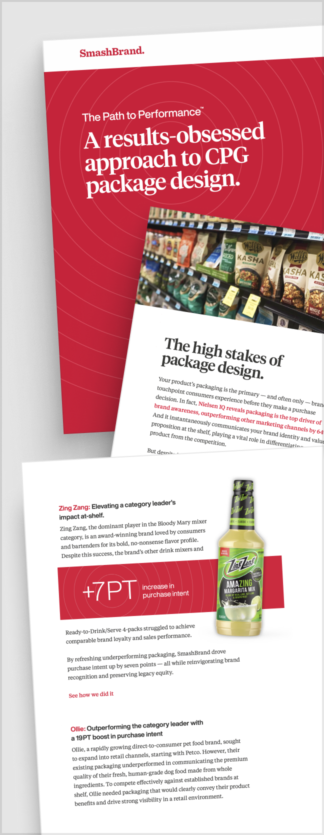
Taking a results-obsessed approach to CPG package design.
Discover how SmashBrand’s proprietary process, rooted in scientific principles, informed by data, and validated by your target audience, eliminates the guesswork from package design and delivers guaranteed results.
"*" indicates required fields
The Importance of Positioning
The importance of data-driven packaging design in strengthening brand identity for millennial consumers comes down to communicating a distinct and repeated message about your brand’s position. Hopefully, you’ve done your research (and testing) to determine what position to take and how to communicate the
We Guarantee Packaging Performance
Are you a beauty brand looking to increase retail performance? SmashBrand is a consumer testing and packaging design agency helping brands dominate the cosmetic industry. If you want your beauty product to outperform its competitors, book a time to discuss your project with our team.
Nice Package
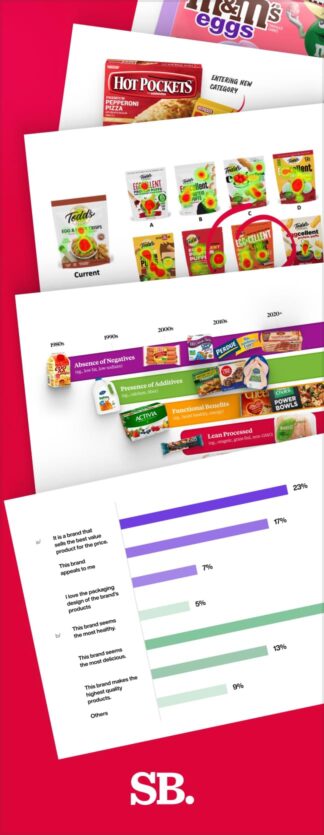
Don’t miss out on our monthly newsletter Nice Package!
Each month, we deliver a data-driven newsletter directly to your inbox, unpacking a critical topic in the FMCG & CPG industry.
"*" indicates required fields

Kevin Smith is the founder of SmashBrand, a brand development agency specializing in the CPG and FMCG sectors. Under Kevin's guidance, SmashBrand seamlessly integrates brand strategy, design, and detailed consumer testing, ensuring impactful market outcomes and enhanced sales velocities for its clients.
Key milestones in his career:
Before establishing SmashBrand, Kevin ventured into entrepreneurship with Nutri-Sport at 21. Recognizing the untapped potential in sports nutrition, he rapidly expanded to seven retail locations within a year. This success led to the formation of a distribution company serving all nutrition stores throughout Arizona.
Subsequent ventures included pioneering e-commerce stores and launching Athletic Xtreme, a globally distributed sports nutrition brand. Notably, Athletic Xtreme won BodyBuilding.com's Brand of the Year in 2006 and found its place on the shelves of major retailers, from GNC and Vitamin Shoppe to Walmart successfully exiting in 2014.
Apart from brand milestones, Kevin's journey includes commendable service as a Marine Corps veteran, where he was honored as a DOD Marine of the Year in 2001.
While leading SmashBrand and investing in budding brands, Kevin is committed to mentoring aspiring CPG entrepreneurs. His profound industry knowledge, from grasping retail trends to understanding shelf dynamics, serves as invaluable guidance for brands striving to carve out their niche.
Central to Kevin's approach is a consistent philosophy: Marry actionable, data-centric findings with proven strategies to ensure brands stand out and succeed in retail.
Subscribe to
Nice Package.
SmashBrand’s Nice Package: Stay current with our latest insights
Free Resource.

CPG product repositioning guide.
Explore the five undeniable signs your CPG product needs repositioning along with strategies for leveraging consumer insights for a guaranteed market lift.
Download Whitepaper About CPG product repositioning guide.