
 Overview
Emerging & digital-first brands often confuse what converts with what builds. Performance marketing gets mistaken for brand strategy. The result? An optimized funnel without brand equity behind it.
These brands know how to convert buyers. But when asked about their brand positioning, they can’t answer. That’s a problem for any CPG brand looking to scale.
Mistaking engagement for audience.
Most innovation processes lead with logic. They start with concept statements, RTBs, consumer need gaps, written out in decks that do their best to convince. But decision-makers don’t buy on logic alone. They need to believe. That’s where visuals come in.
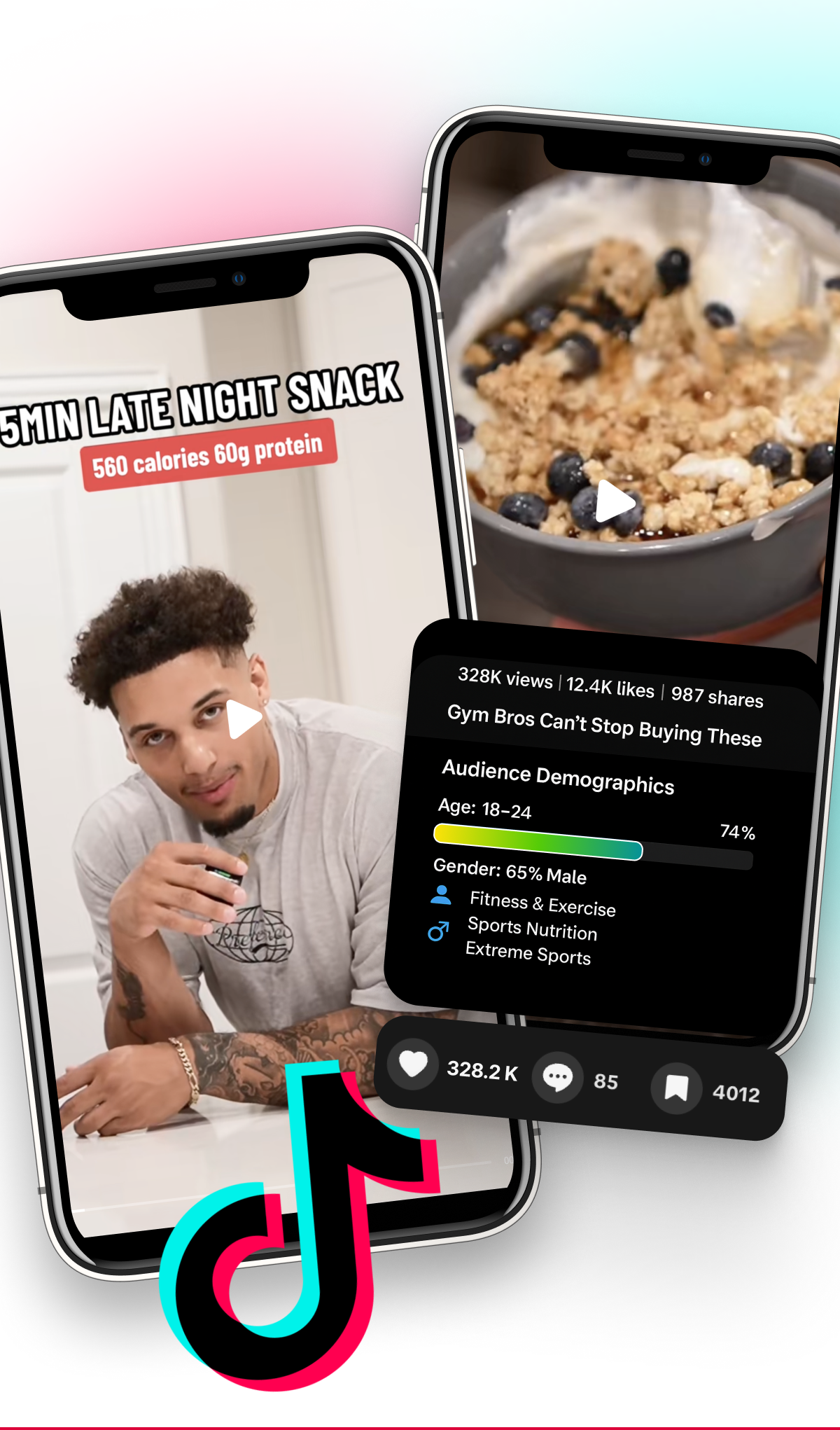
Take this hypothetical example of a better-for-you snack brand. They go live on social, push into TikTok Shop, and find their ads performing best with shift workers and fitness junkies. Messaging & pack communication shifts towards these two consumer sets (or whoever’s clicking at the time), even though they’re not the highest-value, long-term customer. This creates a problem because…
That’s not your consumer target and this mistake throttles shelf impact and costs you more in advertising. Remember, that’s just who your performance marketing rewarded this week, month, or season. It doesn’t define your target audience.
Performance tells you who’s reacting today. Positioning defines who you’re building for and how you’ll win tomorrow.
Two kinds of data—two different purposes
Ad performance data is shaped by algorithms, creative tactics, and short-term levers. It’s engineered to win the platform, not the category.
Brand positioning is different. It’s about building clear, ownable differentiation for the audience that matters most. The audience buying from your ads is already converted. They’re not the same as the new consumers you need to scale.
Performance gets attention, but it’s positioning that earns memory, preference, and repeat purchase.
At the end of the day, the small investment in understanding true market potential will save a company millions of dollars down the road.
What positioning actually does.
Positioning isn’t a tagline, a founder story, or a product feature. It’s the strategic articulation of value that connects your product’s RTB (reasons to believe) with a compelling consumer benefit and emotional payoff. All delivered in a way that’s distinct, sticky, and worth paying for.
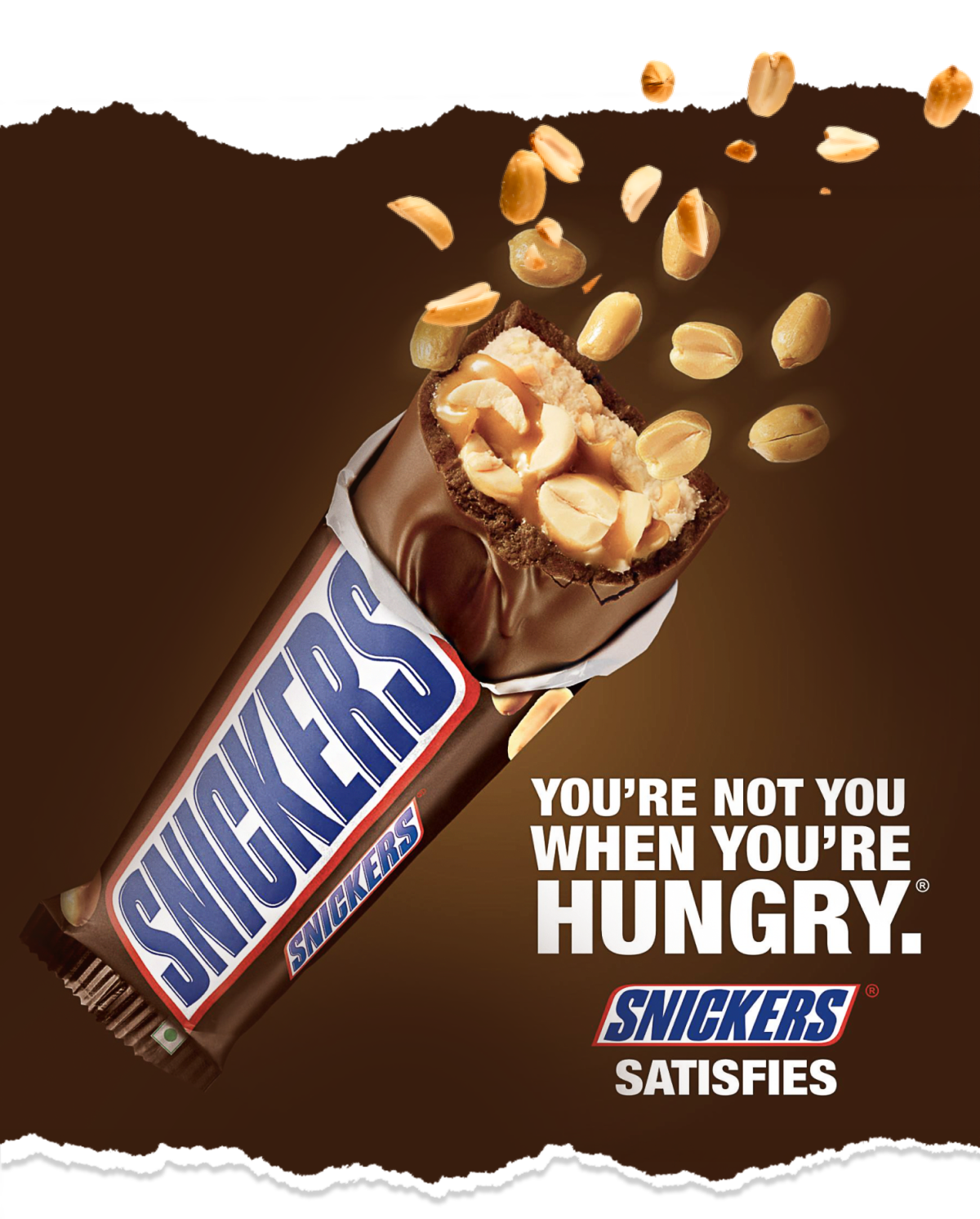
Snickers didn’t just claim to be America’s favorite candy bar. They built their brand on “Snickers Satisfies” and executed it with “You’re not you when you’re hungry.” That’s what strong positioning looks like brought to life through an iterative campaign that reinforces the core idea.
Even digital brands live on the shelf
A brand might start with DTC and have great success, but digital-first brands eventually must shift into more competitive spaces such as Amazon, Walmart.com, Instacart, Google Shopping, and generative AI recommendations. Digital shelves give consumers more options and this is where positioning becomes your edge.
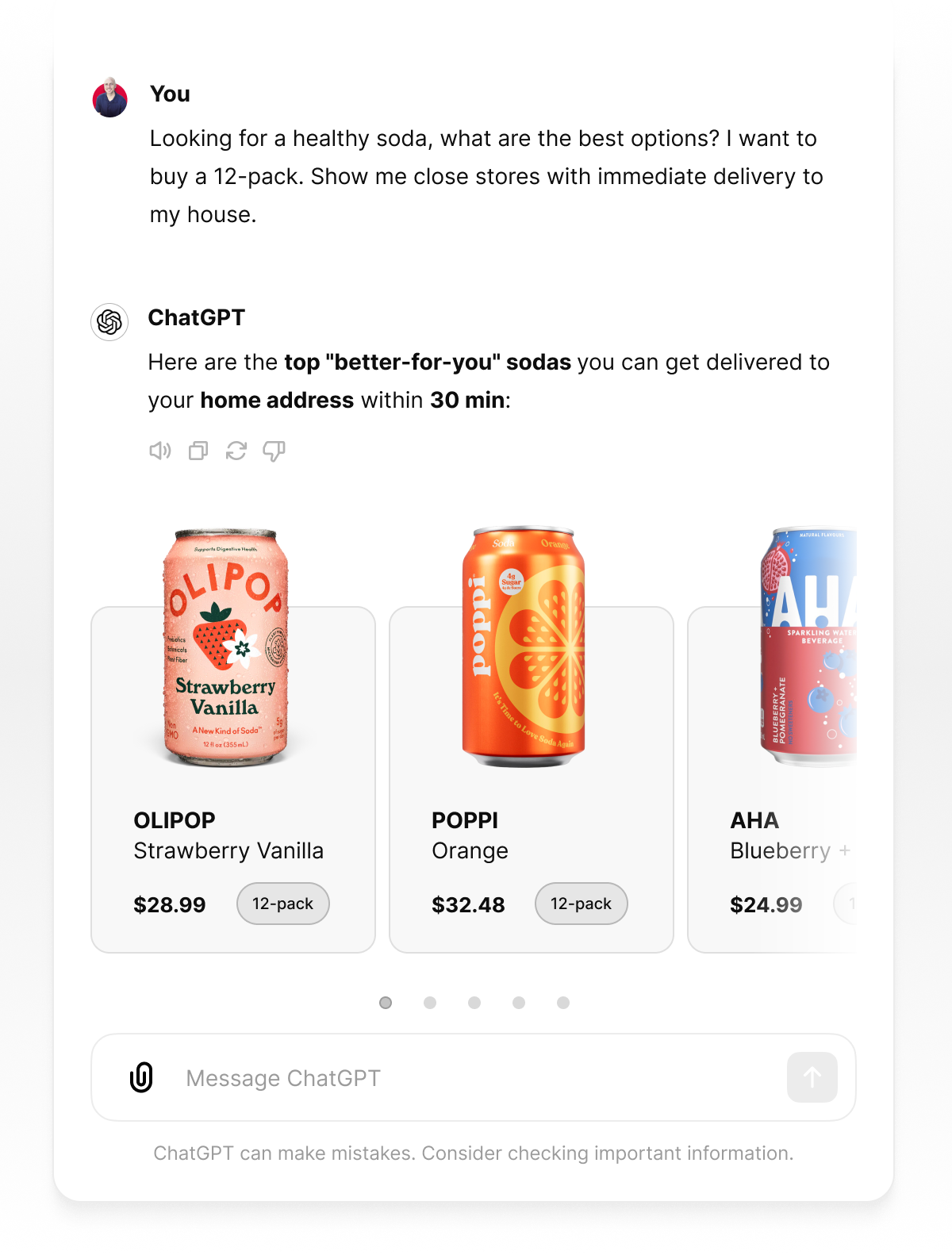
If your message doesn’t stick, shoppers walk into Walmart and grab whatever version of that same claim they remember better. Without clear positioning, your brand becomes just another interchangeable option.
The real risk is brand misattribution.
This is where performance marketing alone breaks down.
If you only lean on what performs, you risk creating brand misattribution. Functional messages work for the click, but they’re forgettable. Consumers often walk away not even knowing which brand they just bought from.
That’s the danger of confusing tactics with strategy.
Performance marketing might land the sale. But if it isn’t backed by positioning, you won’t get remembered—let alone chosen—next time.
Remember this
Positioning is your brand story that is told in a way your audience actually cares about.
It’s not a campaign. It’s not a list of features. It’s the reason your brand deserves shelf space and consumer loyalty. Delay defining it, and you risk building a business no one remembers.

A seasoned veteran in the CPG (Consumer Packaged Goods) industry, Jason Vaught brings a wealth of knowledge and hands-on experience as the director of content and marketing for SmashBrand. His comprehensive role at the forefront of brand communication ensures that CPG brands remain well-informed about the suite of services SmashBrand offers. Furthermore, his insights derived from the company's strategy, design, and testing services are invaluable to brand owners and managers seeking expert guidance.
From his early endeavors in launching a successful sports nutrition brand that gained prominence in significant bodybuilding and fitness retail spaces to his entrepreneurial ventures in kick-starting multiple brick-and-mortar and e-commerce startups across diverse industries, Jason's career is studded with substantial milestones. Notably, he has innovated numerous products later embraced by leading industry brands, showcasing his knack for anticipating market demands and setting trends.
Jason's journey in the CPG industry commenced at age 21. Over the years, he has worn multiple hats, ranging from a manufacturer and retailer to a distributor and brand owner. This multifaceted experience equips him with the rare ability to offer practical advice grounded in real-world expertise. His mission is to guide and support other CPG brand owners, directors, and managers on their path to success.
Subscribe to
Nice Package.
SmashBrand’s Nice Package: Stay current with our latest insights
Free Resource.
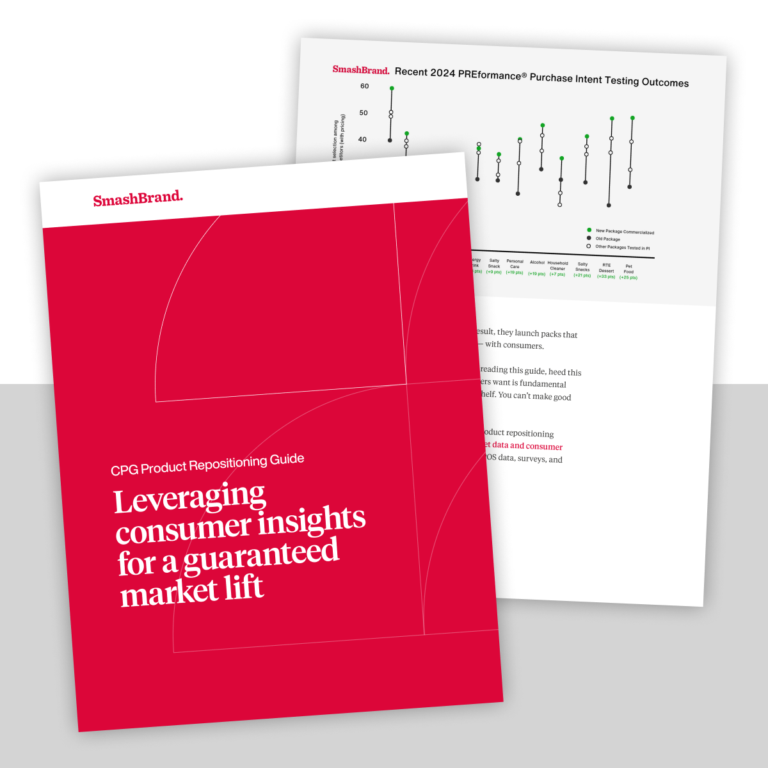
CPG product repositioning guide.
Explore the five undeniable signs your CPG product needs repositioning along with strategies for leveraging consumer insights for a guaranteed market lift.
Download Whitepaper About CPG product repositioning guide.