
 Overview
Packaging structure is a high-cost decision. Done right, it creates distinction, drives velocity, and reinforces brand identity. Done wrong, it wastes budget, breaks in the supply chain, or frustrates the user.
Big brands often get it wrong by moving too fast. Emerging brands get it wrong by moving too early.
Let’s break down when structure is worth the investment—backed by examples, real-world constraints, and a decision-making framework used by some of the fastest-growing CPG brands in the market.
Structure is worth investing in when…
1. It enables a functional advantage.
Structure matters when it solves a real consumer problem: dosing, grip, portability, or protection. If your product needs a specific form to deliver its promise, structure isn’t optional, it’s essential.
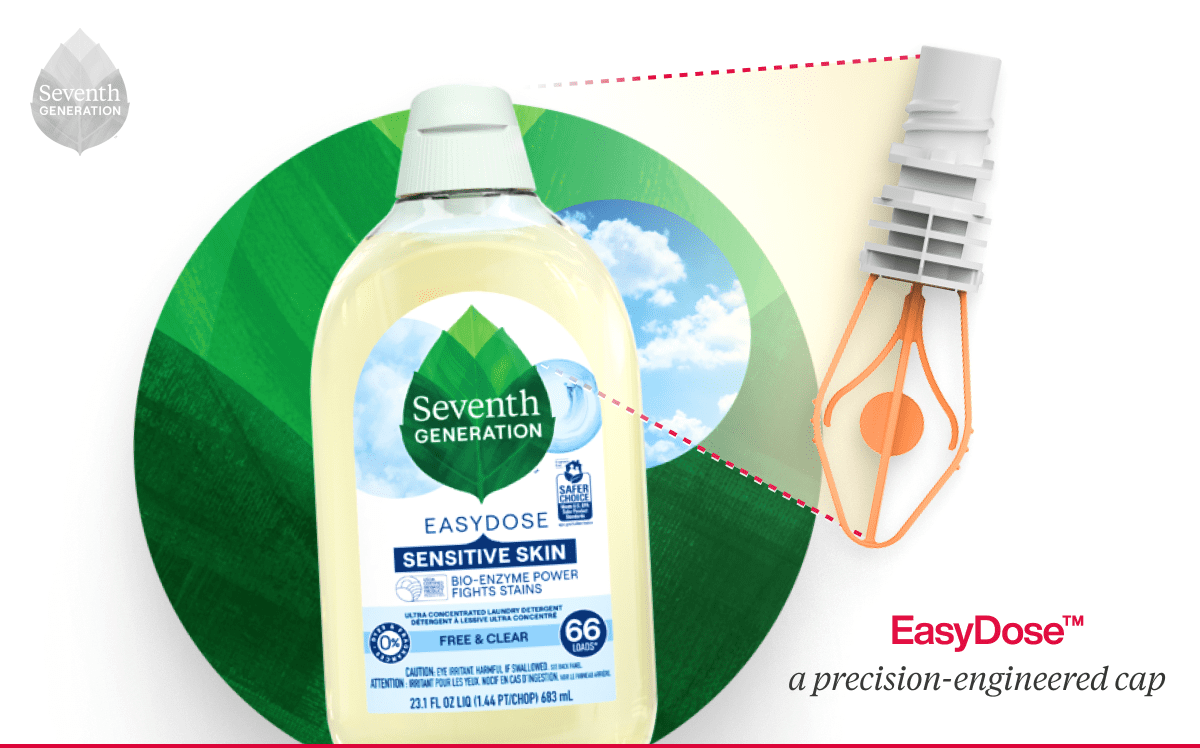
Seventh Generation’s Easy Dose cap.
A simple bottle becomes a standout through a precision-engineered cap that eliminates mess and waste. It’s not flashy but it’s functional. And it’s absolutely worth it.
2. It reinforces memory or recall.
Structural distinction can act as a shortcut to recognition. For brands in competitive sets, it helps defend loyalty and trigger preference in a fraction of a second.
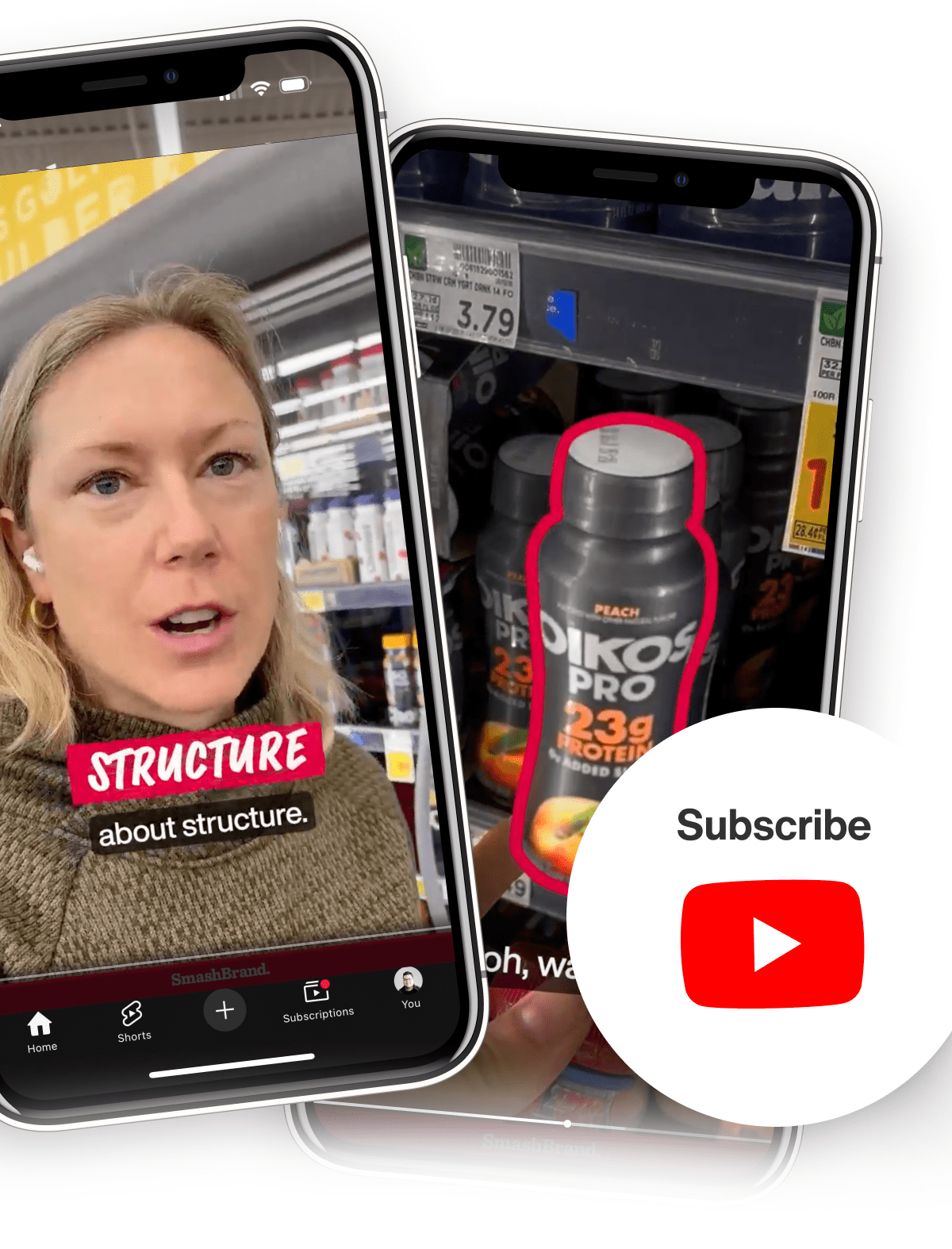
Oikos Pro.
The sculpted bottle isn’t functionally necessary, but it helped Christy remember exactly what her daughter liked. That moment of recall is the moment of conversion.
3. It’s baked into your brand identity.
Some brands require structure to signal who they are. This is especially true for brands rooted in the Creator archetype—those built on design, intentionality, and innovation.
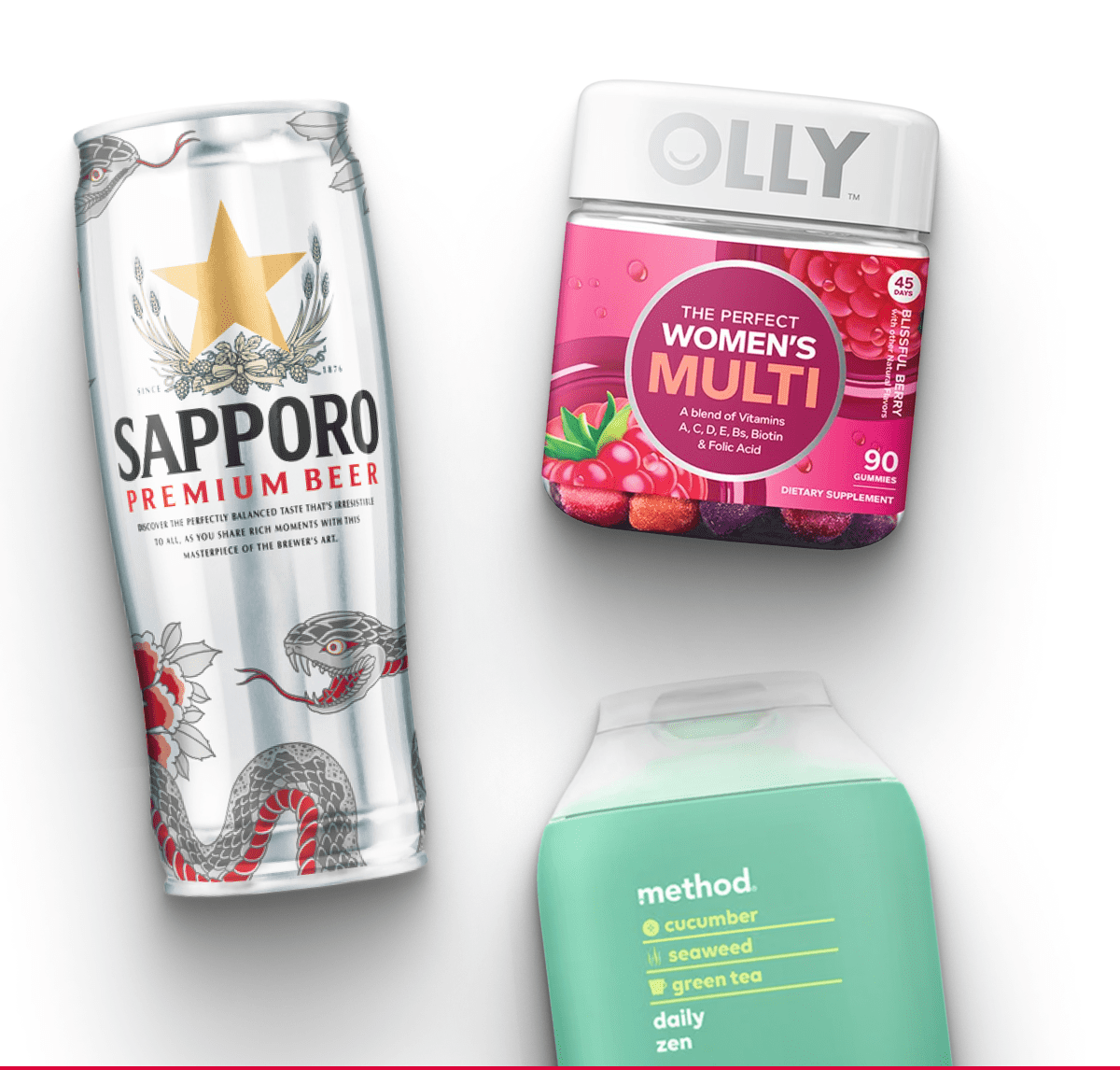
Method, Ollie Vitamins, Sapporo.
These brands didn’t need unique structures to function. They needed them to express what they stood for. Thoughtfully crafted, design-led, and visually distinct because their audiences expect that level of intentionality.
When Structure isn’t worth it
Even if the structure feels exciting, there are strategic reasons to hold off. We help brands avoid costly detours by asking the hard questions upfront.
 It compromises usability.
If the cap leaks, the bottle topples, or consumers struggle to open it, you’ve lost. Beauty can’t make up for broken function.
You’re in a low-margin or low-involvement category.
Not every product justifies a structural upgrade. Think pretzels vs. olive oil. Consumers won’t pay for form in every aisle.
High-margin categories (like supplements, olive oil, or beauty)
can support structural storytelling.
Low-involvement ones? Less so.
Your product-market fit isn’t proven yet.
Structure should amplify success, not mask uncertainty. Nail the fundamentals, including product, positioning, and pricing, before you add complexity.
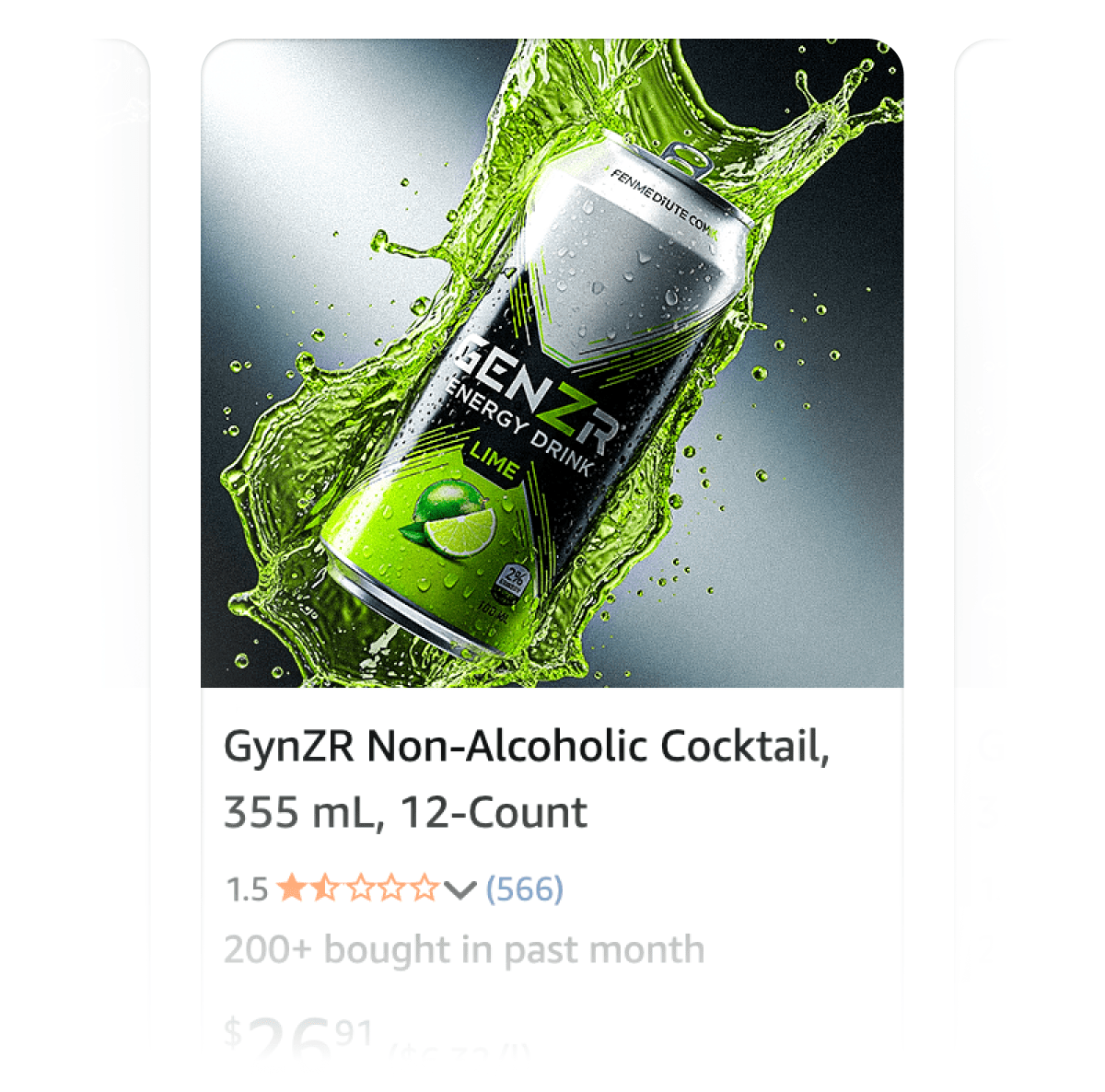
You can’t meet production minimums.
Custom molds = high MOQs and upfront capital. If you’re not producing at scale, you’re lighting money on fire.
The structure doesn’t match your brand personality.
Rational, science-based, or value-oriented brands may look tone-deaf with an overly stylized form. Archetype misalignment creates consumer disconnect.
How to Decide if Structure Is Right for You
If you’re unsure, here’s a framework we use with brand teams to evaluate structure:
Step 1: Validate your value proposition.
Structure won’t save a weak message. Make sure your positioning works before you amplify it.
Step 2: Clarify packaging intent—Function or Style?
What job is the structure doing? If it’s not adding value, it’s just adding cost.
Step 3: Test early, and in context.
Use retail simulations. If your structure doesn’t increase attention, engagement, or purchase intent, skip it.
Step 4: Align with brand archetype.
Creator brands demand structural expression. Value brands? Not always. Let identity drive design.
Step 5: Run usability and operations checks.
Engineering, fulfillment, shipping, in-home experience. If any of those fail, your structure fails—no matter how good it looks.
Step 6: Get the timing right.
Structure is a growth-stage move. Launching? Test the market first. Scaling? This could be the edge you need.
Remember
Packaging structure isn’t a creative indulgence; it’s a calculated move. It either supports your brand strategy or undermines it. The best structure decisions are driven by:
- Category dynamics
- Consumer behavior
- Brand identity alignment
- Operational feasibility
Skip the guesswork.
Use these filters to decide if the structure belongs in your near or
long-term growth plan.

A seasoned veteran in the CPG (Consumer Packaged Goods) industry, Jason Vaught brings a wealth of knowledge and hands-on experience as the director of content and marketing for SmashBrand. His comprehensive role at the forefront of brand communication ensures that CPG brands remain well-informed about the suite of services SmashBrand offers. Furthermore, his insights derived from the company's strategy, design, and testing services are invaluable to brand owners and managers seeking expert guidance.
From his early endeavors in launching a successful sports nutrition brand that gained prominence in significant bodybuilding and fitness retail spaces to his entrepreneurial ventures in kick-starting multiple brick-and-mortar and e-commerce startups across diverse industries, Jason's career is studded with substantial milestones. Notably, he has innovated numerous products later embraced by leading industry brands, showcasing his knack for anticipating market demands and setting trends.
Jason's journey in the CPG industry commenced at age 21. Over the years, he has worn multiple hats, ranging from a manufacturer and retailer to a distributor and brand owner. This multifaceted experience equips him with the rare ability to offer practical advice grounded in real-world expertise. His mission is to guide and support other CPG brand owners, directors, and managers on their path to success.
Subscribe to
Nice Package.
SmashBrand’s Nice Package: Stay current with our latest insights
Free Resource.
CPG product repositioning guide.
Explore the five undeniable signs your CPG product needs repositioning along with strategies for leveraging consumer insights for a guaranteed market lift.
Download Whitepaper About CPG product repositioning guide.