
 Overview
When the existing brand identity starts to lose its spark, companies need a strategic realignment of brand messaging, visual appeal, and value proposition, or, in other words, brand repositioning. But what is brand repositioning in the first place? What are its risks, and how can it be helpful for market growth?
Brand repositioning isn’t just a marketing strategy; it’s the difference between thriving and being forgotten. It is a tool that allows companies to reshape consumer perceptions, shed off negative associations, or capture new markets. An effective brand repositioning strategy, supported by thorough market research, can turn lagging performance into undeniable growth.
Why Does Brand Repositioning Matter?
Brand repositioning matters because rapid product innovation, shifting consumer trends, and growing expectations for transparency are reshaping the landscape. A stagnant brand identity can quickly lose relevance. By implementing a tangible repositioning strategy, brands can refine their position, align with the target market’s evolving needs, and secure their competitive position.
A successful brand repositioning strengthens brand equity, allowing companies to expand into new segments. Whether redefining a brand name or integrating a bold digital marketing approach, repositioning ensures brands remain agile, impactful, and aligned with consumer demands.
Key Drivers of Brand Repositioning
Companies may reposition their identity for several reasons. The following are some of the main drivers behind brand repositioning:
Changing Consumer Preferences: Brands often reposition to align with shifting customer perceptions, such as health consciousness, environmental concerns, and lifestyle trends. Emphasizing transparency, clean ingredients, and sustainable practices can transform brand perception and build loyalty.
Competitive Pressures: In crowded markets, brands need clear differentiation to avoid confusion. Repositioning helps companies establish a unique identity, making it easier for consumers to recognize and connect with the brand rather than competitors.
Market Expansion Opportunities: When targeting new demographics or entering new regions, brands often adjust their positioning to resonate with local tastes or specific consumer needs. This expansion-driven repositioning enables brands to broaden their customer base effectively.
Brand Fatigue or Declining Sales: Declining sales or stagnant growth signal that a brand’s message may feel outdated. Repositioning reinvigorates the brand, appealing to evolving consumer interests and modernizing its appeal to spark renewed engagement and drive sales.
How To Successfully Reposition a Brand?
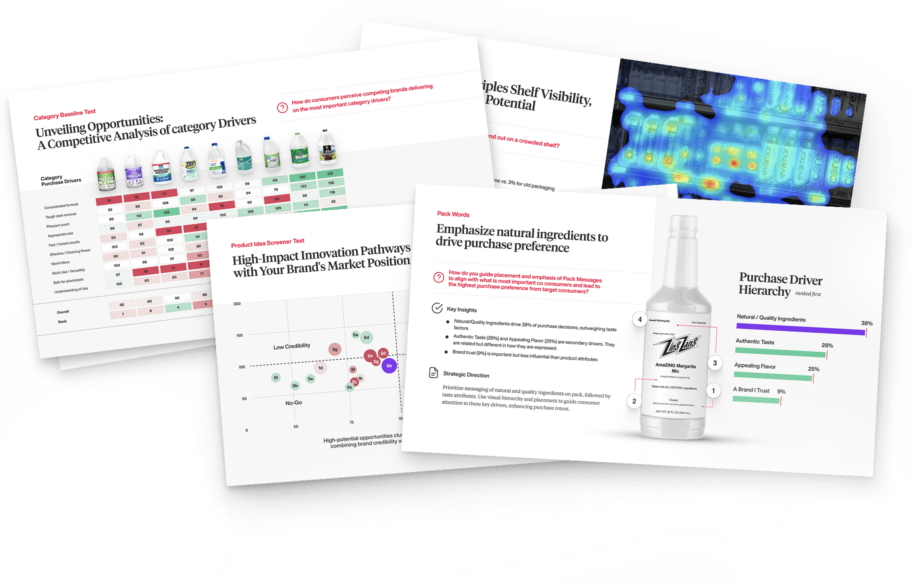
Changing an existing brand identity can be risky if the strategy is not executed correctly. It risks diluting the existing customer base and causing a decline in sales performance, as Tropicana faced. To avoid such missteps, companies must follow these steps to reposition a brand successfully:
Audience Insight
Every sharp rebrand starts with what the audience actually thinks. Use deep brand research to uncover what drives decisions, where competitors overdeliver, and where they leave gaps. Whether it’s brand repositioning in the tech industry or business repositioning in a legacy category, insight is your edge.
Real-time data should guide your new brand position and shape brand repositioning strategies that reflect what your audience values right now. The goal: a branding strategy that feels earned, not engineered. That’s how you increase brand awareness, create space for brand extension, and build a brand strategy that actually delivers.
Authentic Brand Story
A substantial brand repositioning sharpens your brand story. The goal is to evolve in a way that meets consumer expectations without losing the values that built your brand in the first place. According to the brand repositioning definition, this process isn’t just visual or verbal; it’s strategic. It’s about shaping a narrative that reflects your new market fit while deepening relevance and trust. Repositioning in marketing only works when the story still feels real. And when it does, awareness and loyalty follow.
Value Proposition Shift
Update the brand’s value proposition to highlight new benefits, quality, and emotional appeal, strengthening product positioning within the market. This refined positioning creates a clear competitive edge in product marketing and helps consumers understand the new brand identity.
Visual and Messaging Consistency
Repositioning in marketing fails fast when visuals and messaging don’t match. The brand repositioning definition isn’t just about shifting strategy; it’s about aligning every signal consumers see, from packaging to posts.
Strong brand repositioning examples don’t leave room for confusion. They build trust through repeatable cues and clarity at every touchpoint. That means a unified look, tone, and message across shelf, digital, and social.
Brand positioning and repositioning demand precision. So if you’re refreshing your brand, work with a brand repositioning agency that treats consistency as a growth tool.
What Are the Risks of Repositioning a Brand?
Repositioning sounds like progress, but when mishandled, it’s expensive, disruptive, and complicated to undo. Without a clear strategy, what starts as brand rejuvenation quickly turns into market confusion. Here’s where most brand repositioning efforts go off track:
Losing the Thread: Every successful brand builds from a strong foundation. A rushed product repositioning can weaken current brand positioning, blur brand meaning, and erode the competitive advantage you’ve already earned. Rebrands that ignore what made the brand resonate in the first place rarely land.
Confusing Your Core Audience: Poorly executed market repositioning creates gaps in brand education. If your messaging shift isn’t precise, existing customers get left behind, and potential new ones don’t connect either. That’s not growth. That’s churn.
Breaking Brand Trust: When branding strategy insiders chase trends over truth, authenticity takes a hit. Inconsistency between old and new signals can damage perception and reduce relevance, especially in a new market where you’re still earning credibility.
Internal Misalignment: A positioning strategy that doesn’t bring internal teams along the journey stalls before it scales. Resistance within brand management is a common byproduct of skipping alignment steps, such as a focused brand positioning workshop or a structured rollout plan.
Strategic Drift: Brand extensions without a strong strategic fit can dilute both message and impact. If your product line outgrows your core promise, the brand’s position weakens across the board.
Missing the Consumer Signal: The most significant risk in any brand repositioning effort? A move that doesn’t reflect the market. Without consumer testing and data-backed insight, brands position themselves for failure by talking at audiences instead of building with them.
Execution Misfires: Brand growth hinges on consistency. If your repositioning strategy doesn’t translate across content marketing, product design, and packaging, you end up with fragmentation instead of focus.
Repositioning can unlock market share and long-term momentum, but only with the proper framework. Build from insight, validate each step, and align teams from day one. When your strategy is as sharp as your execution, repositioning becomes your edge.
Conclusion
Brand repositioning, also known as brand renewal, isn’t a creative refresh. It’s a strategic move to win. When done right, it sharpens brand position, strengthens relevance, and unlocks new growth.
Successful repositioning doesn’t abandon what worked. It evolves it, shaping a lifestyle brand that speaks directly to shifting consumer preferences. This is brand positioning and repositioning working in sync to protect equity while creating momentum.
Staying relevant takes more than instinct. It demands a brand repositioning strategy built on insight, rigor, and real alignment across every touchpoint. That’s why leading brands turn to a brand repositioning agency that knows how to drive results.
If you want to lead the category, not just survive in it, reposition with intent.
Nice Package
Don’t miss out on our monthly newsletter Nice Package!
Each month, we deliver a data-driven newsletter directly to your inbox, unpacking a critical topic in the FMCG & CPG industry.
"*" indicates required fields
Data-Driven Brand Repositioning for Low Risk and Maximum Reward
If you are looking for an agency that can help you define and execute new positioning that attracts more potential customers, we can help. SmashBrand is a brand development agency for CPG brands. Our PathToPerformance™ process guarantees a performance lift.

A seasoned veteran in the CPG (Consumer Packaged Goods) industry, Jason Vaught brings a wealth of knowledge and hands-on experience as the director of content and marketing for SmashBrand. His comprehensive role at the forefront of brand communication ensures that CPG brands remain well-informed about the suite of services SmashBrand offers. Furthermore, his insights derived from the company's strategy, design, and testing services are invaluable to brand owners and managers seeking expert guidance.
From his early endeavors in launching a successful sports nutrition brand that gained prominence in significant bodybuilding and fitness retail spaces to his entrepreneurial ventures in kick-starting multiple brick-and-mortar and e-commerce startups across diverse industries, Jason's career is studded with substantial milestones. Notably, he has innovated numerous products later embraced by leading industry brands, showcasing his knack for anticipating market demands and setting trends.
Jason's journey in the CPG industry commenced at age 21. Over the years, he has worn multiple hats, ranging from a manufacturer and retailer to a distributor and brand owner. This multifaceted experience equips him with the rare ability to offer practical advice grounded in real-world expertise. His mission is to guide and support other CPG brand owners, directors, and managers on their path to success.
Subscribe to
Nice Package.
SmashBrand’s Nice Package: Stay current with our latest insights
Free Resource.
CPG product repositioning guide.
Explore the five undeniable signs your CPG product needs repositioning along with strategies for leveraging consumer insights for a guaranteed market lift.
Download Whitepaper About CPG product repositioning guide.