
 Overview
In CPG, breakthrough ideas don’t fail exclusively because of poor consumer demand. Often, they fail in the boardroom due to executive disapproval.
If you’ve been a part of a big CPG, you know the scenario. The concept is strong, and the research looks promising. Your consumer need is validated, and the value prop is clear. But the internal approval process brings this fast moving innovation to a halt.
The truth is, your internal team isn’t immune to the same forces that move your end consumer. And this is the part many brand leaders (even experienced ones) forget:
The unlock is understanding that seeing is believing.
To move a product effectively through a stage-gate innovation process, it’s not enough to have a compelling idea. You have to make it look real.
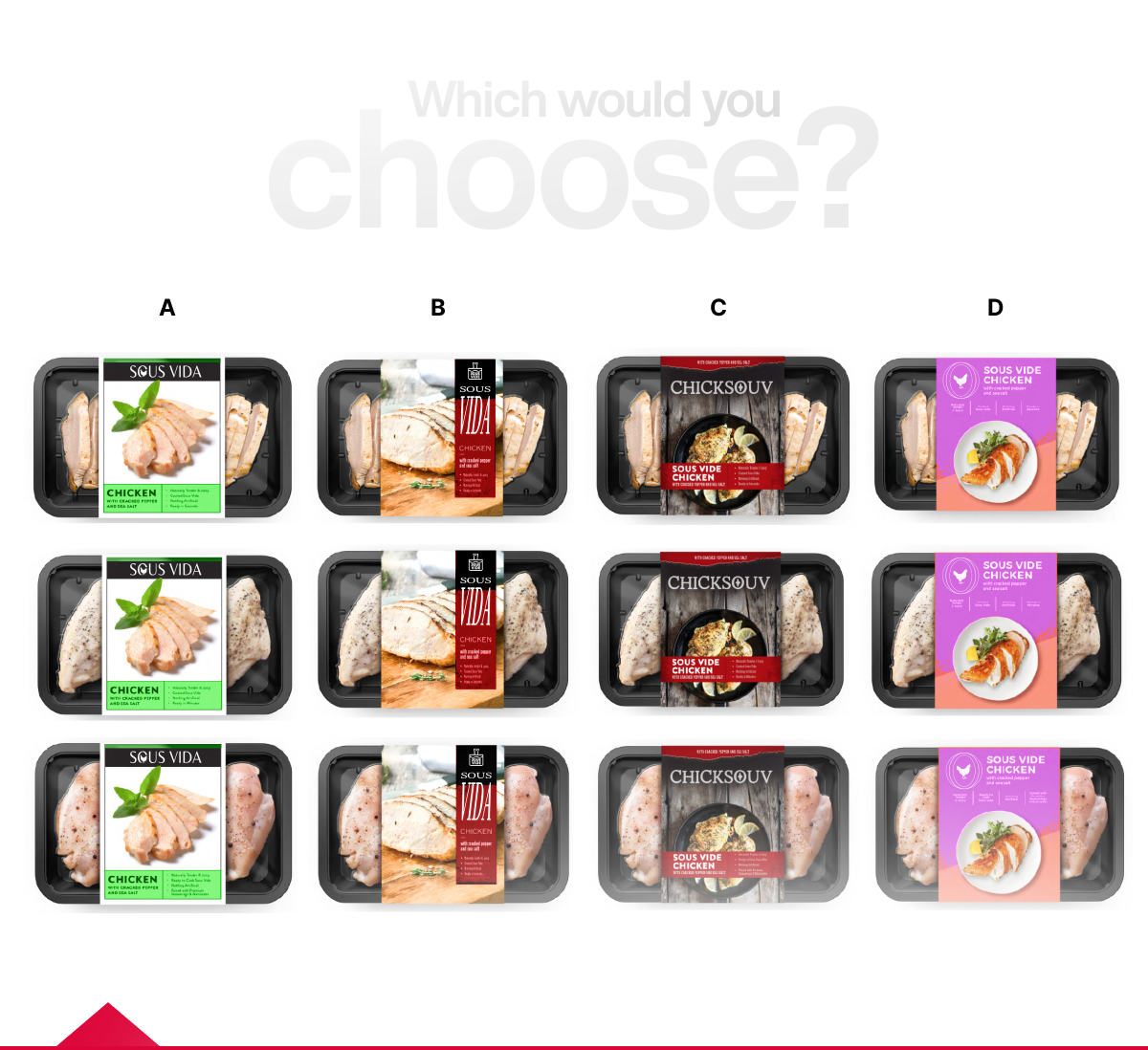
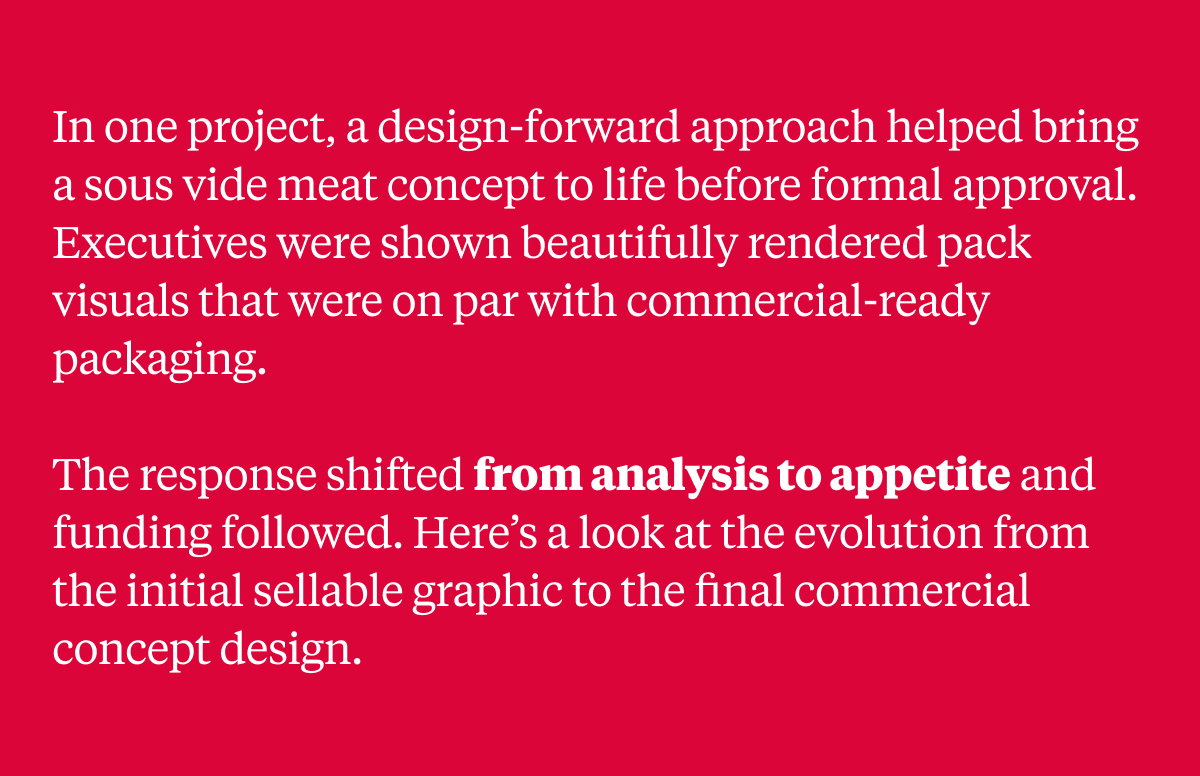
Make it real and make it early.
Most innovation processes lead with logic. They start with concept statements, RTBs, and consumer need gaps, written out in decks that do their best to convince. But decision-makers don’t buy on logic alone. They need to believe. That’s where visuals come in.
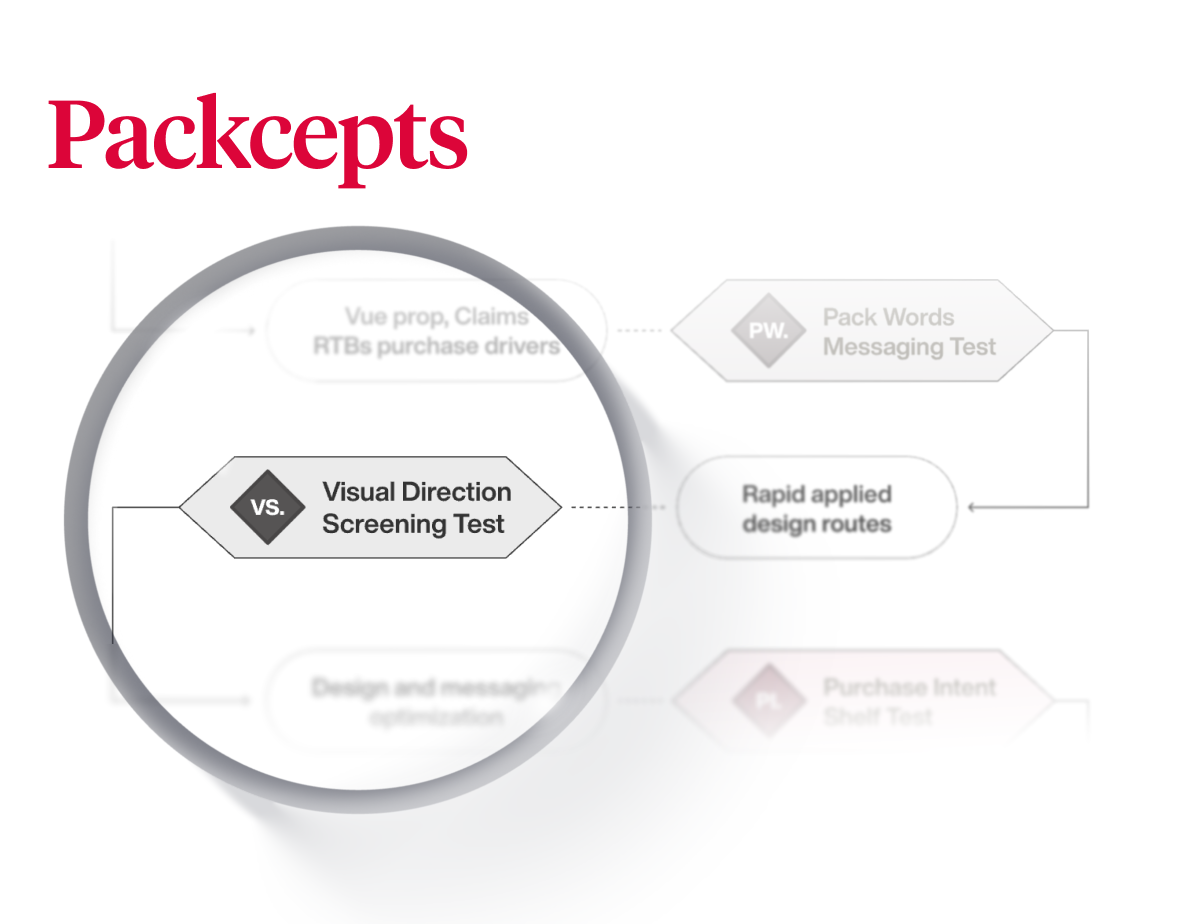
Packcepts—what we call commercial-quality design mockups bring your innovation ideas to life early in the process. Not just to impress your team, but to produce better consumer testing, streamline development, and unlock budget.
The big wins from visualizing sooner.
1. Executive buy-in or more understandable rejections.
Early visuals create an emotional bridge between the idea and its commercial potential. Executives stop asking “Is this viable?” and start asking “When can we launch?” You need stunning visuals, but you need them integrated with strategic and product realities. Otherwise, you’re setting your team up for a hard (and expensive) no.
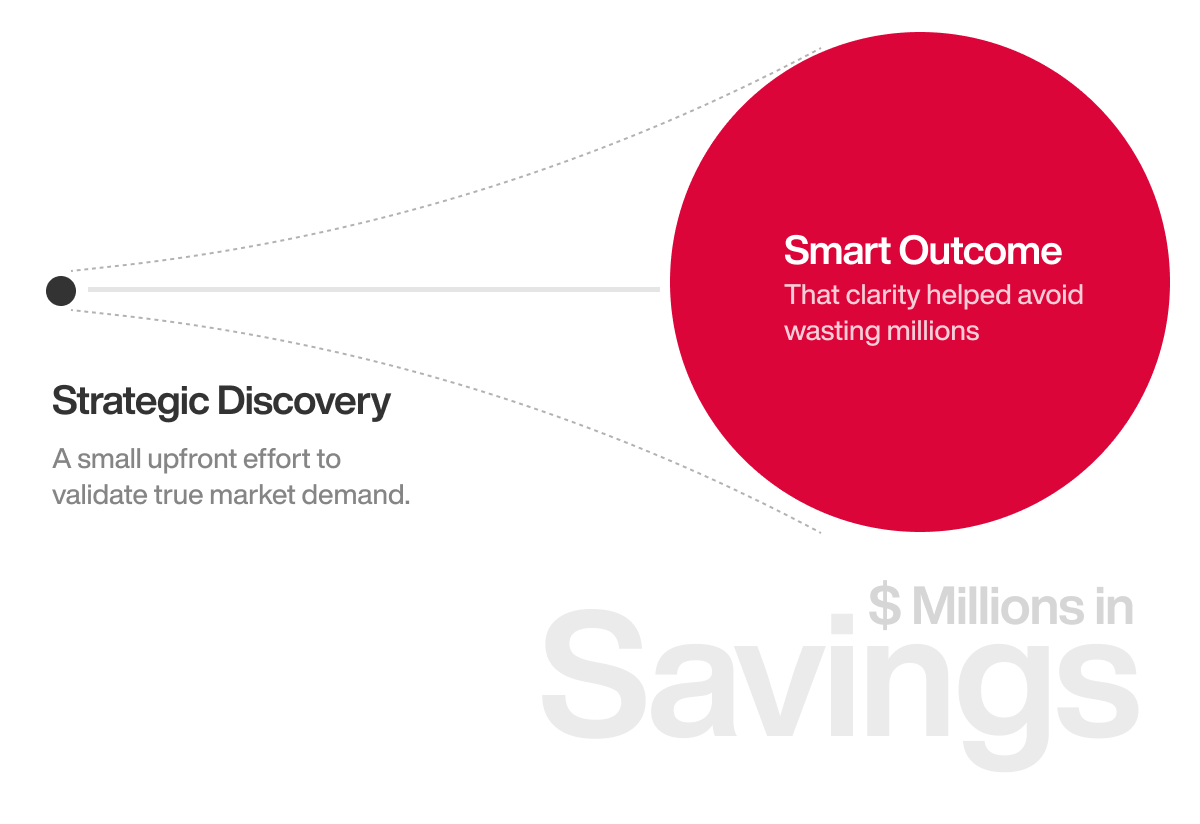
At the end of the day, the small investment in understanding true market potential saved the company millions of dollars down the road.
2. Better consumer testing.
Consumers don’t respond to ideas without some level of subjectivity; they react to packaging where true purchase intent occurs. If your testing stimuli looks flat, generic, or conceptual, you’re not getting a read on the actual in-market potential. You’re testing a hunch in a vacuum.
Showing consumers within the target audience packaging that feels real, and provides feedback that is real.
3. Shorter timelines.
Waiting to bring in design creates unnecessary lag. You lose time in cross-functional handoffs, internal debate, and rounds of rework when the product doesn’t match the original test results. Pulling design forward accelerates approvals and cuts friction. The product that looks finished moves faster.
4. Smarter spend.
Commercial concept designs might seem like a downstream cost, but done right, they become a budget efficiency tool. By combining design and testing early, you avoid wasting time and money on concepts that weren’t visually strong enough to win. Relative to a million-dollar launch, spending 10–15% upfront on consumer-ready visuals is not a risk. It’s a safeguard.
Our Integrated Approach
At SmashBrand, we don’t treat innovation, positioning, design, and testing as separate silos. We’ve built an integrated, stage-gated process where visuals, strategy, and consumer data evolve together. That’s how we create brands that feel intuitive to consumers, internal teams, and the executives who greenlight them.
Our innovation pathway does more than create pretty mockups, but is part of our larger data-driven, consumer-validated process that predicts what will work in the market and what won’t.

A seasoned veteran in the CPG (Consumer Packaged Goods) industry, Jason Vaught brings a wealth of knowledge and hands-on experience as the director of content and marketing for SmashBrand. His comprehensive role at the forefront of brand communication ensures that CPG brands remain well-informed about the suite of services SmashBrand offers. Furthermore, his insights derived from the company's strategy, design, and testing services are invaluable to brand owners and managers seeking expert guidance.
From his early endeavors in launching a successful sports nutrition brand that gained prominence in significant bodybuilding and fitness retail spaces to his entrepreneurial ventures in kick-starting multiple brick-and-mortar and e-commerce startups across diverse industries, Jason's career is studded with substantial milestones. Notably, he has innovated numerous products later embraced by leading industry brands, showcasing his knack for anticipating market demands and setting trends.
Jason's journey in the CPG industry commenced at age 21. Over the years, he has worn multiple hats, ranging from a manufacturer and retailer to a distributor and brand owner. This multifaceted experience equips him with the rare ability to offer practical advice grounded in real-world expertise. His mission is to guide and support other CPG brand owners, directors, and managers on their path to success.
Subscribe to
Nice Package.
SmashBrand’s Nice Package: Stay current with our latest insights
Free Resource.
CPG product repositioning guide.
Explore the five undeniable signs your CPG product needs repositioning along with strategies for leveraging consumer insights for a guaranteed market lift.
Download Whitepaper About CPG product repositioning guide.