
 Overview
Did you know that 90% of CPG brands fail within the first two years? This is often the result of weak brand positioning. But having a distinct position in the market doesn’t happen by chance, to get there you need a structured plan…or a template if you will. That’s why in this article, we are going to provide a brand positioning template that you can follow.
A robust brand positioning template articulates your unique value proposition and guides your brand strategy. It streamlines the process and ensures your brand resonates with your ideal customers. In this fiercely competitive landscape, a well-defined brand positioning template is no longer a luxury but a necessity.
This article will discuss the critical components of an effective brand positioning framework and design a practical template. You will learn the basics of brand positioning, market research, finding customers’ pain points, and developing and implementing an effective brand strategy. So, with that said, let’s get into it!
Market Research and Analysis
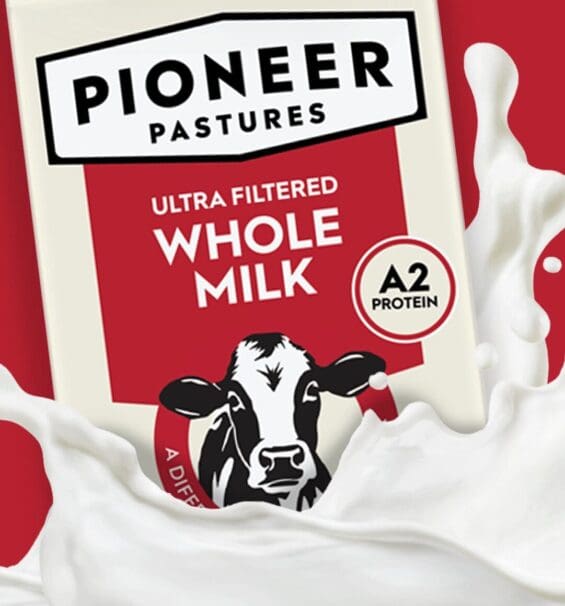
An effective brand positioning process starts with in-depth market research and analysis. The more companies know about their target audience and needs, the better they can position themselves. First, companies must develop an ideal customer persona, then search for platforms where their target customers usually hang out.
Conduct extensive research to uncover customer demographics, psychographics, preferences, pain points, and buying behaviors. Use primary research methods such as surveys, focus groups, and interviews, as well as secondary research from industry reports and online data sources.
Closely monitor the latest market positioning trends, emerging consumer behaviors, and industry shifts. Analyze data from various sources, including industry reports, trade publications, and social media conversations. It will help you anticipate changes and adapt your product management and strategy template accordingly.
Target Market and Customer Segmentation
After an in-depth market survey, the next step is to segment customers based on their demographics, psychographics, and behavior. This process ensures that your brand resonates with the right audience and addresses their needs and preferences. Start by developing detailed buyer personas.
These personas are fictionalized representations of your key customer segments. They should include demographic information, psychographic traits, behavior patterns, pain points, and buying motivations. Segment the target market based on various criteria. This process involves grouping customers with similar characteristics, needs, and behaviors into distinct segments.
| Segmentation | Description |
| Demographic | Divide your market based on age, gender, income, education, and location. |
| Psychographic | Group customers based on their values, interests, lifestyle, and personality traits. |
| Behavioral | Segment customers based on purchasing habits, product usage, brand loyalty, and decision-making processes. |
Segmenting the target market allows you to tailor your brand positioning framework and messaging to a specific group. It increases the likelihood of capturing their attention and driving engagement. Focus on segments that closely align with your business goals.

Competitive Analysis and Differentiation
After defining the target market and customer segments, it is time to evaluate your competition and identify your unique selling proposition (USP). Carefully analyze your competitor’s strengths, weaknesses, and positioning. Understand which brand positioning strategies they are using. Learn about their product offerings and customer perceptions.
Leverage insights from market research, brand audit, and competitor evaluation to determine what differentiates your brand. Your USP must clearly and concisely highlight your products’ unique benefits and value. Consider the following factors when identifying your USP and competitive advantage:
- Product or service features and benefits
- Customer experience and service offerings
- Pricing and value proposition
- Brand personality and values
- Expertise or specialized knowledge
Once you have identified your USP and competitive advantage, incorporate them into your overall brand positioning strategy.
Crafting Brand Positioning Statement
Crafting a compelling brand positioning statement is the culmination of the previous steps. It serves as the foundation for your entire branding and marketing efforts. This statement must clearly articulate your brand’s value proposition and key benefits, positioning it to resonate with your target audience.
To craft an effective positioning statement, identify the core value proposition for its target audience. What unique benefits or advantages does your product or service provide? Consider factors such as product features, quality, pricing, customer experience, and brand values that set you apart from competitors.
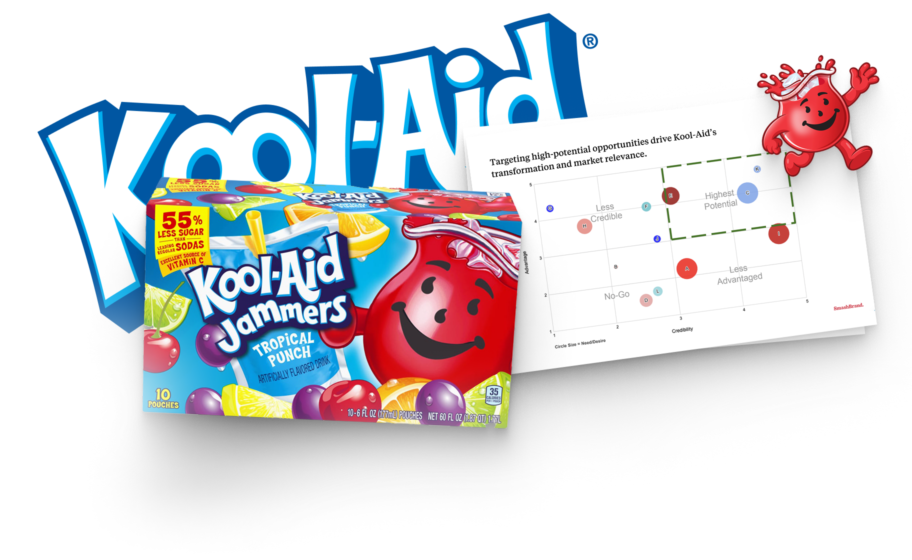
Use data from market research, competitive analysis, and the brand positioning map to develop a compelling, concise positioning statement. This statement must communicate the following:
- Your target audience or customer segment
- The unique benefits or value proposition you offer
- The key differentiators that set you apart from competitors
- Your brand’s personality or tone
A strong positioning statement typically follows this structure:
“For [target audience], [brand name] is the [value proposition] that [unique benefit or advantage] because [reason or supporting evidence].”
For example, “If you’re seeking clean and healthy ingredients in your body care routine, Organic Bath Co. offers a line of organic and natural skincare products you can feel good about using. Trust in Organic Bath Co. for clean, uncomplicated ingredients that will leave you feeling rejuvenated and cared for.”
Integrating Brand Positioning into Strategy
Integrating your brand position into every aspect of your strategy ensures consistency. It reinforces your unique value proposition across all customer touchpoints. Here’s how you can effectively align your marketing, product development, and customer support efforts with your brand positioning:
Marketing Alignment: Your marketing efforts must consistently communicate your target audience, key benefits, and differentiators, as outlined in your brand positioning statement.
Product Development Alignment: Your brand must fulfill its commitments to customers. To accomplish this, engage cross-functional teams, including product management, design, and engineering. It will ensure new product features, improvements, or innovations are consistent with your brand value proposition.
Customer Support Alignment: Ensure your customer support and service experiences align with your brand’s positioning and value proposition. You must train your customer-facing teams to reflect your brand’s personality and tone effectively. Equip them with the knowledge and tools they need to communicate your key benefits and differentiators efficiently.
Consistent Customer Experience: Ensure that every touchpoint along the customer journey, from initial awareness to post-purchase support, consistently reflects your brand positioning. It includes your website, social media channels, sales processes, packaging, and after-sales support.
Continuous Monitoring and Refinement: Regularly monitor customer feedback, market trends, and competitor activities to ensure your brand positioning remains relevant and practical. Be prepared to refine your positioning statement and strategy to adapt to changing customer needs and market dynamics.
Developing Brand Guidelines and Templates
A comprehensive brand guideline establishes a cohesive and consistent brand identity across all touchpoints. This process involves developing a comprehensive document that serves as a roadmap for presenting the brand uniformly to the target audience.
To develop consistent brand guidelines and messaging, start by defining your brand’s core values, personality, and tone of voice. Build messaging templates that capture the essence of your brand. Ensure smooth and coherent communication across all channels, including website copy, social media, marketing collateral, and customer support interactions.
These templates must align with your brand positioning statement and reflect your unique value proposition. Define guidelines for logo usage, including specifications for color variations, clear space, and minimum size requirements. Establish a cohesive color palette that reflects the brand’s personality and resonates with your target audience.
Pick a primary color scheme and complementary accent colors. Provide clear guidelines on their appropriate usage across various media. Select a typography system that aligns with your brand’s personality and ensures legibility and consistency across all brand touchpoints.
Incorporate Brand Positioning Best Practices.
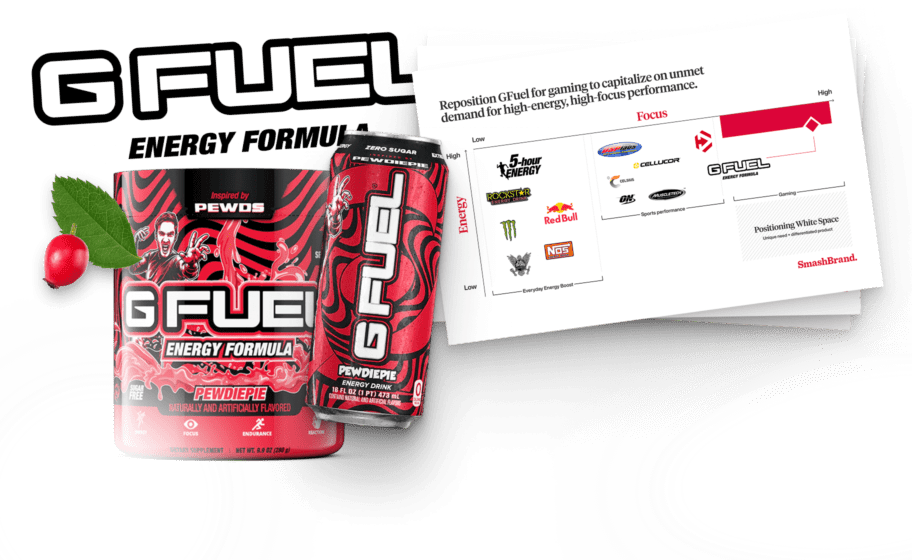
Study top brand positioning examples within your niche and incorporate their best practices within your guidelines. Also, provide clear examples of how your brand must be presented in various contexts.
These examples should showcase your value proposition and differentiate you from other brands. Illustrate how your messaging, visuals, and overall brand experience must align with your target market’s needs and expectations.
Collaborate with cross-functional teams. Involve stakeholders from various departments, including sales, marketing, product management, digital marketing, and brand consulting, in the process. Their insights and expertise can help ensure the crafting of comprehensive and practical guidelines. After finalizing the brand guidelines, distribute them across your organization.
Ensure that all teams have access to the latest version. Provide training and resources to help them understand and implement the guidelines in their respective roles.

Nice Package
Don’t miss out on our monthly newsletter Nice Package!
Each month, we deliver a data-driven newsletter directly to your inbox, unpacking a critical topic in the FMCG & CPG industry.
"*" indicates required fields
Monitoring and Refining Your Brand Positioning
Building and implementing an effective brand positioning strategy is not enough. The consumer market is a dynamic place where the target audience’s interests evolve with time. Therefore, you must have an effective feedback system to measure your strategy’s performance. You must use real-time data to fine-tune your approach to adopt new market trends.
This way, your brand will remain competitive, resonate with your target audience, and maximize brand equity.
Gathering Customer Feedback
Use surveys, social media polls, focus groups, and niche-related forums to reach your target audience. Prepare practical, relevant questionnaires to gather customer feedback. Listen to their experiences and pain points. This valuable insight will identify areas where your positioning may need to be adjusted to align with evolving customer needs and preferences.
Conduct Ongoing Research
Positioning erodes when research stops. Continuous analysis of consumer behavior, category shifts, and competitor movements keeps your strategy grounded in reality rather than assumptions. Use a disciplined brand positioning template and market positioning template to reassess where you win and where you’re vulnerable.
Your brand positioning statement template shouldn’t collect dust. It should evolve based on evidence. Apply structured brand positioning templates alongside a monitoring template to track brand performance and positioning and identify gaps early. Ongoing research protects competitive advantage by ensuring your positioning stays sharp, relevant, and performance-driven.
Monitor Brand Performance Metrics
Track and observe key performance indicators related to your brand positioning, such as customer acquisition, retention, and loyalty rates. Analyze sales data, website analytics, and social media engagement to identify potential areas for improvement or opportunities for repositioning.
Evaluate whether or not your current brand position aligns with your overall marketing strategy and business objectives. Ensure that your positioning supports your brand perception and helps you achieve your short- and long-term goals.
Here are some metrics to track:
| Metric | Description |
| Brand Awareness | Value is based on consumers’ perception, recognition, and loyalty and its impact on a company’s financial performance. |
| Brand Equity | Value is based on consumers’ perception, recognition, loyalty, and impact on a company’s financial performance. |
| Brand Loyalty | Customers’ commitment and attachment to a brand lead to repeated purchases and positive word-of-mouth referrals. |
| Brand Preference | Measures how likely a customer is to choose a specific brand over its competitors, indicating its position in the market and customer satisfaction. |
| Net Promoter Score (NPS) | Assesses the likelihood of customers recommending a brand to others, providing insights into customer satisfaction and loyalty. |
| Customer Lifetime Value (CLV) | Calculates the total revenue a customer is likely to generate during their relationship with a brand, helping determine the long-term value of customers. |
| Market Share | Represents the percentage of sales a brand has within its specific market, indicating its competitiveness and growth potential. |
| Share of Voice (SOV) | Measures the proportion of a brand’s advertising and promotional efforts compared to its competitors, reflecting its market presence and visibility. |
| Brand Sentiment | Analyzes customer emotions and opinions about a brand using social media, reviews, and other online sources to gauge customer satisfaction, brand reputation, and potential issues. |
| Brand Recall | Assesses how well consumers can remember a brand without any external cues, reflecting the effectiveness of marketing efforts and the strength of brand equity. |
| Brand Recognition | Measures how easily consumers can identify a brand based on visual or auditory cues, such as logos, packaging, or slogans, indicating the effectiveness of marketing efforts. |
| Purchase Intent | Evaluate how likely a customer is to purchase a specific brand’s product or service in the future. |
Refine Your Positioning as Needed
The brand positioning isn’t static; it is measured. Use KPI performance, customer feedback, and structured evaluation tools, like a disciplined brand analysis template, to identify where alignment is slipping. Your brand positioning documents and brand positioning sheet should be living tools.
Translate insights into action through a formal brand positioning report supported by a clear brand analysis report template. Engage product, marketing, and leadership in reviewing the data. Refinement should strengthen focus, not create drift, ensuring every adjustment reinforces the strategy and sharpens in-market performance.
Brand Positioning in Packaging Design
Smashbrand is a data-driven brand positioning agency that doesn’t separate design from strategy. Strong product positioning defines the target market, clarifies positioning statements, sharpens brand messaging, and aligns brand personality with a credible brand promise. That’s how brands position themselves to win at shelf, not just in Google Ads decks.
Our Path To Performance™ process pressure-tests your strategy before launch. Using a disciplined framework, not a generic template, we build brand identity, voice, and consistency that drive successful positioning and future line extensions. If you’re ready to build a positioning framework that performs, let’s talk.

A seasoned veteran in the CPG (Consumer Packaged Goods) industry, Jason Vaught brings a wealth of knowledge and hands-on experience as the director of content and marketing for SmashBrand. His comprehensive role at the forefront of brand communication ensures that CPG brands remain well-informed about the suite of services SmashBrand offers. Furthermore, his insights derived from the company's strategy, design, and testing services are invaluable to brand owners and managers seeking expert guidance.
From his early endeavors in launching a successful sports nutrition brand that gained prominence in significant bodybuilding and fitness retail spaces to his entrepreneurial ventures in kick-starting multiple brick-and-mortar and e-commerce startups across diverse industries, Jason's career is studded with substantial milestones. Notably, he has innovated numerous products later embraced by leading industry brands, showcasing his knack for anticipating market demands and setting trends.
Jason's journey in the CPG industry commenced at age 21. Over the years, he has worn multiple hats, ranging from a manufacturer and retailer to a distributor and brand owner. This multifaceted experience equips him with the rare ability to offer practical advice grounded in real-world expertise. His mission is to guide and support other CPG brand owners, directors, and managers on their path to success.
Subscribe to
Nice Package.
SmashBrand’s Nice Package: Stay current with our latest insights
Free Resource.
CPG product repositioning guide.
Explore the five undeniable signs your CPG product needs repositioning along with strategies for leveraging consumer insights for a guaranteed market lift.
Download Whitepaper About CPG product repositioning guide.