
 Overview
Brand equity is the difference between being remembered and being ignored. It’s what turns startups into category leaders and helps established brands defend and grow their position. It fuels top-line growth, commands premium pricing, and attracts acquisition interest. But here’s the issue: most companies don’t struggle to see why brand equity is important. They struggle to build it.
That’s because managing brand equity requires more than good intentions. It demands a tight link between brand development strategies and execution. Building brand equity is both a strategic process and a creative craft, one that top-performing brands treat as a core business function, not a marketing side project.
These leaders build strong brand associations, shape brand meaning that resonates with real people, and spark brand recognition that translates into action. They create loyal customers and protect brand reputation through consistent, compelling experiences. And they don’t wait for results; they design for them.
The good news? You don’t need a Fortune 100 budget to compete. You need a smarter playbook. This article unpacks eight proven tactics for developing brand equity, strategies designed to elevate your brand response, amplify your impact, and unlock growth.

What is brand equity?
Brand equity is why a particular brand wins at shelf, regardless of price or availability. It’s the added value that drives choice, fuels loyalty, and commands premium margins. Strong equity turns a product into a go-to, not a fallback.
In CPG, brand equity is built by aligning what you say with what customers expect. It’s measured in four critical areas:
- Brand Awareness: How easily people recognize and recall your brand.
- Brand Loyalty: How often customers come back and how quickly they ignore alternatives.
- Perceived Quality: The belief that your product is superior, even in a crowded market.
- Brand Associations: The emotions, attributes, and meanings tied to your brand name.
Brand equity is the outcome of deliberate brand development efforts and a tight brand strategy. Every message, every touchpoint, and every product experience shapes how customers see you and whether they trust you enough to choose you again.
For small businesses, building brand equity isn’t out of reach. It’s built through consistency, clarity, and showing up in ways that create lasting connections. In a category full of lookalikes, equity is what makes your brand the only real option.
Positive vs. negative brand equity.
Positive brand equity means consumers prefer your brand not just because it exists but because it matters to them. It’s built through strong, unique associations that drive consumer preference, justify higher pricing, and create lasting brand relevance.
Oatly is a textbook example. Despite a higher price tag, its bold marketing strategy and perceived quality have earned it cult status in the dairy alternative space, success driven by strategic brand management and sharp alignment with customer expectations.
Negative brand equity flips that script. When associations turn weak, confusing, or toxic, brand trust erodes fast. LaCroix learned this the hard way. Once a leader in the sparkling water category, it lost momentum after controversy over artificial ingredients, showing how fragile equity can be without consistent brand equity management.
Strong brand equity requires a strategy that aligns every decision, message, and experience. Whether you’re a small business or a national player, managing equity is core to driving preference, protecting relevance, and fueling long-term growth.
Impact on business success.
Strong brand equity increases per-store sell-through, drives pricing power, and opens up new channels. When consumers trust a brand, they choose it even when it costs more. Building brand equity also reduces risk. With a loyal base in place, brands become more resilient to market shifts and competitive noise.
Strategic brand development transforms one-time buyers into repeat customers and makes switching less appealing. This stability creates room to grow, whether it’s launching new SKUs or entering new markets.
High equity reduces the cost and uncertainty of new brand development. When the brand already has pull, consumers are quicker to try something new. That trust shortens the purchase journey and lifts the brand development index across the board.
The payoff? A durable advantage competitors can’t easily copy. Brand equity, when paired with brand positioning strategies, builds a competitive moat. One that lets companies focus on innovation instead of defense and turn brand development cost into long-term return.
Proven Strategies For Strong Brand Equity Development
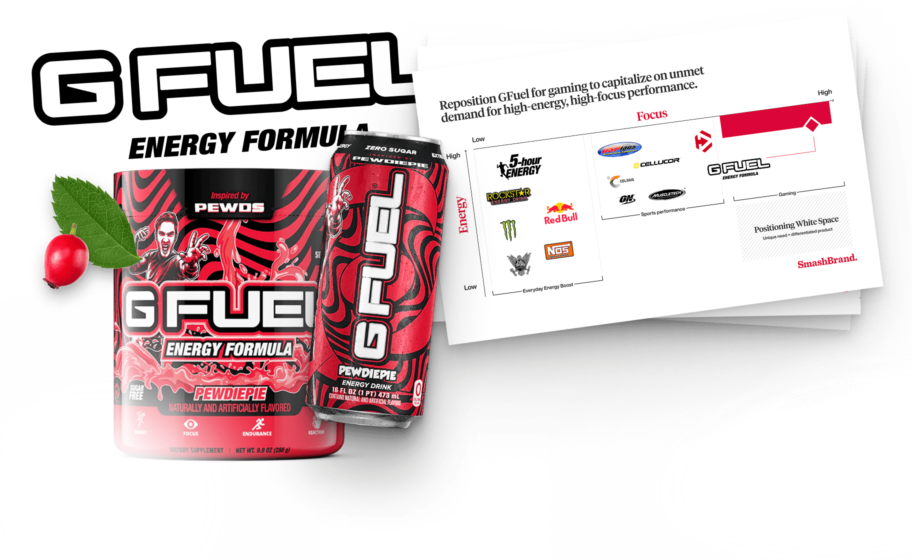
Substantial brand equity requires a blend of art, science, intuition, and analysis. The journey begins with a robust brand positioning framework, the foundation of all equity-building efforts. This framework is visualized in a brand positioning matrix, and all brand elements are aligned with the desired market perception. When executed with precision and consistency, brand positioning strategies transform mere products into robust equities that resonate deeply with consumers.
Building a Consistent Brand Identity
Brand identity is the cornerstone of any successful brand equity strategy. It’s the DNA that sets your brand apart in a crowded marketplace. Your brand personality reflects its human characteristics playful, serious, innovative, or traditional. Defining this personality involves pinpointing the brand’s core values and mission.
Understanding the audience’s aspirations and pain points is essential. Develop a brand voice that resonates with them. Use a proven brand positioning template to align personality traits with your strategy. Authenticity is key; your brand personality must mirror the company’s ethos. Visual consistency is crucial for brand identity. It ensures your brand is instantly recognizable. To achieve this:
-
- Design a distinctive logo that encapsulates your brand essence.
-
- Develop a cohesive color palette that evokes the right emotions.
-
- Choose typography that reflects the brand’s character.
-
- Create brand guidelines to ensure consistency across all touchpoints.
Brand consistency builds trust and recognition, extending beyond appearance to the core of a brand’s interaction with consumers. Your brand story unifies your purpose, values, and customer benefits. To craft a memorable story:
-
- Identify brands’ unique origin or mission.
-
- Highlight the problem your brand solves.
-
- Showcase how your brand makes a difference.
-
- Use emotional storytelling to connect with your audience.
A compelling brand story does more than engage; it drives sales by creating an emotional bond that turns customers into brand ambassadors. Focusing on these components will establish a strong brand identity, the foundation of all your brand-building activities. While consistency is vital, authenticity is even more crucial. Your brand identity should genuinely reflect who you are, not who you think you should be.
Increasing Brand Awareness
Boosting brand awareness requires a strategic balance, omnipresent yet relevant, loud yet not obnoxious. Outside of your packaging design, social media marketing channels are the most effective tools for increasing brand visibility. Optimize your website for search engines (SEO) to maximize organic reach, and consider investing in professional organic SEO services to strengthen long-term search visibility and audience engagement. For brands running their sites on WordPress, this usually means applying SEO best practices across the platform, from technical optimization and site structure to scalable content that allows brand visibility to grow alongside search performance. Enhance your site for voice, image, and AI search to stay ahead. Don’t rely solely on organic traffic; utilize paid search and social media advertising to target specific audience segments effectively.
Social media marketing is crucial for fostering community and amplifying your brand voice. Implement retargeting strategies to keep your brand top of mind. The goal is not just to be seen but to be remembered. Advanced content marketing strategies are essential. When content aligns and continues the same narrative, it fuels brand awareness. Create valuable, shareable content that addresses the audience’s pain points.
Diversify content formats, such as blogs, videos, infographics, and podcasts, to cater to different preferences. Prioritize optimizing content for readers and user experience over search engines. Ensure the use of easy-to-read fonts and maintain a consistent publishing schedule. Promote your content across all relevant channels to position your brand as a thought leader and go-to resource in your industry.
Influencer marketing is another powerful tool for expanding brand value. Identify influencers whose audiences align with your target market and who have engaged audiences. Collaborate on authentic, value-driven content that resonates with their followers. Use influencers for product launches or brand campaigns to create buzz. Measure and analyze the impact of influencer collaborations on brand awareness metrics. Partnering with the right influencers who fit within your budget can exponentially increase a brand’s visibility and credibility.
Foster Positive Brand Associations
Crafting positive brand associations is like painting a masterpiece in your customers’ minds. It’s about creating meaningful connections that elevate your brand beyond mere products. Today’s consumers want brands that mirror their values. Therefore, to create alignment, companies must identify core values that resonate with their target audience and integrate them into brand messaging and actions.
Businesses may showcase their commitment through social responsibility initiatives and balance corporate vs product branding to create a holistic brand image. Values must be more than just marketing speak—they must be the heartbeat of organizations. Unique selling propositions set companies apart from competitors. Identify what makes the brand unique and communicate these differentiators across all touchpoints.
Demonstrate how your USP solves customer pain points or fulfills aspirations. Use storytelling to bring your USPs to life in a compelling and distinct way. Leverage your USPs to bridge the gap between your brand’s features and the benefits customers experience.
To forge powerful connections:
-
- Tap into universal human emotions that align with your brand’s meaning.
-
- Use sensory branding to create multi-dimensional experiences.
-
- Craft narratives that resonate on an emotional level with your audience.
-
- Leverage user-generated content to showcase real emotional connections with your brand.
People buy not just products but feelings, experiences, and identities.
Deliver Exceptional Customer Experience
A fantastic customer experience occurs when your brand promise meets reality, turning customers into loyal brand ambassadors. Personalization strategies are crucial to transforming generic interactions into memorable brand experiences. To master this, leverage data to enhance experiences across all touchpoints. Implement intelligent AI-driven recommendations for products and content. Craft personalized email campaigns that speak directly to individual needs.
Tailor loyalty programs to resonate with different customer segments. Personalization goes beyond using a customer’s name—it’s about making them feel genuinely understood and valued. Implement omnichannel support to meet consumers where they are. Use chatbots and AI to provide instant assistance.
Equip your support team with comprehensive product knowledge and problem-solving skills. Create self-service options for customers who prefer DIY solutions. The goal is to make every interaction smooth, swift, and satisfying. Implement innovative feedback loops by seeking customer input through surveys, reviews, and social listening. Use feedback data to analyze trends and identify areas for improvement.
Develop Brand Loyalty Programs
Loyalty programs keep the audience returning for more and transform casual customers into die-hard brand advocates. Companies must craft loyalty programs that truly engage their target audience. They must offer a variety of rewards that cater to different customer preferences. Earning and redeeming points must be simple and intuitive. Brands must incorporate experiential rewards that align with their essence and use gamification elements to make participation fun and engaging.
Loyalty programs cultivate emotional connections. Tiered structures add a layer of excitement and exclusivity to loyalty programs. To implement these programs effectively:
-
- Create clear, attainable tiers that motivate customers to climb the ladder.
-
- Offer increasingly valuable rewards at higher tiers.
-
- Provide exclusive perks like early access to new product branding initiatives.
-
- Use personalized communication to guide customers through their loyalty journey.
Whatever is measured gets managed. To optimize loyalty programs, you need to track essential metrics like customer retention rate, repeat purchase rate, and lifetime value. It’s crucial to analyze customer feedback thoroughly to identify areas for improvement. Additionally, conducting A/B tests is necessary to refine program elements and offerings. A great loyalty program is never static—it evolves with your customers’ needs and preferences.
Implement Effective Brand Positioning
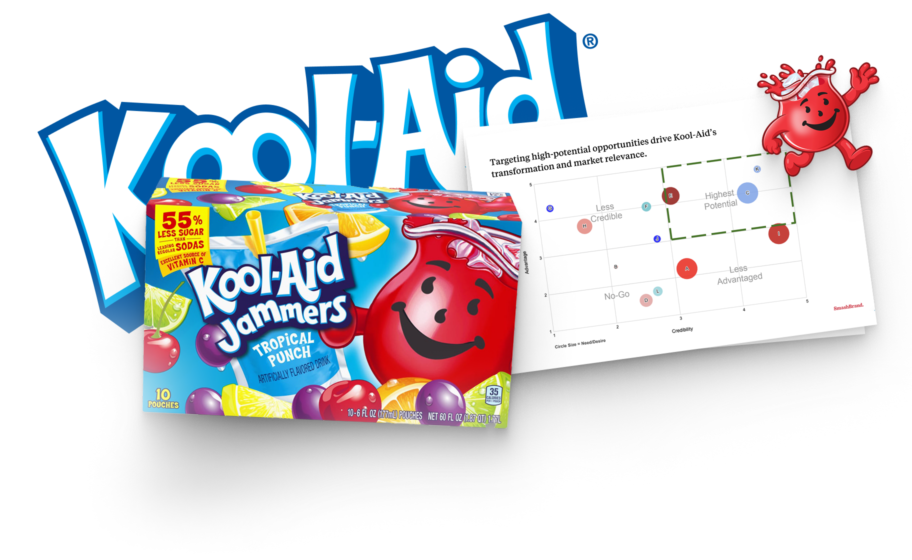
Market segmentation is crucial for brand success. Companies must start by rigorously analyzing point-of-sale data to identify purchasing patterns among different consumer groups. This data yields invaluable insights into their customer base and purchasing behavior. These insights should be further augmented with in-depth in-store shopper research to gain a comprehensive understanding of consumer behavior at the shelf level.
Companies should utilize this information to develop comprehensive consumer profiles beyond basic demographics. This includes incorporating psychographic data to comprehend motivations and preferences. Identifying niche markets within broader categories has a significant impact. For example, you might find a growing segment of health-conscious consumers seeking organic, low-sugar options in the snack category.
Conduct thorough shelf analysis, examining competitors’ products’ packaging, placement, and pricing. Identify unique product attributes that set your offering apart, such as innovative ingredients, sustainable sourcing, or superior functionality. Packaging is the first and only chance to make an impression, so invest in distinctive designs that stand out on the shelf and effectively communicate your brand’s value proposition.
Craft clear, benefit-driven packaging messaging that immediately conveys why consumers must choose your products. Develop impactful in-store displays and point-of-purchase materials that highlight your products’ unique benefits and catch shoppers’ eyes.
Monitor and Manage Brand Perception
Brand perception plays a critical role in a product’s success. Effective monitoring and management of brand perception are imperative for sustaining and expanding market share. This strategy comprises three essential components: conducting regular brand tracking studies, analyzing social media sentiment, and proactively addressing negative perceptions.
Conducting regular brand tracking studies is essential for CPG brands to understand how consumers perceive their products over time. These studies typically involve surveys and focus groups that measure key metrics such as brand awareness, preference, and loyalty. Track how these metrics change in response to new product launches, marketing campaigns, or competitor activities.
Brand tracking is a powerful tool for revealing shifts in consumer preferences and emerging trends that can significantly impact product development and marketing strategies. Although brand tracking studies may involve substantial costs, their insights are invaluable for guiding strategic decisions and improving ROI. By leveraging specialized tools to analyze social media sentiment and track brand and product mentions across multiple platforms, you can gain real-time insights into how consumers respond to your products, packaging, and marketing efforts.
Word of mouth and online reviews can significantly impact sales. This involves monitoring negative feedback across various channels and responding quickly and appropriately. Companies must have a clear process for addressing product quality issues, explaining packaging changes, or clarifying nutritional information when customers provide negative feedback. Responses must be prompt, empathetic, and solution-focused.
Continuously Innovate and Evolve
Brands that fail to innovate risk becoming obsolete. Continuous innovation maintains market relevance, drives growth, and keeps competitors ahead. This strategy focuses on three key areas: staying relevant in changing markets, introducing new products or services, and adapting to consumer trends.
As consumer preferences shift and new competitors emerge, brands must evolve to maintain their market position. This requires a deep understanding of market dynamics and consumer behavior. Successful brands engage in open dialogues, seek feedback, and involve stakeholders in the innovation process. For instance, a wine brand might adapt to changing tastes by introducing lower-alcohol options or sustainable packaging.
Regular market research and consumer insights studies are crucial for identifying emerging opportunities and potential threats. Brands should also monitor broader societal trends that impact consumer behavior, such as rising health consciousness and environmental concerns.
New product development must be strategic and aligned with the brand’s core values and positioning. For example, a snack brand known for indulgent treats might introduce a line of healthier options to capture a new market segment without alienating its existing customer base.
Nice Package
Don’t miss out on our monthly newsletter Nice Package!
Each month, we deliver a data-driven newsletter directly to your inbox, unpacking a critical topic in the FMCG & CPG industry.
"*" indicates required fields
Data-Driven Brand Development That Can Guarantee Sales Performance.
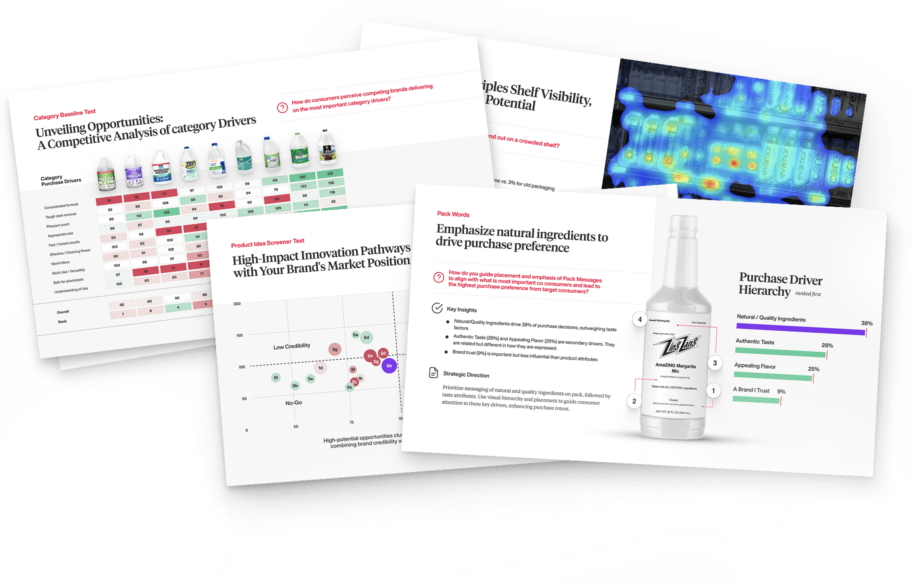
Want a complete blueprint for brand equity development that ensures brand performance in retail? We can help. SmashBrand is a brand development agency that researches, positions, designs, and tests all products to ensure peak shelf performance. Book a time to discuss your project with our team.

A seasoned veteran in the CPG (Consumer Packaged Goods) industry, Jason Vaught brings a wealth of knowledge and hands-on experience as the director of content and marketing for SmashBrand. His comprehensive role at the forefront of brand communication ensures that CPG brands remain well-informed about the suite of services SmashBrand offers. Furthermore, his insights derived from the company's strategy, design, and testing services are invaluable to brand owners and managers seeking expert guidance.
From his early endeavors in launching a successful sports nutrition brand that gained prominence in significant bodybuilding and fitness retail spaces to his entrepreneurial ventures in kick-starting multiple brick-and-mortar and e-commerce startups across diverse industries, Jason's career is studded with substantial milestones. Notably, he has innovated numerous products later embraced by leading industry brands, showcasing his knack for anticipating market demands and setting trends.
Jason's journey in the CPG industry commenced at age 21. Over the years, he has worn multiple hats, ranging from a manufacturer and retailer to a distributor and brand owner. This multifaceted experience equips him with the rare ability to offer practical advice grounded in real-world expertise. His mission is to guide and support other CPG brand owners, directors, and managers on their path to success.
Subscribe to
Nice Package.
SmashBrand’s Nice Package: Stay current with our latest insights
Free Resource.
CPG product repositioning guide.
Explore the five undeniable signs your CPG product needs repositioning along with strategies for leveraging consumer insights for a guaranteed market lift.
Download Whitepaper About CPG product repositioning guide.