
 Overview
Understanding the target customer is where effective product packaging design begins, and it’s rarely simple. The consumer decision-making process is shaped by habit, emotion, and context as much as logic. While shoppers like to believe their consumer purchasing decisions are driven by value and product quality, real purchase behavior tells a different story.
Most consumer decisions happen fast. They’re influenced by familiarity, emotional comfort, and how clearly a product communicates relevance on the shelf. That’s why product information, visual cues, and perceived fit with consumer needs often outweigh rational comparison. The gap between how people describe themselves and how they actually shop is wide, and brands that ignore it pay the price.
So what actually drives a purchase decision in-store? To influence consumer decision-making and increase customer satisfaction, brands must understand the key moments in the consumer buying process that shape preference, engagement, and action. The following factors consistently influence how consumers view, evaluate, and choose products on the shelf.

Product Differentiation
Shoppers rarely choose the “same as always” unless the product price gives them a reason to settle. Competing on price alone weakens brand reputation and limits long-term growth. Real influence over consumer choice comes from differentiation that matters.
But differentiation can’t be cosmetic. It has to meet consumer expectations by solving a problem, improving the shopping experience, or delivering an emotional payoff that shoppers trust. When that distinction is clear, it shapes consumer perception, strengthens consumer attitude, and builds consumer trust before the product ever reaches the cart.
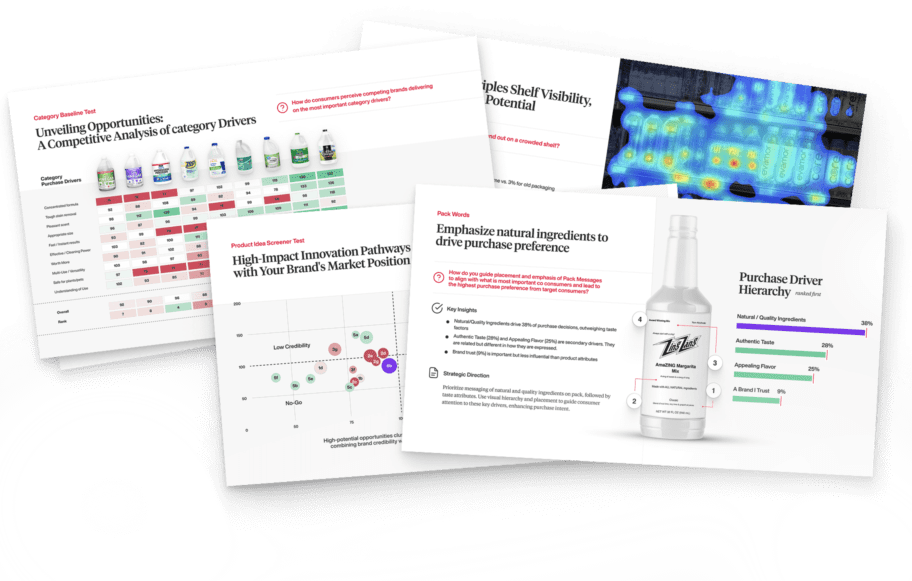
The brands that win combine competitive analysis with consumer testing to understand personal factors that influence consumer purchasing decisions. This insight drives smarter marketing decisions, stronger customer loyalty, and more favorable post-purchase evaluation through customer reviews and repeat behavior. Understanding how shoppers actually decide is what turns trial into habit.
Increasing Value Perception
Strong differentiation reshapes the consumer psychology behind the decision-making process. When shoppers believe they’re getting more, better performance, more apparent benefits, or greater relevance, value perception rises, and so does brand loyalty.
For any marketing professional, this is one of the most critical factors in customer decision-making. Perceived value influences what consumers are willing to pay, how they compare consumer-selected items, and whether price becomes a barrier at all. Brands that get this right can support higher pricing without disrupting buying behavior.
This is why understanding the factors to consider when selecting a suitable market for goods and services matters. When differentiation aligns with real needs, the factors that guide selection of a demand for goods and services shift from price sensitivity to preference, with value, not cost, driving the choice.
Brand Storytelling
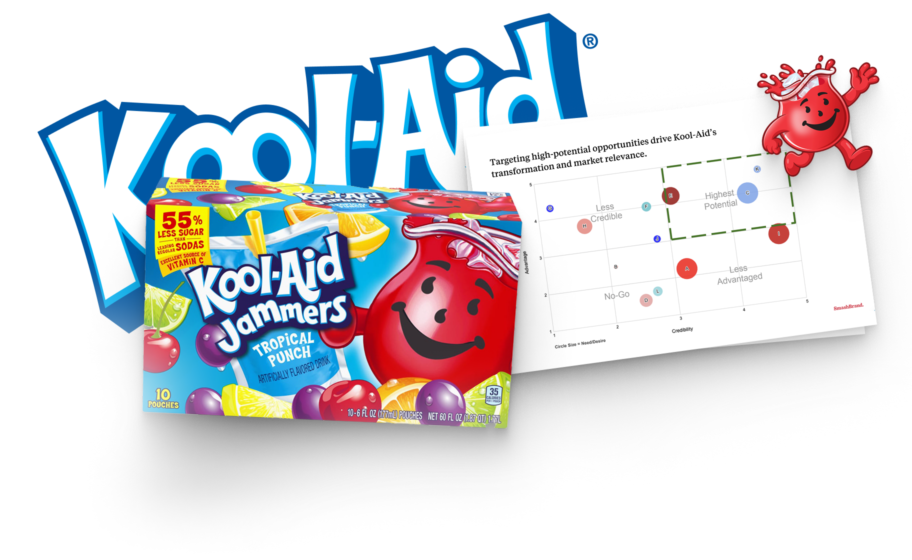
A strong brand story sticks, and memorability is what shapes consumer behavior in CPG. From packaging design to marketing execution, every touchpoint should reinforce a clear narrative that helps consumers quickly understand why your product matters.
In a crowded market where consumers need to choose products fast, storytelling simplifies the factors to consider when buying a product. It frames the 4 factors to consider when buying a product: relevance, value, trust, and differentiation, while helping shoppers resolve the factors that a consumer should consider in satisfying competing needs. When done right, storytelling guides decisions at the shelf and drives confident purchase.
Customer-Generated Storytelling
Not every purchase decision is driven solely by creative packaging—longevity matters. When a brand has been around for decades, consumers instinctively trust it. Survival signals credibility. That’s why legacy brands like Coca-Cola benefit from built-in trust before a shopper ever reads the label.
New brands don’t have that luxury. Trust has to be earned fast and in public. Today’s shoppers research, compare, review, and verify before they buy. That means showing up where conversations happen, responding like a human, and taking responsibility when something goes wrong. Engage directly. Make returns painless. Thank customers for the feedback, even when it stings. Build an authentic brand culture, then let consumers see it. It may feel uncomfortable, but that transparency is what builds trust at speed.
Product Allure
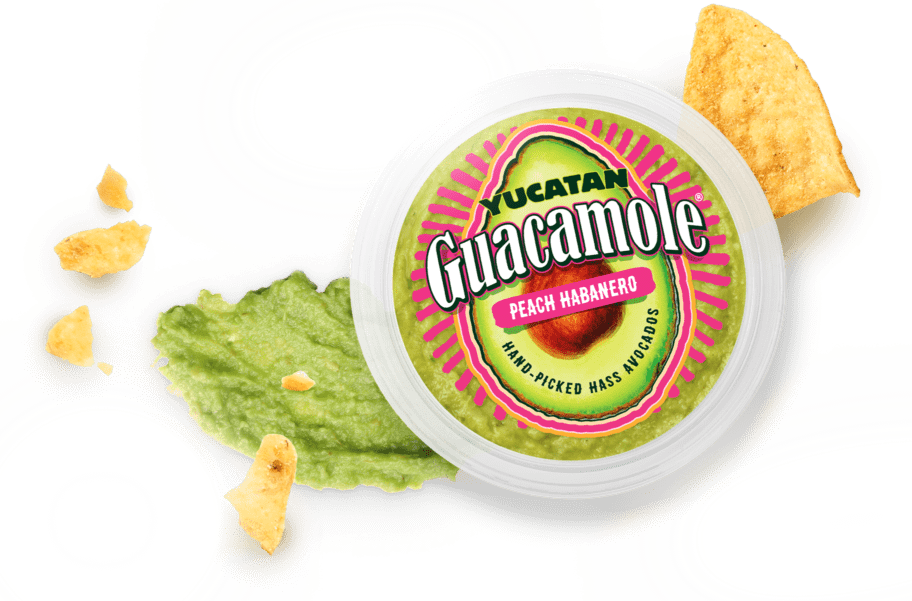
Make the product look good. Even if we’re designing a package for a commodity product such as salt, we must make the product look better than the competition.
Creative package design isn’t just about showing off how closely we’ve studied the work of Viktor & Rolf; it’s about how tasty we make the food inside look, how enticingly the gadget is displayed, or how well we know the particular market. If we designed product packages exclusively to satisfy our egos, most of us would be designing packages on our lunch break from our jobs as Walmart greeters. Consider adding product sneak peeks using photo tiles to showcase your products nicely.
Alluring To Snobocity
Yes, we buy certain products because we want to impress. The consumer’s desire to purchase products to increase their stature is critical to retail package design. The package must convey quality, connoisseurship, and success to get people to pluck it from the shelves. Moreover, we must instantly identify the sports drink, smoothie, chocolate bar, or coffee cup in the consumer’s hand so their friends and associates can see it and leap on the bandwagon.
Many of our consumer choices hinge upon our peers’ choices. Cultural phenomena have more to do with the products we buy than we would like to admit – if everyone has a Starbucks cup, then we must go to Starbucks. Associations like this have little to do with the product’s quality but everything to do with maintaining social veneer.
The Law Of Familiarity
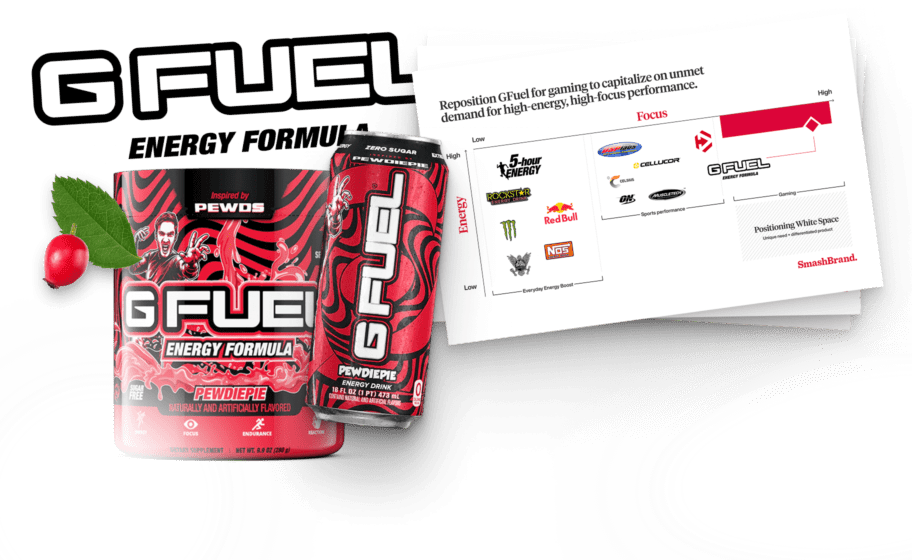
There is much to be said for wildly inventive, out-of-the-box design, but much to be said against it, too. Human beings are hard-wired to feel comfortable with what is familiar. If we associate a particular product or package design with good things, a potential customer who fits our buyer persona is more likely to be drawn to that product. The key is integrating the two: award-winning packaging design and familiarity that brings about consumer comfort.
This separates the design weak from the strong. How successfully can you integrate familiar elements into an innovative design concept?
Nurturing Social Proof
Social proof isn’t a new concept, as cultural factors influencing trade are as old as time. But in today’s world, aspects of social proof, such as encouraging social sharing, are so powerful that they can interrupt buying behavior with a single scroll.
To protect your target market from the onslaught of recommendations for brand switching that occur online, leveraging strategies such as influencer marketing pulls customers back to your brand. But if you are going to engage in marketing tactics such as influencer marketing, work with an agency whose team includes a customer success manager to ensure quality influencers with a strong network, gathers testimonials, and ensures accurate ROI tracking.
The point is that CPG brands better market social proof as part of their marketing campaign if they want brand awareness to grow, lifetime value to increase, and revenues to climb.
Social Responsibility
Social factors become more important with each passing day. Environmental friendliness is no longer a nice-to-have feature; it’s part of the everyday customer experience. Just look at brands like Patagonia, who continue to grow as they thread social responsibility into their brand story.
Being socially responsible doesn’t guarantee that you can influence customer behavior positively. Because so many brands are chasing this packaging design trend, you must optimize packaging to stimulate interest above the competition and compellingly tell your story.
Package Reusability
Consumers have always wanted more for their money, but modern consumer behavior indicates how people desire environmental responsibility in a way that means more value, not more price. A well-designed, sturdy package (jar, bottle, or bag) that consumers can use long after the product is gone is a major enticement to the thrifty and the hoarders among us. Large bags are especially valuable since many large cities are now forbidding plastic shopping bags and charging customers for paper bags.
Bonus Factor: Purchasing Convenience
In this new omnichannel CPG world, consumer buying behavior entails multiple online and in-store touchpoints. A consumer buying decision may first occur in one of your retailers, whereas habitual buying behavior occurs in another. For this reason, brands need to understand at which retailers the omnichannel target customer shop.

Nice Package
Don’t miss out on our monthly newsletter Nice Package!
Each month, we deliver a data-driven newsletter directly to your inbox, unpacking a critical topic in the FMCG & CPG industry.
"*" indicates required fields
Data-Driven Brand Development For CPG Brands
SmashBrand is a branding agency for FMCG and CPG companies. From brand strategy to packaging design testing, our Path To Performance™ process guarantees a retail performance lift. Book a time to discuss your project with our team.
Frequently Asked Questions
What Are The Main Product Factors That Influence Purchasing Decisions?
We can categorize purchase decision factors can into nine core groups. Here’s a look at what each of the factors includes.
Personal Factors: Age, gender, occupation, lifestyle, personality traits, life stage, values, attitudes, knowledge, and personal goals.
Psychological Factors: Perception, motivation, learning, beliefs, attitudes, lifestyle, risk tolerance, need for achievement, and brand loyalty.
Economic Factors: Income level, disposable income, savings, credit availability, price sensitivity, and purchasing power.
Social Factors: Reference groups, family roles, social status, cultural norms, social influence, and word-of-mouth communication.
Cultural Factors: Values, beliefs, customs, traditions, dietary preferences, fashion trends, and religious practices.
Environmental Factors: Climate, pollution, resource availability, sustainability concerns, and environmental consciousness.
Technological Factors: Technological advancements, product innovation, communication channels, and digital platforms.
Situational Factors: Physical environment, time constraints, social setting, specific occasion, in-store displays, and sales promotions.
Individual Differences: Unique values, attitudes, knowledge, personal goals, risk tolerance, need for achievement, and brand loyalty.

Kevin Smith is the founder of SmashBrand, a brand development agency specializing in the CPG and FMCG sectors. Under Kevin's guidance, SmashBrand seamlessly integrates brand strategy, design, and detailed consumer testing, ensuring impactful market outcomes and enhanced sales velocities for its clients.
Key milestones in his career:
Before establishing SmashBrand, Kevin ventured into entrepreneurship with Nutri-Sport at 21. Recognizing the untapped potential in sports nutrition, he rapidly expanded to seven retail locations within a year. This success led to the formation of a distribution company serving all nutrition stores throughout Arizona.
Subsequent ventures included pioneering e-commerce stores and launching Athletic Xtreme, a globally distributed sports nutrition brand. Notably, Athletic Xtreme won BodyBuilding.com's Brand of the Year in 2006 and found its place on the shelves of major retailers, from GNC and Vitamin Shoppe to Walmart successfully exiting in 2014.
Apart from brand milestones, Kevin's journey includes commendable service as a Marine Corps veteran, where he was honored as a DOD Marine of the Year in 2001.
While leading SmashBrand and investing in budding brands, Kevin is committed to mentoring aspiring CPG entrepreneurs. His profound industry knowledge, from grasping retail trends to understanding shelf dynamics, serves as invaluable guidance for brands striving to carve out their niche.
Central to Kevin's approach is a consistent philosophy: Marry actionable, data-centric findings with proven strategies to ensure brands stand out and succeed in retail.
Subscribe to
Nice Package.
SmashBrand’s Nice Package: Stay current with our latest insights
Free Resource.
CPG product repositioning guide.
Explore the five undeniable signs your CPG product needs repositioning along with strategies for leveraging consumer insights for a guaranteed market lift.
Download Whitepaper About CPG product repositioning guide.