

Going freelance can be a scary prospect. Once you’ve traded in the security of a steady paycheck for the perks of working for yourself, your entire future hinges on your ability to land work consistently. (Yeah, we know. No pressure, right?) The truth is, finding regular freelance work isn’t as difficult as you might expect, as long as you follow a few basic tips.
Deliver the Goods
The first step in securing your freelance future is to be good at your work. That isn’t to say that you need to win every contest you enter or have a portfolio chock-full of Fortune 500 clients. Instead, focus on delivering a solid, reliable product, that’s both on-time and on-budget. Of course, earlier and under budget is always appreciated, too. And be sure to write about all of your past projects in a resume using a freelancer resume template.
The first step in improving design work is to push yourself continually. Read books on aesthetics, typography and design elements. Attend conferences, workshops and industry events. Register for refresher courses and network like crazy with other designers. And, finally, take all the work you can find, because that’s just more practice. If work is on the slim side, redesign your own site just to stay fresh.
Sell Yourself
Let’s be honest. When people are looking for someone to help them sell in retail, all we have to do is showcase our approach to packaging design and our success stories. You, on the other hand, are not selling your work; you’re selling yourself. Make sure you’re the type of person you would like to work with. Be personable, friendly, and fun. Show enthusiasm for your projects and your clients. Remember birthdays. Bring coffee.
Remember when you had a real job, and there was that great coworker everyone loved? Yeah. Channel that guy. You’d be surprised how often cheerful energy is the one thing that sets you apart from the competition.
Maintain Client Focus
There’s a reason why clichés like “give the client what they want” and “the customer’s always right” have refused to die. If you’re focusing on playing with a new style instead of meeting your client’s actual wishes, you’ll be looking for a new gig, fast. They made a terrible request that destroys the balance of your fabulous design? Get over it, get used to it and deliver your services with a smile anyway. Flexibility will land far more contracts than arguing with your clients ever will.
Yeah, we know you’re an Artist and everything, but for the sake of being able to pay your mortgage, get down to business. Keep that capital “A” stuff for your personal time.
Play to Your Audience
A super-fancy-pants design portfolio might impress other designers and artsy folk, but you could alienate potential clients if your artwork is too edgy. Choose pieces up the same alley as the clientele you’re working to land. Your audience wants to look at stuff that looks like what they want to buy. It’s a rare duck who will look at a portfolio and say, “This looks nothing like what we want, but you’re so talented we’re hiring you anyway.” In fact, we know zero ducks who have said this.
Get Referral Chops
As your workload gains momentum, you’ll find that many of your new clients are finding you via referral. Good help is even harder to find in the freelance world than in corporate existence. As a freelancer, your fledgling business could live or die by your referrals alone, so focus on landing repeat customers, or customers willing to drop your name to their design-needy friends.
To further enhance this strategy, consider including a gentle referral request on your invoices. This can be as simple as a short message at the bottom of the graphic design invoice saying, “Enjoyed our collaboration? I’d love it if you could refer me to others who might need my services!” Such prompts remind clients of your work and encourage them to share your contact information with potential new clients when they are satisfied with your services. Additionally, integrating a referral program software can streamline the process, making it easier for clients to refer you and for you to track those referrals.
For creating professional and customizable invoices that include these referral prompts, take a look at a tool such as Zintego which offers a variety of invoice templates that can be tailored to reflect your freelance branding and ensure that the referral messaging is both prominent and professional.
(NOT) Easy Money
Maintaining steady freelance work is not rocket science, we promise, but it takes work. The tips listed above really boil down to just this: Be likable, have good customer service and deliver consistent, reliable results. If you build it, they will come. And if you build it right, they’ll tell their friends to come, too.
Conclusion
Beyond these tips, it’s essential to reduce friction with your client work. Don’t forget about optimizing for efficiency. Silly little things such as not spending the money to fix a line on a macbook screen because of the cost will slowly start to eat away at your energy and productivity. Remember, you are not just a freelancer, you are a business owner and need to operate as such.
Data-Driven Brand Development
Want a best-selling brand? SmashBrand is a brand development agency for FMCG and CPG companies. From brand strategy to packaging design testing, our Path To Performance™ process guarantees a retail performance lift. Book a time to discuss your project with our team.
Subscribe to
Nice Package.
SmashBrand’s Nice Package: Stay current with our latest insights
Free Resource.
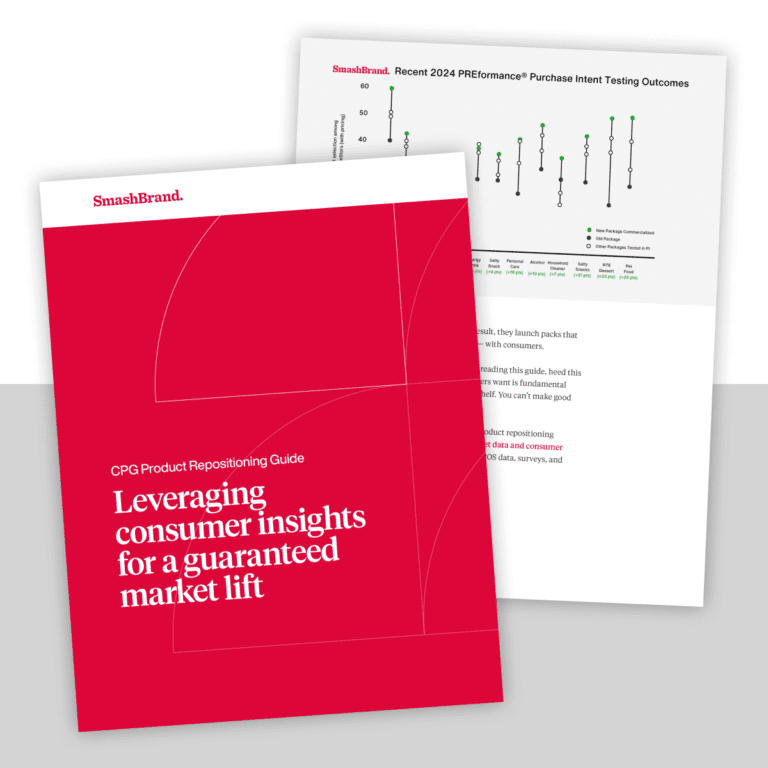
CPG product repositioning guide.
Explore the five undeniable signs your CPG product needs repositioning along with strategies for leveraging consumer insights for a guaranteed market lift.
Download Whitepaper About CPG product repositioning guide.